


Rococo Revival Silver
When you handle rococo revival silver, you meet exuberant scrolling, shell motifs and asymmetrical forms borrowed directly from the mid-eighteenth century.
Rococo Revival Silver
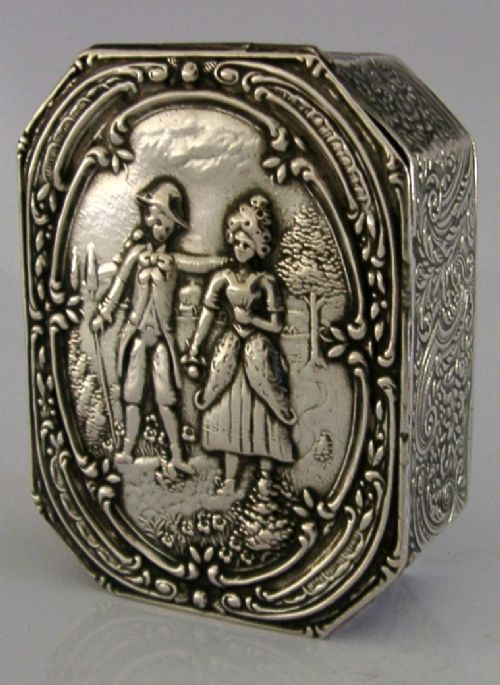
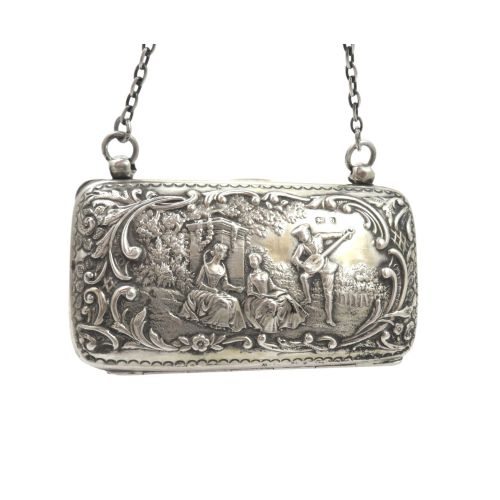
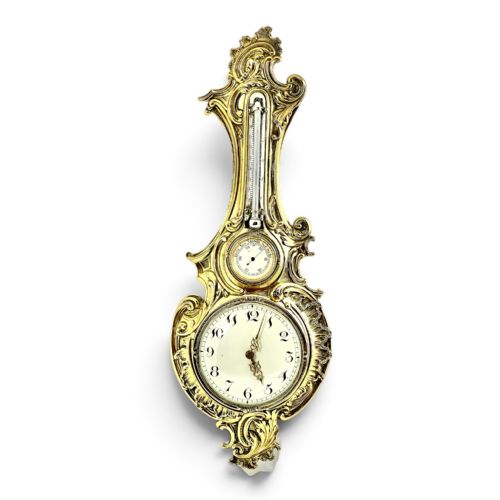
Rococo revival silver encompasses decorative table boxes, salts, candlesticks, candelabra and mirrors spanning the Victorian and Edwardian eras. Pieces emerge in sterling silver, silver plate and silver on copper, alongside occasional pairings with glass, wood and velvet.
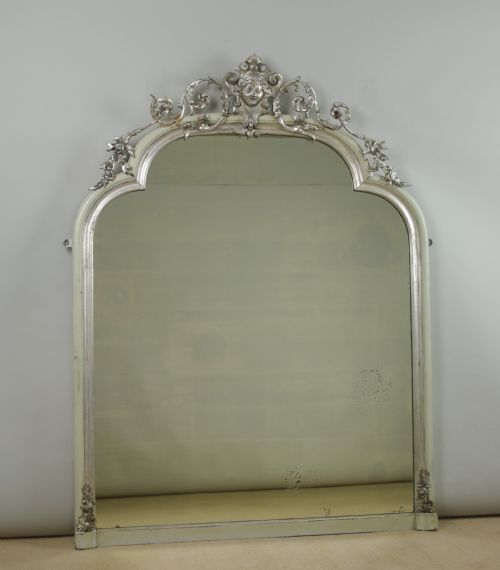
The objects you encounter most often on this page take the form of nineteenth-century serving trays, cream jugs, salt cellars and photo frames. Makers also applied the style to larger furnishings like overmantle mirrors and sofas, creating a cohesive domestic aesthetic.
Origins stretch across England, Germany, France, Austria and Italy, reflecting a widespread nineteenth-century enthusiasm for ornate continental design. Victorian silversmiths and their continental contemporaries embraced these flamboyant scrolls and floral chased surfaces with vigour.
How they were made
Silversmiths utilised sterling silver and heavy silver plating over copper or base metals to achieve substantial forms without prohibitive cost. Silver gilt finishes and silver deposit techniques on porcelain appear frequently, adding contrasting textures and colour to the metalwork.
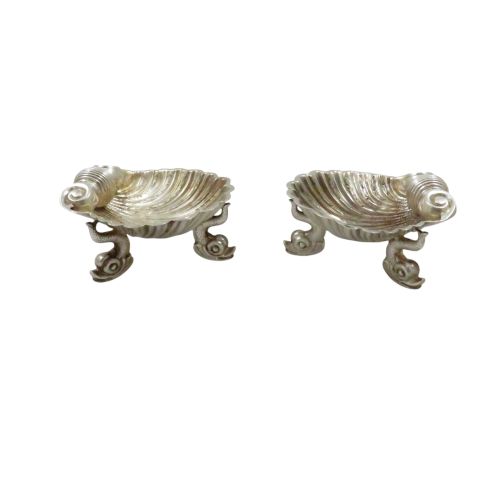
Techniques relied heavily on embossing, chasing and piercing to create high-relief scrolls, shells and cherubs. Heavy casting was employed for candlesticks, candelabra mounts and detailed dolphin or shell feet on salt cellars.
Listings feature sterling silver and silver plate alongside glass, wood, velvet and porcelain components across Victorian and Edwardian periods.
What varies in quality
Quality rests on the crispness of the chasing and the depth of the relief work across the surface. Superior examples maintain sharp detail in scrolling foliage and figures without softening from excessive polishing or poor casting.
The weight of the silver or the thickness of the plating over the copper core dictates longevity and tactile substance. Finer pieces demonstrate careful hand-finishing on internal details and undersides, whereas simpler production relies on standard stamped components.
Barker Ellis·Padley Parkin·Jean Gille·William Comyns·Robert Garrard
The Rococo Revival Silver Glossary
- Sterling silver
- A silver alloy containing 92.5 percent pure silver by mass and 7.5 percent other metals, usually copper. This standard defines the high-grade English domestic silver found in many nineteenth-century items.
- Silver plate
- A layer of silver fused or electroplated onto a base metal such as copper, brass or nickel silver. It offered an accessible alternative to solid silver for large items like candelabra and serving trays.
- Chasing
- A metalsmithing technique where the artisan pushes metal from the front using hammers and punches to sink the design and create relief. It gives rococo revival objects their characteristic tactile depth.
- Embossing
- Raising a design in relief from the reverse side of the metal using specialised punches. This method frequently frames photographic portraits or decorates the borders of toilet trays and boxes.
- Silver gilt
- Silver that has been coated with a thin layer of gold, often termed vermeil when applied to sterling silver. The technique creates a warm, dual-toned metallic sheen inside vessels like salt cellars and mustard pots.
Rococo Revival Silver: Frequently Asked Questions
What is rococo revival silver?
Rococo revival silver covers decorative items and tableware produced primarily during the Victorian and Edwardian periods that imitate eighteenth-century French design. These pieces feature characteristic scrollwork, floral motifs and asymmetrical shell shapes.
Items range from small trinket boxes and salt cellars to large candelabra, mirrors and tea services in solid silver and silver plate.
How do I date these pieces?
Dating relies on hallmarks stamped into the metal on British sterling items, which indicate the assay office and year of production. Stylistic shifts and maker marks also help place pieces across the nineteenth and early twentieth centuries.
Items without official silver hallmarks can be dated by their construction methods, plating techniques and associated design patents from makers operating in specific decades.
How were salt cellars used?
Salt cellars held loose salt on the dining table before individual shakers became common in the twentieth century. Diners used tiny spoons or pinched the salt directly from the open vessel.
In rococo revival styles, these cellars often took the form of detailed shells supported by dolphin feet or scrolling mounts, serving as miniature decorative sculptures.
How do I clean silver plate?
Cleaning silver plate requires a gentle silver polish and a soft cloth to remove tarnish without wearing through the thin silver layer. Avoid harsh abrasives that can expose the underlying copper or base metal.
Regular, light dusting and proper storage away from direct sunlight and damp environments help preserve the finish of plated trays, candelabra and tea pots.