
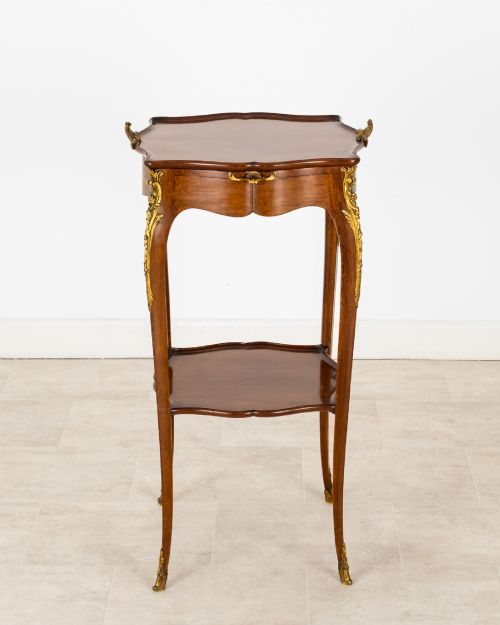
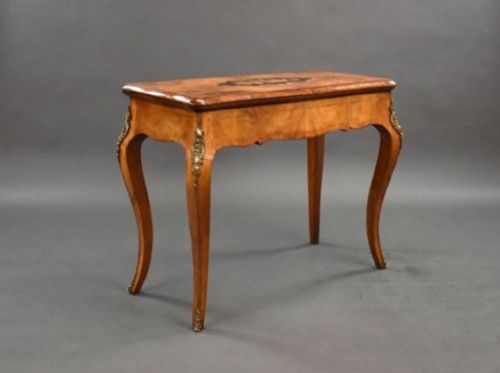


Rococo Revival Mahogany Table
A rococo revival mahogany table brings spirited 19th-century curves, asymmetric flourishes, and rich timber grain into a modern interior.
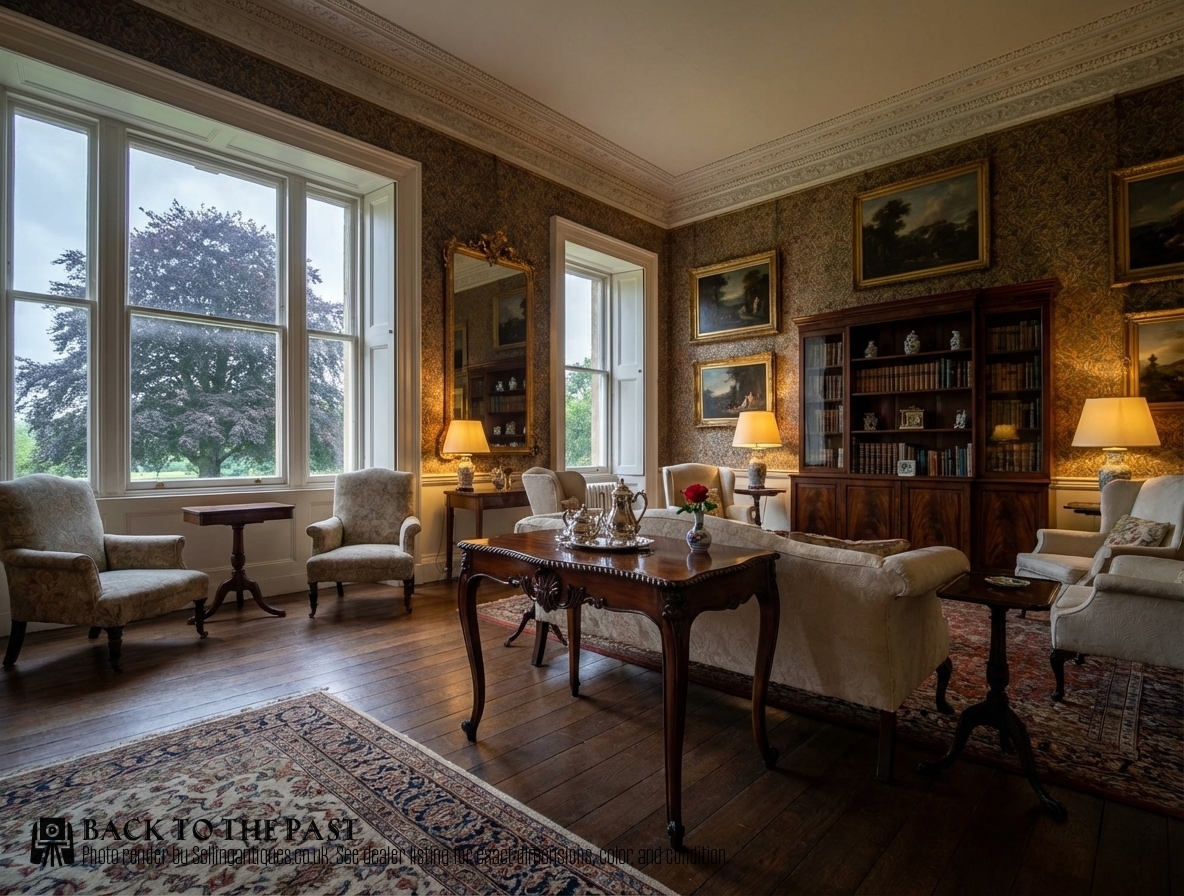
Rococo Revival Mahogany Table
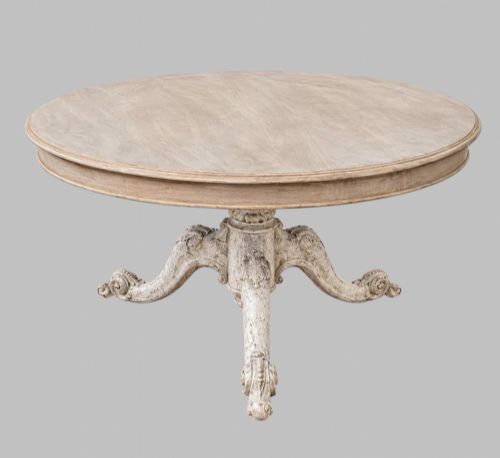
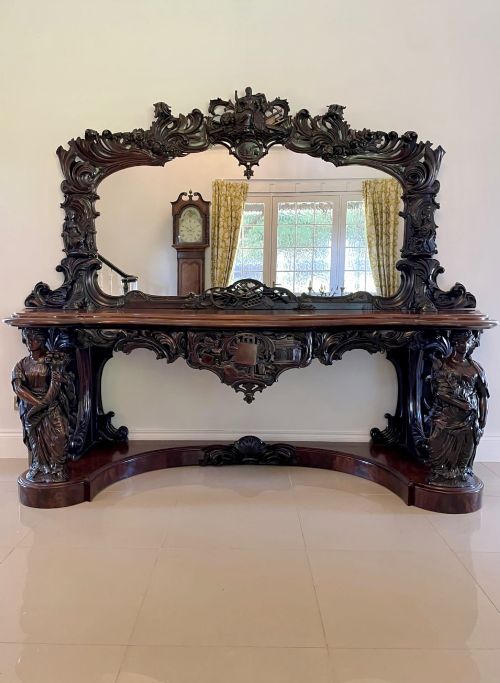
A rococo revival mahogany table typically emerges from the 19th century, drawing upon Victorian, French, and Louis XV design idioms. These pieces take various forms, including console tables, centre tables, and card tables, which collectors frequently encounter across the period.
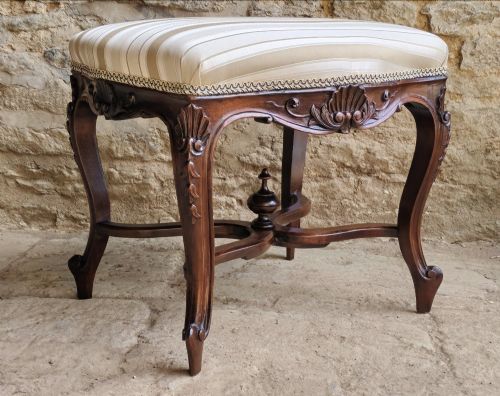
The aesthetic relies on exuberant carving, serpentine fronts, and cabriole legs that echo mid-eighteenth-century continental tastes. Makers often integrate marble tops or rich wood veneers to heighten the visual impact of the form.
Examples span from mid-Victorian freestanding centre tables to later Edwardian revivals, showing how cabinet makers reinterpreted these flowing contours over decades. Each variant demonstrates the enduring appeal of asymmetrical scrolls and naturalistic motifs.
Materials and construction
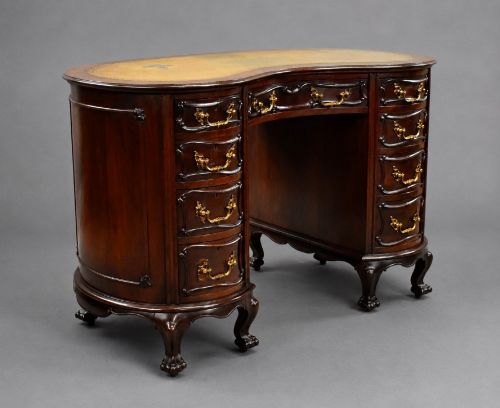
Makers built these tables using solid mahogany and flame mahogany veneers, often enhanced with burr walnut, rosewood, and marquetry inlay. Ormolu mounts, brass, and bronze details were frequently cast and applied to accentuate the curves of the frame.
The structural joinery supports elaborate carved elements, serpentine aprons, and cabriole legs shaped by hand. Marble and alabaster tops add substantial weight, requiring robust internal framing to support the stone securely.
One extraordinary console table arrived with an exhibition pedigree large enough to make a Victorian butler stand up straight.
Distinguishing quality
The caliber of a piece rests heavily on the depth and crispness of the hand carving, where fluid, undercut foliage separates superior work from mechanical replication. Timber selection also drives distinction, particularly the vibrancy of flame mahogany grain or the precision of marquetry inlay.
Hardware and secondary materials reveal much about original ambition, from fire-gilt ormolu mounts to thick, heavily veined marble slabs. Refined proportions and integrated structural stability complete the distinction between standard production and exhibition pieces.
François Linke
The Rococo Revival Mahogany Table Glossary
- Cabriole leg
- A furniture leg that bends outward in a convex curve and tapers inward in a concave arc, ending in a pad or scroll foot. This shape is characteristic of rococo and revival designs.
- Serpentine
- A shape featuring a wave-like contour with a convex centre flanked by concave curves. It adds dynamic movement to table fronts and tops.
- Ormolu
- Gilded bronze or brass applied as decorative mounts on furniture. It provides bright metallic contrast to dark mahogany surfaces.
- Flame mahogany
- A veneer cut from the fork of a mahogany tree where the branches meet the trunk, producing a distinctive flickering flame pattern. Cabinet makers used it on prominent surfaces for visual drama.
Rococo Revival Mahogany Table: Frequently Asked Questions
What periods do these tables come from?
The pieces span the 19th century, taking in Victorian and Edwardian interpretations of earlier continental styles. Most examples date from the Victorian era through the late 1800s.
Cabinet makers continued producing these revival forms into the early twentieth century, incorporating Edwardian and Chippendale revival influences alongside French rococo motifs.
How were centre tables used originally?
Centre tables stood freestanding in the middle of principal rooms rather than pushed against a wall. They served as display surfaces for decorative objects, books, and lamps.
In some instances, hinged tops allowed these forms to function as card tables or tea tables when entertaining guests in the parlour.
How do I care for a mahogany table?
Keep mahogany timber away from direct sunlight and steady heat sources to prevent the wood and veneer from drying out. Routine dusting with a soft, dry cloth preserves the polished finish.
Marble and alabaster tops benefit from immediate wiping of spills to avoid staining the porous stone surfaces.
How can I tell a console table apart?
Console tables are designed to stand against a wall, frequently anchored for stability, and often feature finished decoration only on the front and sides. They commonly support heavy marble or alabaster tops.
Centre tables, by contrast, feature finished woodwork on all four sides to allow viewing from any angle in an open room.