

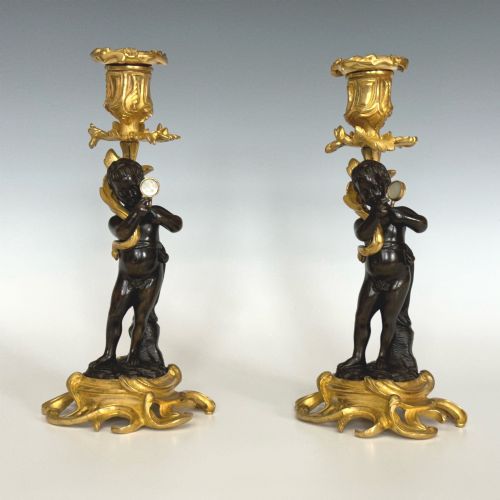


Rococo Revival Gilt Light
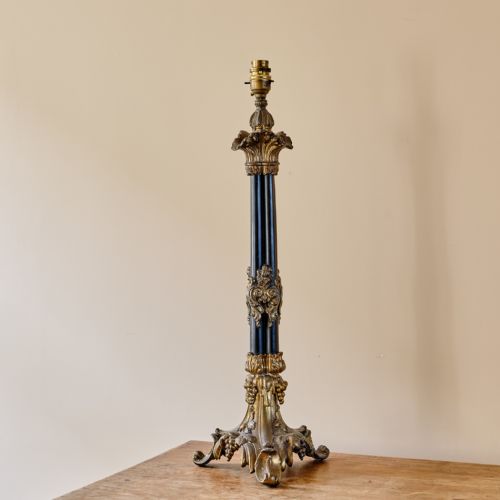
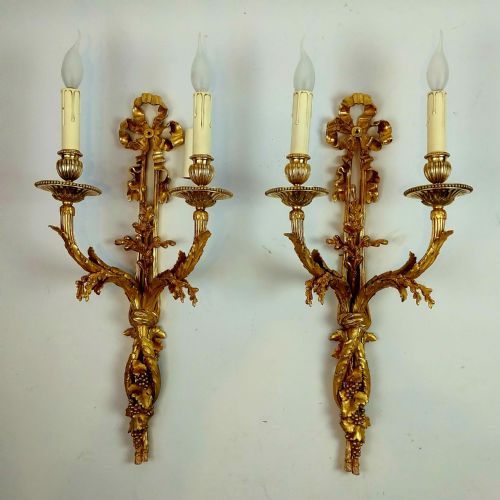
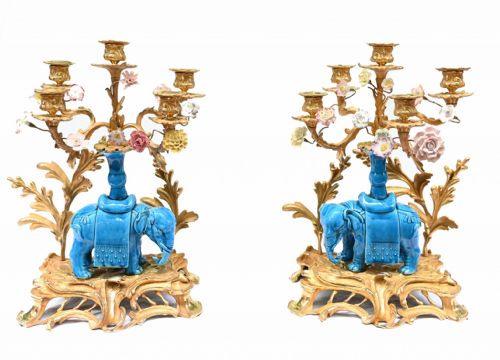
These rococo revival gilt light pieces bring ornate French flair and warm illumination to a room through lavish cast metal and porcelain.
Rococo Revival Gilt Light
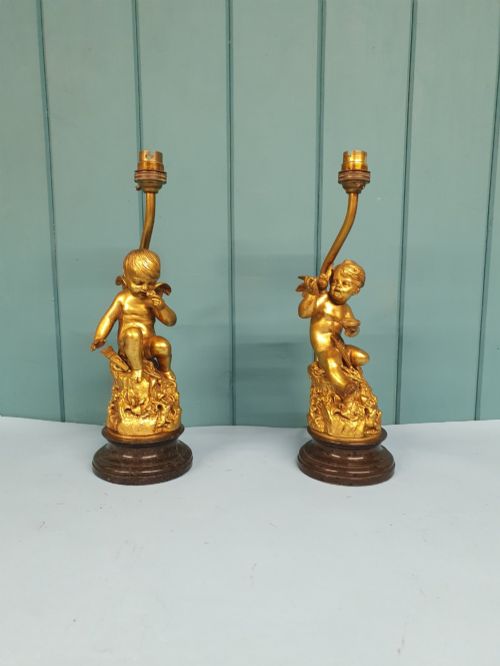
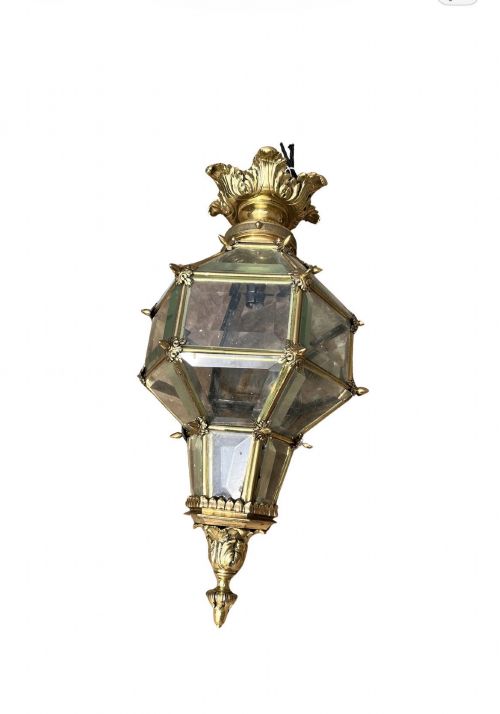
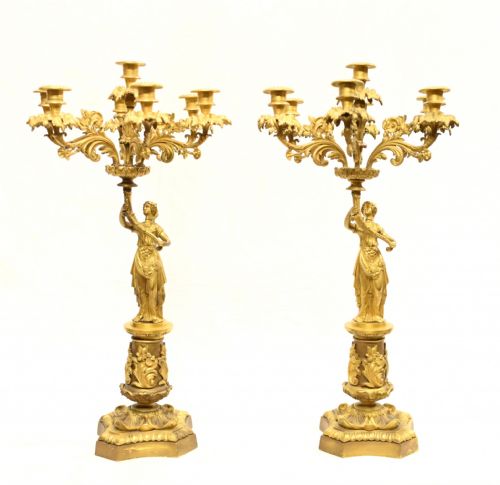
A rococo revival gilt light selection spans nineteenth-century French and Victorian interiors, presenting table lamps, wall sconces, and multi-branch chandeliers. Pieces often incorporate figural elements such as cherubs or maidens alongside floral and scrolling motifs.
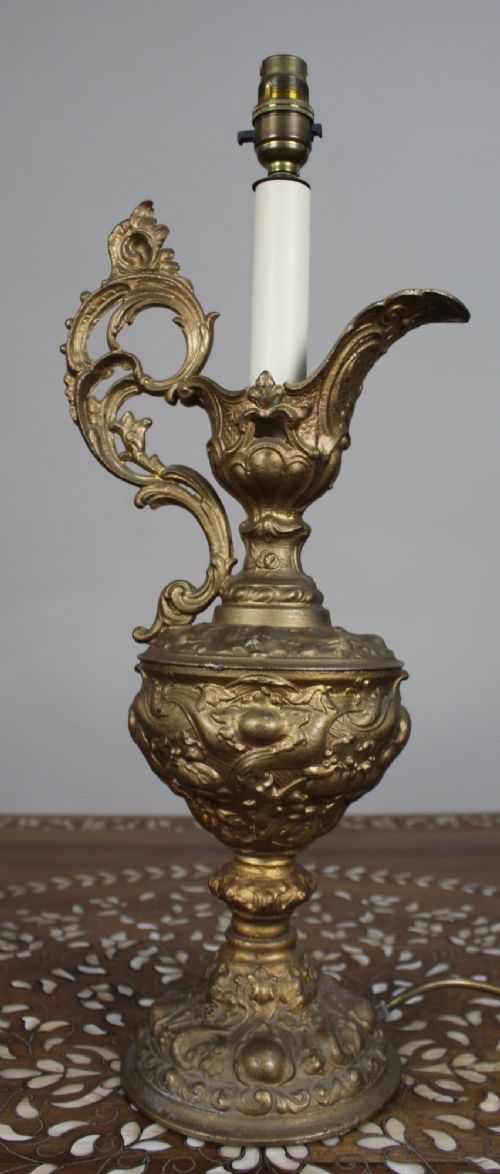
Table lamps and candelabras dominate the selection, frequently utilising porcelain bodies mounted in gilt bronze or ormolu. These items range from petite boudoir lamps to monumental pairs designed for prominent display on mantelpieces or side tables.
Originating largely from French workshops and the broader nineteenth-century revival movements, these lighting pieces reflect a sustained taste for extravagant asymmetry and rich metallic finishes. Many items began as candleholders or oil lamps before later conversion to electricity.
How they were made
Craftsmen built these items using cast bronze, ormolu, and brass, often applying a fine layer of gold via mercury gilding or electroplating to achieve a lasting metallic lustre. Foundries combined these gilded metals with hand-painted porcelain components, marble bases, and cut glass crystals.
Complex forms relied on lost-wax casting for bronze and brass elements, allowing intricate scrolls, cherubic figures, and floral details to emerge with sharp definition. Artisans then chased the cast surfaces by hand to add texture, contrast, and depth before mounting porcelain or glass elements.
Listings span the nineteenth and early twentieth centuries, featuring materials such as ormolu, marble, Sevres style porcelain, and cut glass.
What varies in quality
The crispness of the chasing on the ormolu and bronze determines the visual success of the piece, as sharper surface detailing creates better reflection under artificial light. Softer, blurred casting indicates mass production rather than careful hand-finishing.
The integration of materials reveals the maker's skill, particularly where porcelain, marble, and gilt metal meet. Superior examples ensure secure, balanced construction where every glazed panel or stone base aligns harmoniously with the surrounding gilt mounts.
The Rococo Revival Gilt Light Glossary
- Ormolu
- Gilt bronze produced by applying a mercury and gold amalgam to a bronze base and heating it until the mercury vaporised. This technique creates a rich, durable golden surface characteristic of fine nineteenth-century French lighting.
- Candelabra
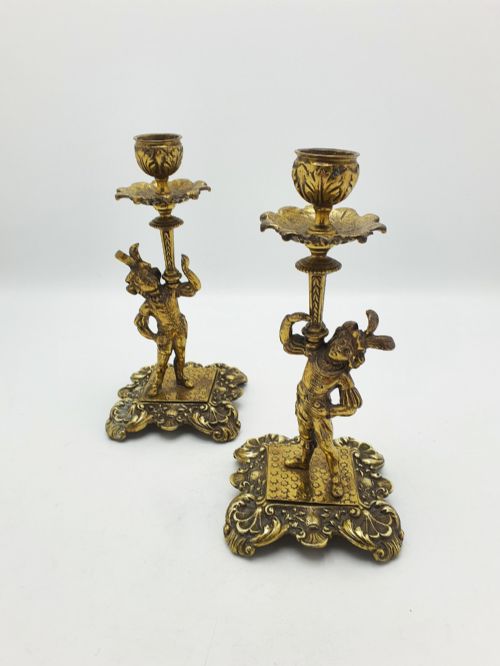
- A branched candlestick designed to hold multiple candles simultaneously. These items frequently feature figural supports like cherubs and can be converted into electric lamps.
- Girondelle
- A wall-mounted mirror with attached candle arms that multiply the illumination in a room. The reflective glass works alongside the gilt frame to brighten dark corners.
- Toleware
- Painted or lacquered metalware used for shades and decorative containers on antique lamps. It provides a colourful contrast to adjacent ormolu and porcelain elements.
Rococo Revival Gilt Light: Frequently Asked Questions
How do I clean gilt bronze?
Dust gently with a soft, dry brush to prevent accumulation in the intricate recesses of the casting. Avoid abrasive polishes that strip away the delicate gilt surface.
Moisture can damage older wiring and underlying materials, so keep all cleaning strictly dry unless handled by a professional restorer.
Were these lamps originally electric?
Most pieces originated as oil lamps or candleholders during the nineteenth century and were adapted for electricity at a later date. This conversion process often involves drilling through the base or stem to accommodate modern wiring.
Collectors look for professional conversions that preserve the structural integrity of the original ormolu and porcelain bodies without causing excessive damage.
How can I date a piece?
Examine the casting quality, the style of the mounts, and the materials used, comparing them against documented nineteenth-century revival periods. Heavy bronze casting and mercury gilding generally point toward earlier nineteenth-century production.
Maker marks, screw types, and the composition of any associated porcelain provide further clues to narrow down the decade of manufacture.
Are converted items still valuable?
Conversion is standard practice for antique lighting because it allows historic items to function safely in contemporary homes. The quality of the original bronze work and porcelain remains the primary driver of value.
Provided the conversion respects the antique components and uses reversible methods, collectors readily accept electrified pieces.