
French Rococo Ceiling Pendant
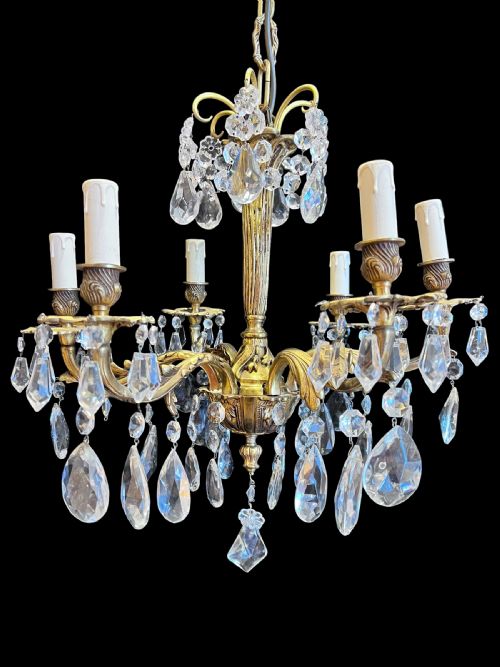
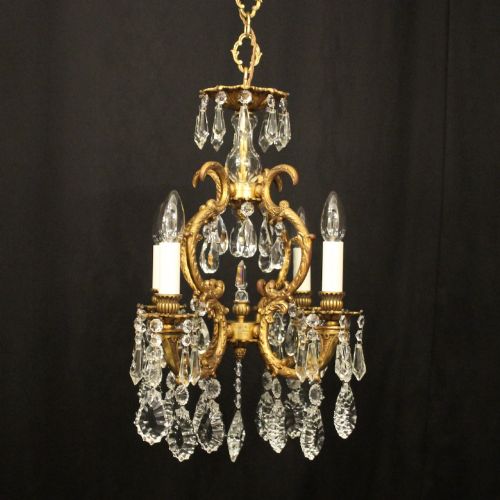
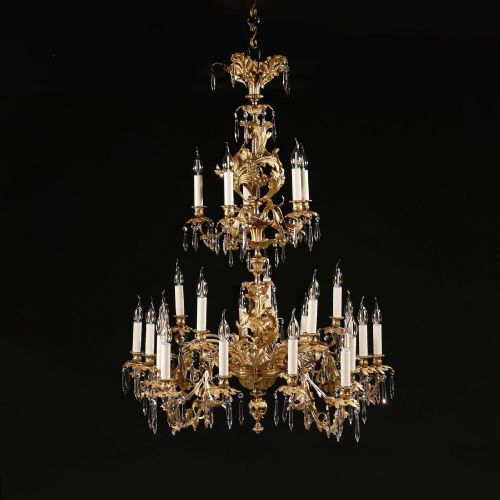
A french rococo ceiling pendant brings cascading crystal and ornate gilded bronze directly into a room, capturing the lavish spirit of eighteenth-century design.
French Rococo Ceiling Pendant
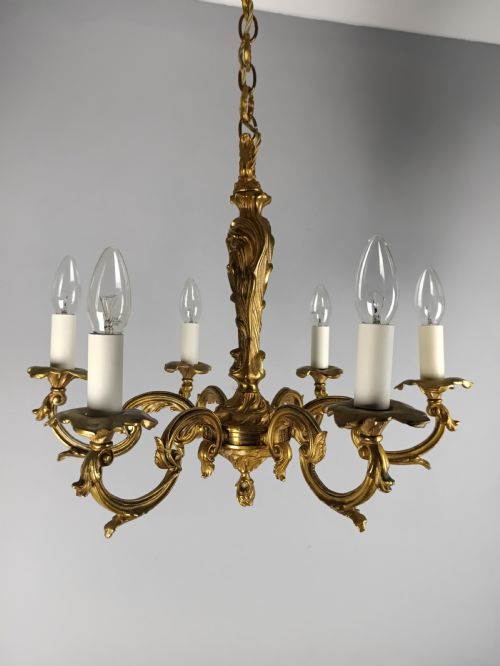
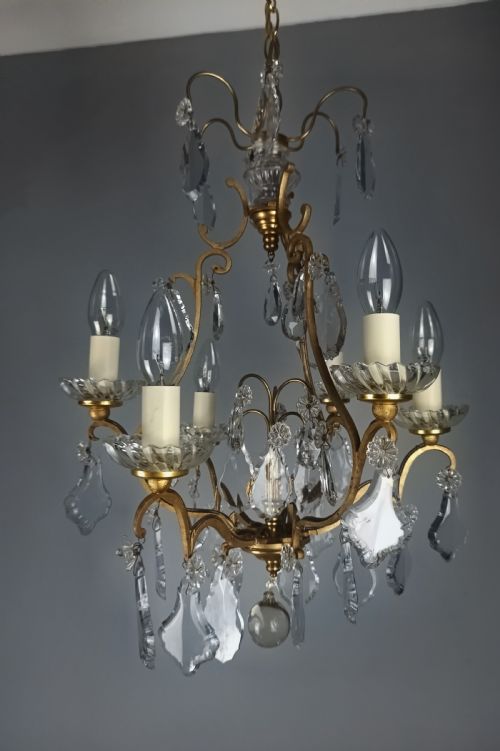
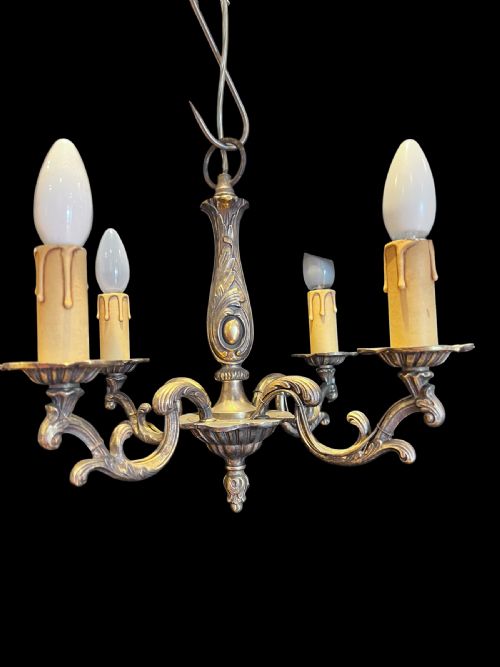
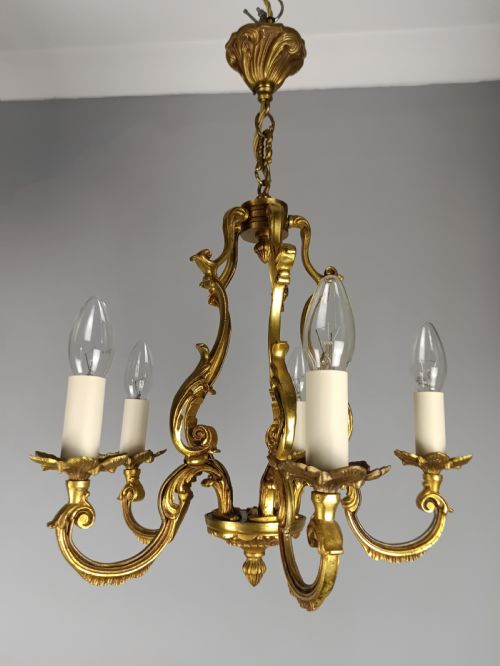
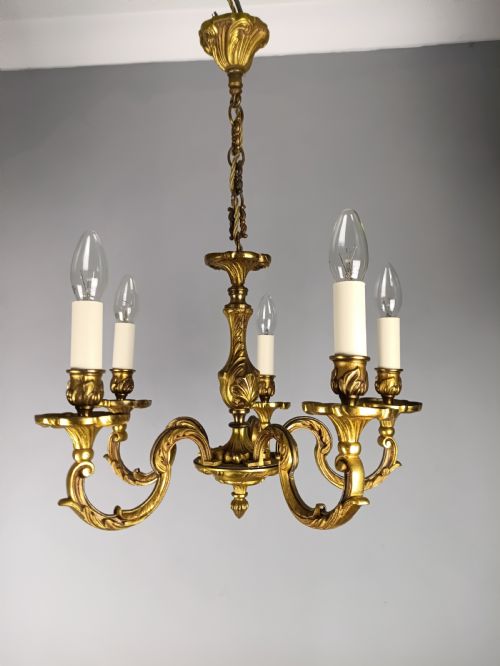
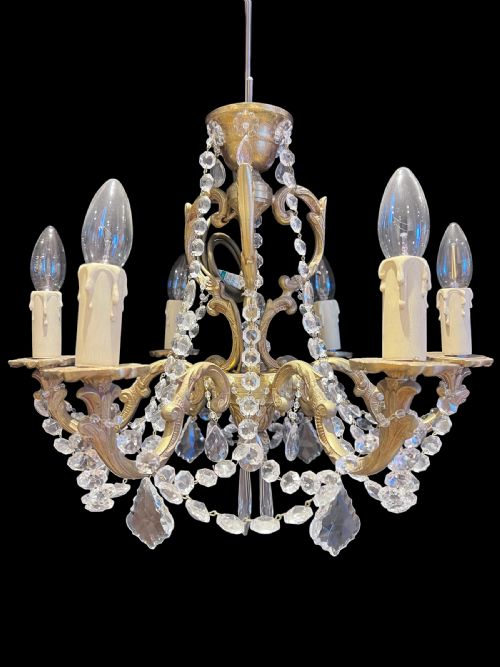
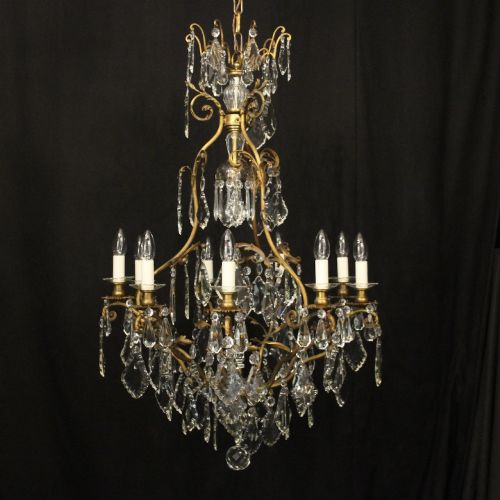
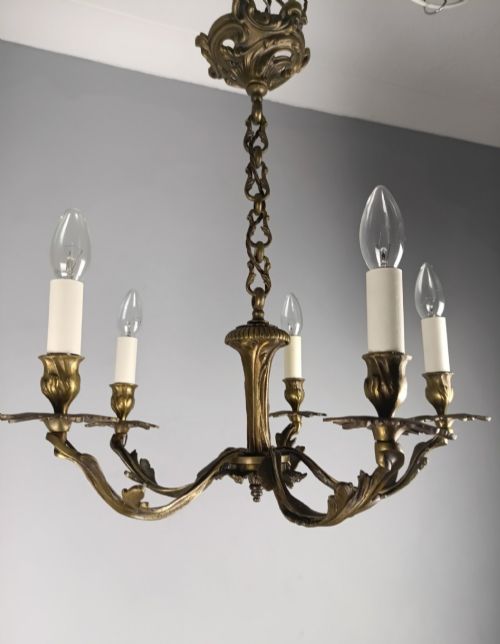
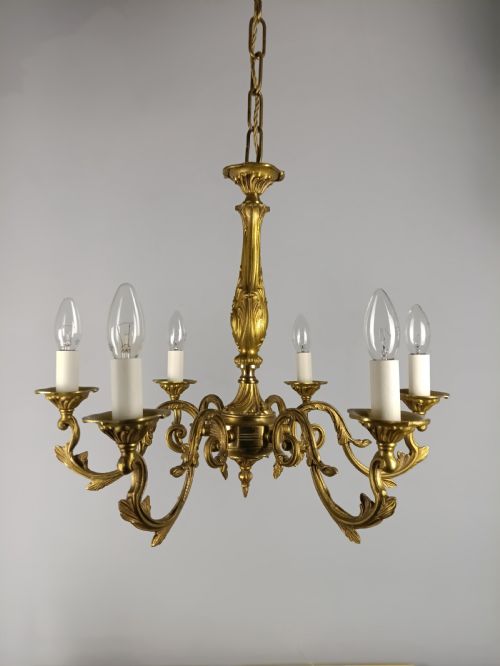
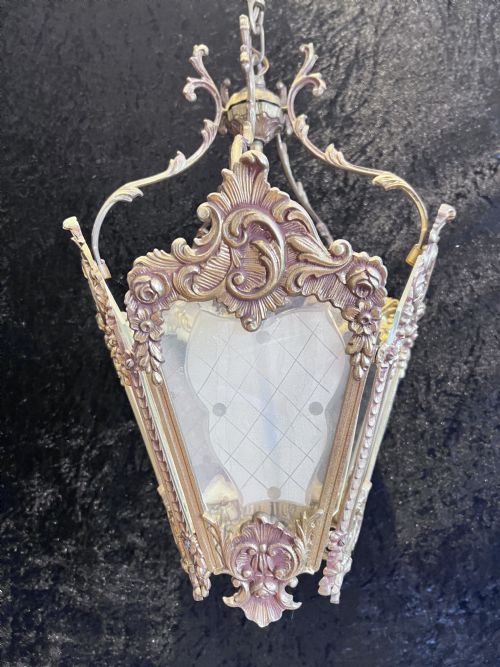
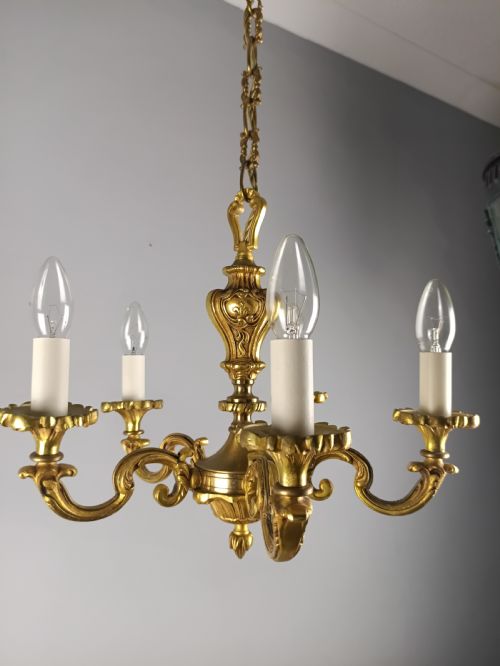
A french rococo ceiling pendant encompasses elaborate hanging light fixtures designed in the ornate, asymmetric style associated with periods like the nineteenth century and the early decades of the twentieth century. These pieces draw heavily on French Chateau and Louis XV aesthetics, taking the form of multi-arm chandeliers, hall lanterns, and birdcage fixtures.
Most examples found here date from the late nineteenth century through to 1930, reflecting sustained revivals of Rococo taste across Europe. They serve as dramatic overhead focal points in domestic interiors, distributing illumination through arrangements of exposed bulbs or candles framed by metal and glass.
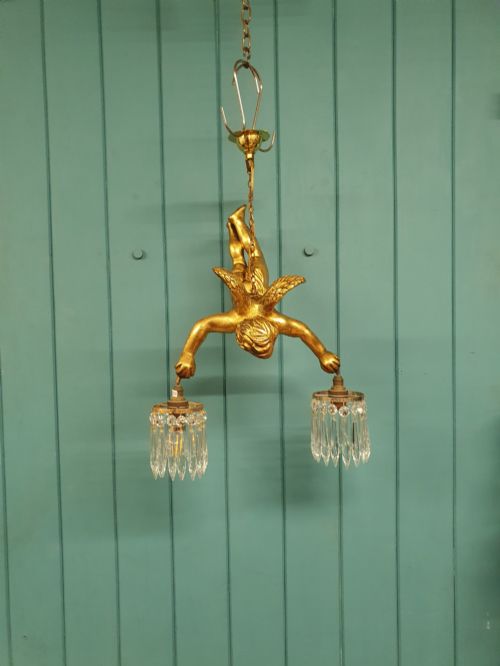
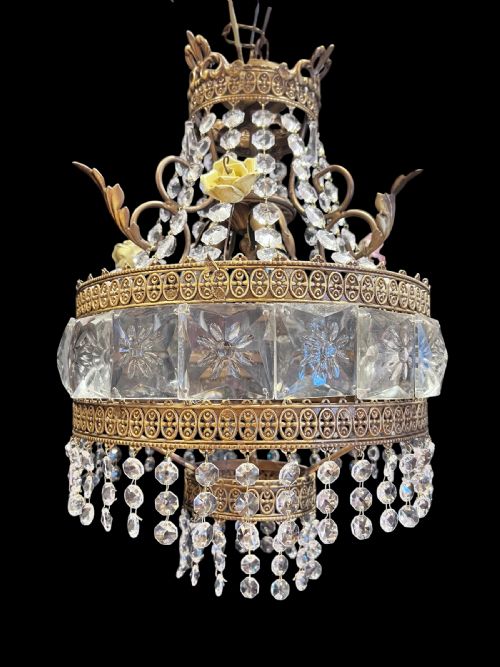
The physical form varies from compact single-light hanging lanterns to sprawling multi-tier chandeliers holding up to twenty-five lights. Buyers encounter brass, bronze, and gilt structures adorned with glass drops, crystal spikes, and occasionally porcelain flowers or winged figures.
Materials and construction methods
Metalwork forms the structural backbone of these fixtures, utilising cast bronze, gilt brass, and wrought iron shaped into flowing, naturalistic curves and asymmetrical scrolls. Gilding or plating imparts a rich metallic sheen, while darker patinated bronze provides a more subdued, restrained appearance.
Pendants incorporate cut glass and crystal drops suspended from frames to refract light across a space. Makers also integrated specialised elements like porcelain flowers, polychrome paintwork, and carved giltwood to heighten the decorative complexity of the central cage or arms.
Listings feature items dated across the nineteenth century, 1900, 1910, 1920, and 1930, predominantly adhering to French Rococo and Louis XV Revival styles.
Distinctions in manufacture and design
Quality rests in the crispness of the metal casting and the depth of the chased detail across bronze and brass components. Finer pieces display sharply rendered foliage and scrollwork rather than soft, generalized contours.
The grade of the crystal and the method of glass cutting dictate how effectively the pendant refracts light. Superior assemblies use hand-cut glass drops that retain sharp facets and secure bindings rather than pressed glass alternatives.
The French Rococo Ceiling Pendant Glossary
- Gilt bronze
- Metal alloy cast and treated with a gold layer or mercury gilding to produce a luminous finish. It provides durability alongside a decorative sheen that resists tarnishing over decades.
- Birdcage chandelier
- A lighting form featuring a central metal framework shaped like an aviary, draped with strings of crystal beads and drops. This structure allows light to cascade through concentric tiers.
- Hall lantern
- An enclosed hanging light designed for corridors or entranceways, typically featuring glazed panels set within a decorative brass or bronze frame. These serve as functional transition lighting.
- Spelter
- A zinc alloy frequently utilised as a cost-effective substitute for bronze in decorative figures such as cherubs. It accepts metallic finishes well while reducing the overall weight of the hanging fixture.
- Rococo Revival
- A nineteenth-century design movement that reinterpreted the asymmetrical curves, C-scrolls, and natural motifs of the original French Louis XV period. This aesthetic dominates the revival chandeliers produced around 1900 and 1930.
French Rococo Ceiling Pendant: Frequently Asked Questions
How do I hang a heavy antique chandelier?
Suspension requires fixing directly into the ceiling joists or structural timber using a rated metal hook and chain capable of supporting the full weight of the bronze and crystal frame. Professional installation ensures the electrical wiring meets current standards safely.
Heavier multi-light fixtures demand reinforced ceiling brackets to distribute the load evenly across the ceiling structure without damaging plaster.
Were these fixtures originally electrified?
Most surviving examples from the late nineteenth and early twentieth centuries were manufactured or later adapted for electricity, replacing earlier candle sockets. Wiring inside the central channel connects individual arm candles to the main power supply.
Rewiring older metal fixtures is standard practice during restoration to ensure safe daily operation in modern homes.
How do I clean crystal pendants safely?
Cleaning involves removing individual glass drops and crystal spikes to wash them in warm soapy water before drying with a soft cloth. Leaving crystals attached while spraying cleaning fluids risks damaging the surrounding metalwork and old wiring.
Regular dusting with a feather duster prevents grime buildup on the gilt bronze arms and glass elements between deeper cleanings.
What rooms suit a French rococo pendant?
These ornate hanging lights suit high-ceilinged reception rooms, dining areas, and grand entrance halls where their scale and reflective crystals can dominate the space. Smaller single-light lanterns function effectively in compact hallways or landings.
The reflective qualities of gilt brass and cut glass amplify available light in darker domestic interiors.