
Rococo Revival Bronze
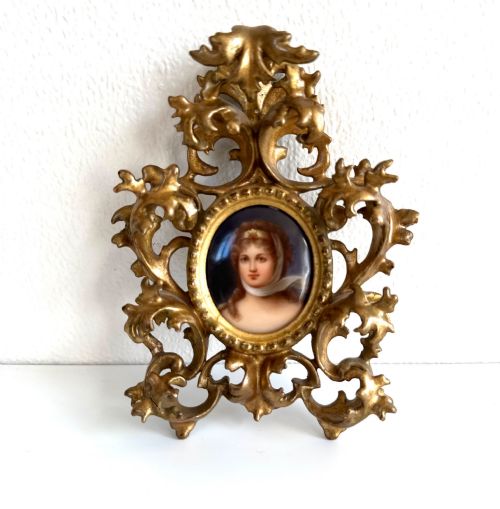
These rococo revival bronze pieces combine gilt metal work with ornate French styling from the nineteenth century.
Rococo Revival Bronze
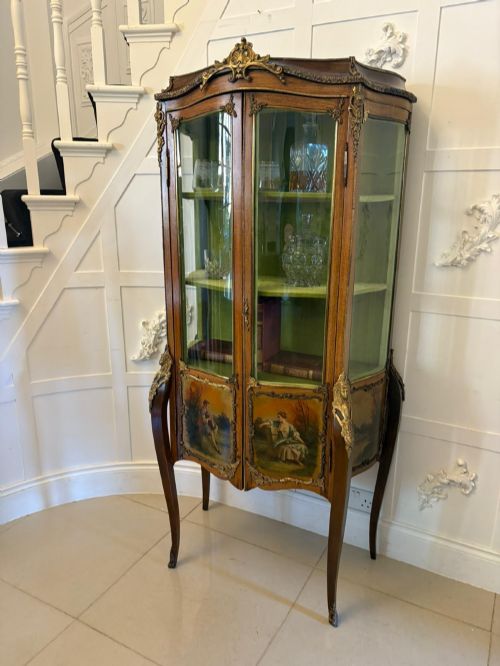
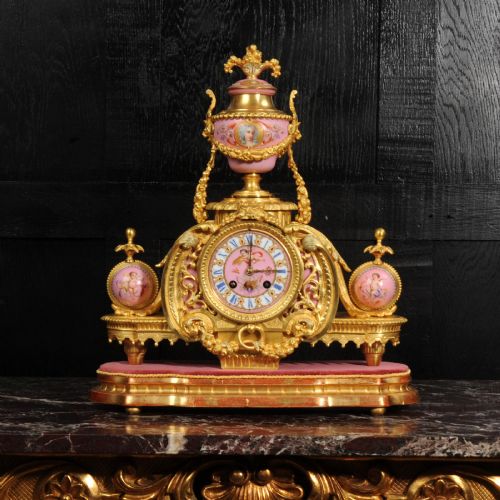
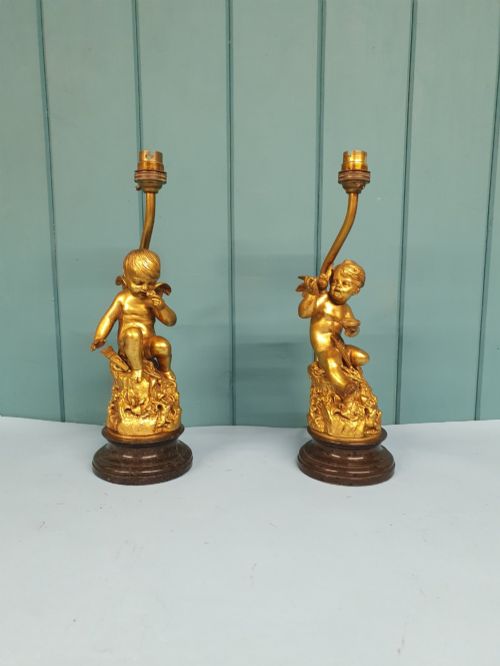
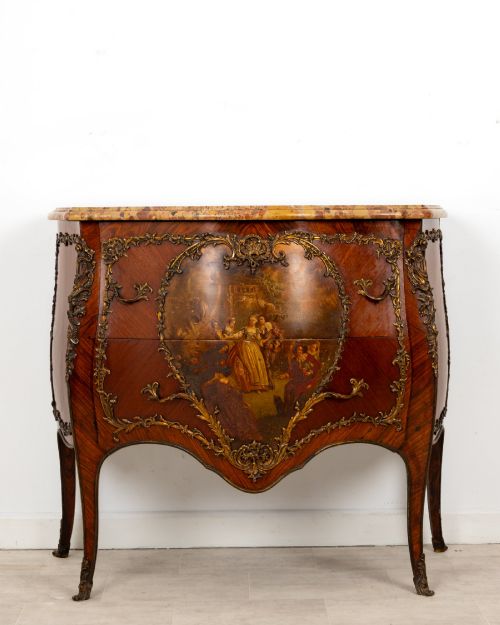
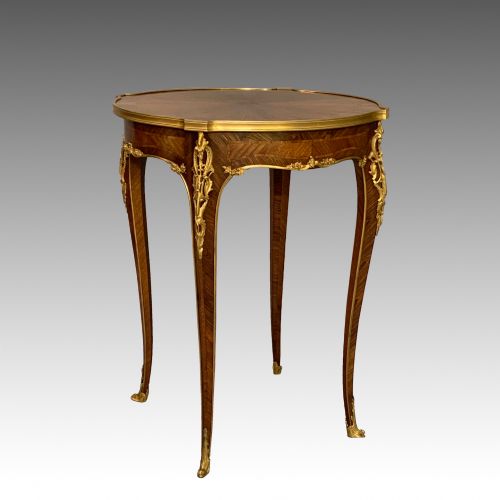
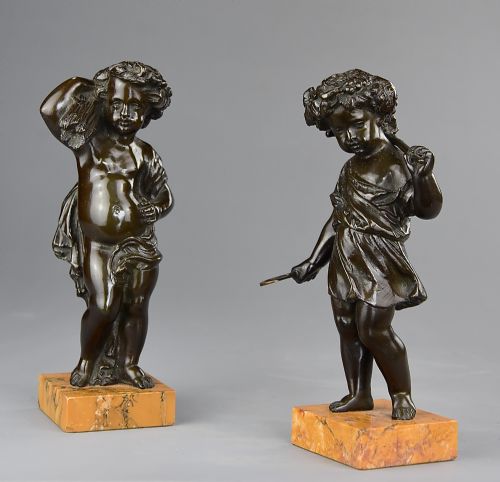
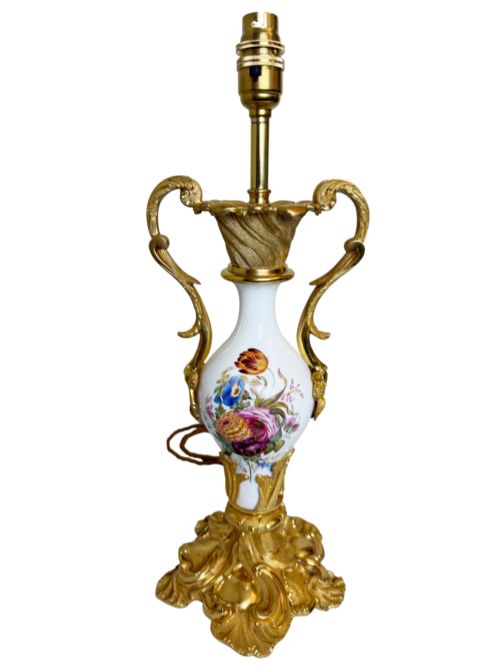
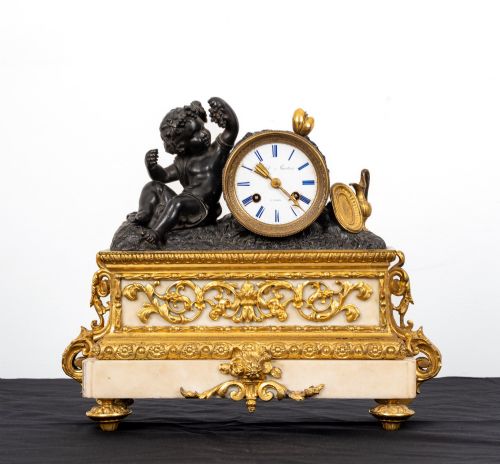
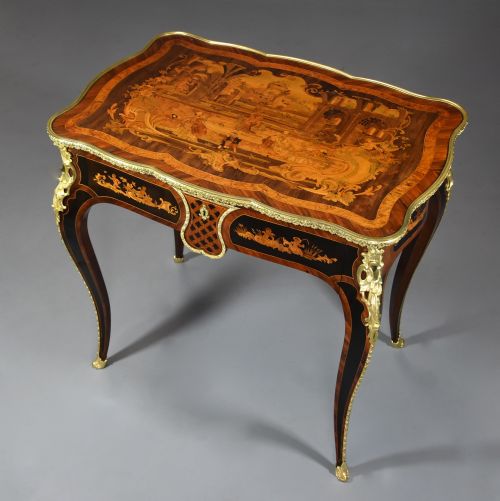
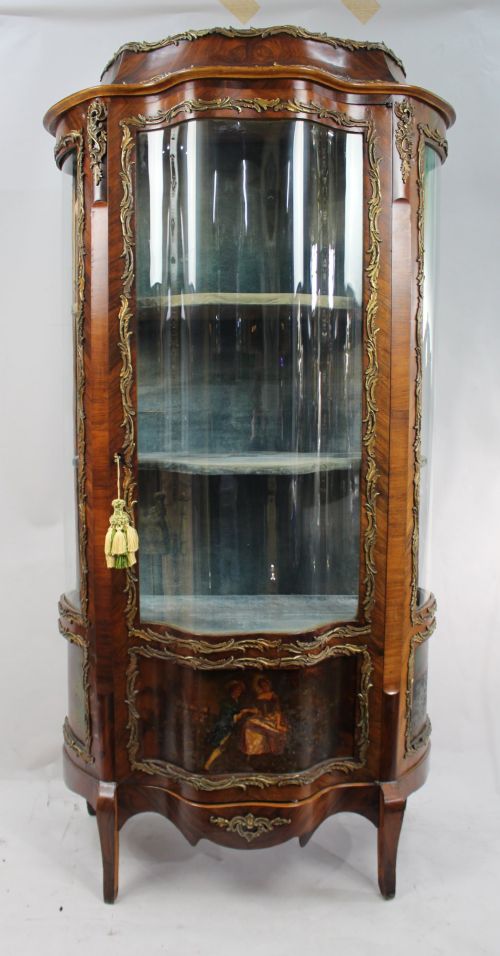
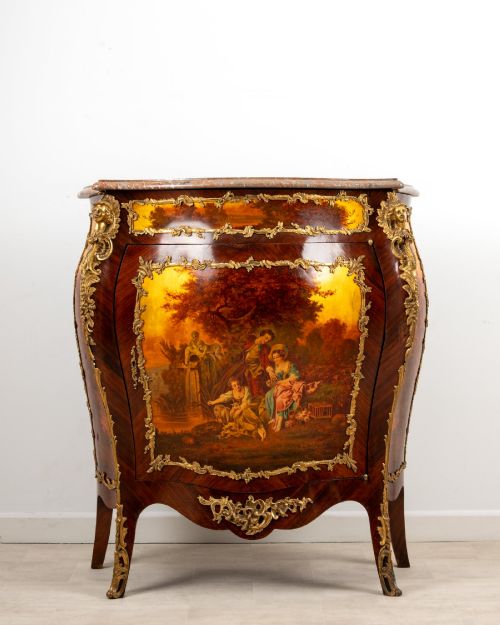
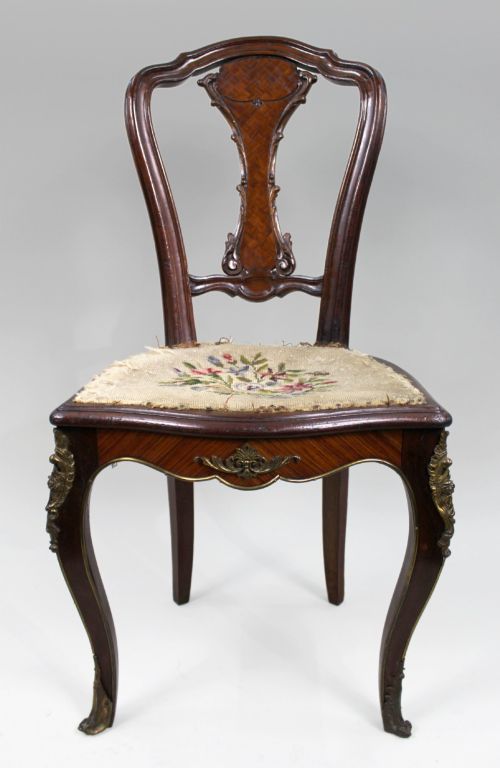
When you search for rococo revival bronze, you encounter decorative items and furniture created during the nineteenth century. The selection ranges from mantel clocks and table lamps to vitrines, commodes and candelabras produced in French Louis XV revival styles.
You are most likely to meet pieces involving gilt bronze and ormolu mounts combined with kingwood, porcelain and marble. These items reflect the elaborate tastes of the Victorian and Napoleon III periods, often bearing markers of Parisian craftsmanship.
How they were made
Craftsmen shaped these items using cast bronze, which received a gilt or ormolu surface finish to achieve a bright, reflective quality. Structural wooden carcases utilised kingwood veneers, marquetry and parquetry patterns.
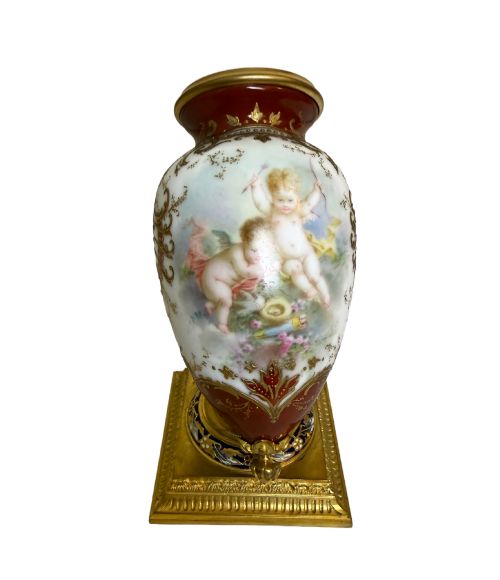
Makers integrated decorative elements such as Sèvres porcelain plaques, enamel panels and hand-painted Vernis Martin scenes. Marble tops and brass fittings completed the construction of tables, desks and cabinetry.
Listings feature items from the nineteenth century, including Victorian and Napoleon III periods, utilising gilt bronze, ormolu, kingwood, porcelain, enamel and marble.
What varies in quality
The sophistication of the bronze casting and the crispness of the chasing separate standard items from superior works. Finer examples display deeply detailed foliage and figurative modeling that requires skilled manual finishing.
The selection of timber veneers and the execution of marquetry inlay also indicate the workshop standard. Well-preserved gilding and original porcelain components elevate the overall execution of clocks and decorative mounts.
Achille Brocot·Joseph-Emmanuel Zwiener·CH. Jeanselme & Co·Siffel & Cartier·François Linke
The Rococo Revival Bronze Glossary
- Ormolu
- Gilt bronze ornamentation applied to furniture, clocks and candelabras. This technique involved coating a metal object with a mercury and gold amalgam before heating.
- Vernis Martin
- A type of simulated Japanese lacquer developed in France. Artisans applied multiple layers of varnish to produce glossy decorative panels featuring painted scenes.
- Champlevé
- An enamelling technique where troughs or cells are hollowed out in the metal surface and filled with vitreous enamel before firing.
- Boulle
- A form of marquetry consisting of tortoiseshell and brass inlay developed in France. It appears frequently on nineteenth century cabinets and clocks.
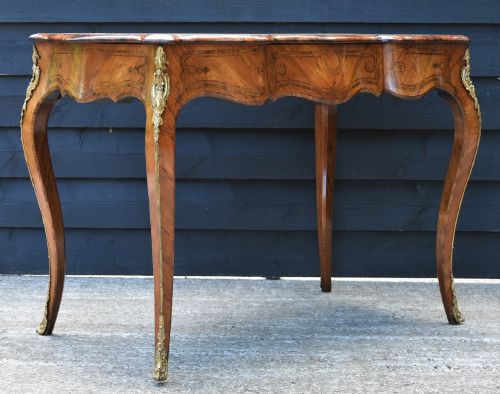
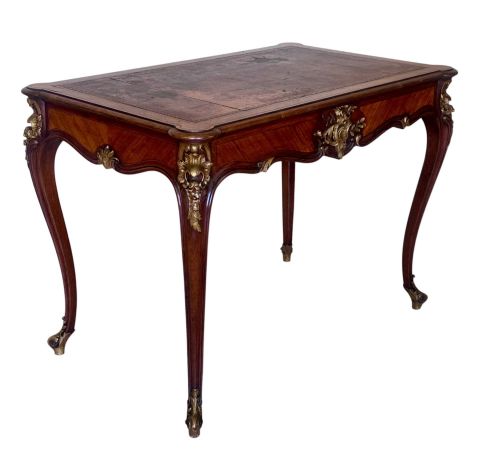
- Bureau Plat
- A flat-topped writing desk fitted with drawers, originating in France. These desks often feature cabriole legs and gilt bronze mounts.
Rococo Revival Bronze: Frequently Asked Questions
What is rococo revival bronze?
Rococo revival bronze encompasses decorative metalwork, clocks and furniture created in the nineteenth century using the asymmetrical scrolls and naturalistic motifs of the eighteenth-century French style.
These pieces rely on cast bronze and ormolu mounts, frequently paired with porcelain, marble or kingwood to create ornate domestic objects.
How were these clocks and candelabras used?
Mantel clocks and candelabras served as centrepieces for formal reception rooms and drawing rooms during the Victorian and Napoleon III eras. They provided both functional timekeeping and atmospheric illumination.
Smaller items like jewellery caskets and desk clocks added decorative refinement to private studies and boudoirs.
How do I care for gilt bronze and ormolu?
Gilt bronze and ormolu require gentle dusting with a soft, dry brush to prevent the accumulation of dirt in the recessed areas of the casting. Avoid harsh chemical cleaners or abrasive cloths, which can strip the thin gold layer from the metal surface.
Maintaining a stable room temperature away from direct sunlight protects any underlying wooden carcases, marble tops or porcelain panels.
How can I tell nineteenth century pieces apart?
Nineteenth century pieces often display specific manufacturing signatures, foundry marks or movement stamps on the bronze work and clock mechanisms. The choice of materials, such as genuine Sèvres porcelain plaques or specific kingwood veneers, helps anchor the date of production.
Stylistic shifts between the early Victorian period, the Napoleon III reign and later 1900 designs also reveal the evolution of French revival taste.