







Rococo Porcelain Figure Group
These rococo porcelain figure group pieces bring elaborate eighteenth and nineteenth-century figural scenes into domestic interiors through modelled ceramic sculpture.
Rococo Porcelain Figure Group
A rococo porcelain figure group captures multi-figure figural compositions, pastoral pairs, mythological scenes, and allegorical subjects modelled in ceramic. You will find examples originating primarily from eighteenth-century manufactories alongside nineteenth-century revivals.
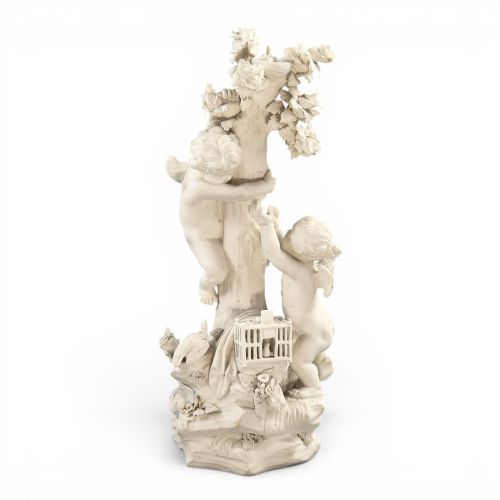
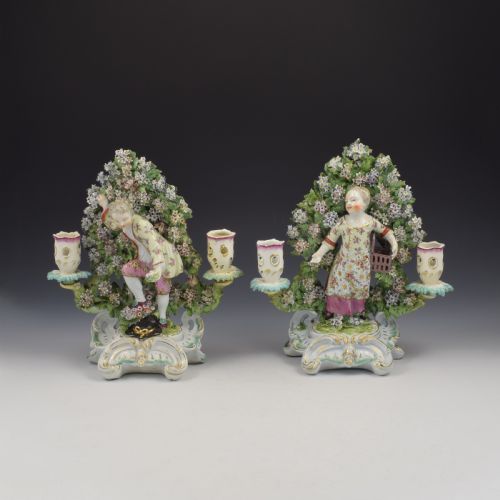
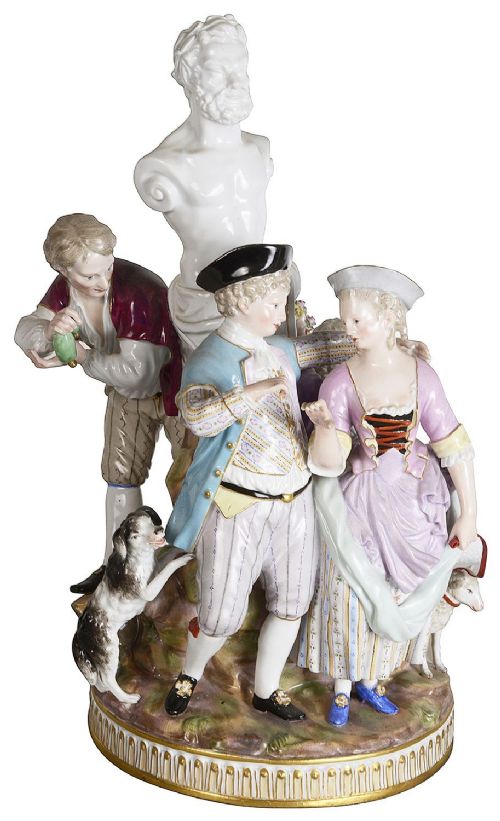
The objects take the form of domestic figurines, large sculptural groups, and bocage candlesticks decorated with foliage. Many pieces depict theatrical characters, children, gardeners, or classical figures arranged upon ornate bases.
How they were made
Manufacturers utilised both soft-paste and hard-paste porcelain, shaping the bodies through intricate moulding before applying detailed enamel painting and gilding. Biscuit porcelain pieces remained unglazed to reveal the fine matte surface of the fired body.
Elaborate models incorporated delicate applied elements such as lace work and bocage backgrounds behind the central figures. Ormolu mounts and wooden components occasionally complemented the fired ceramic sculptures.
Rococo Porcelain Figure Group Retail Price Guide 2026
Typical asking prices for rococo porcelain figure group among the pieces listed under this phrase on Sellingantiques today, from the lower quarter to the upper quarter. They describe what is for sale here now, not the wider market.
What varies in quality
The refinement of the modelling and the precision of the facial expressions dictate the standard of a rococo porcelain figure group. Sculptures with crisp definition in the drapery folds and delicate hand-painted enamel colours represent higher workmanship.
The complexity of the composition, particularly in multi-figure groups with intricate bocage work or applied lace, distinguishes superior examples from simpler productions. Earlier eighteenth-century models generally display sharper detailing than later revival pieces.
Meissen·Derby Porcelain·Bourdois and Bloch Paris·Samson Paris·Ernst Bohne Sohne·Volkstedt·Triebner Ens and Co·Ludwigsburg·Eugene Clauss
The Rococo Porcelain Figure Group Glossary
- Bocage
- Foliate background made of applied porcelain leaves and flowers, often framing eighteenth-century figures. This decorative arborwork surrounds the main subjects in pastoral scenes.
- Hard-paste porcelain
- A vitrified ceramic body composed of kaolin and petuntse, fired at high temperatures. This dense material forms the basis of many German and continental figures.
- Soft-paste porcelain
- An artificial porcelain paste fired at lower temperatures, producing a warm-toned body common in early English and French figures. The glaze often appears softer and more integrated with the paste.
- Biscuit porcelain
- Unglazed ceramic fired to a matte, marble-like finish that highlights fine sculptural detail. Derby and continental factories utilised this finish for classical figures.
- Enamel
- Vitrified colours applied over the glaze and fired again to fix the palette. These mineral pigments provide the polychrome decoration on garments and bases.
Rococo Porcelain Figure Group: Frequently Asked Questions
How are rococo porcelain figure group pieces dated?
Dating relies upon identifying factory marks, the composition of the ceramic body, and stylistic traits associated with specific periods. Eighteenth-century models display distinct potting characteristics compared to nineteenth-century revivals.
Examination of the base, glaze texture, and enamel palette helps establish the chronological origin of individual sculptural groups.
What subjects do these figure groups depict?
The pieces portray mythological narratives, theatrical characters, allegorical figures representing seasons or elements, and romantic pastoral pairings. Common themes include courtly pastimes, children at play, and classical deities.
Figures often interact within detailed natural or architectural settings framed by foliage and rococo scrollwork.
How should I display porcelain figures at home?
Display requires stable shelving situated away from direct sunlight and heavy foot traffic to protect delicate protruding elements. Enclosed cabinets provide secure housing for pieces featuring fragile bocage or applied lace.
Proper placement ensures the intricate modelling and hand-painted details remain visible from multiple angles.
What is the difference between hard-paste and soft-paste?
Hard-paste porcelain uses natural clay and stone fired at high temperatures to create a durable, vitreous body. Soft-paste employs artificial glass mixtures fired at lower heats, yielding a softer texture and distinct glaze appearance.
Factory origins and manufacturing periods often dictate which paste composition appears in a specific figure group.