



Rococo Porcelain Candle Sconces
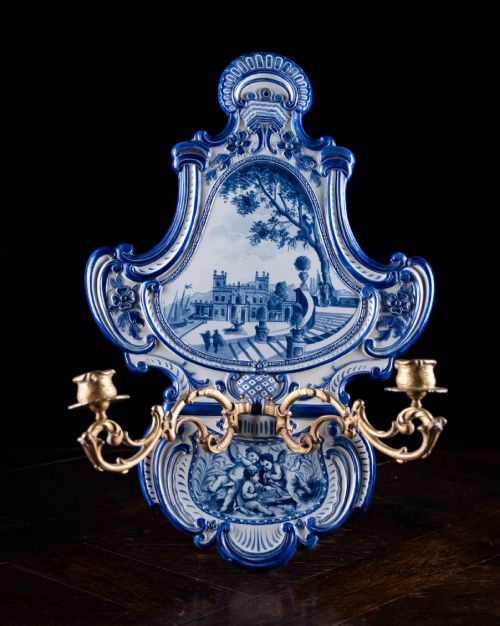
These rococo porcelain candle sconces bring together moulded ceramic figures and gilt metal mounts to light a room with eighteenth-century flair.
Rococo Porcelain Candle Sconces
When you search for rococo porcelain candle sconces, you encounter wall lights, single candle sconces, and candelabra that combine glazed ceramic bodies with metal branches. These pieces span the eighteenth century through to later revival periods, bringing together sculptural figures and functional illumination.
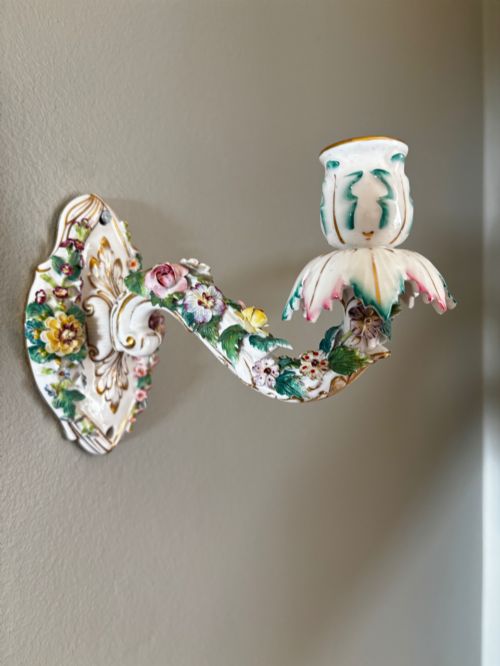
The versions most common on this page pair nineteenth-century porcelain figures with ormolu or brass mounts, often featuring floral bocage and scrolling leaf motifs. Alongside these sit earlier eighteenth-century examples from factories like Derby, demonstrating the enduring appeal of asymmetrical rococo design.
How they were made
Maker's workshops built these objects using hard-paste porcelain or ceramic bodies, shaped by hand or in moulds to create figures, animals, and naturalistic floral backgrounds known as bocage. Painters then decorated the surfaces with enamel colours before firing them in kilns to fix the glaze.
Artisans combined the porcelain components with cast ormolu, brass, and gold leaf mounts, securing the metal candle nozzles and arms with mechanical fastenings. This union of ceramic and gilded metal created sturdy wall fixtures capable of supporting lighted candles.
Rococo Porcelain Candle Sconces Retail Price Guide 2026
Typical asking prices for rococo porcelain candle sconces among the pieces listed under this phrase on Sellingantiques today, from the lower quarter to the upper quarter. They describe what is for sale here now, not the wider market.
Listings here feature porcelain wall sconces from the eighteenth century through to the 1930s, utilising materials like ormolu, brass, and hard-paste porcelain.
What varies in quality
The refinement of the porcelain modelling and the crispness of the hand-painting set the better examples apart from standard productions. Finer pieces display delicate facial expressions, intricate folds in clothing, and carefully applied enamel details without blurring.
The weight and finish of the metal mounts also distinguish the range. Superior sconces utilise heavy ormolu or chased brass with sharp relief work that complements the curves of the porcelain, whereas simpler items feature plain or lightly finished metal.
Villeroy and Boch·Meissen·Derby·Sitzendorf·Minton·Samson·Von Schierholz
The Rococo Porcelain Candle Sconces Glossary
- Bocage
- The delicate background of leaves and flowers modelled in porcelain around figural groups. This decorative foliage surrounds the main subjects to mimic natural shrubbery.
- Ormolu
- Gilded bronze or brass used for mounts and decorative trims. This material adds metallic lustre and structural support to ceramic wall lights.
- Hard-Paste Porcelain
- A dense, vitrified ceramic material fired at high temperatures. It provides a durable body for detailed sculptural figures and candle fittings.
- Candelabra
- Branched lighting fixtures designed to hold multiple candles. These pieces often incorporate figural porcelain pillars and metal arms.
- Rococo Revival
- A nineteenth-century artistic movement that imitated the asymmetrical scrolls and natural motifs of the eighteenth century. This style dominates the later wall sconces found here.
Rococo Porcelain Candle Sconces: Frequently Asked Questions
How do I hang a porcelain wall sconce?
These wall lights typically feature built-in hanging loops or metal backplates designed to secure directly onto sturdy wall fixings. Because porcelain and ormolu carry considerable weight, use appropriate wall plugs and screws rather than standard picture hooks.
Ensure the weight rests fully on the wall mount before releasing the piece, and keep the fixtures away from high-traffic areas where accidental knocks might occur.
Can I burn real candles in these sconces?
While these pieces were originally constructed for illumination, modern use requires caution regarding heat and dripping wax. Standard candles will fit the metal or porcelain nozzles, but flame proximity can damage delicate painted enamels or brittle porcelain bocage.
Many collectors prefer to use them unlit as decorative wall art or to fit battery-operated candles to protect the antique material from heat stress and smoke residue.
How do I clean porcelain and ormolu sconces?
Dust these wall sconces regularly with a soft, dry brush to prevent dirt from settling into the crevices of the porcelain figures and floral bocage. Avoid using water, detergents, or abrasive cloths on the painted surfaces, as moisture can lift old enamels.
Metal mounts require minimal intervention; a gentle sweep with a dry microfibre cloth maintains the surface without stripping the gilding or ormolu finish.
How can I tell eighteenth-century pieces from later revivals?
Distinguishing period pieces involves examining the paste quality, glaze texture, and mark styles under magnification. Eighteenth-century ceramics often exhibit softer glaze pooling and hand-mixed enamels unique to early factory methods.
Nineteenth-century revival items, including those from the rococo revival period, display more uniform factory bodies, crisper mechanical mounts, and distinct nineteenth-century maker marks on the underside.