


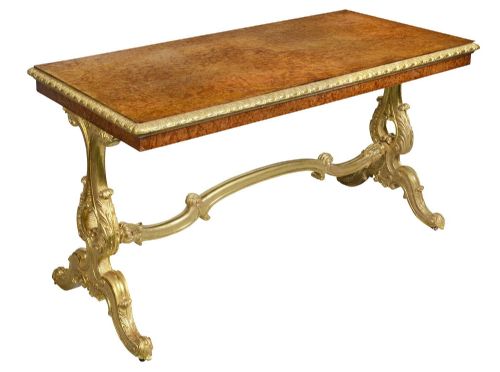

Rococo Gilt Centre Table
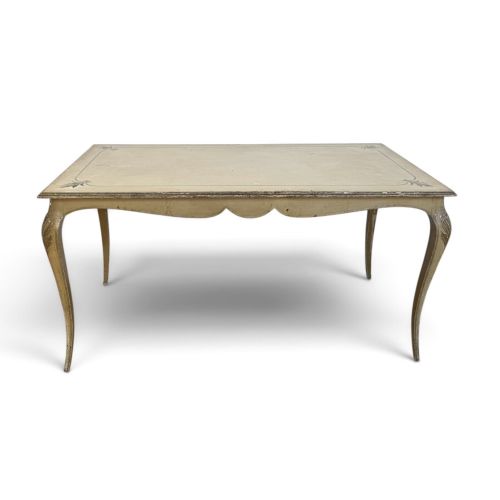
A rococo gilt centre table brings fluid, serpentine lines and gilded brilliance to the middle of a room, serving as a freestanding focal point for display and gathering.
Rococo Gilt Centre Table
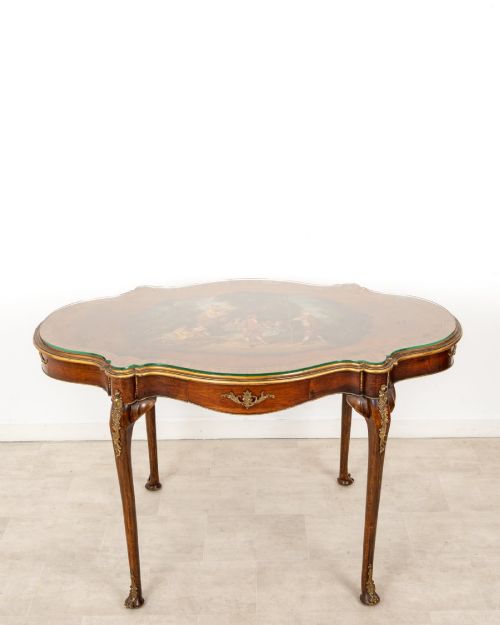
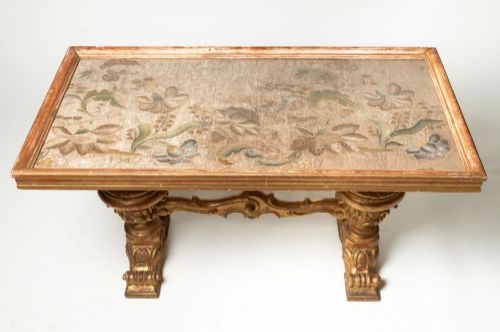
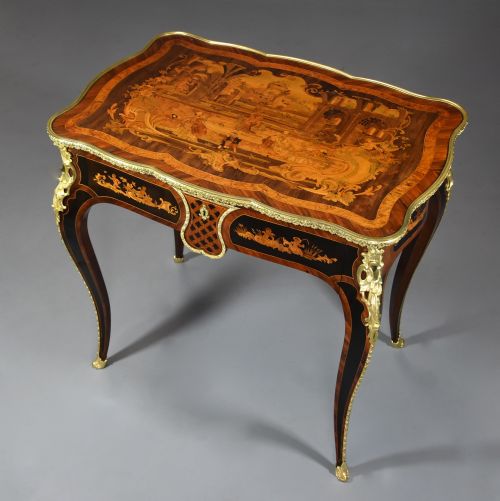
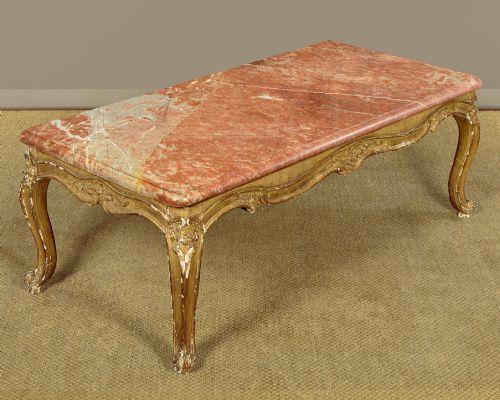
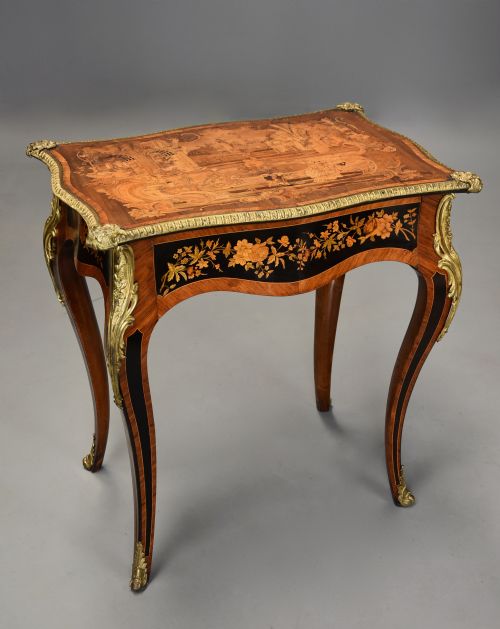
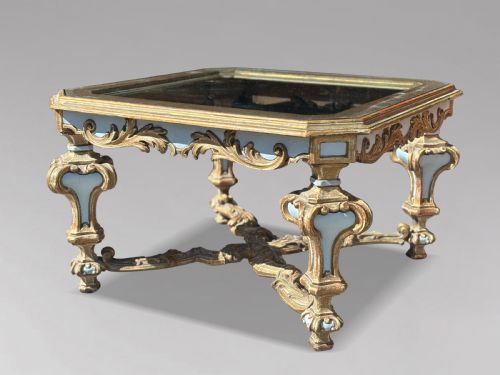
A rococo gilt centre table is a freestanding piece designed to be viewed from all sides, drawing heavily on the asymmetrical curves and naturalistic motifs of the eighteenth-century French taste. When searching for a rococo gilt centre table, you most frequently encounter nineteenth-century revival pieces from Victorian and Edwardian makers working in walnut, kingwood, or carved giltwood.
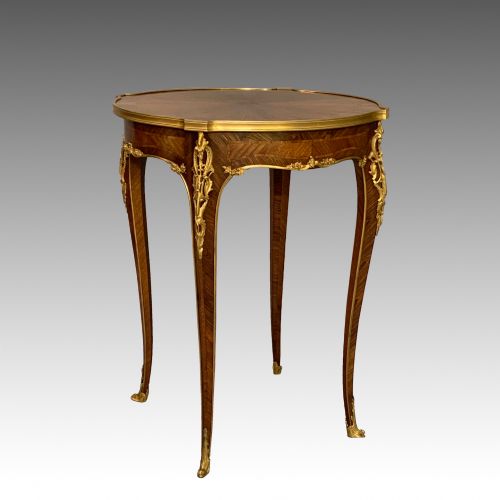
The forms vary across the selection from grand marble-topped guéridons and writing tables to lower occasional tables and coffee tables adapted for modern living. These pieces often incorporate elaborate mounts in ormolu or gilt bronze, echoing the opulent interiors of the court of Louis XV.
Distinctions in craftsmanship
The distinction between standard production and the finest work lies in the depth and precision of the carved detail on the wooden frames and the crispness of the cast ormolu mounts. Master makers integrate structural joints seamlessly beneath elaborate gilding and marquetry, ensuring the table remains stable despite its decorative ornamentation.
Surface finish also dictates the tier of quality, with hand-applied gold leaf and finely polished timber veneers holding up to closer inspection than simpler painted or lacquered alternatives. The weight and integration of fitted marble tops further separate ambitious salon tables from lighter occasional furniture.
Materials recorded across the selection include walnut, kingwood, burr walnut, mahogany, marble, ormolu, gilt bronze, and gold leaf.
Joseph-Emmanuel Zwiener·Zwiener Jansen Sucesseur·Holland + Son
The Rococo Gilt Centre Table Glossary
- Ormolu
- Gilt bronze ornamentation applied to furniture and decorative objects. This technique involves coating a cast bronze base with a finely ground mercury and gold amalgam before heating.
- Guéridon
- A small French table supported by one or more columns or pedestals. These round occasional tables frequently feature marble tops and gilt-bronze mounts.
- Marquetry
- The art of applying decorative pieces of veneer to a structure to form intricate designs. Craftsmen utilise various tinted woods to create floral or geometric patterns across the tabletop.
- Giltwood
- Timber that has been treated and covered with a thin layer of gold leaf. This finish creates a brilliant metallic lustre favoured in ornate revival interiors.
- Kingwood
- A dense, heavily figured timber prized for cabinetmaking. It displays rich brown tones with darker contrasting streaks, commonly used in nineteenth-century French marquetry.
Rococo Gilt Centre Table: Frequently Asked Questions
Where should I place a centre table?
A centre table works best when allowed to stand freestanding in the middle of a room, vestibule, or large hallway rather than pushed against a wall. Because these pieces are finished on all sides with detailed carving or marquetry, they invite viewing from every angle.
In contemporary spaces, lower versions also function successfully as coffee tables positioned before a sofa, provided the room has sufficient space to walk entirely around them.
How do I care for a marble top?
Marble surfaces require gentle cleaning with a soft cloth and warm water, avoiding acidic household cleaners that can etch the polished stone. Using coasters and placemats protects the historical top from moisture rings and scratches.
Period marble is often relatively porous compared to modern engineered stone, so prompt attention to spills prevents permanent staining.
Are these tables sturdy enough for daily use?
Nineteenth-century revival tables are generally robust, but their serpentine legs and elaborate carving require thoughtful handling. They serve well for holding lamps, books, and drinks, though heavy loads or rough treatment should be avoided.
Checking and gently tightening any structural joints periodically helps maintain stability over decades of domestic life.
How do I distinguish revival periods from original antiques?
Most pieces matching this description date from the nineteenth-century revival movements rather than the eighteenth century, showing construction methods, wood preparation, and secondary timbers typical of the Victorian and Edwardian eras. Examining the underside, drawer linings, and cast metal fixings often reveals the technological shifts of later manufacturing.
Stylistic cues also help, as nineteenth-century makers frequently synthesized various French and Italian baroque elements with high technical precision.