
Rococo Gilt Bronze Mount
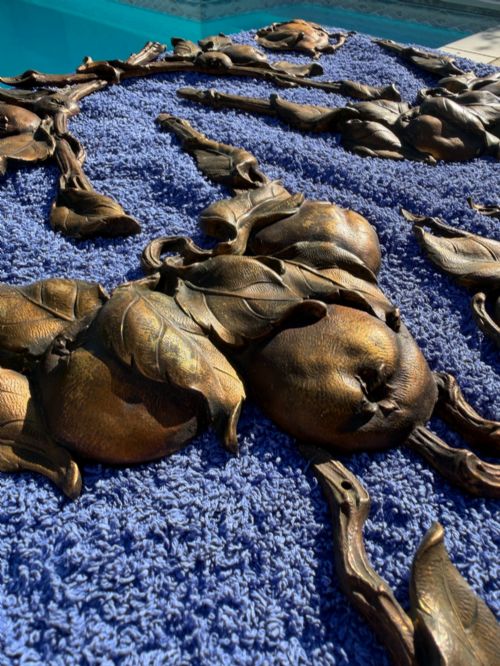
A rococo gilt bronze mount provides the sculptural brass detail on French furniture and clocks, adding the asymmetrical curves and gilded flash that define the revival style.
Rococo Gilt Bronze Mount
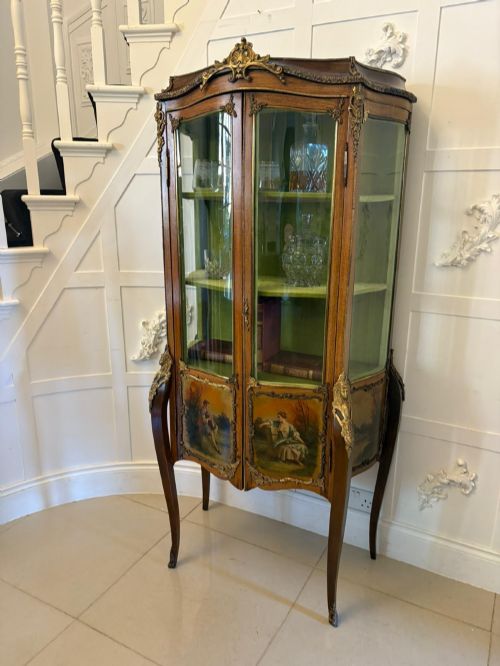
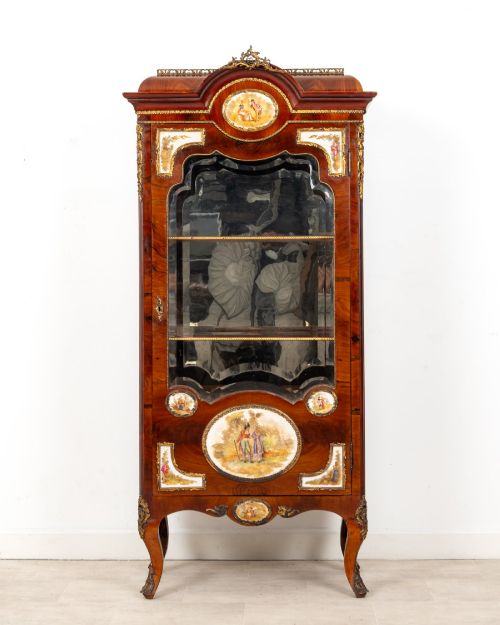
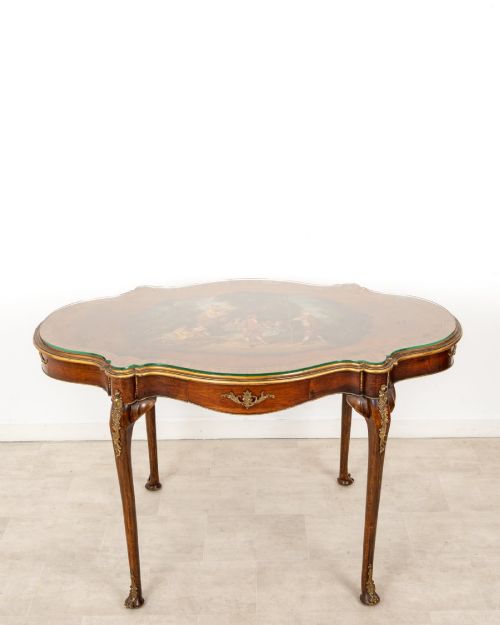
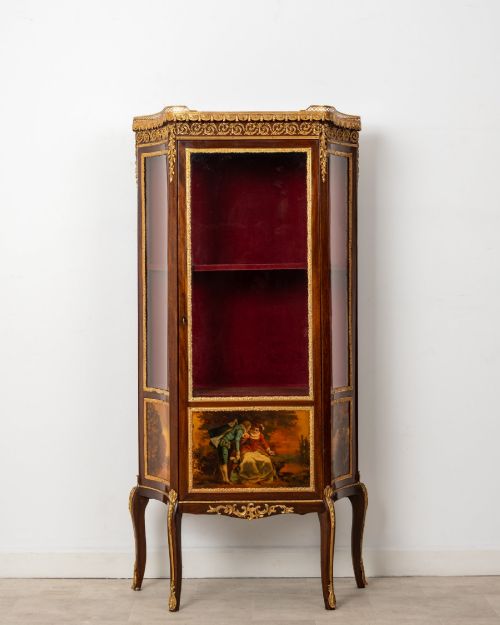
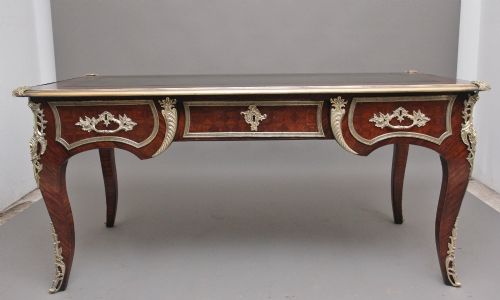
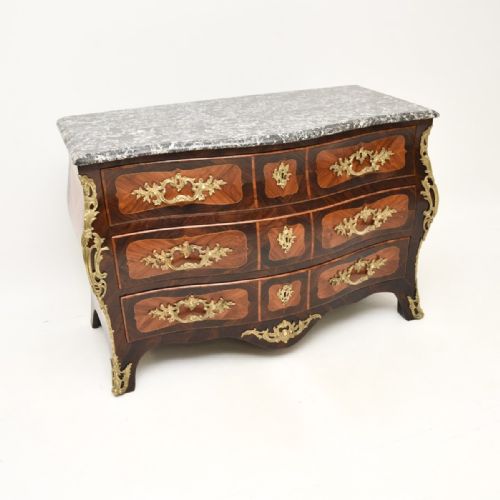
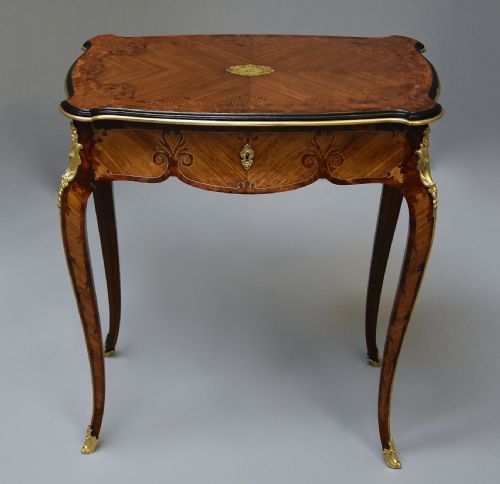
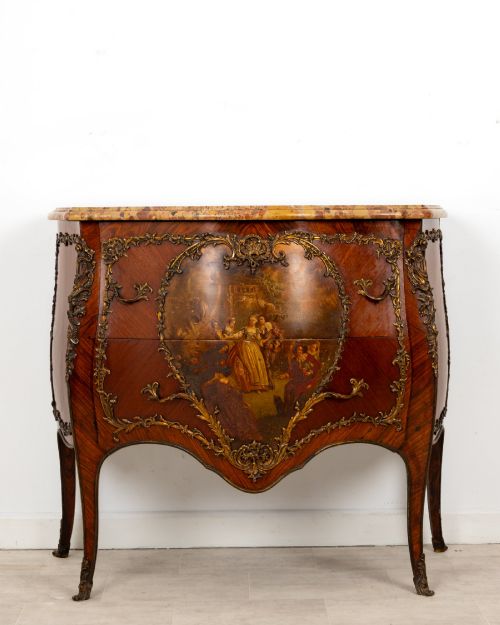
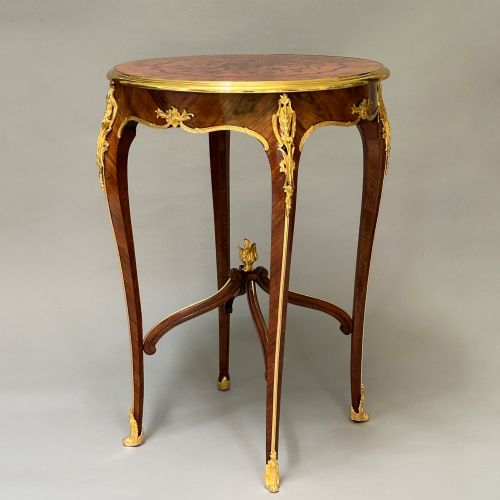
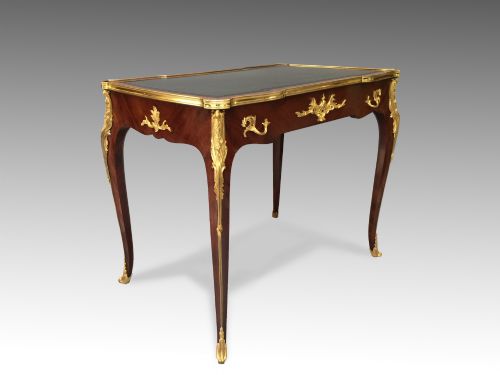
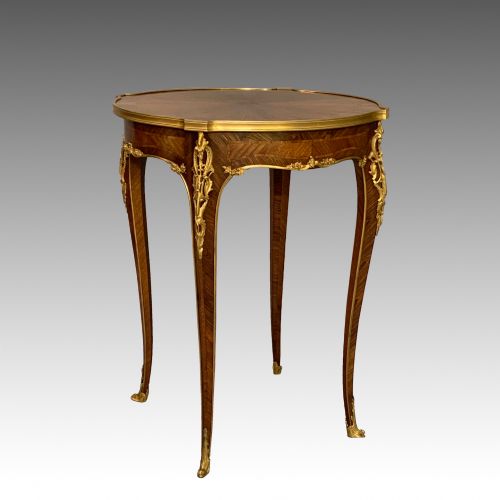
A rococo gilt bronze mount typically appears on desks, display cabinets, commodes, and occasional tables spanning the eighteenth to the nineteenth centuries. These elements include appliques, finials, and decorative surrounds that accent wood veneers and porcelain plaques.
The objects seen here largely reflect nineteenth-century revivals of the Louis XV style, incorporating French rococo motifs into pieces like centre tables and vitrines. Cabinets and desks often combine these bronze elements with kingwood, mahogany, and marble tops.
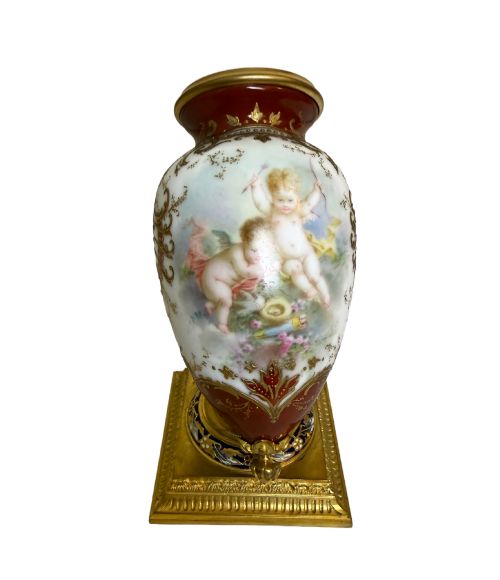
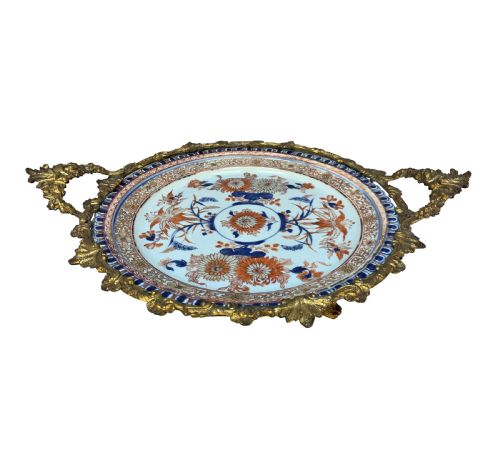
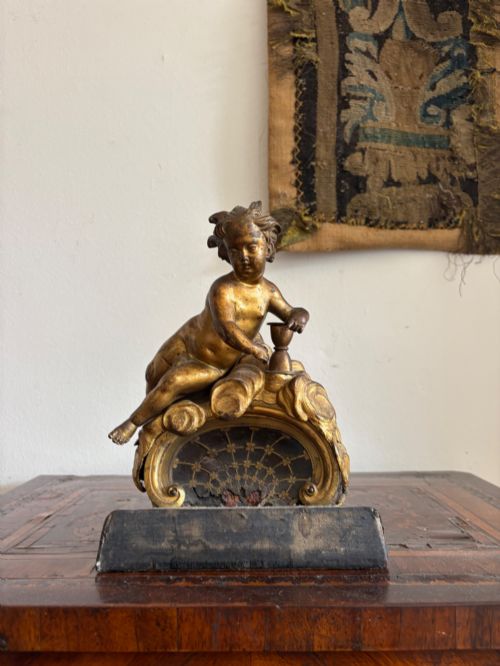
Buyers encounter architectural mountings alongside freestanding items such as mantel clocks and porcelain vases fitted with cast bronze handles or feet. The selection leans heavily toward French workshop production from the Victorian and Edwardian eras.
How they were made
Craftsmen cast the bronze mounts using the lost-wax method or sand-casting techniques before finishing the surfaces with mercury gilding or electroplating. These metal ornaments were then chased by hand to sharpen the leaf and scroll details.
Makers fixed the completed mounts to cabinet carcasses made from kingwood, mahogany, or walnut, often incorporating parquetry, marquetry, and Vernis Martin painted panels. Marble tops and porcelain plaques were integrated into the wooden frames alongside the metal hardware.
Materials paired with these mounts include ormolu, kingwood, mahogany, marble, glass, leather, brass, and porcelain plaques.
What varies in quality
The crispness of the chasing separates standard cast mounts from those produced by leading workshops, where the chiselling gives depth to the acanthus leaves and scrolls. Softer definition in the metalwork points to secondary production or later re-casting.
Cabinetwork quality shows in the precision of the kingwood marquetry, the weight of the marble tops, and the smooth operation of drawers and drop-front desks. Maker attribution also alters the standing of a piece, particularly items bearing signatures from prominent Paris workshops.
Poix Blin·Jacques Bircklé·François Linke·Edwards and Roberts·Joseph-Emmanuel Zwiener·CH. Jeanselme and Co·Durand·E. Kahn·Millet
The Rococo Gilt Bronze Mount Glossary
- Ormolu
- Gilded bronze, produced by applying a gold amalgam to a cast bronze base and heating it to drive off the mercury. This technique gives the metal a deep, warm yellow tone that resists tarnish.
- Vernis Martin
- A type of simulated Japanese lacquer developed by the Martin brothers in eighteenth-century France. It uses successive layers of varnish to create translucent painted panels on furniture.
- Commode
- A low chest of drawers, frequently fitted with a marble top and substantial bronze mounts. The form became central to French interior schemes during the Louis periods.
- Bureau plat
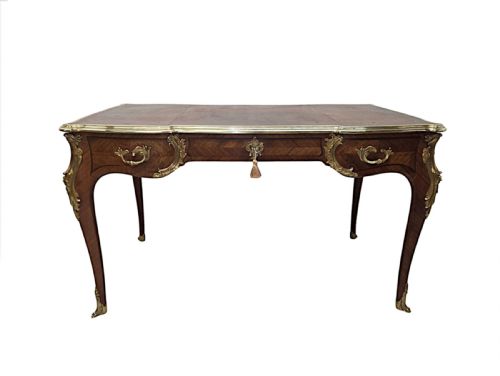
- A flat-topped freestanding writing desk, usually finished with leather inserts and elaborate corner mounts. These desks often feature serpentine frames and multiple drawers.
- Vitrine
- A glass-fronted display cabinet designed to showcase porcelain and small objects. They frequently incorporate gilded mounts around the door edges and glazed side panels.
Rococo Gilt Bronze Mount: Frequently Asked Questions
What is a rococo gilt bronze mount?
A rococo gilt bronze mount is a cast and gilded metal ornament used to embellish furniture frames, clocks, and decorative objects. These mounts feature asymmetrical scrolls, C-scrolls, and floral motifs characteristic of the eighteenth-century French taste.
Such elements were produced in quantity during the nineteenth-century revival periods to add ornamentation to desks, cabinets, and tables. They serve both a structural role in protecting corners and a purely decorative function.
How do I care for ormolu mounts?
Ormolu mounts require gentle dusting with a soft, dry cloth to prevent the accumulation of dirt in the recessed chased details. Avoid using commercial metal polishes or abrasive cleaners, which can strip the thin gold layer from the bronze underneath.
Keep these pieces away from direct sunlight and damp environments to protect both the metal surface and the underlying wood or lacquer. Professional conservation is recommended if the gilding shows signs of wear or flaking.
Are these pieces eighteenth century?
Most items bearing these mounts date from the nineteenth century, reflecting nineteenth-century revivals of earlier French styles. Makers during the Victorian and Edwardian eras frequently recreated Louis XV and Louis XVI designs using traditional manufacturing methods.
While genuine eighteenth-century pieces do exist, the majority of market examples stem from later French workshops and cabinetmakers. Examining the construction methods, wood types, and casting marks helps establish the actual date.
What is Vernis Martin?
Vernis Martin is a decorative varnish technique developed in France to imitate Asian lacquerware. It involves applying multiple coats of coloured varnish and paint to furniture panels, often depicting pastoral scenes or botanical motifs.
Cabinets and desks featuring these panels were frequently enhanced with gilt bronze mounts to frame the artwork. This combination of painted decoration and metalwork defines high-end nineteenth-century display furniture.