


Rococo Framed Wall Art
Rococo framed wall art brings together ornate scrollwork and classical subjects, offering an interior decorative focus rooted in past centuries.
Rococo Framed Wall Art
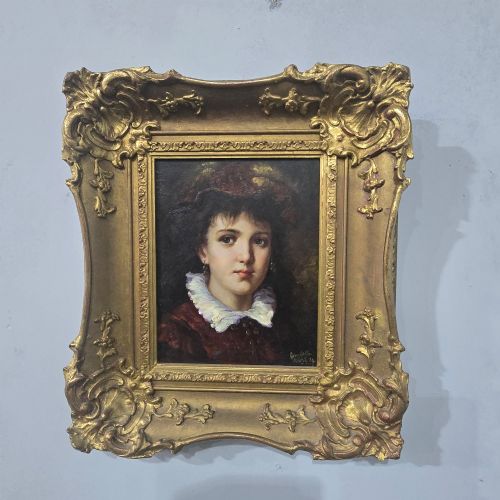
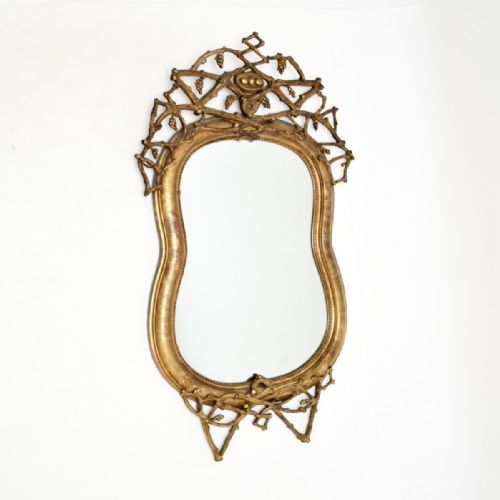
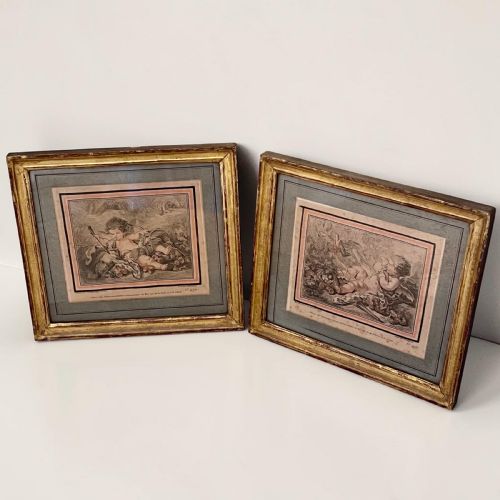
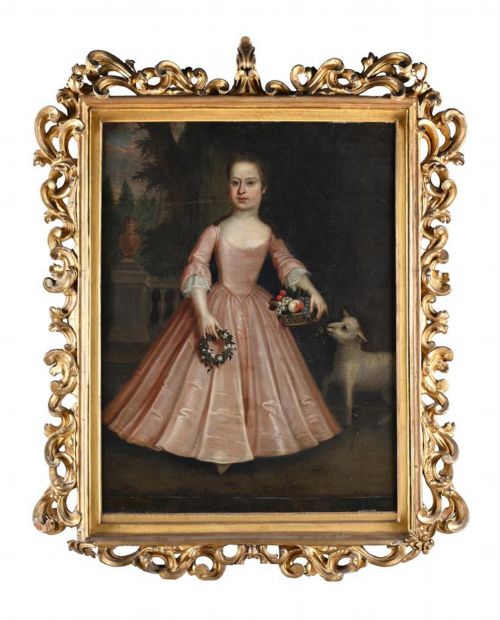
When you search for rococo framed wall art, you encounter a selection spanning oil paintings, engravings, and mirrors set within decorative surrounds.
The objects derive largely from the eighteenth and nineteenth centuries, reflecting French and broader European revivals of earlier classical forms.
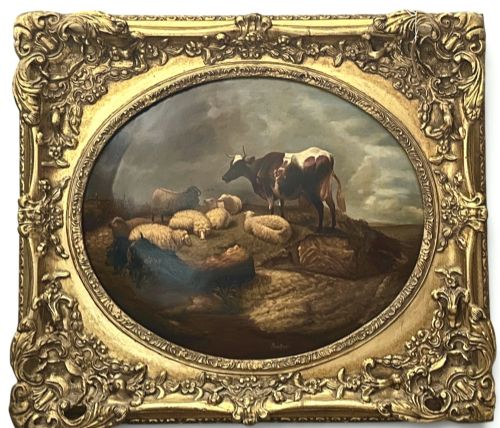
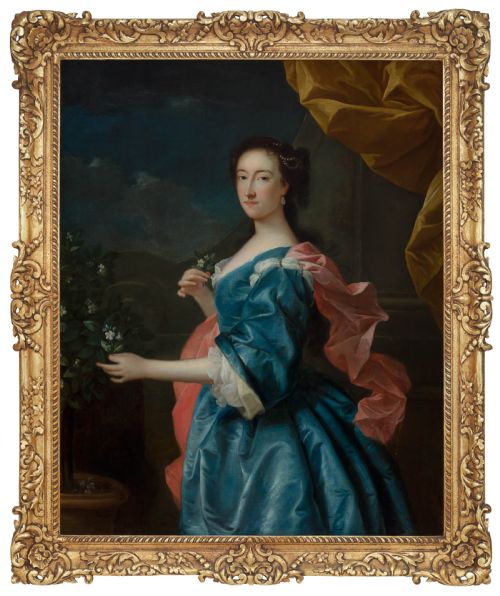
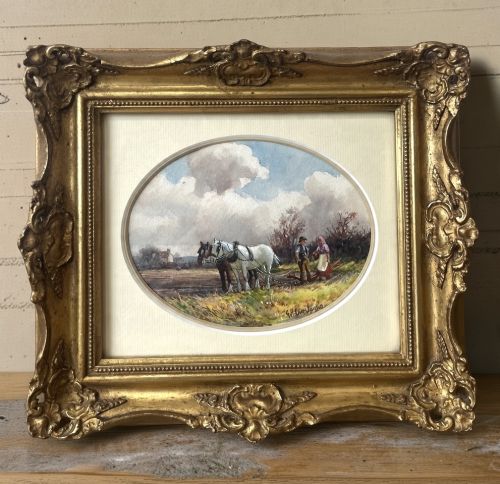
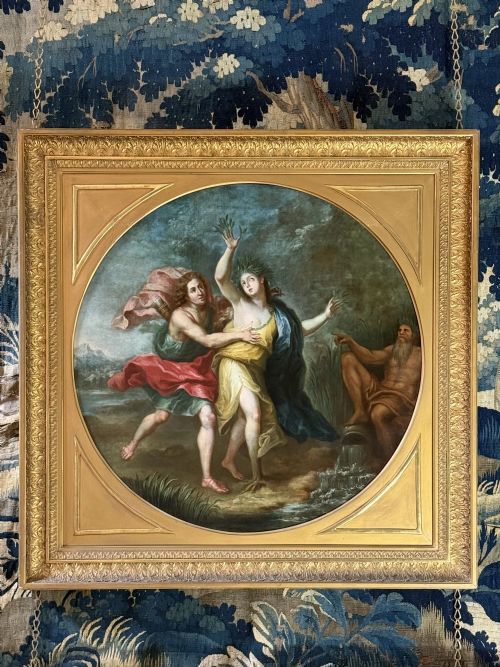
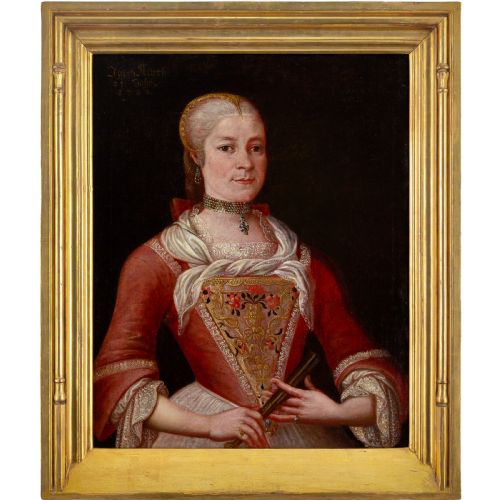
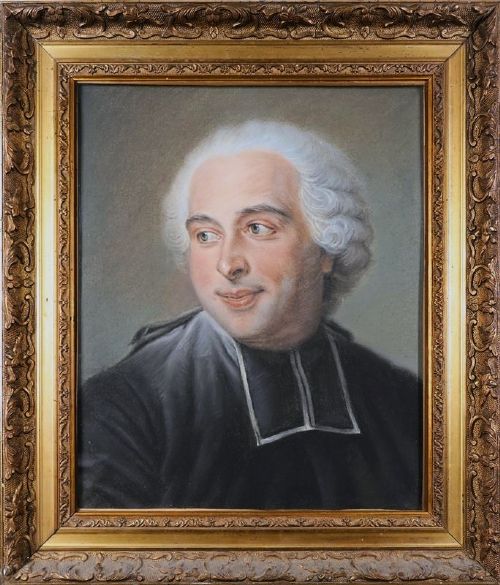
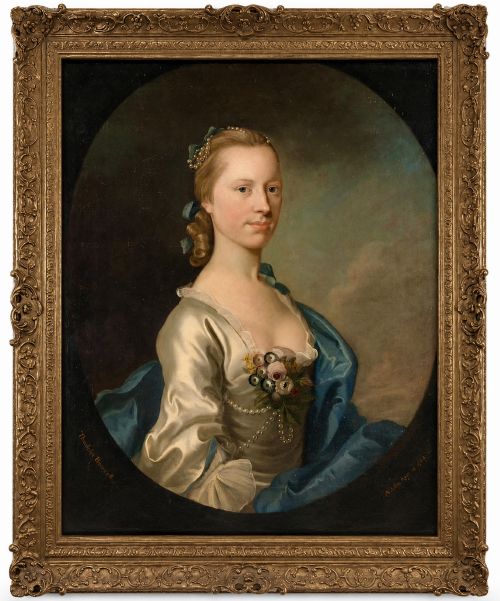
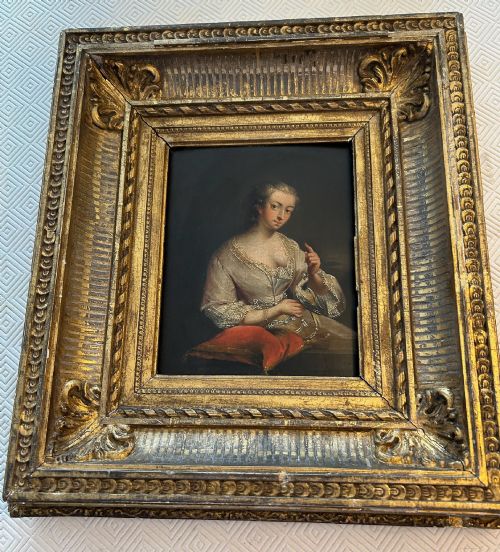
You meet painted portraits, pastoral scenes, and mythological subjects housed in wood, gesso, and giltwood enclosures.
How They Were Made
Makers shaped wood into structural mounts, applying layers of gesso to build up the intricate relief ornament characteristic of the style.
Surfaces received gilding to achieve the metallic sheen associated with period display pieces, framing oil on canvas, paper, and glass components.
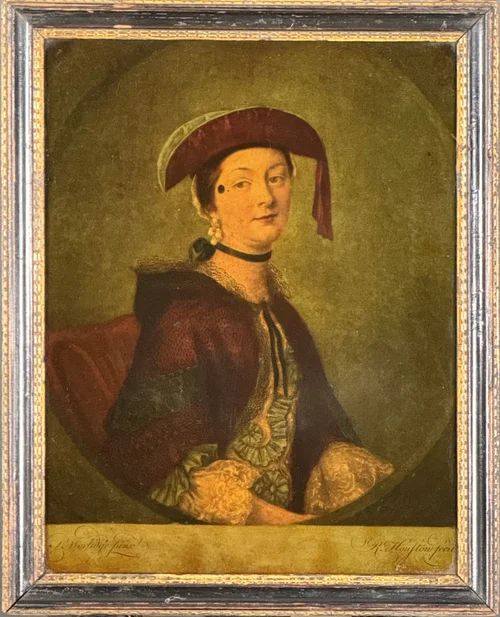
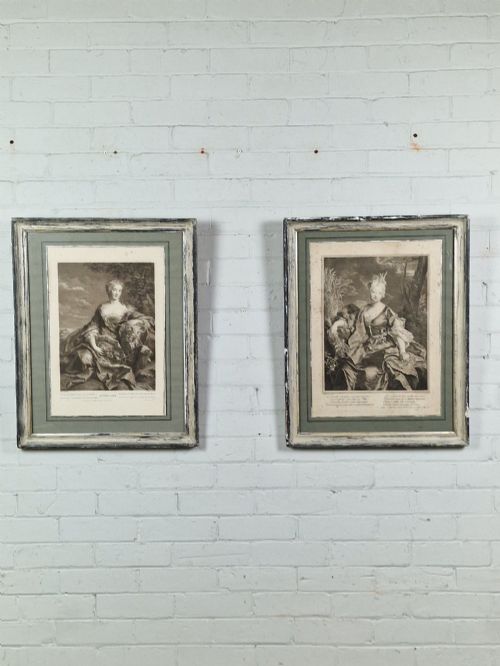
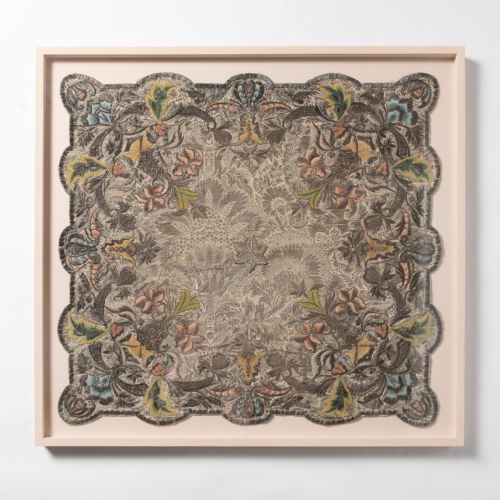
Artisans executed paintings in oils and watercolours, alongside detailed engravings and reverse painted mezzotints housed within these ornate surrounds.
Rococo Framed Wall Art Retail Price Guide 2026
Typical asking prices for rococo framed wall art among the pieces listed under this phrase on Sellingantiques today, from the lower quarter to the upper quarter. They describe what is for sale here now, not the wider market.
Even a quiet pastoral scene can feature a hidden orange tree waiting patiently in the corner.
What Varies In Quality
The depth and clarity of the hand-carved gesso work dictate the definition of the scrollwork on the enclosing frame.
Artistic execution in the central painting or engraving separates standard decorative pieces from accomplished fine art examples.
The integrity of the original gilding and the preservation of the canvas, panel, or paper surface determine the overall integrity of the piece.
Jeremiah Davison·George Hamilton Constantine·Charles-Antoine Coypel·Charles Spooner·Jonny Gaston·Demarteau·Allan Ramsay·Jean-Baptiste Greuze·Jean-Baptiste van Loo·Nicolas Fouché·Christian Lindner·Martinetti·Boucher·Paul Schier·Jean-Antoine Watteau·Louis Léopold Boilly·Pompeo Batoni
The Rococo Framed Wall Art Glossary
- Giltwood
- Wood that has been coated with gold leaf or a gold-coloured metallic finish. This technique creates the bright, reflective surfaces seen on many period frames.
- Gesso
- A plaster mix applied to a wooden base to form a smooth surface for gilding or to be moulded into relief details. It allows for sharp, intricate decorative patterns.
- Mezzotint
- A printmaking process where the artist works from dark to light on a roughened copper plate. It produces rich tonal gradations and soft shadows.
- Trompe l'oeil
- An artistic technique that uses realistic imagery to create the optical illusion that the depicted objects exist in three dimensions.
- Enamel plaque
- A small plate fused with powdered glass melted at high temperatures. These items display durable miniature scenes and portraits.
Rococo Framed Wall Art: Frequently Asked Questions
What periods do these pieces date from?
The selection includes works originating primarily in the eighteenth and nineteenth centuries, alongside later revivals from the early twentieth century.
These dates reflect both original period creation dates and subsequent nineteenth-century revivals of earlier European styles.
How should I care for giltwood frames?
Giltwood surfaces require gentle dusting with a dry, soft brush to avoid damaging the delicate layers of gold leaf and gesso underneath.
Keep them away from direct sunlight and moisture to prevent the wood and plaster preparation from cracking over time.
What subjects typically appear on the canvases?
Common subjects feature classical figures, pastoral scenes, portraits of ladies and aristocrats, and mythological narratives derived from European schools.
Artists frequently drew inspiration from religious themes, allegorical figures, and romanticized depictions of nature and daily life.
Are the frames original to the artwork?
Some pieces retain their period surrounds, while others pair antique artwork with complementary nineteenth-century frames.
Examine the fit, the wear on the gesso, and the joinery at the corners to understand how the artwork and its mount associate.