

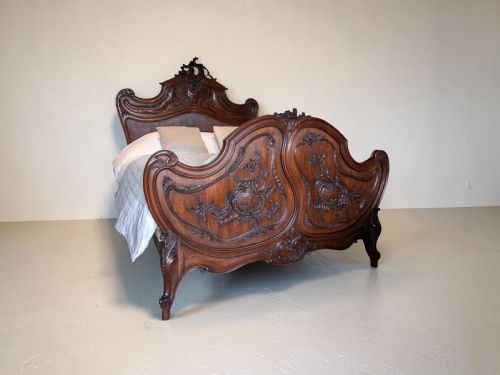


Rococo Carved Headboard
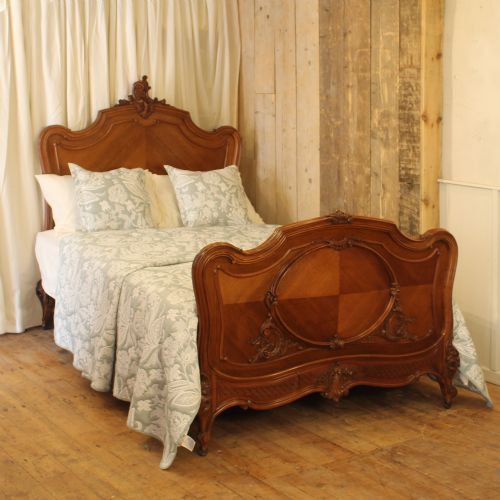
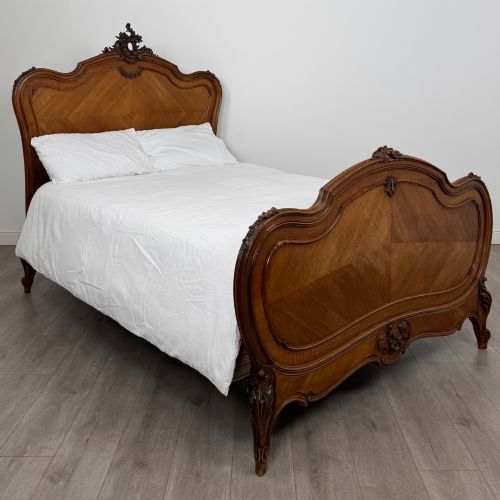
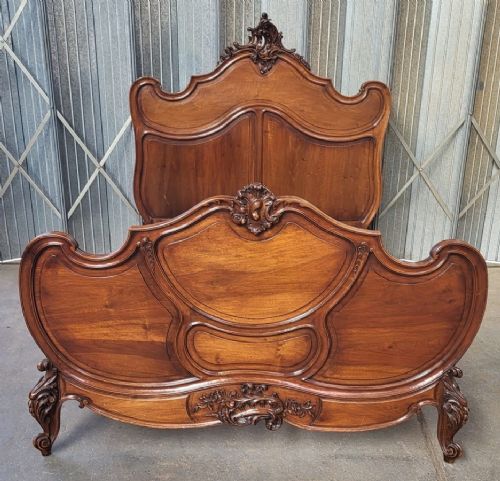
These rococo carved headboard examples bring sweeping, asymmetrical curves and ornate floral motifs to the bedroom, transforming an ordinary sleeping space into a grand interior.
Rococo Carved Headboard
A rococo carved headboard typically emerges within larger bed frames, bedsteads, and complete beds spanning the late nineteenth century into the early twentieth century. When searching for a rococo carved headboard, buyers encounter substantial wooden frameworks originating from French, Italian, and provincial workshops.
The dominant aesthetic draws heavily on French Rococo Revival and Louis XV styles, featuring characteristic scrolling foliage and naturalistic motifs. Pieces appear in formats ranging from standard double proportions to expansive king size dimensions, often constructed as part of larger suites with matching bedside cabinets.
Most surviving examples date from the Victorian era up to the nineteen-thirties, reflecting persistent European enthusiasm for revived eighteenth-century design. Walnut, oak, and painted wood provide the structural foundation for these elaborate sculptural flourishes.
Materials and construction methods
Craftsmen utilised dense hardwoods like walnut and oak for deep relief carving, allowing intricate asymmetrical scrolls and floral crestings to hold their sharp definition. Timber selection dictated the strength required to support sweeping headboard crowns without compromising the delicate scrollwork characteristic of the style.
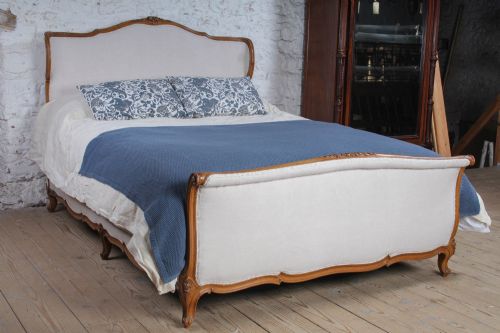
Secondary techniques involve parcel gilt accents, painted finishes, and cane panels applied to soften the visual weight of large wooden structures. Upholstered elements frequently utilise traditional textile panels or leather inserts fitted within the carved wooden borders.
One notable bedstead available here previously appeared on screen in the second series of the television drama The Great.
Distinguishing quality in carving and timber
Superior examples display crisp, hand-chiselled depth within the scrollwork and foliage, where the carver's hand creates genuine movement and shadow across the timber. Lesser pieces rely on shallow machine milling that lacks the dimensional crispness found in finer workshops.
The choice and figuring of the walnut veneer or solid timber significantly elevate a piece, alongside the integration of original parcel gilding. Well-balanced proportions between the structural uprights and the ornate cresting distinguish masterworks from simpler provincial interpretations.
The Rococo Carved Headboard Glossary
- Rococo Revival
- A nineteenth-century artistic movement that revived the ornate, asymmetrical ornamentation of the eighteenth-century French court. It relies heavily on C-scrolls, shell motifs, and naturalistic plant forms.
- Louis XV Style
- A design classification mirroring the graceful, curving forms popular during the reign of the French monarch. This aesthetic shuns straight lines in favour of flowing contours.
- Giltwood
- Timber that has been coated with a thin layer of gold leaf or gilder's composition. It catches candle or natural light effectively in formal chambers.
- Bombe
- A swelling, outward-curving profile seen on furniture bases and associated pieces. It adds considerable visual volume and dynamic movement to the silhouette.
Rococo Carved Headboard: Frequently Asked Questions
How do I identify a genuine period piece?
Examine the construction joints, timber patination, and the crispness of the hand-carved relief work. Genuine older frames display traditional joinery methods and natural wear patterns appropriate to the age.
Check for consistency in the wood grain and ensure the carved elements integrate structurally with the main frame rather than appearing as later applied additions.
Are these frames difficult to fit with modern mattresses?
Many older European dimensions differ slightly from contemporary standard sizes, often requiring minor adjustments or custom support slats. Careful measurement of the interior space prevents fitting issues.
Consulting with a specialist carpenter ensures modern mattress bases integrate securely without damaging the antique wooden side rails or headboard structure.
What is the best way to care for walnut and gilt surfaces?
Dust regularly with a soft, dry cloth and avoid harsh chemical polishes that can strip delicate finishes or original wax. Maintaining stable room humidity prevents the timber from splitting.
Protect giltwood areas from direct sunlight and moisture to preserve the thin metallic leafing and prevent flaking over time.
How do French and Italian styles differ?
French interpretations tend to emphasise refined symmetry, delicate floral crests, and painted or polished walnut surfaces. They focus on restrained elegance within the rococo vocabulary.
Italian pieces often display bolder relief carving, more dramatic bombe contours, and heavier gilding or tapestry insertions suited to grander architectural settings.