
Rococo Carved Fauteuil
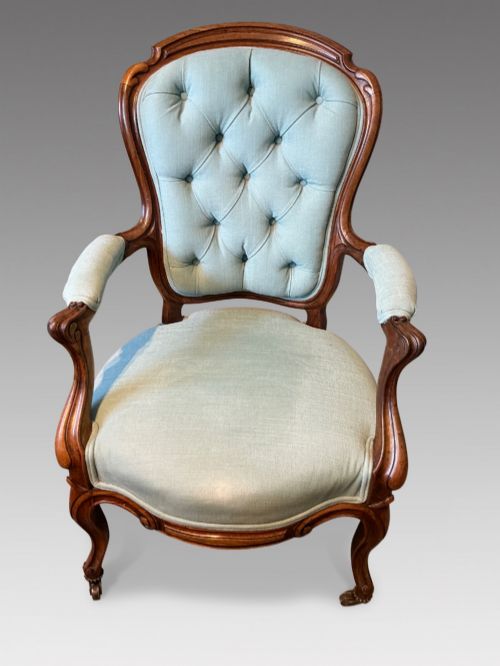
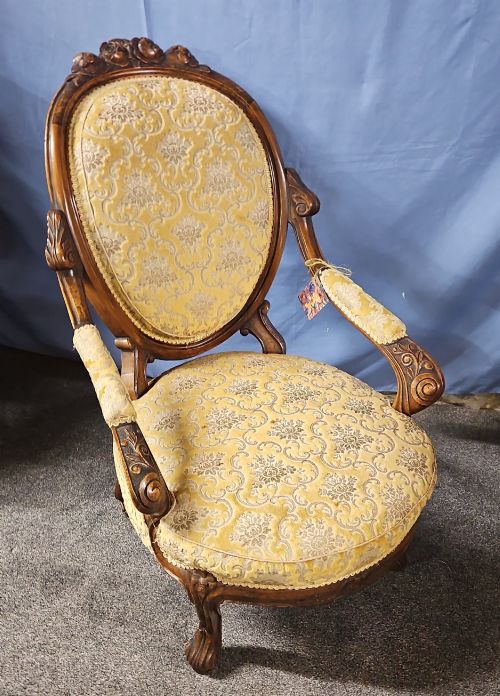
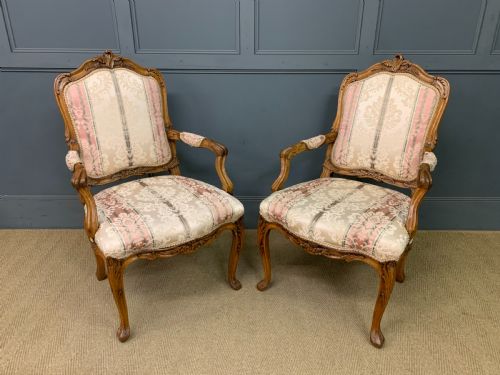
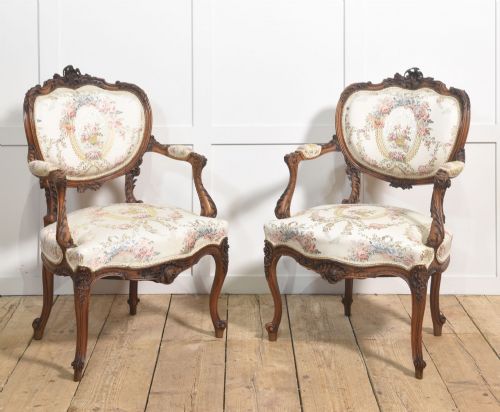
A rococo carved fauteuil brings undeniable French elegance to a room, offering an open armchair frame shaped with curving lines.
Rococo Carved Fauteuil
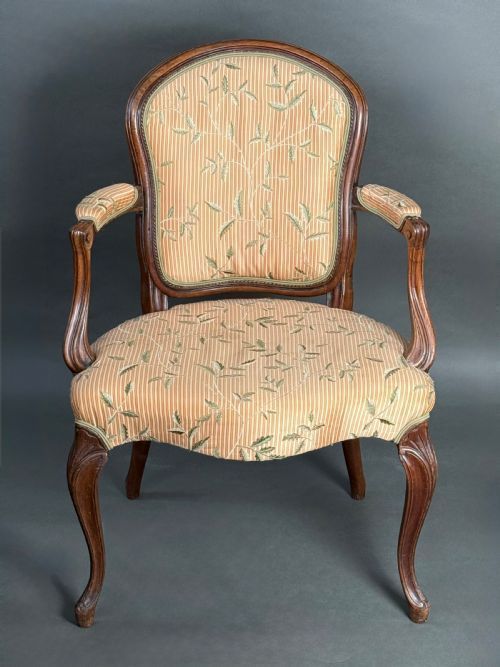
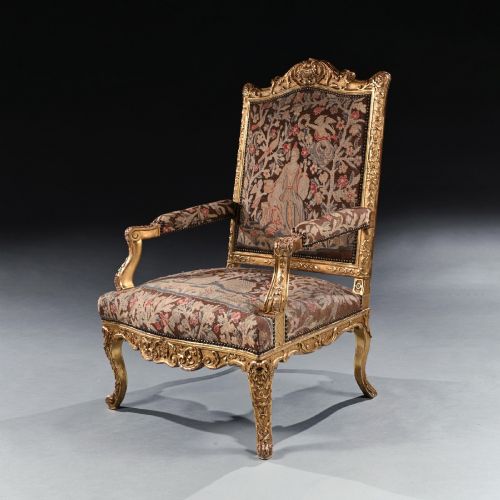
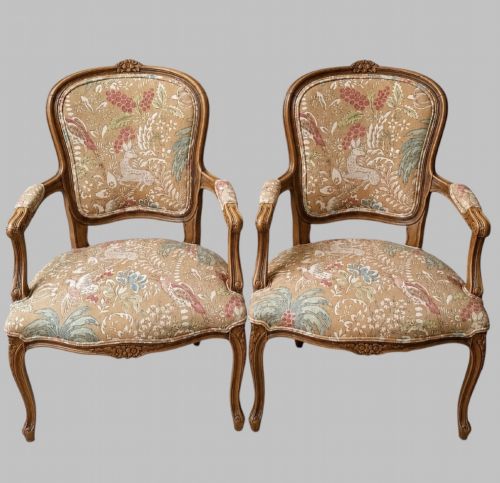
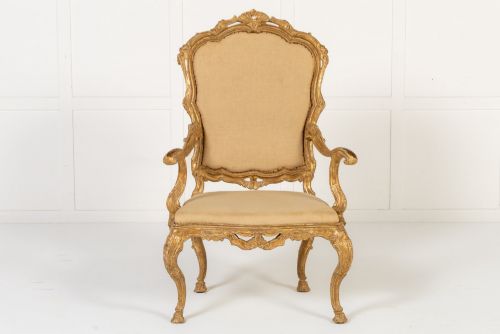
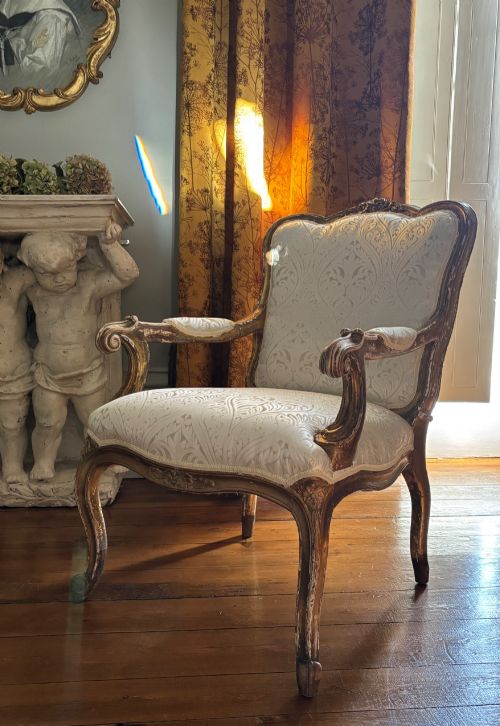
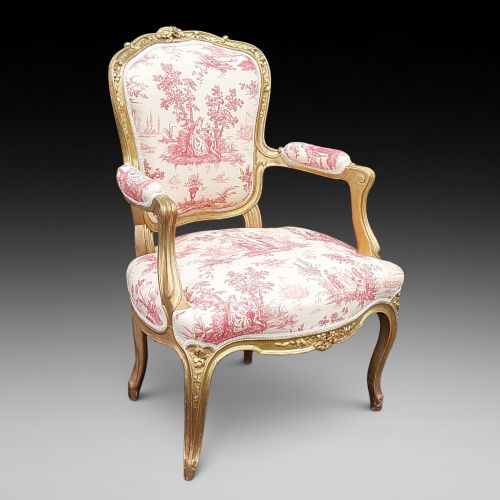
A rococo carved fauteuil is an open armchair defined by curvilinear wooden frames and generous upholstered seats. These chairs emerge from 18th-century French design traditions, spanning authentic period pieces as well as later revival interpretations.
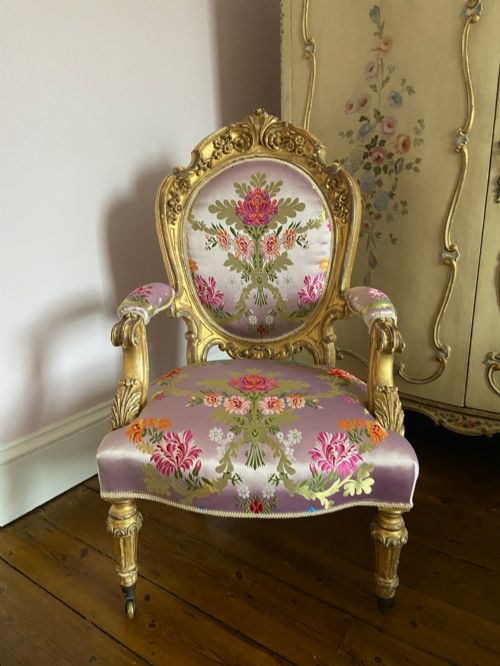
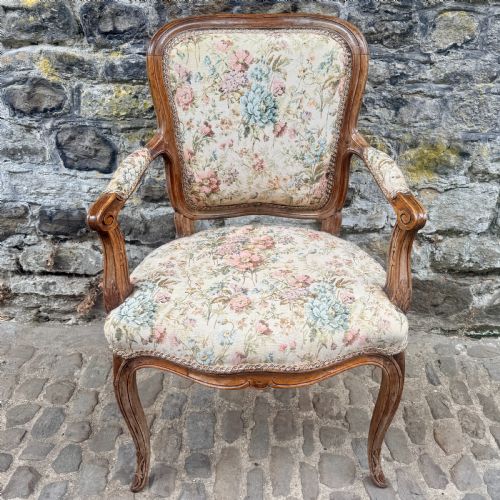
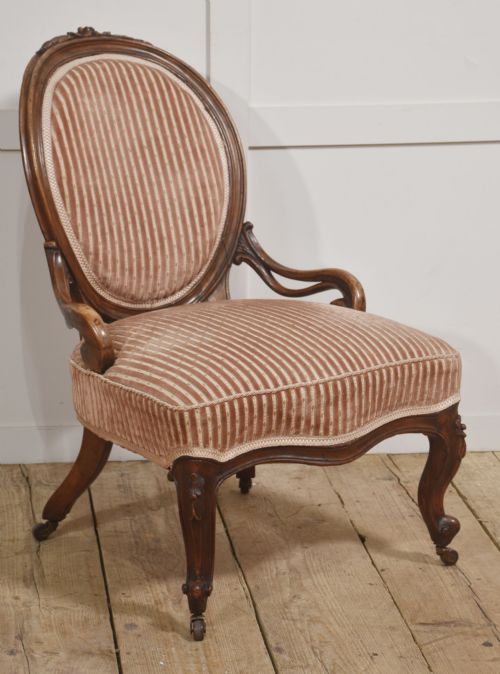
Most examples found here date from the 18th century through the 19th and early 20th centuries, reflecting durable interest in Louis XV and Regence styles. Buyers encounter both French provincial seating and grander giltwood creations intended for formal salons.
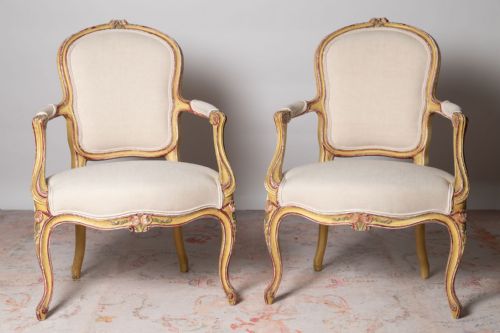
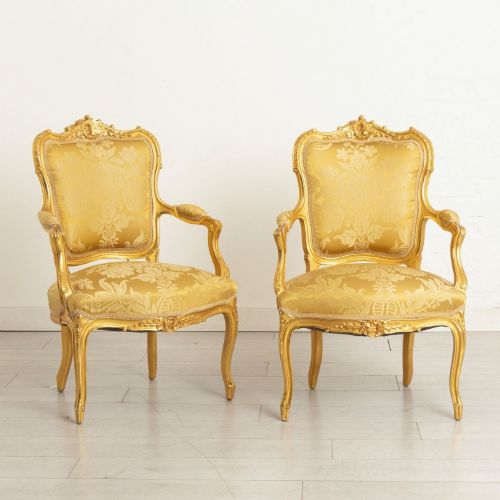
The form typically combines an exposed carved wooden structure with padded armrests and a comfortable squab cushion. While individual items appear alone, pairs and larger matching suites also populate the selection.
Materials and construction
Frames rely principally on timber such as walnut and beech, selected for their grain and ability to hold intricate hand-carved details. Woodworkers shaped these materials into sinuous cabriole legs and flowing scrollwork characteristic of the aesthetic.
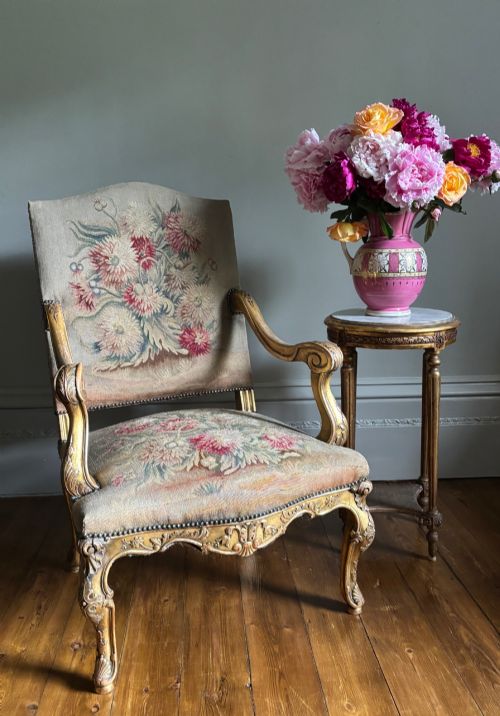
Many frames receive a rich surface finish, ranging from gold leaf applied as giltwood to silver gilt and painted coats. Upholstery completes the piece, utilising traditional textiles like silk, velvet, needlework, and modern decorative fabrics.
Distinguishing quality
Quality rests heavily on the depth and crispness of the hand-carved ornamentation across the wooden frame. Superior examples demonstrate fluid, confident chisel work where floral motifs and scrollwork integrate seamlessly into the structural lines.
The integrity of the underlying timber frame and the historical accuracy of the upholstery finish also define the tier of a piece. Finer seating retains harmonious proportions and original gilding or patination developed over centuries.
Blaise Maucuy
The Rococo Carved Fauteuil Glossary
- Fauteuil
- An open-armed upholstered armchair originating in France, characterised by exposed wooden framing around the back and arms.
- Giltwood
- Timber coated with a thin layer of gold leaf, frequently employed on formal 18th-century and revival seating.
- Cabriole leg
- A furniture leg featuring a double curve, bending outward at the knee and inward at the ankle, typical of rococo design.
- Regence
- A transitional French design style bridging the classical Louis XIV period and the lighter rococo expressions of Louis XV.
Rococo Carved Fauteuil: Frequently Asked Questions
What is a rococo carved fauteuil?
A rococo carved fauteuil is a traditional French upholstered armchair featuring an open wooden frame decorated with flowing, asymmetrical curves and natural motifs.
These chairs were designed for formal sitting rooms and parlours, combining decorative woodwork with padded comfort.
How do I date a fauteuil?
Dating depends on examining the joinery, the type of timber used, and the style of the hand-carving on the frame. 18th-century originals display period construction methods, while 19th-century revival pieces often incorporate later interpretations of Louis XV details.
Looking closely at the wear patterns on the wood and the method of upholstery tacking also helps establish age.
Where should I place an armchair?
These armchairs suit drawing rooms, studies, and bedrooms where their decorative wooden frames can be appreciated from multiple angles. They work well as occasional seating paired with small side tables or grouped in salon suites.
Because the carved arms and exposed wood are prominent, placing them away from heavy traffic prevents accidental knocks.
Are these chairs comfortable for daily use?
The open arm design and upholstered back provide relaxed support suited for reading or conversation. Modern comfort often depends on the quality of the internal webbing and padding applied during reupholstery.
Many examples feature generous seat widths that accommodate contemporary seating preferences.