

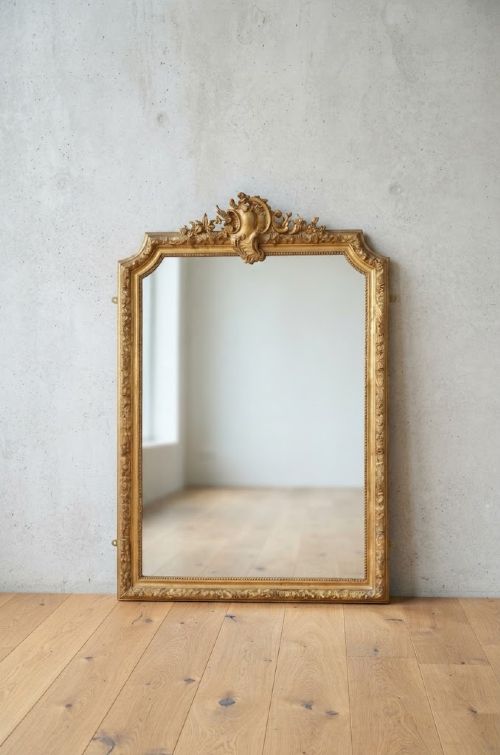


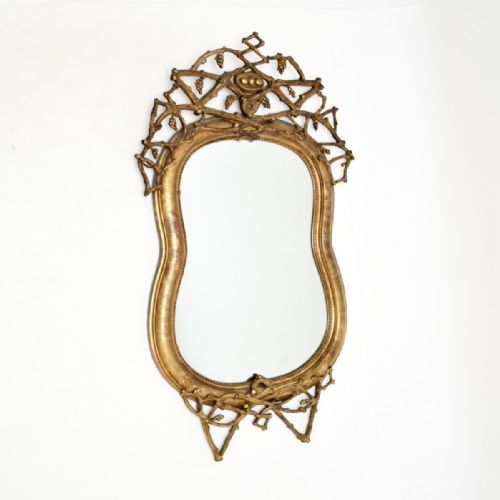
Rococo Accent Mirror
A rococo accent mirror brings fluid curves and ornate gilded carving to a room, offering both practical reflection and dramatic wall presence.
Rococo Accent Mirror
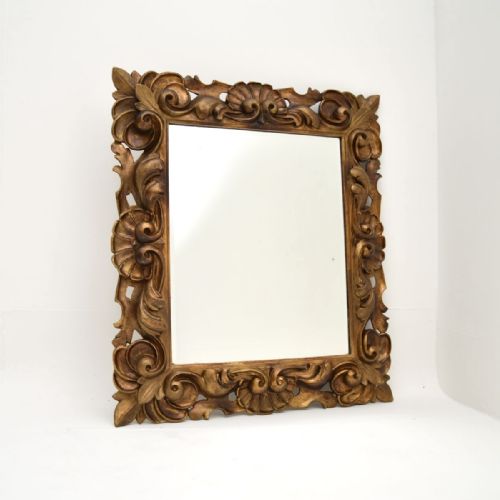
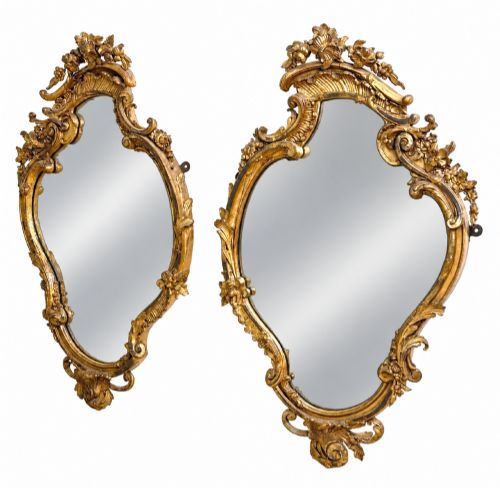
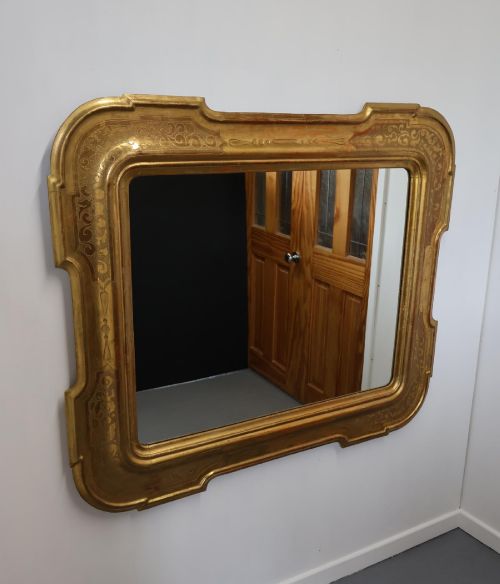
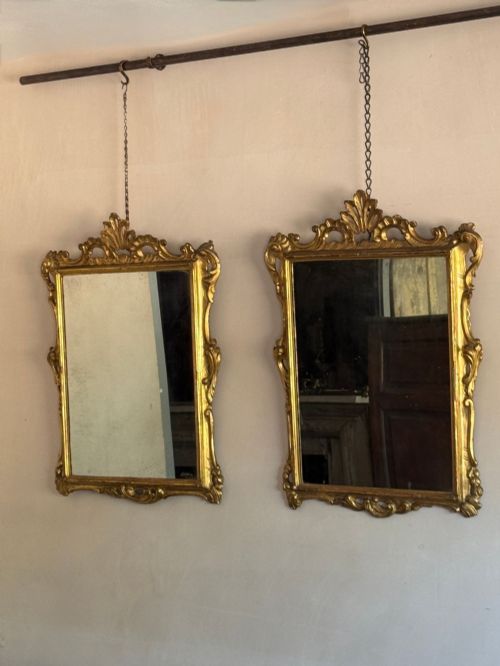
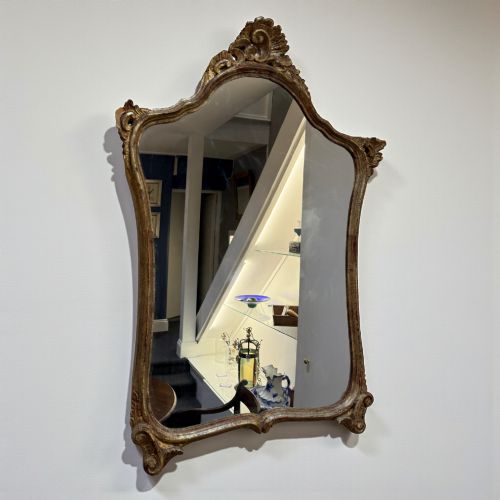
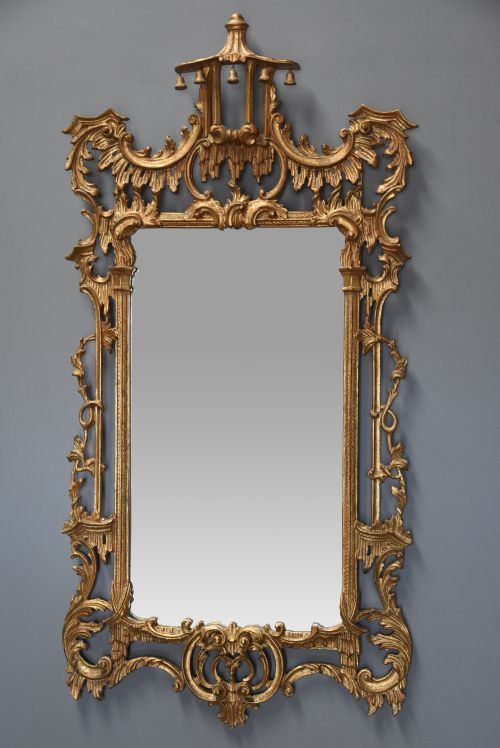
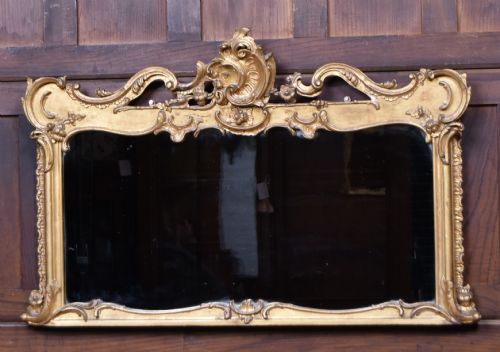
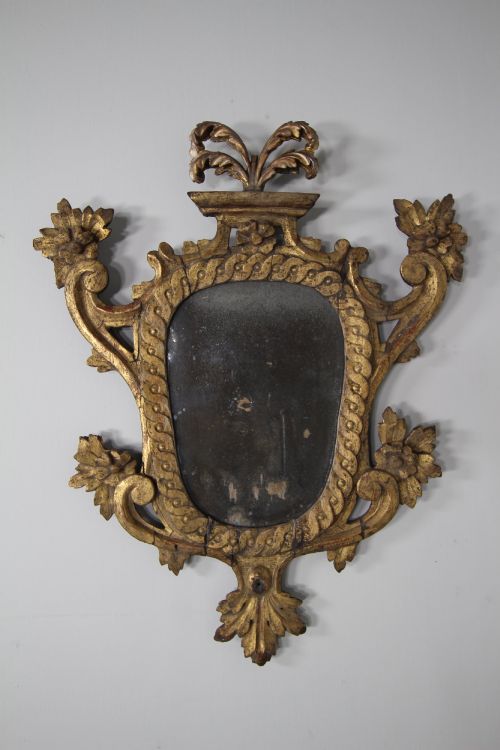
A rococo accent mirror draws the eye with asymmetrical scrolls, C-scrolls, and organic plant motifs characteristic of the style. Most examples on this page date from the nineteenth century, though earlier eighteenth-century pieces and early twentieth-century revivals appear.
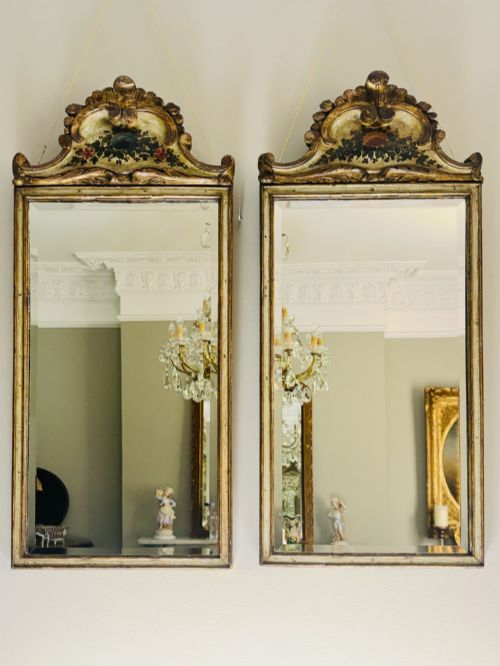
Makers often shaped these frames as tall overmantels, compact wall mirrors, or grand pier glasses designed to hang between windows. French and Italian workshops produced many of the surviving pieces, leaning heavily into Louis XV revival aesthetics.
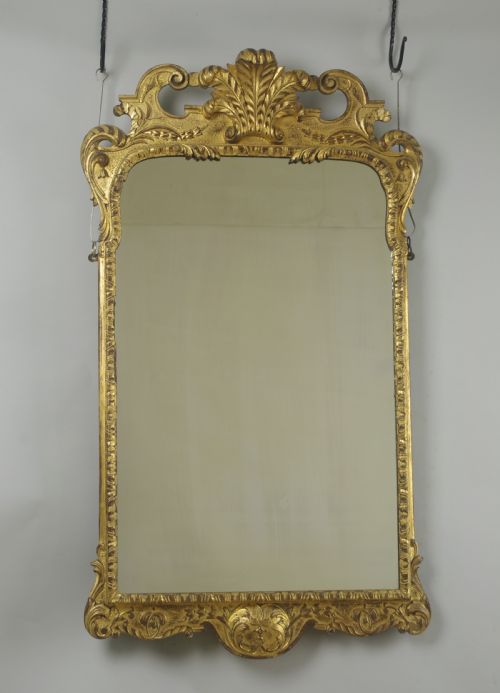
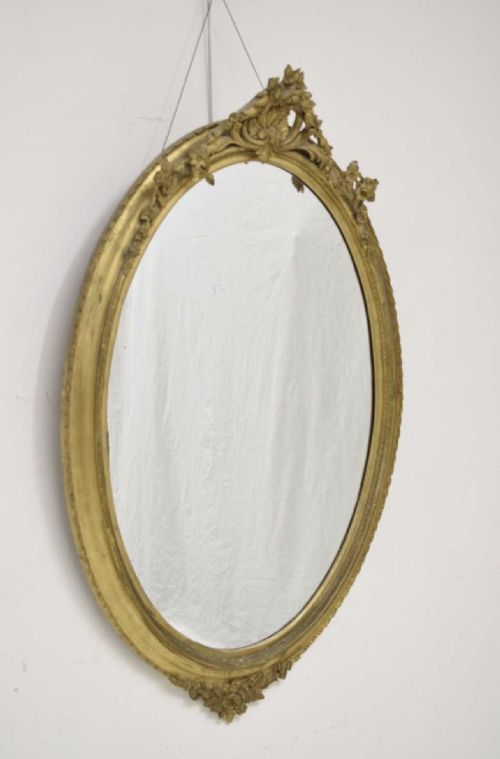
The materials span traditional carved wood and gesso finished in gilt, alongside occasional oak, kingwood, and brass frames. Buyers frequently encounter rectangular, oval, and cartouche forms ornamented with deep foliate cresting.
Materials and construction
Carvers shaped wooden frames from timber such as oak or softwoods before applying layers of gesso to build up the intricate relief decoration. Artisans then gilded these surfaces with gold or silver leaf, creating a luminous metallic sheen.
Mirrors from the eighteenth and nineteenth centuries utilised silvered glass plates, sometimes with bevelled edges or hand-engraved surface details. Joinery on the frames relied on traditional pegged or glued joints designed to support heavy gilded mouldings.
Rococo Accent Mirror Retail Price Guide 2026
Typical asking prices for rococo accent mirror among the pieces listed under this phrase on Sellingantiques today, from the lower quarter to the upper quarter. They describe what is for sale here now, not the wider market.
Materials recorded across the selection include giltwood, gesso, carved wood, mirror glass, oak, kingwood, and brass.
Judging the craftsmanship
The depth and crispness of the hand-carved gesso and giltwood relief separate standard production from superior artistry. Sharp undercut scrollwork and delicate asymmetry indicate a skilled hand, whereas softened or muddy details suggest mass moulding.
The quality of the mirror plate itself and the integrity of the original gilding dictate the overall character of the piece. Retaining undisturbed historical gilding surface patination elevates a mirror far above examples with later repaint layers.
The Rococo Accent Mirror Glossary
- Giltwood
- Wood that has been coated with fine gold leaf or gold paint over a prepared base layer. It provides the characteristic bright metallic finish seen on many period frames.
- Gesso
- A plaster mixture applied to wooden frame bases to create a smooth surface for carving and gilding. This compound allows for intricate relief ornamentation.
- Cartouche
- An ornamental frame or tablet resembling a rolled-up scroll, frequently used as the central motif for cartouche-form wall mirrors.
- Trumeau
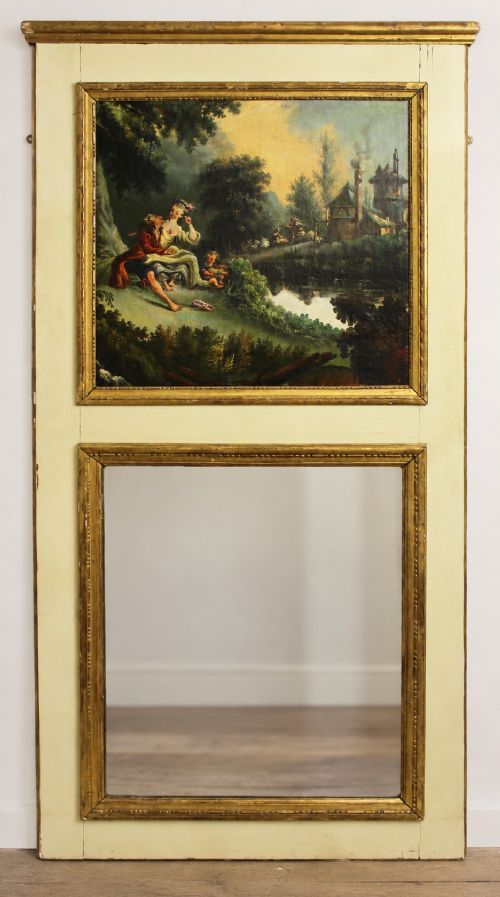
- A decorative wall mirror paired with an oil painting or panel above the glass. These tall French pieces were traditionally fitted between room windows.
- Pier glass
- A large vertical mirror designed to hang on the narrow pier of wall between two windows. They reflect additional light into period interiors.
Rococo Accent Mirror: Frequently Asked Questions
Where should I hang a rococo accent mirror?
These mirrors work exceptionally well above a mantelpiece, a console table, or as a standalone focal point in a hallway. Their reflective glass helps bounce natural light around smaller or darker reception rooms.
Ensure the wall fixings are robust enough to support the substantial weight of carved giltwood and gesso frames. Positioning the mirror at eye level maximises its impact as a decorative wall piece.
How do I distinguish nineteenth-century revival from original eighteenth-century pieces?
Examining the construction of the wooden frame, the composition of the gesso, and the backboards offers key clues to age. Eighteenth-century frames often show distinct tool marks and drier, thinner applications of gold leaf.
Revival pieces from the Victorian era or the early twentieth century typically display heavier machine preparation and different fastener types. Comparing the silvering and bevelling on the mirror glass also aids in dating the piece accurately.
What is a trumeau mirror?
A trumeau mirror incorporates an oil painting or decorative wooden panel directly into the upper section of the frame. Originating in France, these grand pieces served as fixed architectural decoration in formal salons.
The integration of pastoral scenes or decorative motifs above the reflective glass creates a balanced composition suited to high-ceilinged rooms.
How do I clean and maintain a gilded frame?
Dust the intricate carved gesso and giltwood surfaces gently with a soft, dry brush to prevent dirt buildup. Avoid using modern chemical cleaning sprays or abrasive cloths that can strip the delicate metallic leaf.
Keep the mirrors away from direct moisture and extreme temperature fluctuations to protect the wooden substrate and historical surface finishes.