


River Thames Oil Painting
A river thames oil painting brings the maritime history and bustling waterways of London and its reaches directly into a room.
River Thames Oil Painting
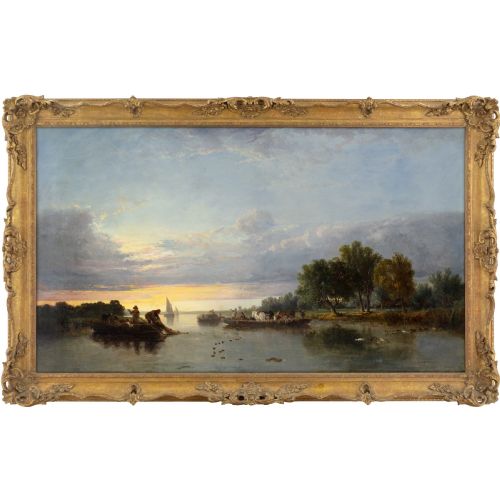
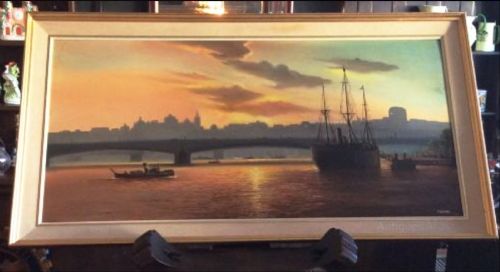
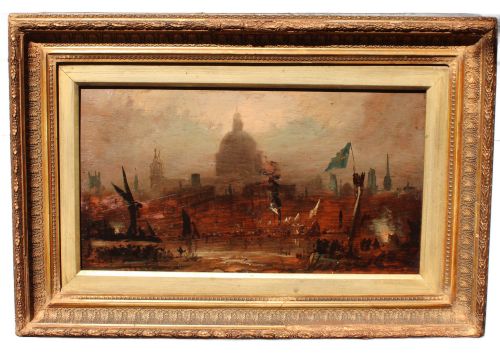
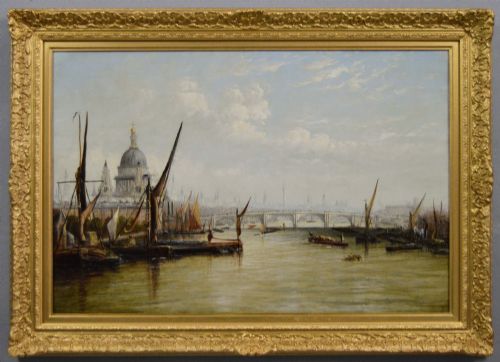
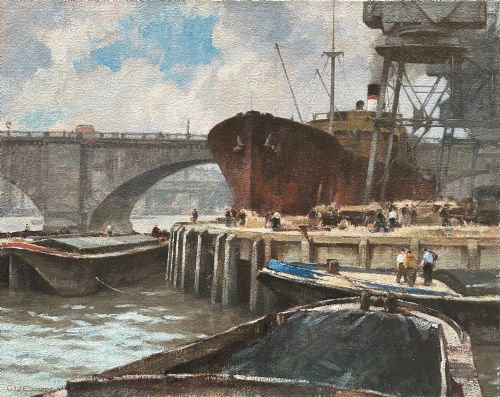
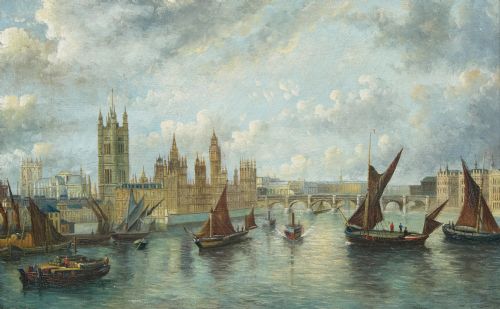
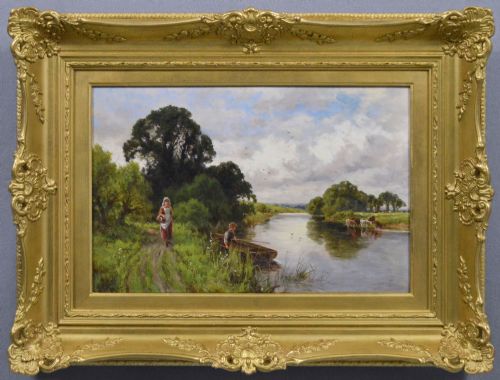
A river thames oil painting captures historical views of London watercourses, spanning busy stretches near city bridges, quiet pastoral reaches further upstream, and historic craft like sailing barges at work. These works document significant landmarks such as St Paul's, Windsor Castle, and the Houses of Parliament across centuries of change.
The selections available range from early nineteenth-century studies and Victorian maritime scenes to mid-twentieth-century townscapes and river landscapes. Buyers most frequently encounter nineteenth-century works and Victorian marine compositions depicting shipping, bridge views, and the daily activity along the water.
Compositions vary from detailed architectural townscapes to atmospheric atmospheric riverscapes focusing on changing light across the water, tug boats, and traditional sailing vessels. Each piece offers a distinct window into the historical topography and commercial life of the river.
Materials and technique
Artists utilise oil paint applied to canvas or wood panels, sometimes utilising board supports for smaller plein air studies and finished works. The handling of the medium allows for rich textures in the depiction of river water, atmospheric skies, and the surfaces of historical buildings.
Many of these works retain their original frames constructed from wood and finished with gesso and gold leaf or gilt detailing. These traditional framing methods complement the painterly qualities of the canvases and protect the edges of the substrate.
Several Victorian artists clearly braved chilly London fog to capture bargemen hauling cargo past St Pauls with half-frozen fingers.
Judging quality in river views
The distinction between standard works and finer examples rests on the artist's command of light, atmospheric perspective, and accurate topographical detail. Superior paintings capture the specific movement of water and the dense atmosphere of the London air with confident, fluid brushwork rather than rigid illustration.
Condition of the oil surface and the integrity of the original canvas or board play a major role in the overall standard of a piece. Works that retain their original gilt and gesso frames without heavy modern intervention hold greater historical integrity.
Francis Moltino·Henry H Parker·Charles William Wyllie·George Hilditch·Edward Henry Eugene Fletcher·Thomas Whittle the Younger·EW Haslehurst·Edward Seago·Jacob Knyff·Hubert Thornley·Harold Gregson·AF de Breanski·William Burns·Francis E Jamieson
The River Thames Oil Painting Glossary
- Oils on canvas
- Paintings created using pigment suspended in drying oils applied directly to stretched woven fabric. This combination provides a flexible and durable surface that holds rich colour and texture over centuries.
- Riverscape
- A genre of visual art dedicated to the depiction of rivers, riverbanks, and associated activity. In these works, the waterway forms the primary focal point of the composition.
- Gesso
- A paint mixture consisting of a neutral binder mixed with chalk, gypsum, or pigment. It is applied to wood panels or frames to prepare a smooth surface for gilding or painting.
- Gilt
- A thin layer of gold applied to wood, metal, or gesso surfaces to give the appearance of solid gold. It is commonly found on the decorative antique frames housing these paintings.
- Plein air
- The act of painting outdoors to capture the direct effects of light and weather upon a subject. Many nineteenth-century river studies began as quick observations painted on the spot.
River Thames Oil Painting: Frequently Asked Questions
How do I date an antique river painting?
Dating relies on the clothing of figures depicted, the presence or absence of specific bridges and buildings, and the style of the frame. Signatures, artist records, and canvas stamps on the reverse provide further chronological markers.
Changes in London's architecture along the riverbanks, such as the rebuilding of bridges, offer reliable clues for narrowing down the decade in which an artist set their easel.
Where should I hang a river painting?
These works suit dining rooms, studies, or living areas where natural light can bring out the tonal variations in the water and sky. Pairing them with period interior decor enhances their historical context.
Avoid placing oil paintings in direct sunlight or above active fireplaces, as fluctuating temperatures and intense rays can damage both the canvas and the gilt frame over time.
What is the difference between a marine and a riverscape painting?
Marine paintings generally focus on the open sea, coastal waters, and deep-water shipping, often highlighting maritime trade and naval vessels. Riverscapes concentrate on inland waterways, towing paths, and urban river life.
On the Thames, these categories often overlap near the Pool of London, where large ocean-going vessels share the tidal waters with local barges and river traffic.
How do I care for an oil painting on canvas?
Keep the surface clean by gently dusting with a soft, dry brush to prevent particulate accumulation. Ensure the hanging environment maintains stable humidity levels to protect the wood stretcher and canvas tension.
Professional conservation should be sought if the paint surface develops cracks or if the varnish yellows significantly, as amateur cleaning can cause irreversible damage to the original pigment.