



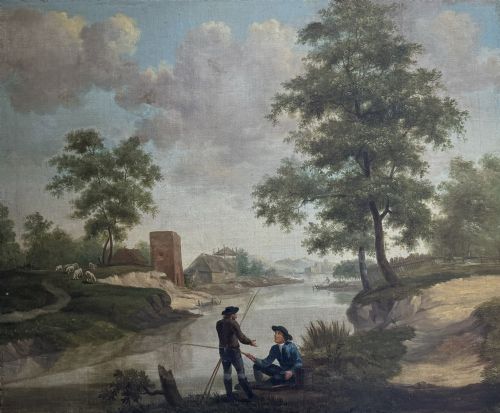
River Scene Oil Canvas
When you search for a river scene oil canvas, you enter a tradition of landscape painting that maps waterways from the Thames to the Seine.
River Scene Oil Canvas
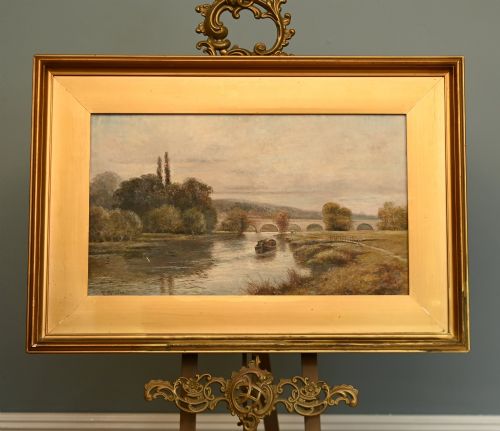
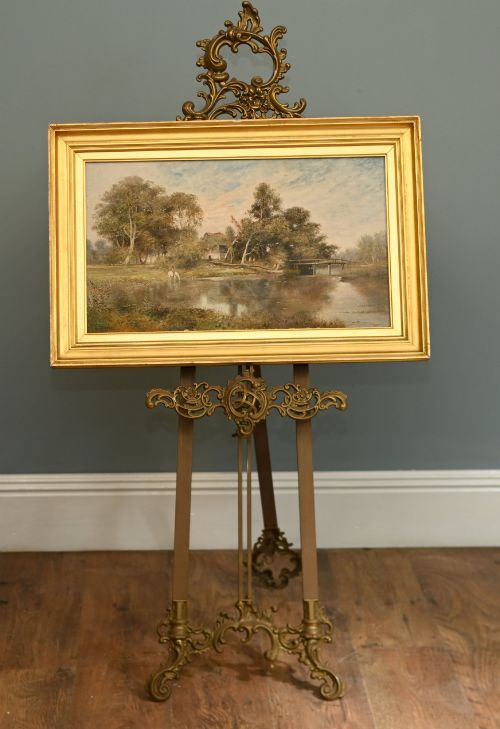
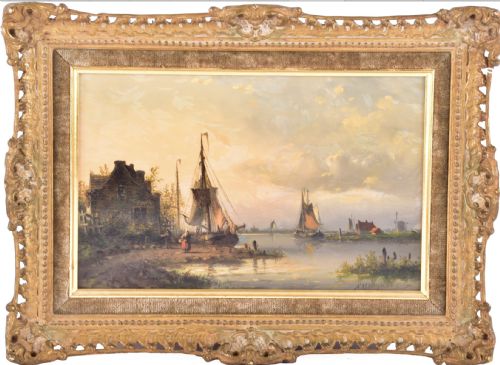
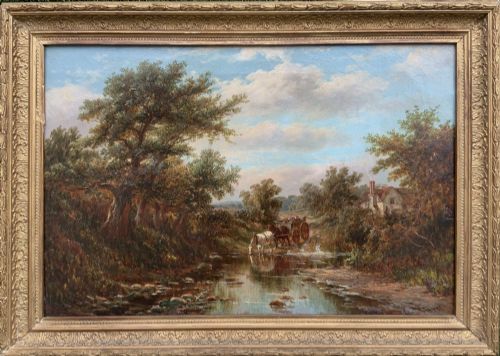
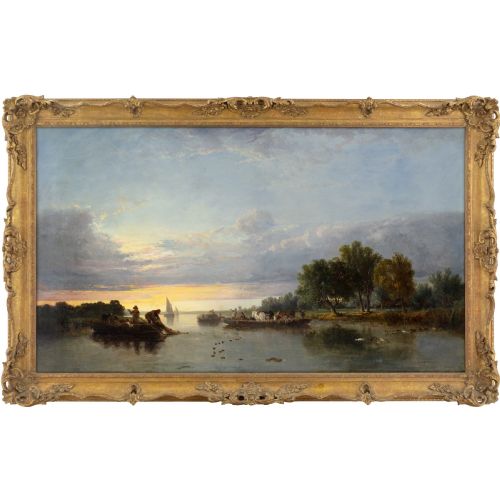
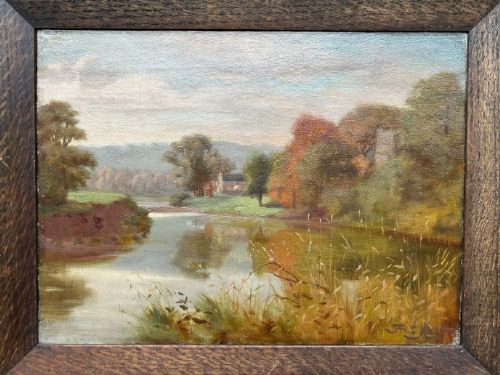
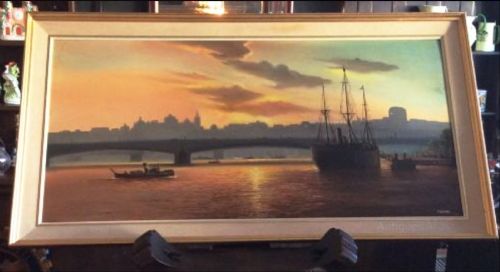
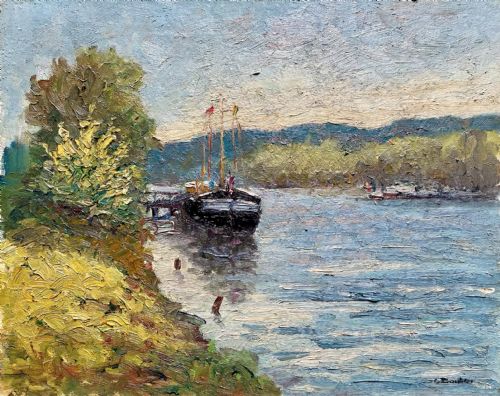
A river scene oil canvas captures aquatic topographies, ranging from bustling industrial waterways to quiet pastoral banks, often populated by figures fishing, boating, or tending bridges.
The versions most commonly met on this page span the nineteenth and twentieth centuries, encompassing British, French, and Dutch schools in various stages of Impressionism and Romanticism.
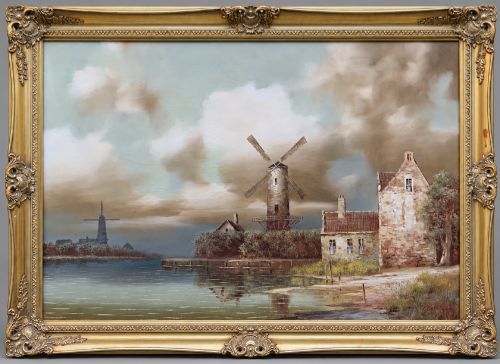
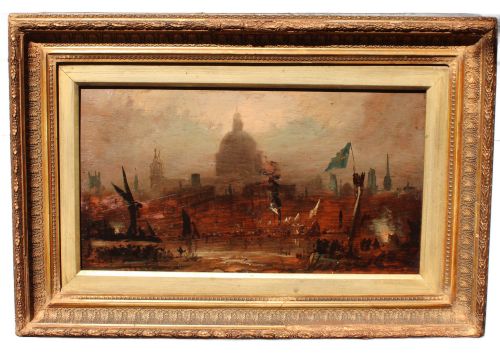
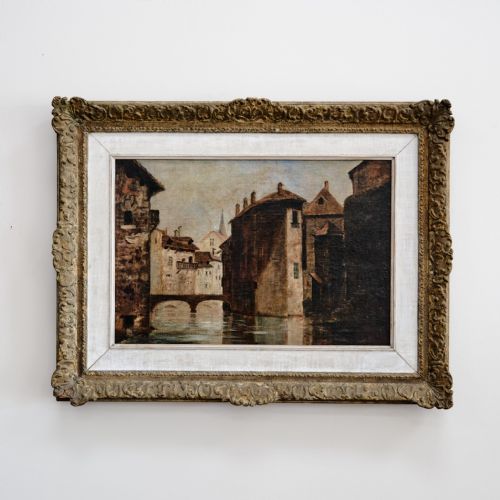
Subjects stretch across recognizable landmarks like London's Waterloo Bridge and the River Conwy, alongside anonymous country streams, French chateaux, and Dutch windmills at sunset.
Materials and technique
Artists deployed oil paint and sometimes acrylic suspended on canvas or board, utilising gesso layers to prepare absorbent grounds for brushwork.
Substantial wood frames, frequently gilded in gesso, house these works, providing structural support alongside decorative borders that reflect the period of creation.
Several canvases quietly record forgotten cows standing knee-deep in nineteenth-century rivers.
What separates the range
Quality rests upon the artist's handling of light reflecting off water and the atmospheric depth achieved in distant skies, separating mechanical transcription from inspired observation.
The integrity of the canvas support, the stability of the oil paint layer without extensive craquelure, and the originality of the historic frame contribute significantly to the standing of any individual piece.
Kenneth Cozens·George Graham·Frederick Marriott·Albert Bierstadt·Cyril Walduck Edwards·Henri Ottmann·Herbert Royle·Henry H Parker·Sydney Yates Johnson·Archibald Kay·Henri Jaques Delpy·Ron Folland·Thomas Spinks·Robert Scott-Temple·Robert Gallon
The River Scene Oil Canvas Glossary
- Gesso
- A plaster mixture used as a paint surface preparation for wood or canvas. It creates a smooth, bright white ground that holds oil paint effectively.
- Post-Impressionism
- An art movement extending beyond Impressionism while keeping its vivid colours. Painters here reject strict naturalism in favour of expressive forms.
- Giltwood
- Wood carved and covered with thin gold leaf or gold paint. This material forms the ornate frames typical of nineteenth-century salon paintings.
- Romanticism
- An artistic approach emphasising emotion, individualism, and awe of nature. Works in this style often use dramatic lighting and moody atmospheric conditions.
- Board
- A rigid substrate used instead of woven fabric for painting. Artists frequently utilised wooden panels or heavy millboard for smaller plein air studies.
River Scene Oil Canvas: Frequently Asked Questions
What subjects appear in these river paintings?
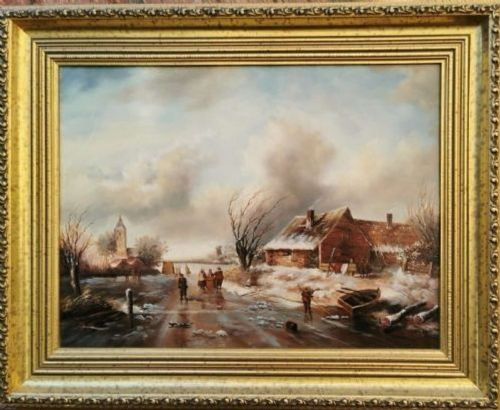
Paintings show working barges, historic stone bridges, pastoral waterways with fishermen, and rural windmills across British, French, and Dutch locations.
Scenes range from urban panoramas of the Thames to quiet woodland streams and Norman riverbanks.
How do I identify the period of a canvas?
Stylistic clues such as Post-Impressionist brushwork or Victorian academic realism point toward specific decades between the eighteenth and twentieth centuries.
Framing materials like gilded wood and the backing construction of the canvas also offer reliable dating evidence.
Where were these landscape scenes typically painted?
Many artists worked plein air directly beside European waterways, capturing shifting light on rivers in Normandy, Yorkshire, and London.
Studio artists then synthesized these initial oil studies into finished exhibition pieces for regional schools.
How should I care for an oil on canvas?
Keep paintings away from direct sunlight and fluctuating humidity to prevent the canvas from sagging and the oil paint from cracking.
Dust the surface gently with a dry, soft brush without applying liquid cleaners to the aged paint layer.