




Rich Brown Walnut Furniture
Rich brown walnut furniture brings deep timber tones and rich grain patterns into a room, offering both practical utility and historic character.
Rich Brown Walnut Furniture
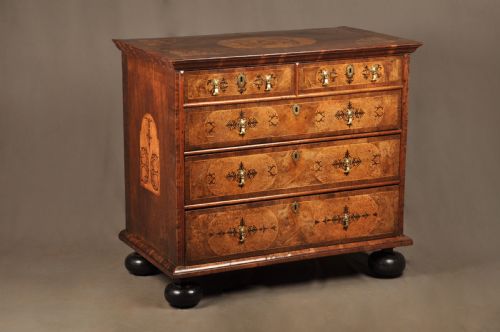
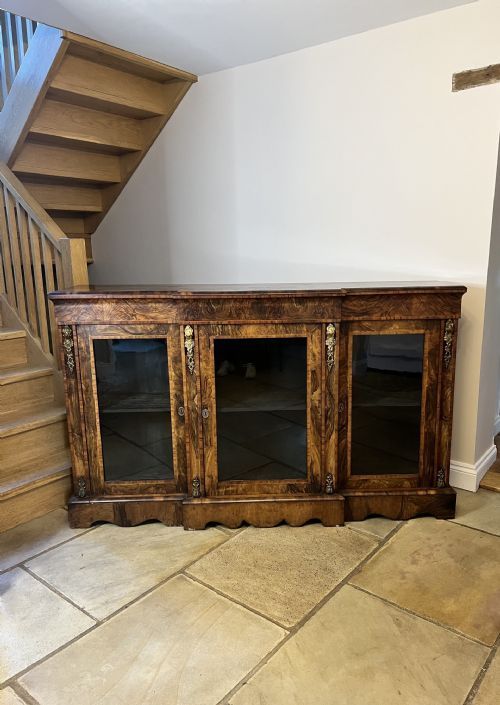
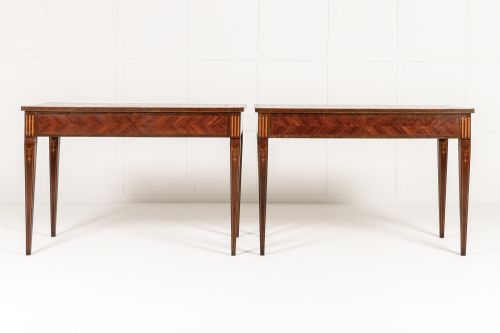
Rich brown walnut furniture encompasses a diverse selection of historic forms ranging from seventeenth-century chests of drawers to nineteenth-century bookcases, sideboards, and canterburys. When searching for this description, buyers encounter substantial seating accessories, writing bureaux, and console tables alongside larger storage cabinets.
The objects span multiple centuries of European cabinetmaking, drawing on styles such as William and Mary, Dutch Rococo, Biedermeier, and Art Deco. Pieces originate from various traditions, including Italian provincial workshops and British Victorian workshops, reflecting shifting domestic requirements over hundreds of years.
Victorian burr walnut items appear frequently on this page, often showcasing elaborate figuring and marquetry inlay. Alongside these domestic storage pieces, buyers find specialist items like cabinets on stand and coffee tables incorporating contrasting wood veneers and brass details.
What varies in quality
The selection of timber grain heavily influences visual impact, with highly figured burr walnut and balanced marquetry layouts marking out finer examples. The precision of veneer application and the harmony of inlay patterns demonstrate the underlying skill of the workshop.
Structural complexity also distinguishes the range, from straightforward side tables to elaborate cabinets on stand featuring integrated bases and specialised compartments. The integration of secondary materials like brass hardware and glass doors affects the overall refinement of the finished object.
Even music lovers needed tidy corners, evidenced by Victorian walnut canterburys built specifically to corral stray sheet music.
The Rich Brown Walnut Furniture Glossary
- Burr walnut
- A specialised timber cut from the abnormal growths of a walnut tree, yielding highly decorative swirling grain patterns. It is frequently utilised on the primary visible surfaces of Victorian and nineteenth-century cabinets.
- Marquetry inlay
- Decorative patterns formed by fitting contrasting veneers into a prepared wooden ground. This technique creates pictorial or geometric designs across table tops and drawer fronts.
- Oyster veneer
- Thin circular or oval slices of branch wood arranged closely together to resemble oyster shells. This method creates a repetitive, patterned surface texture seen on seventeenth-century pieces.
- Secretaire a abattant
- A tall upright cabinet featuring a drop-front writing surface that conceals internal pigeonholes and small drawers. It combines compact storage with a dedicated workspace.
- Canterbury
- A low freestanding stand originally designed for holding sheet music or books, typically fitted with vertical partitions. Victorian examples often incorporate turned supports and inlaid walnut.
Rich Brown Walnut Furniture: Frequently Asked Questions
What is burr walnut furniture?
Burr walnut furniture incorporates timber taken from the gnarled growths of the walnut tree, creating distinctive and complex grain patterns. This decorative wood was favoured for prominent surfaces on nineteenth-century chests and bookcases.
Craftsmen sliced this wood into thin veneers to display the swirling figures across large panels without warping the underlying structure.
How do I identify a Victorian walnut piece?
Victorian walnut pieces often display deep brown tones, substantial proportions, and elaborate figuring such as burr veneers or marquetry inlay. Common forms from this era include pedestals, sideboards, and canterburys.
These items frequently combine sturdy construction with decorative flourishes reflecting mid-nineteenth-century domestic tastes.
Where were these walnut items made?
The pieces originate from various European centres, including British workshops, Italian provincial regions, and Dutch cabinetmakers. Each region applied distinct regional styles, such as Dutch marquetry or Biedermeier framing.
Makers utilised local and imported walnut stocks to produce everything from seventeenth-century chests to art deco tables.
How do I care for walnut veneer?
Walnut veneer requires protection from direct sunlight and excessive humidity to prevent the thin wooden layers from lifting or drying out. Gentle dusting with a dry cloth helps maintain the polished surface.
Avoid placing these items near heat sources that might cause the underlying timber and marquetry to expand or crack.