
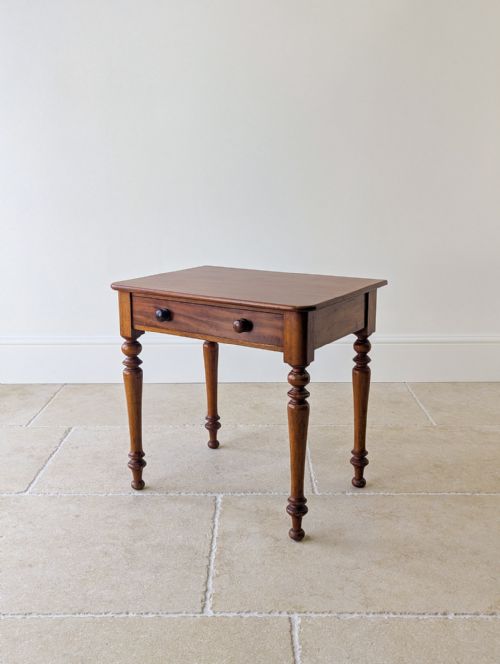
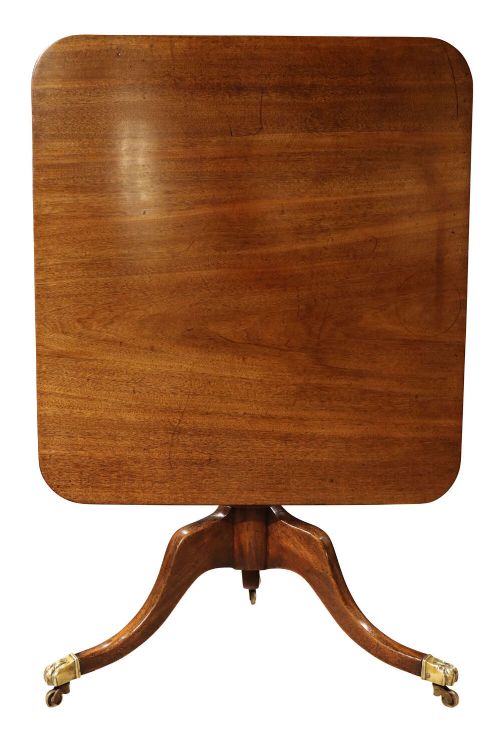
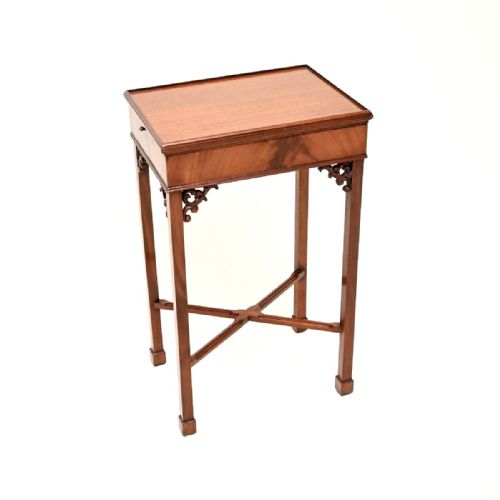
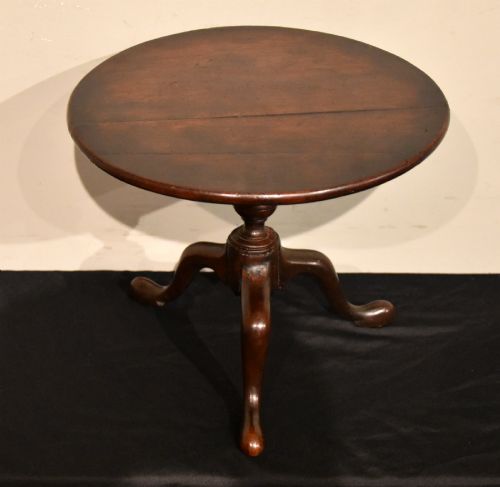

Rich Brown Occasional Table
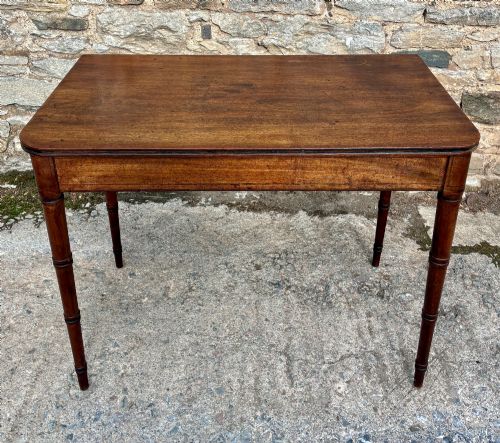
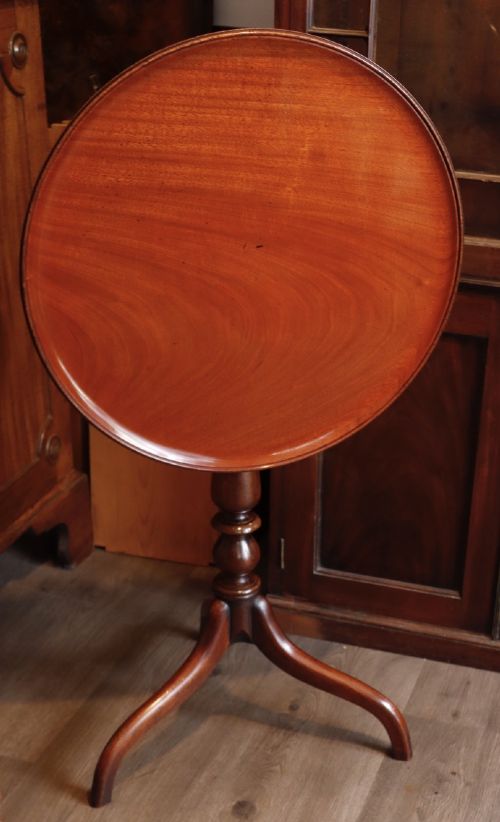
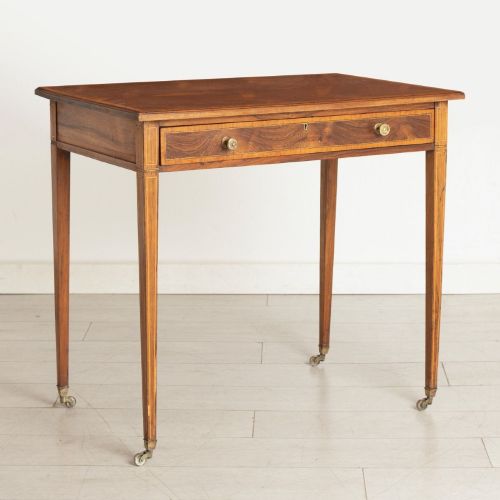
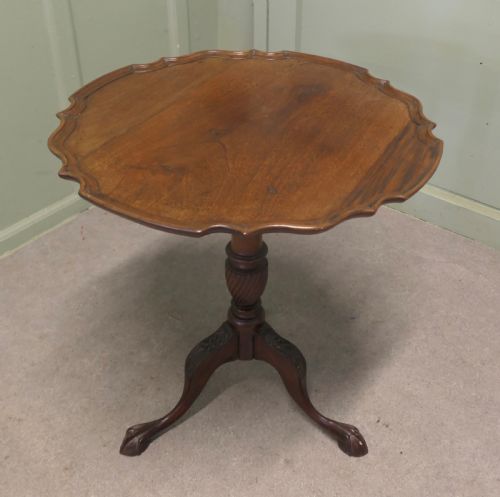
A rich brown occasional table brings warmth and utility to a room, drawing the eye with deep timber tones and traditional craftsmanship.
Rich Brown Occasional Table
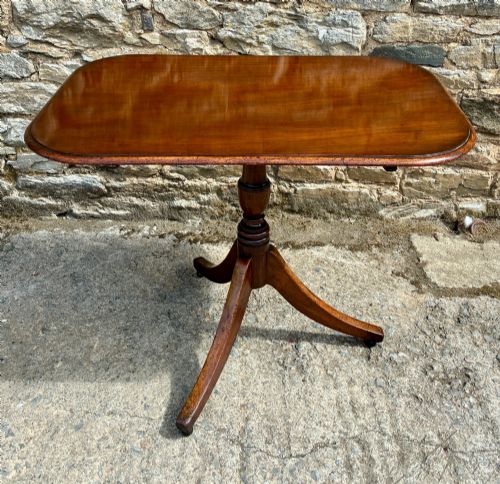
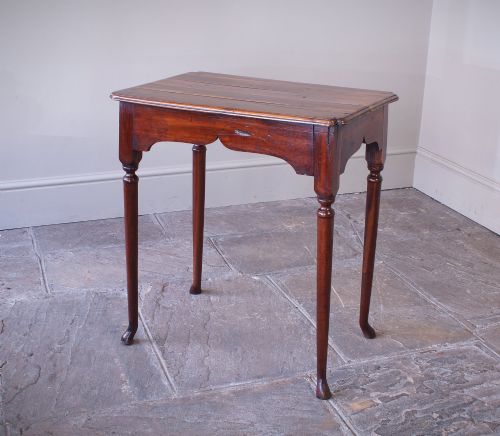
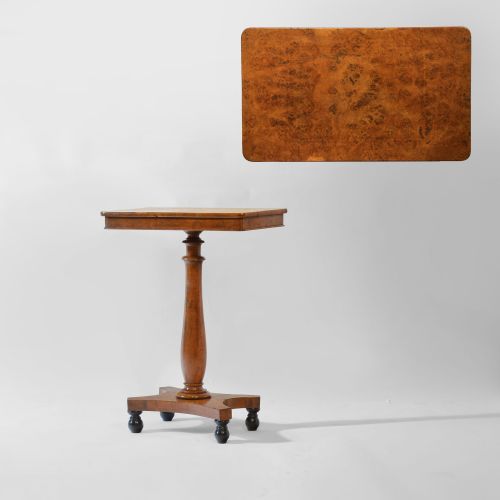
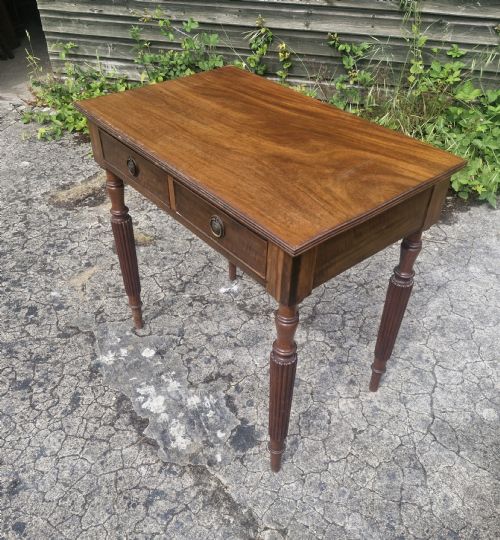
When searching for a rich brown occasional table, buyers encounter a versatile assortment of small movable furniture designed for practical household use. These pieces serve multiple functions around the home, appearing as side tables, lamp tables, wine tables, and tilt-top designs.
The pieces on this page span several distinct eras, with nineteenth-century, Victorian, and Edwardian examples appearing frequently alongside Georgian and Regency specimens. Mahogany and rosewood form the backbone of these listings, offering deep, rich brown patinas built up over generations.
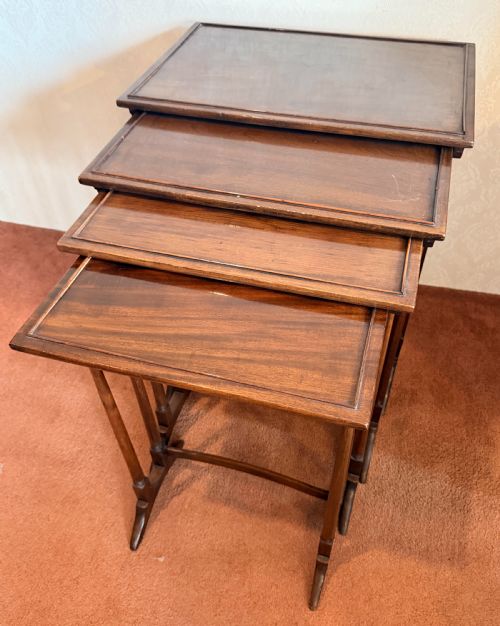
Smaller formats dominate the selection, including tripod bases, drop-leaf mechanisms, and nests of tables. Buyers most often meet timber surfaces finished with polished wax, highlighting the natural grain and depth of the wood.
How they were made
Cabinetmakers utilised solid hardwoods and choice veneers, selecting mahogany, rosewood, walnut, and fruitwood for their density and rich colour. Timber was often turned for legs and columns, or joined using traditional methods to build sturdy frames that endured daily use.
Surfaces were frequently finished with hand-rubbed French polish or wax, sealing the grain while deepening the natural brown tones of the wood. Inlay work in satinwood or other contrasting timbers sometimes decorates the tops, adding delicate geometric or floral patterns.
Moving parts such as tilt-top mechanisms, drop-leaf hinges, and folding campaign frames required precise metalwork in brass to ensure smooth operation. These functional elements were integrated directly into the timber structure without compromising stability.
Some clever campaign tables from the late Georgian era packed down flat into travel chests, proving ancestors loved clever flat-pack furniture just as much.
What varies in quality
The selection of timber dictates much of the visual appeal, with figured mahogany and richly grained rosewood marking the higher end of the range. Cabinetmakers who matched grain patterns across table tops and drop leaves produced pieces of greater visual harmony.
Construction details differentiate standard utility items from finer workshop output, particularly in the precision of the joinery and the turning of tripod legs. Subtle enhancements like brass castors, fine string inlay in satinwood, and well-executed tilt mechanisms indicate superior manufacture.
Gillows
The Rich Brown Occasional Table Glossary
- Tilt-top table
- A table with a hinged top that pivots vertically, allowing it to be stored flat against a wall when not in use. This clever space-saving mechanism became especially popular during the Georgian and Victorian periods.
- Tripod base
- A pedestal support resting on three individual legs, commonly found on small occasional and wine tables. This design ensured stability on uneven floors.
- Pembroke table
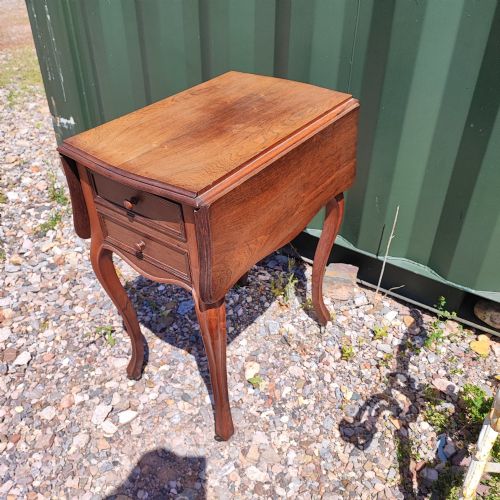
- A small drop-leaf table featuring hinged flaps on two opposing sides and frequently a single drawer. It was designed to be easily moved around a drawing room.
- Spider leg table
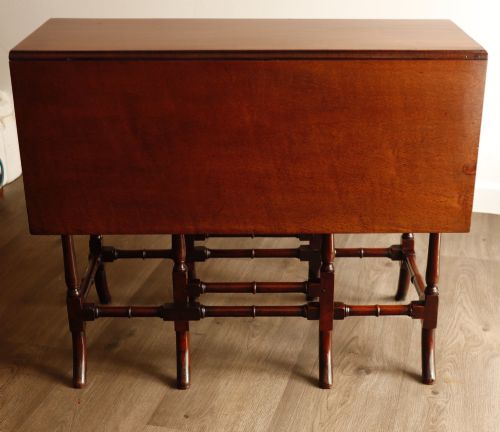
- A slender, delicate table featuring numerous thin turned legs connected by stretchers. This form provides a light appearance while maintaining structural support.
- Sustain table
- A narrow drop-leaf table that folds compactly when closed and expands via folding gatelegs. The style originated in the nineteenth century for tea and writing use.
Rich Brown Occasional Table: Frequently Asked Questions
What is an occasional table used for?
An occasional table provides a convenient surface for lamps, drinks, or books within a living space. These movable pieces adapt easily to different rooms as household needs change.
Historically, specific variants served dedicated purposes such as holding tea sets, displaying decorative items, or supporting writing materials. Their compact proportions made them essential furniture in traditional interiors.
How do I identify a Georgian table?
Georgian tables generally display restrained classical proportions, solid mahogany construction, and understated decorative elements like carved tripod legs or subtle brass fittings. The timber often shows a deep, mature brown patina developed over centuries.
Later Victorian interpretations tend to be heavier in scale with more ornate turning or applied mouldings. Comparing the leg profiles and timber selection helps distinguish the eighteenth-century examples from nineteenth-century revivals.
Are drop-leaf tables sturdy?
Drop-leaf tables utilise hinged flaps supported by swing-out legs or pivoting brackets, providing a secure surface when fully extended. The stability depends on the tightness of the hinges and the fit of the joints.
While they fold down compactly for storage, the drop leaves function reliably for daily dining or serving when properly supported. Care should be taken not to place excessive weight on the unsupported edges of the leaves.
How do I care for a rosewood surface?
Rosewood surfaces benefit from occasional application of quality wax polish to maintain their deep brown lustre and protect the grain. Avoid placing them in direct sunlight or near heat sources to prevent the timber from drying out.
Promptly wiping away moisture prevents water marks from forming on the polished finish. Gentle dusting with a soft cloth keeps the surface clean without scratching the historical polish.