



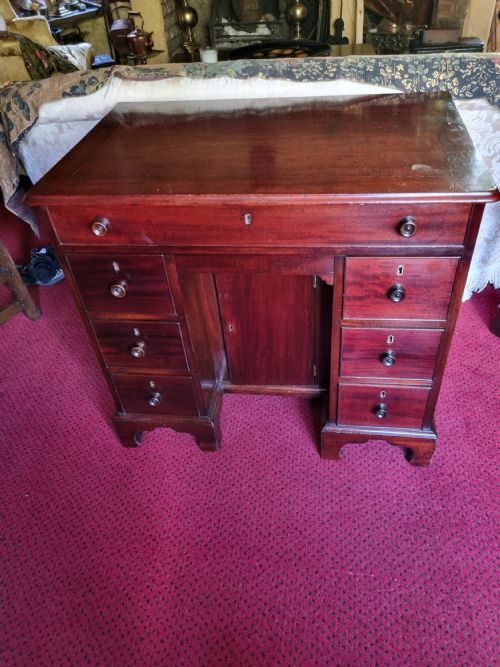


Rich Brown Mahogany Cupboard
A rich brown mahogany cupboard brings deep timber warmth and practical storage to a room, spanning periods from the Georgian era to the Edwardian years.
Rich Brown Mahogany Cupboard
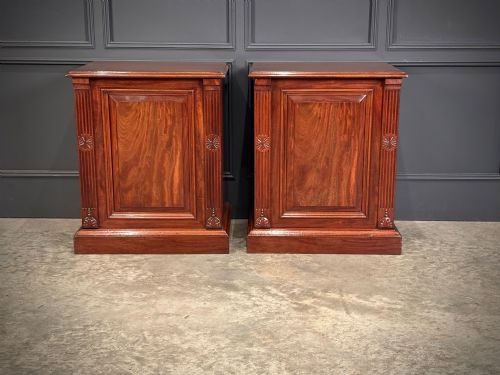
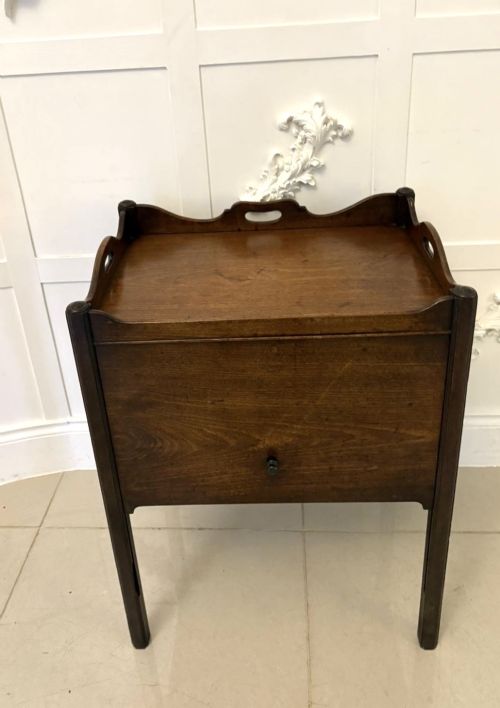
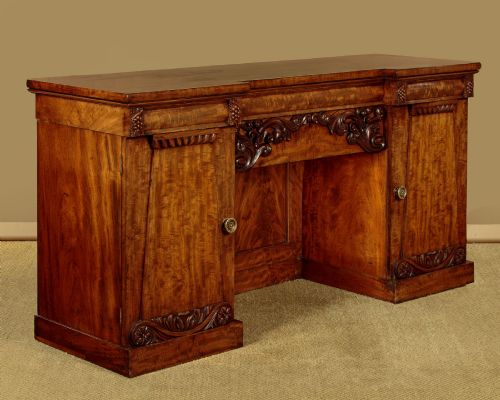
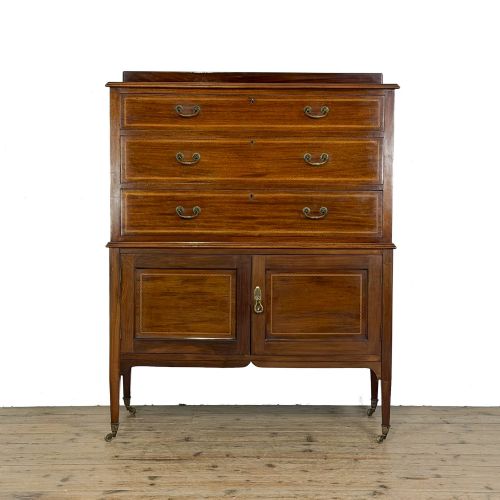
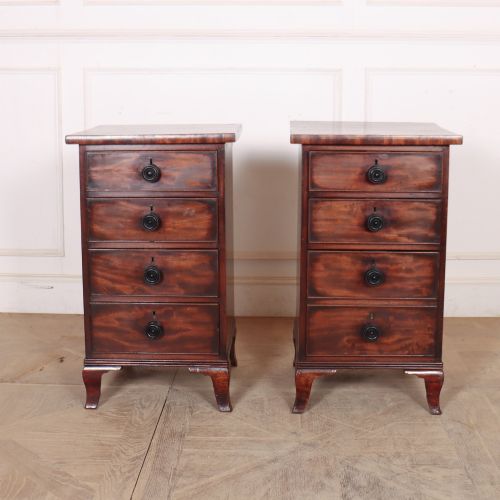
A rich brown mahogany cupboard encompasses a variety of practical forms designed for storage and display, appearing frequently as bedside cabinets, corner units, and larger sideboards. These pieces span centuries of cabinet making, drawing on Georgian, Victorian, and Edwardian traditions.
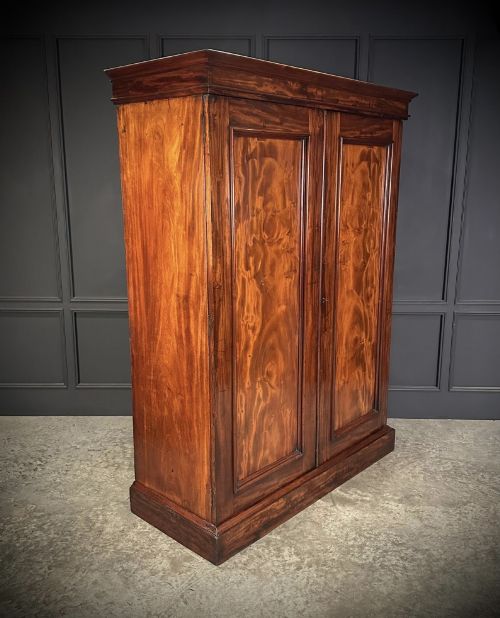
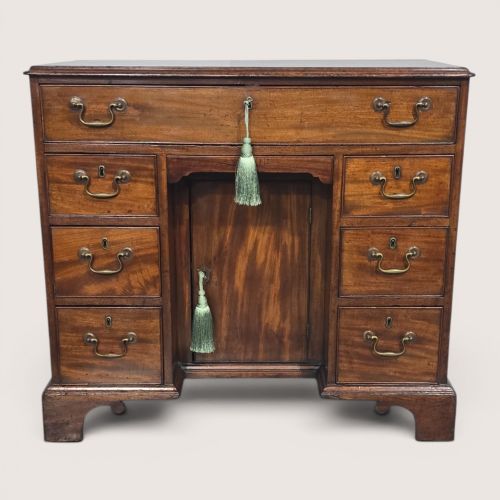
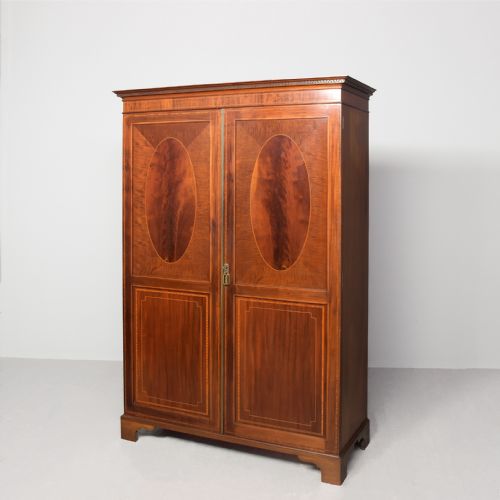
Buyers will encounter freestanding pedestal cupboards alongside wall-hanging corner cabinets and larger wardrobes or linen presses. The selection ranges from compact bedside night tables to substantial office filing drawers and desks.
Origins stretch across English, French, Italian, and Danish workshops, reflecting diverse regional interpretations of mahogany furniture. The common thread remains the use of rich timber tones and functional internal shelving or drawers.
How they were made
Cabinet makers built these pieces primarily using solid mahogany and mahogany veneer, often enhanced by flame mahogany veneer for visual depth. Secondary structural elements and decorative accents occasionally incorporated satinwood, walnut, and maple.
Functional details relied on brass hardware for handles, hinges, and locks, sometimes accompanied by glass panels in display doors or hanging cabinets. Metal components were chosen both for utility and to complement the dark grain of the wood.
Rich Brown Mahogany Cupboard Retail Price Guide 2026
Typical asking prices for rich brown mahogany cupboard among the pieces listed under this phrase on Sellingantiques today, from the lower quarter to the upper quarter. They describe what is for sale here now, not the wider market.
Some miniature chests were built by trainees to prove their skills, offering full-scale joinery in miniature form.
What varies in quality
The distinction between tiers of craftsmanship rests on the selection of timber and the precision of the joinery. Pieces utilising figured grain or flame veneer demonstrate a higher ambition in surface design.
Hardware integration and internal arrangement also signal the standard of work. Original brass fittings and well-fitted locking mechanisms separate standard utility pieces from finer examples.
Edwards & Roberts
The Rich Brown Mahogany Cupboard Glossary
- Mahogany
- A durable tropical hardwood known for its reddish-brown colour and stability in furniture construction. It accepts polish exceptionally well.
- Flame Mahogany Veneer
- A thin slice of wood cut from the fork of the mahogany tree to create a distinctive, flickering flame pattern. It is applied to primary surfaces for visual impact.
- Pedestal Cupboard
- A single-door cabinet built on a columnar or pedestal base, designed to stand beside a bed or in a corner.
- Corner Cabinet
- A storage piece specifically shaped to fit into the ninety-degree angle of a room, available in standing or wall-hanging formats.
Rich Brown Mahogany Cupboard: Frequently Asked Questions
Where were these cupboards placed?
These cabinets served various domestic functions depending on their specific form and internal layout. Bedside versions rested next to sleeping quarters for night storage, while corner units utilised awkward angles in reception rooms.
Larger sideboards and wardrobes anchored dining spaces and bedrooms, providing substantial storage for linens, tableware, and garments.
How do I date a mahogany cupboard?
Dating relies on observing structural characteristics, hardware styles, and the predominant design influence of the period. Georgian and George III pieces exhibit classical proportions and traditional joinery, whereas Victorian and Edwardian examples often feature heavier mouldings or machine-made components.
Timber choice and veneer techniques also offer clues, as earlier makers relied on solid construction before decorative veneers became widespread in the nineteenth century.
Are these pieces suitable for modern homes?
The compact footprint of bedside tables and corner cabinets makes them straightforward to integrate into contemporary layouts. They provide functional enclosed storage without dominating a floor plan.
Larger sideboards and wardrobes offer practical storage solutions while introducing historic character and deep timber tones to a modern interior.