
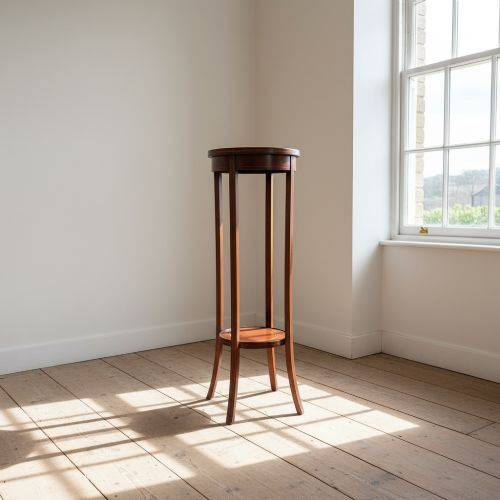
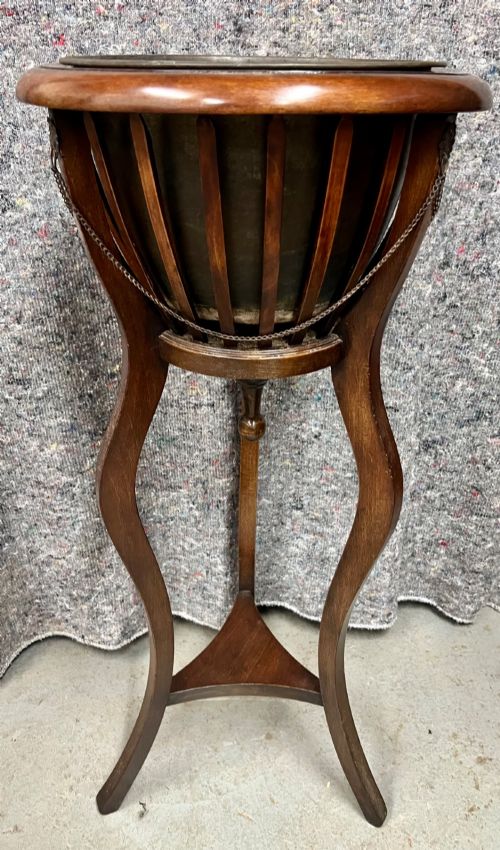
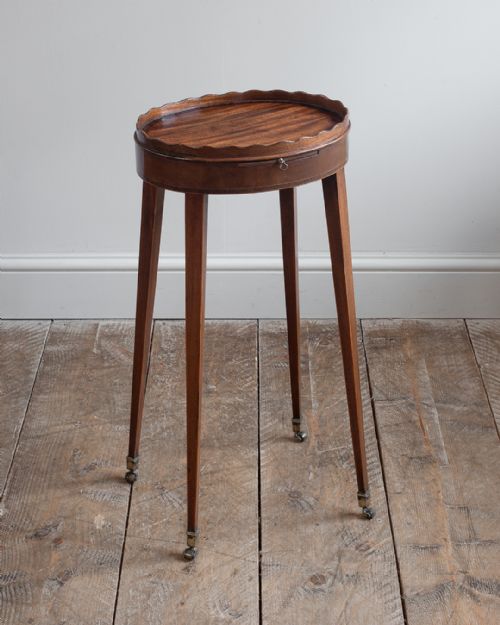
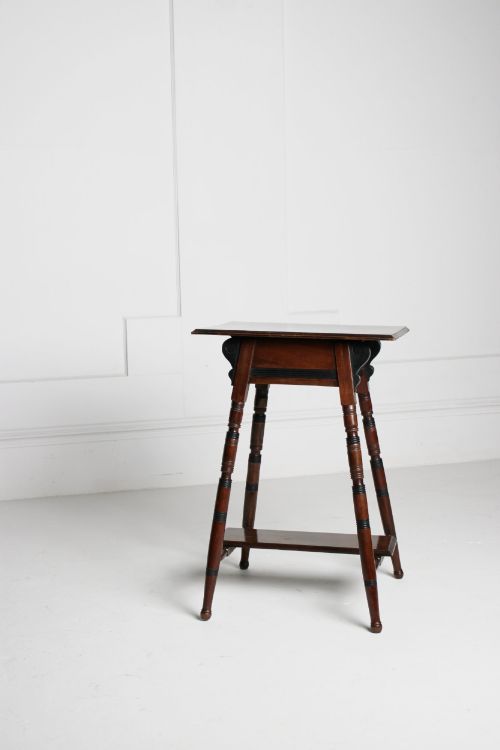
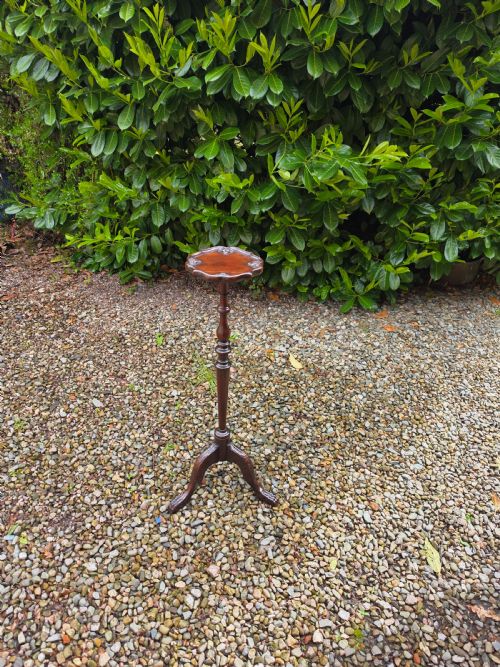
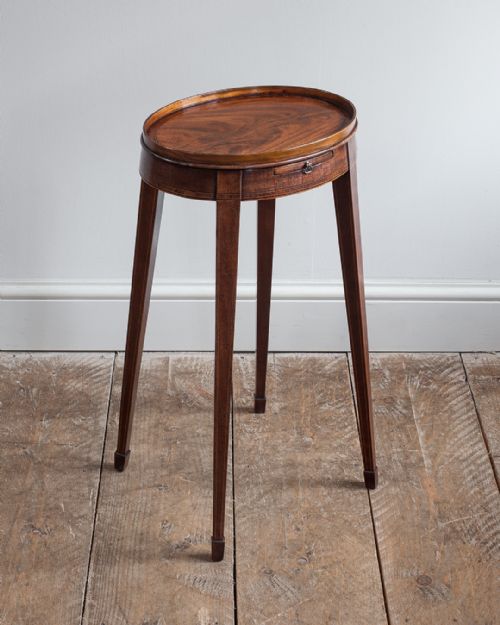

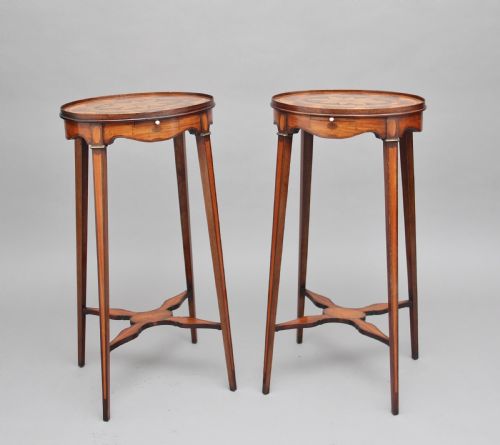
Mahogany Urn Stand Pedestal
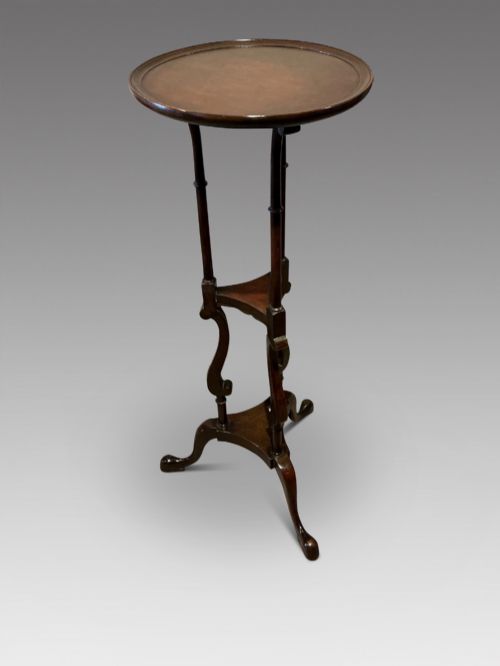
Mahogany urn stand pedestal pieces are tall, slender supports designed to elevate display vessels, bringing classic proportion and function to a room.
Mahogany Urn Stand Pedestal
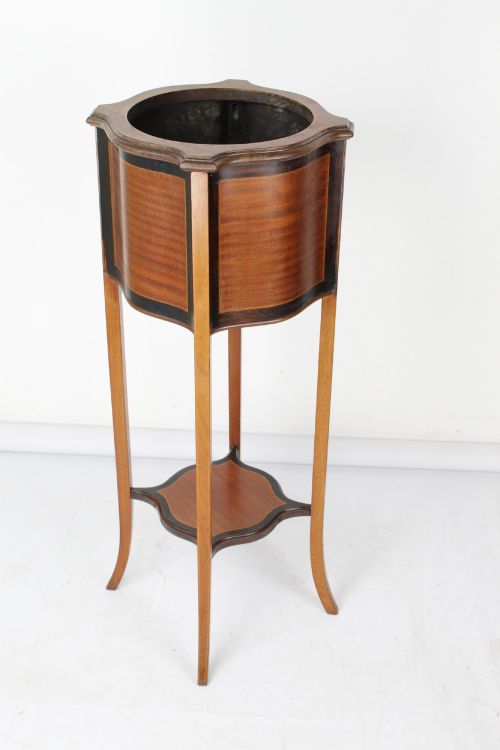
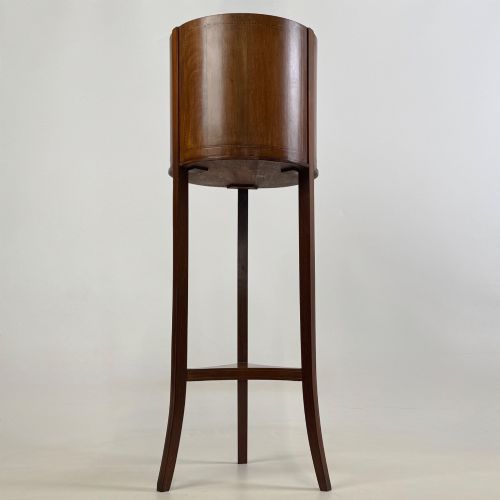
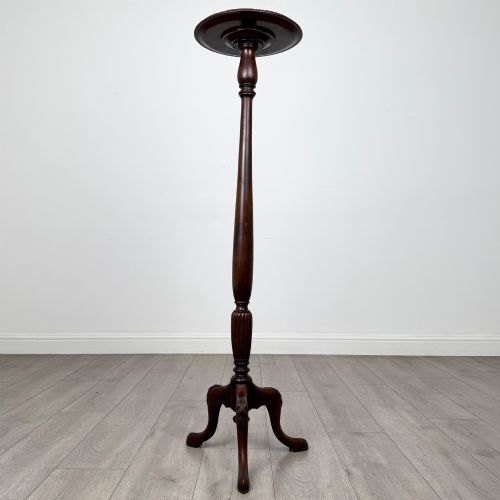
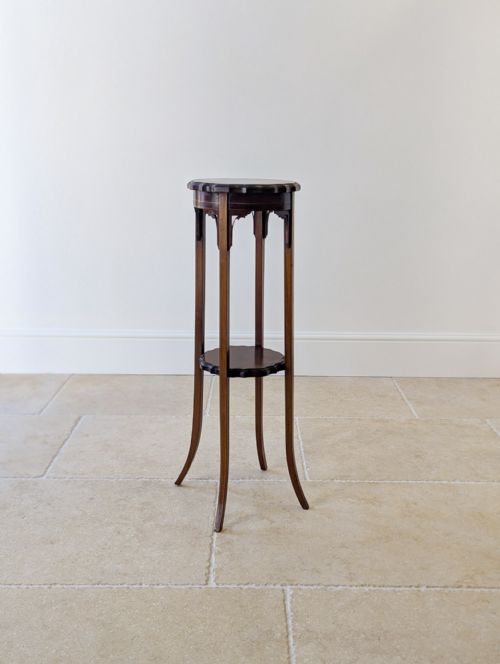
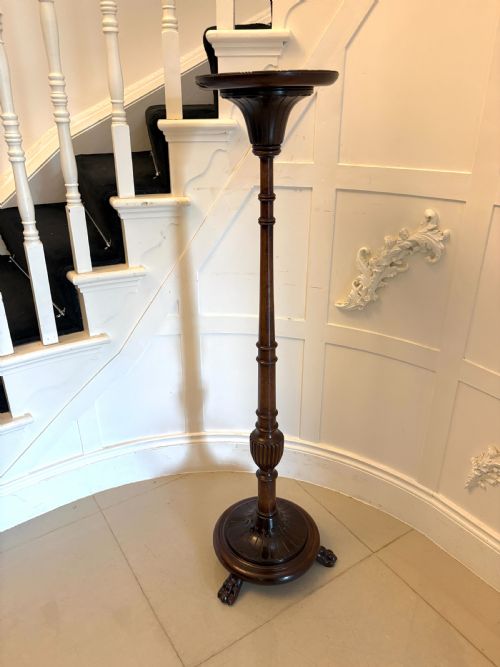
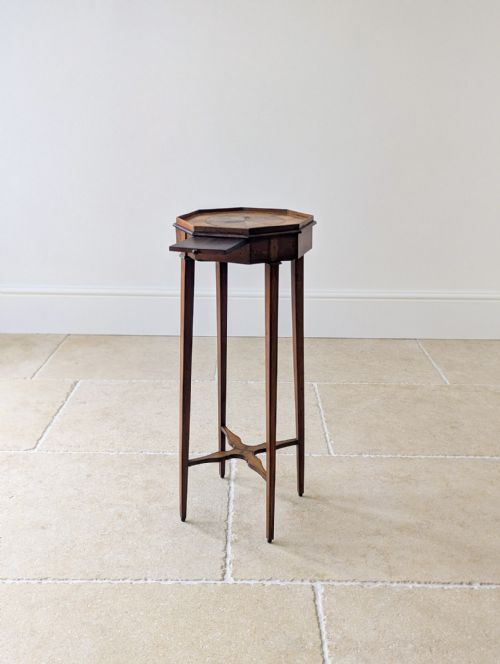
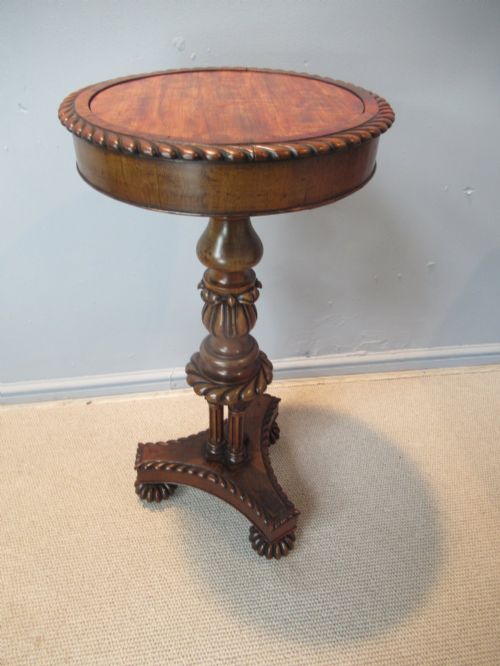
A mahogany urn stand pedestal serves as an elevated support for ornamental vessels, lamps, or plants, standing on slender legs or a central column. When you search for a mahogany urn stand pedestal, you encounter forms ranging from compact Georgian kettle stands to taller Victorian and Edwardian torchere columns.
The selection spans the eighteenth century through the Edwardian era, with Georgian and Regency examples sitting alongside later Chippendale revival and Chinese export pieces. Plant stands, occasional tables, and jardiniere stands share this tall, compact footprint.
Origin and style vary from English country house designs in mahogany and satinwood inlay to Qing Dynasty and Chinese hardwood pot stands inset with marble. These pieces function as focal points in corners or beside seating, designed to display decorative objects at eye level.
Materials and Construction
Makers utilised solid mahogany and exotic hardwoods like rosewood and hongmu, often enhanced with satinwood inlay or brass mounts. Tops take square, octagonal, round, or oval forms supported by carved torchere columns or slender cabriole and tapering legs.
Surface decoration relies on fine carving, contrasting stringing, and occasional marble insets. Joinery is concealed to maintain the clean vertical lines demanded of a pedestal or torchere.
Craftsmanship and Proportion
Quality rests in the crispness of the timber carving, the balance of the central column against the foot, and the precision of any inlay work. Finer examples display tight mahogany grain, balanced proportions, and original structural stability without excessive repair.
Secondary woods, the crispness of edge mouldings, and the integration of decorative elements such as brass or marble distinguish standard utility pieces from exceptional cabinet work.
Druce & Co London
The Mahogany Urn Stand Pedestal Glossary
- Kettle stand
- A small occasional table designed to hold a tea kettle over a spirit lamp during the eighteenth century. These often feature pull-out slides or raised edges.
- Jardiniere stand
- A specialised support intended to hold a plant container or flower pot. They frequently incorporate waterproof liners or recessed tops.
- Hongmu
- A dense, heavy Chinese hardwood often used in traditional furniture making. It possesses a deep natural colour and takes a high polish.
- Inlay
- A decorative technique where contrasting materials like satinwood are fitted into recesses within the primary mahogany surface.
Mahogany Urn Stand Pedestal: Frequently Asked Questions
What is the difference between a torchere and an urn stand?
A torchere is typically a taller, slender column designed for display, whereas an urn stand or kettle stand is a smaller table meant to hold a specific vessel at a convenient height.
Both serve similar decorative purposes in period interiors, but their proportions reflect their original functional roles.
How were these stands used historically?
These pieces elevated tea urns, water kettles, plants, and lighting fixtures above floor level to protect surfaces and display items prominently.
In grand rooms, they filled empty corners and added vertical interest to the furniture arrangement.
Can these stands support heavy plants today?
Most stands are structurally sound enough for standard potted plants or decorative lamps, provided the weight is centered properly over the base.
Heavier marble-topped or hardwood Chinese stands offer exceptional stability for substantial planters.
How do I identify a Georgian piece from a later revival?
Georgian pieces display period-specific timber patination, hand-cut joinery marks, and authentic wear patterns consistent with eighteenth-century use.
Revival pieces from the Edwardian era often feature machine-standardized construction details and brighter, less weathered mahogany surfaces.