

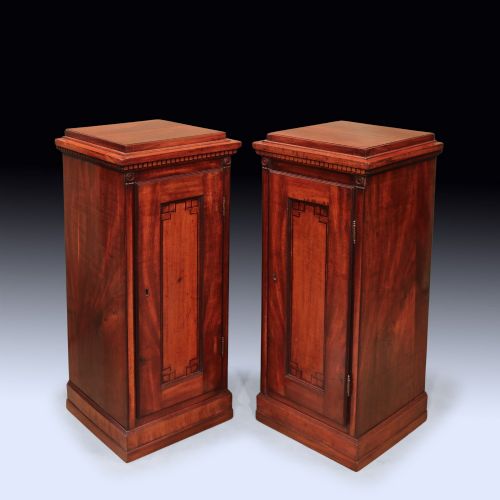


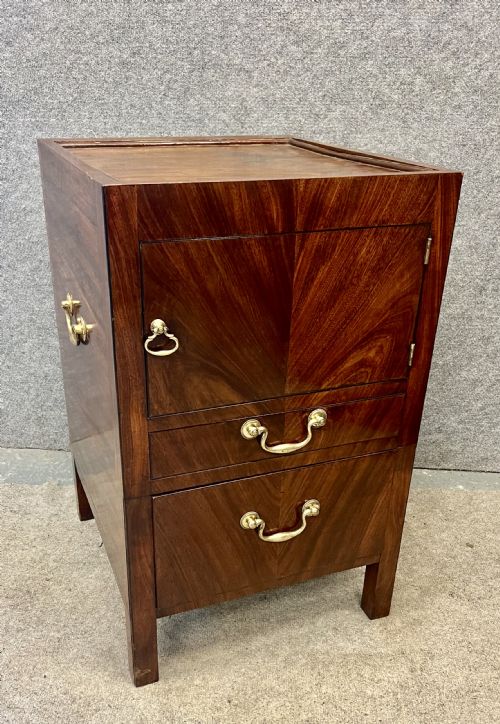


George III Pedestal Cupboard
These George III pedestal cupboard pieces bring Georgian craftsmanship into daily life, offering both concealed storage and classic proportions.
George III Pedestal Cupboard
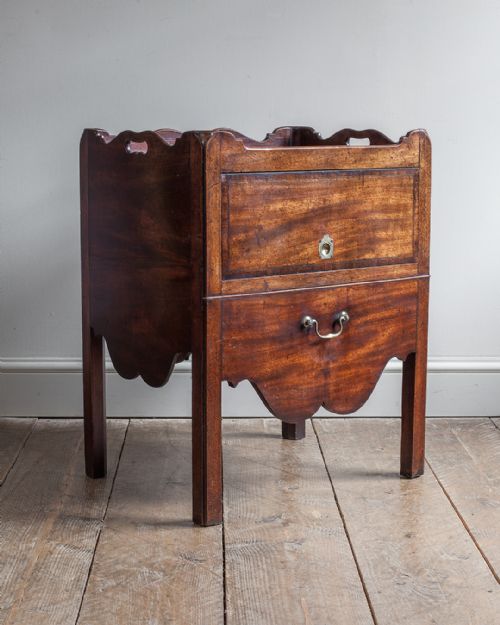
A george iii pedestal cupboard typically appears on this page as a bedside cabinet, side cabinet, or bedside table from the Georgian period.
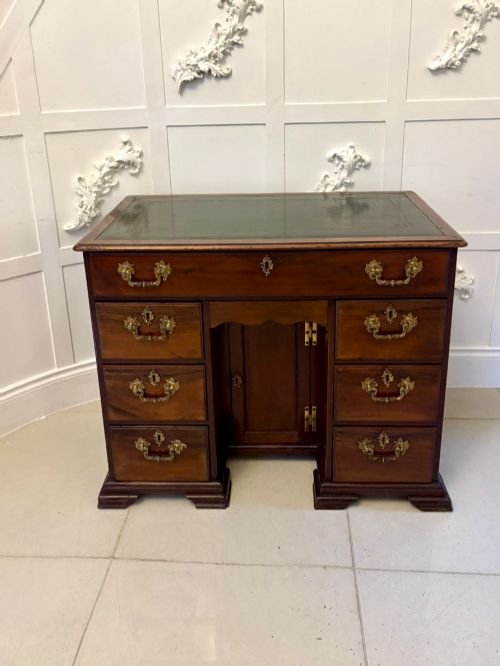
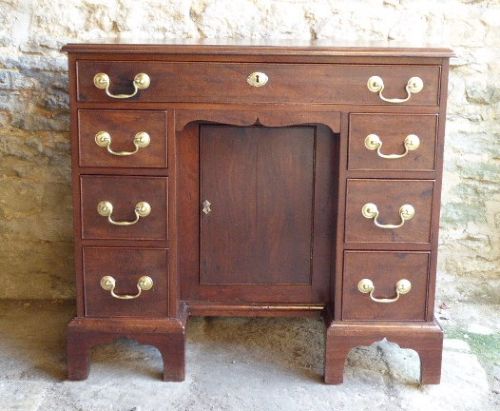
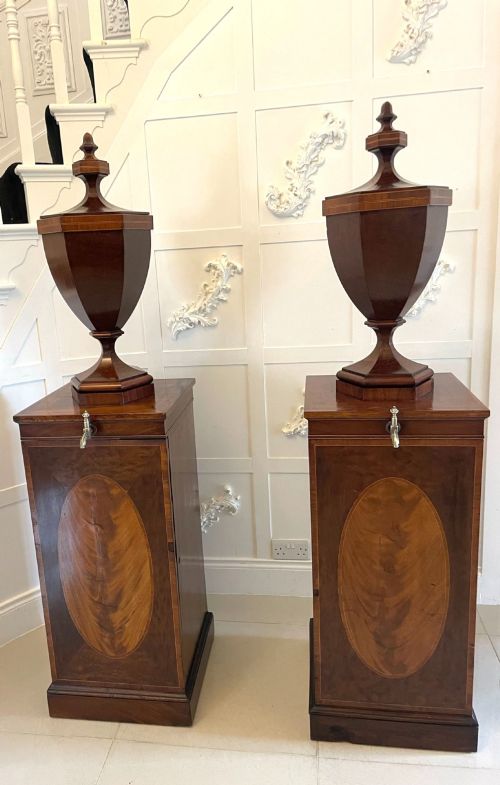
Buyers also encounter related forms such as kneehole desks and wine urns on pedestal cupboards, spanning the eighteenth and nineteenth centuries.
Mahogany forms the primary basis of these pieces, often paired with satinwood, oak, and boxwood inlay in Georgian and George III styles.
Construction and Materials
Cabinetmakers utilised solid mahogany and flame mahogany veneer over secondary timbers like oak, shaping functional bedside and desk forms.
Detailed boxwood and satinwood inlay define the decorative surface work on George III Neoclassical pieces.
Original brass hardware and fittings complete the structural build of these eighteenth and nineteenth century cabinets.
George III Pedestal Cupboard Retail Price Guide 2026
Typical asking prices for george iii pedestal cupboard among the pieces listed under this phrase on Sellingantiques today, from the lower quarter to the upper quarter. They describe what is for sale here now, not the wider market.
Listings on this page span the Georgian period, the eighteenth century, and later nineteenth and twentieth century pieces.
Assessing Quality
The choice of timber creates a distinct visual hierarchy, where well-figured flame mahogany veneer and crisp boxwood inlay elevate a piece above plain surfaces.
Proportion and structural restraint separate refined Georgian items from later nineteenth and twentieth century interpretations.
The George III Pedestal Cupboard Glossary
- Pedestal cupboard
- A freestanding enclosed cabinet designed to support an urn or stand beside a bed. These units provide compact interior storage.
- Flame mahogany
- A veneer cut from the fork of the mahogany tree where the branches join the trunk. This produces a dramatic, flickering grain pattern.
- Kneehole desk
- A writing table featuring a central recess for the legs flanked by banks of drawers. Georgian examples often incorporate pedestal proportions.
- Boxwood inlay
- Contrasting pale wood inserted into recesses on the cabinet surface to create geometric or floral borders.
George III Pedestal Cupboard: Frequently Asked Questions
What is a pedestal cupboard?
A pedestal cupboard is a freestanding enclosed cabinet designed for utilitarian storage beside a bed or as a side table.
These pieces typically date from the Georgian era and feature single doors concealing shelves or compartment space.
How do I style a pedestal cupboard?
These cabinets function well as bedside tables or compact side storage units in living spaces.
Their classical proportions allow them to sit alongside both period furniture and modern interiors.
What timber was used?
Makers relied heavily on mahogany, often selecting figured flame veneer for primary surfaces.
Secondary timbers like oak appear inside, alongside decorative stringing in satinwood and boxwood.
Are these pieces strictly Georgian?
While many date from the Georgian period and the eighteenth century, the selection includes nineteenth and twentieth century interpretations.
Construction details and timber choices help distinguish original eighteenth-century work from later revivals.