

Rich Brown Mahogany Cabinets
Rich brown mahogany cabinets bring warmth to a room, offering practical storage through Georgian, Victorian and Edwardian craftsmanship.

Rich Brown Mahogany Cabinets
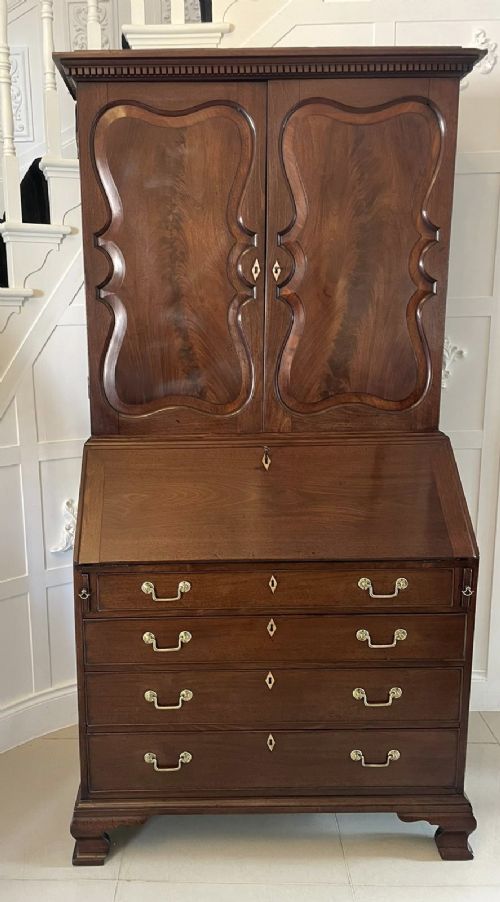
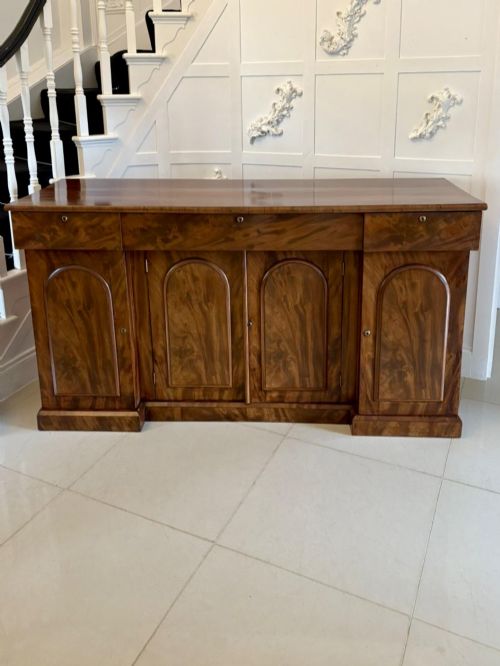
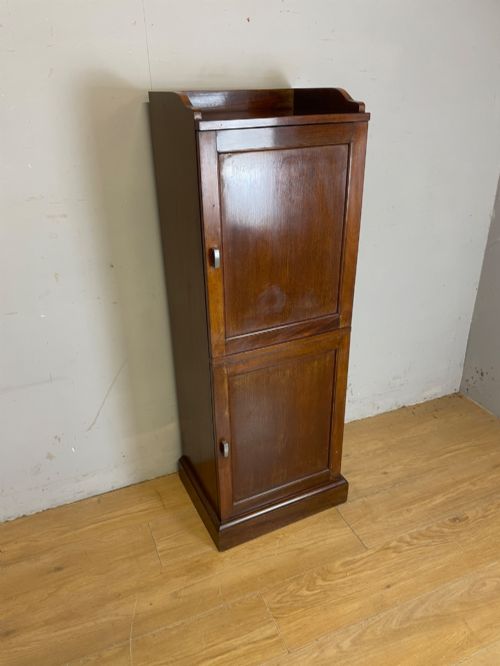
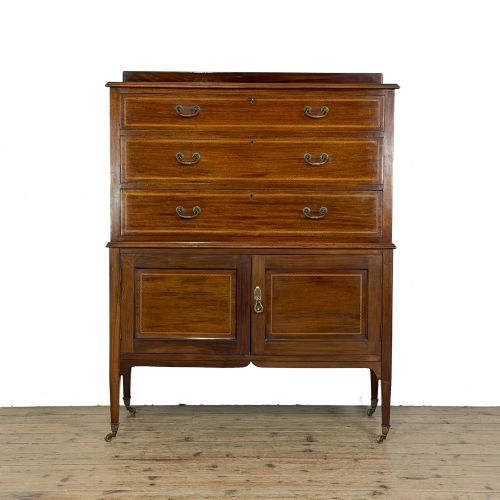
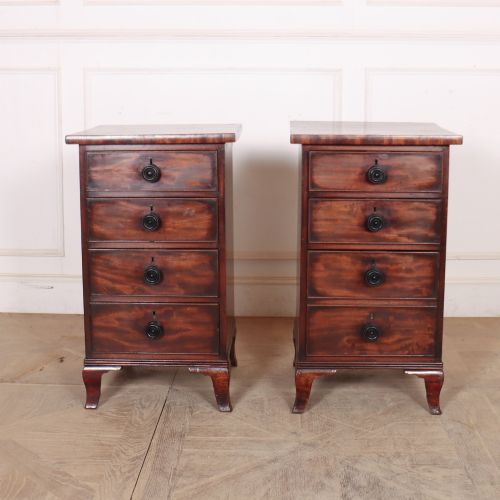
Rich brown mahogany cabinets encompass a diverse selection of furniture spanning the Georgian, Victorian, and Edwardian periods, alongside later twentieth-century interpretations. Buyers searching this phrase encounter practical storage forms including bedside cupboards, sideboards, filing cabinets, and bureau bookcases.
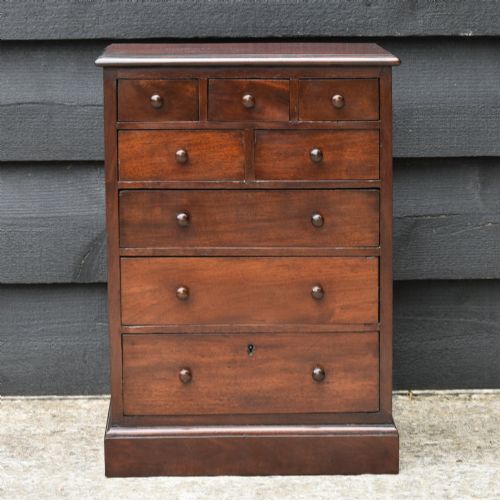
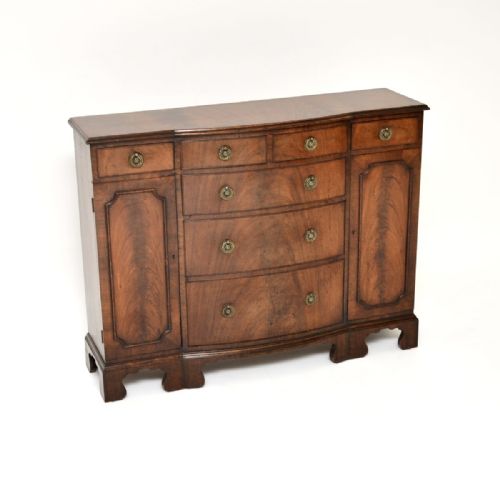
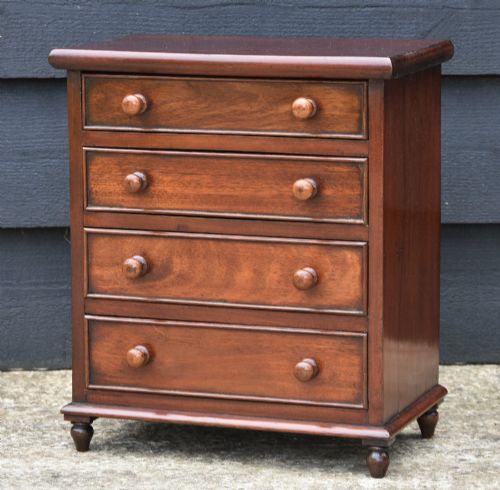
The assortment on this page leans heavily towards Victorian and Edwardian iterations, though pieces from the eighteenth century appear regularly. Smaller examples such as miniature chests, bedside tables, and table-top display pieces sit alongside large breakfront sideboards and sectional bookcases.
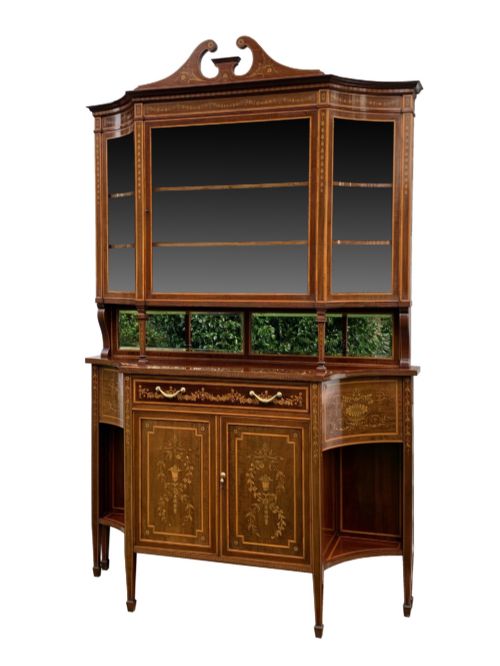
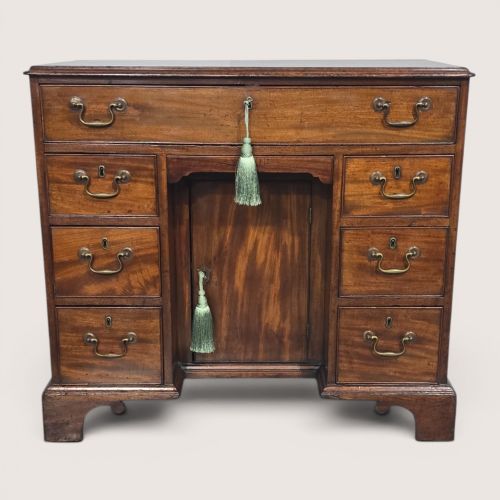
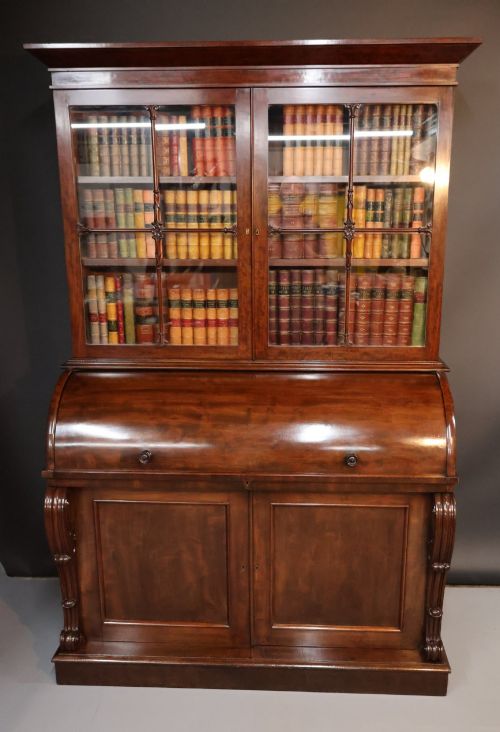
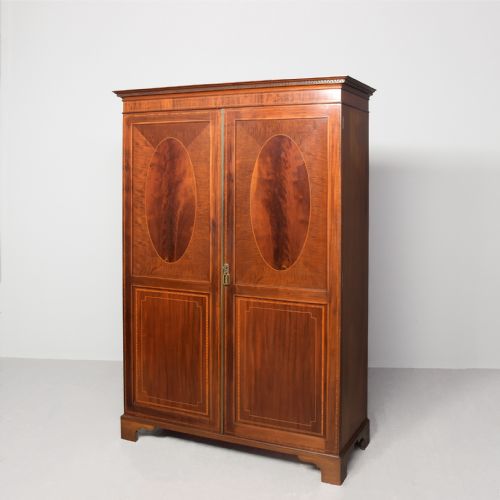
Makers and designers from different decades adapted the timber to changing domestic needs, producing everything from gentleman's desks and cylinder bookcase units to specialised collectors' cabinets. The unifying factor remains the deep brown timber, often enhanced by flame veneers, inlay, or brass hardware.
Materials and construction methods
Makers utilised solid mahogany alongside mahogany veneer and flame mahogany veneer, often pairing the primary timber with secondary woods for internal drawer linings and carcass backs. Surfaces frequently received contrasting stringing or marquetry in satinwood, while brass handles, escutcheons, and hinges provided functional and decorative accents.
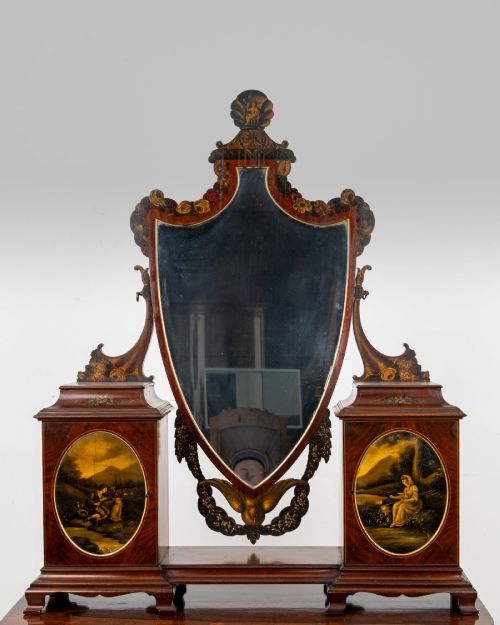
Cabinetmakers employed traditional joinery techniques suited to the period, building structural carcases designed to withstand heavy domestic use over centuries. Glass panels feature in display cabinets and bookcase doors, while specialised items incorporate mirrored glass elements like table-top cheval mirrors.
Assessing cabinet quality
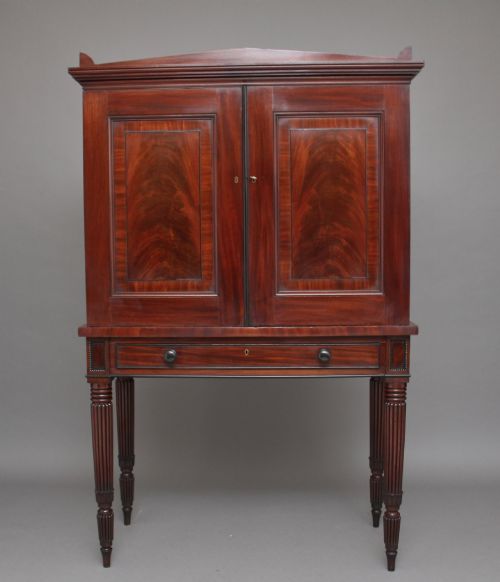
Distinction across the range rests upon the selection of timber, particularly the depth of figure in figured mahogany and flame mahogany veneers. Cabinets exhibiting carefully matched grain patterns across drawer fronts and doors demonstrate superior craftsmanship.
Attention to detail in the original construction elevates certain items, such as finely cut marquetry inlay, well-fitted brass hardware, and smoothly operating drawers. The integration of secondary timbers and the crispness of carved mouldings further separate standard utility pieces from exceptional examples.
Edwards & Roberts
The Rich Brown Mahogany Cabinets Glossary
- Flame mahogany
- A veneer cut from the fork of the mahogany tree, producing a distinctive flickering flame-like pattern across the timber surface. This decorative grain was highly prized by cabinetmakers for principal display surfaces.
- Bureau bookcase
- A dual-purpose piece combining a sloping writing flap that opens to reveal internal pigeon holes with enclosed shelving above. These units served as both personal desks and household libraries.
- Breakfront
- A cabinet design where the central section projects forward from the flanking outer sections. This architectural arrangement creates depth and visual interest on large sideboards and bookcases.
- Secretaire
- A desk or cabinet featuring a pull-down writing drawer that conceals a fitted interior with small drawers and compartments. It often combines the storage of a chest with the workspace of a bureau.
Rich Brown Mahogany Cabinets: Frequently Asked Questions
What periods do these cabinets come from?
The listings span several distinct eras, beginning with eighteenth-century Georgian pieces and extending through the Regency, William IV, and Victorian periods. Edwardian items and early twentieth-century examples are also represented.
Each era brought different design priorities, ranging from formal George III styles to the functional office filing furniture of the early twentieth century.
How were miniature cabinets used?
Miniature chests and cabinets served multiple purposes historically, sometimes acting as apprentice pieces to demonstrate woodworking mastery. Others functioned as salesman samples or specialty tabletop containers for small personal items.
Today, buyers often place them on larger pieces of furniture or desks to provide compact storage for small collections or trinkets.
What is a Wellington chest?
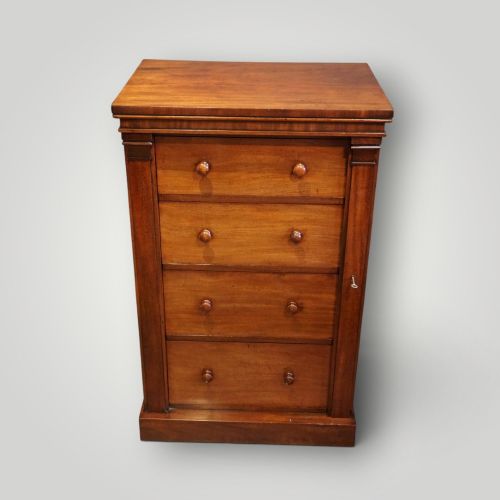
A Wellington chest is a tall, narrow set of drawers secured by a hinged locking side flap that fastens with a key. This design originated in the nineteenth century to protect the contents securely.
They offer substantial vertical storage while occupying a minimal floor footprint, making them practical for tighter spaces in modern homes.
How do I care for mahogany furniture?
Mahogany benefits from stable indoor humidity and protection from direct sunlight, which can alter the rich brown tone of the timber over time. Regular dusting with a soft, dry cloth preserves the polished surface.
Avoid placing damp items directly on the wood, and use appropriate traditional wax finishes sparingly to maintain the natural lustre of the grain.