




Rich Brown Breakfast Table
A rich brown breakfast table brings the warm grain of mahogany and gonçalo alves into a room, offering a versatile surface for dining or display.
Rich Brown Breakfast Table
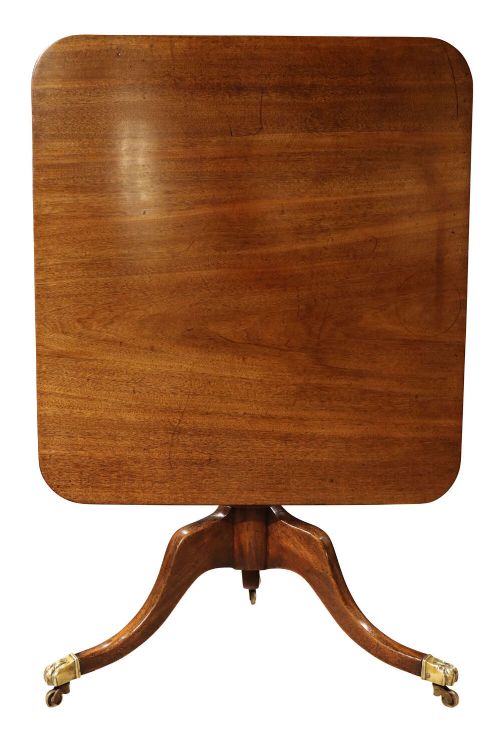
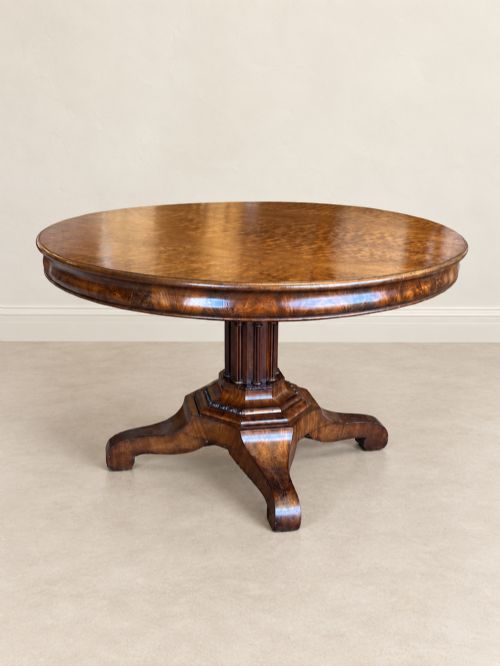
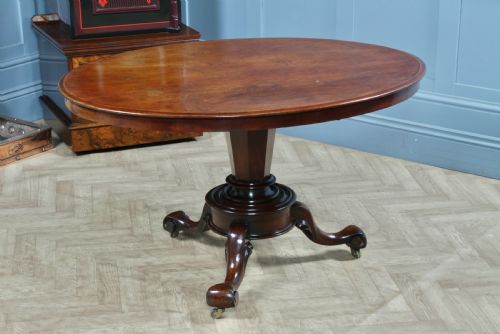
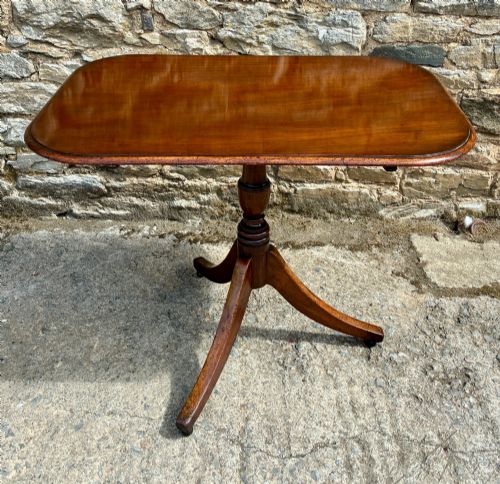
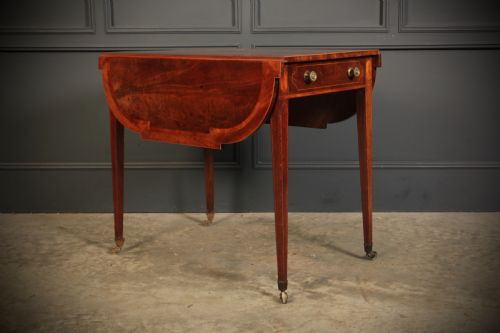
When you search for a rich brown breakfast table, you are looking at substantial timber furniture designed primarily for dining and domestic use during the Georgian, Regency, and Victorian periods. These pieces often feature dark, rich woods like mahogany and gonçalo alves, shaped into forms such as tilt-top tables, drop-leaf tables, and occasional tables.
The versions you are most likely to meet on this page span the nineteenth century, including Edwardian interpretations of Regency styles and solid William IV examples. They range from full-sized dining tables to miniature breakfast tables and centre tables, each displaying the characteristic dark timber tones of their era.
The construction of a rich brown breakfast table reflects the cabinet-making standards of the eighteenth and nineteenth centuries, utilising native and exotic hardwoods. Their forms developed to serve multifunctional spaces, functioning as breakfast tables, side tables, or prominent centre tables within the home.
How they were made
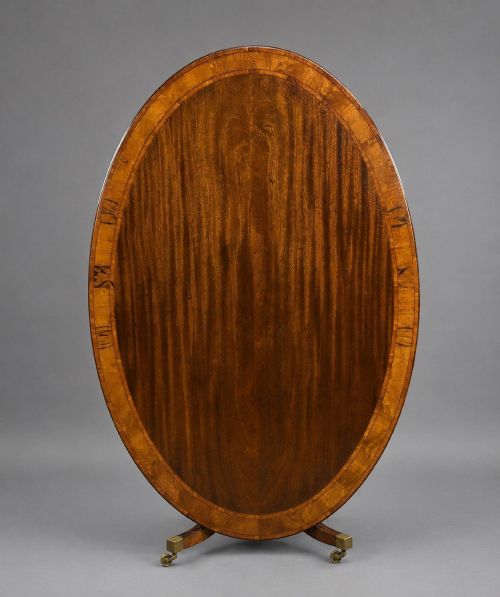
Makers of a rich brown breakfast table relied heavily on solid mahogany and exotic timbers such as gonçalo alves and rosewood, chosen for their deep natural colour and ability to take a smooth polish. These woods were often enhanced with subtle stringing or borders in boxwood and satinwood to define the edges of the top.
Construction techniques frequently included tilt-top or snap-top mechanisms, allowing the heavy timber top to be pivoted vertically when not in use to save space. Turning and carving were utilised on the central pillars and pedestal bases, supporting large circular or oval leaves without wobbling.
What varies in quality
The distinction between a standard piece and a superior rich brown breakfast table often lies in the selection of the timber grain and the crispness of any inlaid woodwork. Richer figures in the mahogany or gonçalo alves show greater depth and chatoyancy under the polish.
Structural integrity in the tilt-top or snap-top mechanism separates finer examples from simpler ones, ensuring the table top locks firmly into a horizontal position without movement. The weight and stability of the pedestal base also dictate how well the table bears heavy daily use.
The Rich Brown Breakfast Table Glossary
- Tilt top
- A table construction featuring a hinge mechanism that allows the top to be folded vertically. This practical design enabled the furniture to be pushed against a wall when not in use.
- Gonçalo alves
- An exotic hardwood known for its striking, rich brown figuring and contrasting dark streaks. It was frequently utilised in high-status Regency and William IV furniture.
- Pembroke table
- A small, versatile table with hinged flaps on either side that can be raised or lowered. It typically includes one or more drawers and rests on four legs.
- Stringing
- A narrow line of contrasting inlay wood, such as boxwood or satinwood, set flush into the surface of the primary timber. It provides a crisp border to tabletops and drawers.
Rich Brown Breakfast Table: Frequently Asked Questions
What is a breakfast table?
A breakfast table is a dining or occasional table originating from the Georgian and Regency periods, historically used for morning meals in private rooms.
Unlike large formal dining tables, these pieces were often designed with pedestal bases or drop leaves so they could be moved or folded away easily.
What woods were used for these tables?
The primary timber seen across these pieces is mahogany, valued for its deep brown colour, strength, and smooth finish.
More decorative examples incorporate exotic woods like gonçalo alves and rosewood, sometimes accented with satinwood or boxwood inlay.
How do I fit one into a modern room?
A rich brown breakfast table works well as a centre table in a hallway or as an intimate dining option in a kitchen.
Because many feature tilt tops, you can also fold them flat against a wall to create extra floor space when needed.