
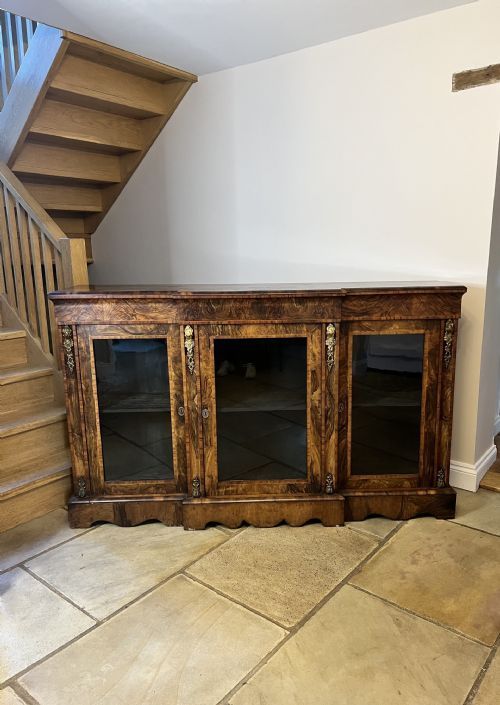


Rich Brown Bookcase
A rich brown bookcase brings warmth and order to a room, offering deep timber tones that anchor a study or library.
Rich Brown Bookcase
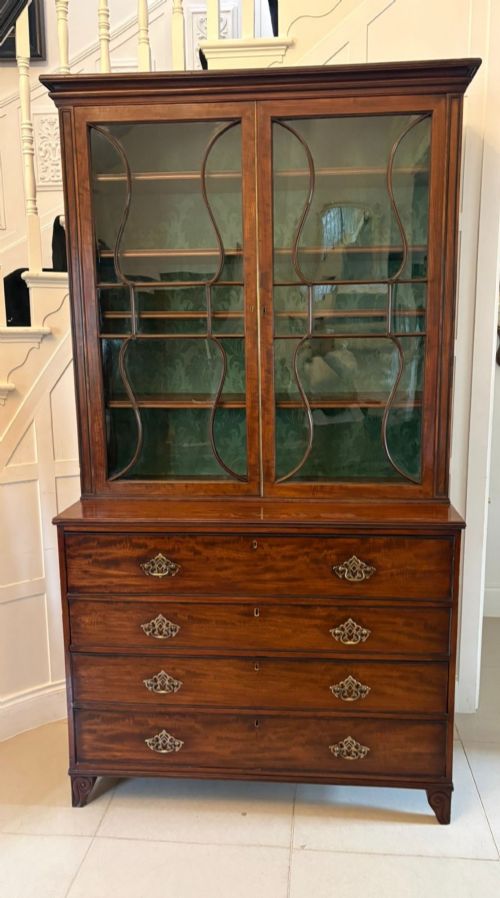
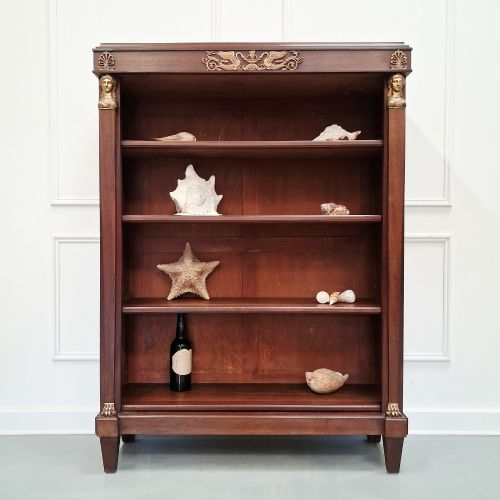
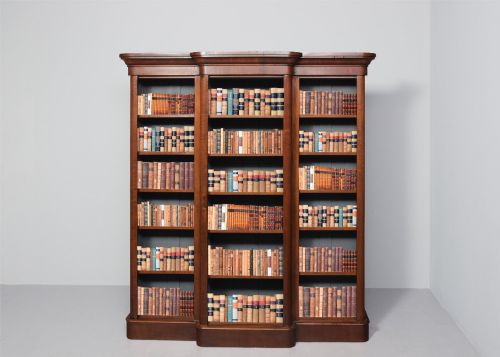
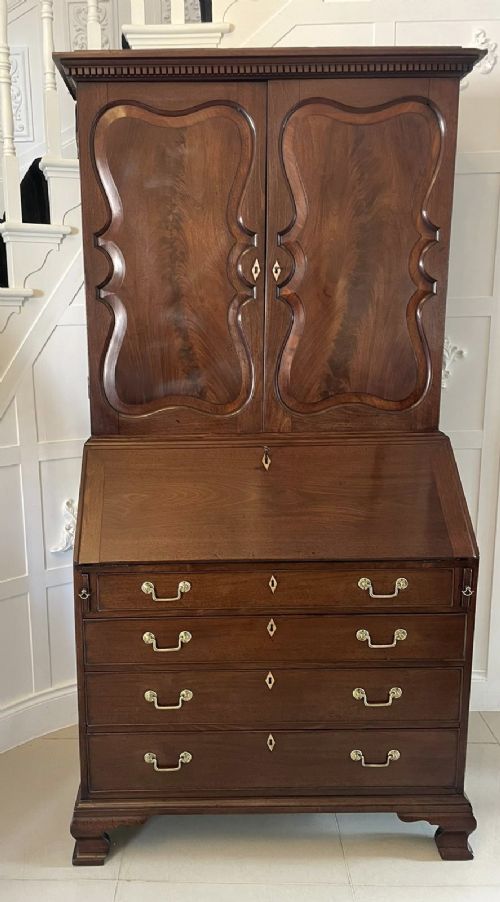
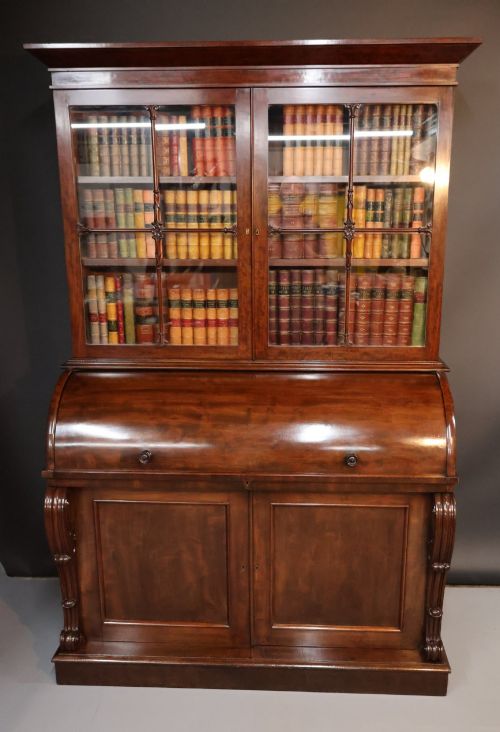
A rich brown bookcase provides sturdy storage for volumes and papers, appearing across periods from George II through to the Edwardian era. These pieces range from open library shelves to bureau bookcases and secretaire models fitted with desks.
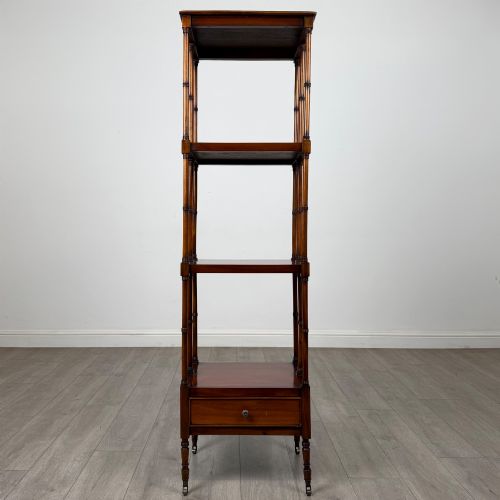
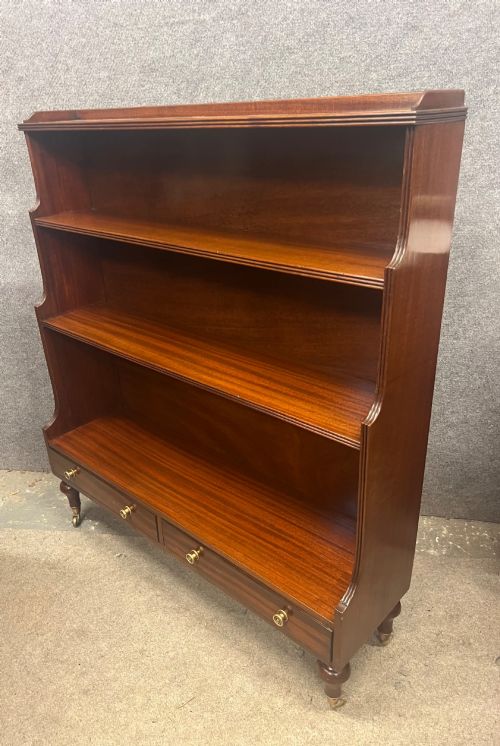
The mahogany version dominates the selection, often enriched with satinwood, burr walnut, or marquetry inlay. Cabinets and display units also join the group, alongside revolving stands, waterfalls, and multitier whatnots.
How they were made
Cabinetmakers built these pieces primarily in mahogany, employing timber selected for deep grain and colour. Marquetry inlay, wood inlay, and satinwood banding decorate the surfaces of formal cabinets and secretaires.
Makers integrated glass doors, brass mounts, and mirrored backs into breakfront and display designs. Revolving mechanisms and adjustable shelves added practical function to heavy timber construction.
Rich Brown Bookcase Retail Price Guide 2026
Typical asking prices for rich brown bookcase among the pieces listed under this phrase on Sellingantiques today, from the lower quarter to the upper quarter. They describe what is for sale here now, not the wider market.
Some Edwardian revolving bookcases let you spin your whole library with one finger.
What varies in quality
The distinction rests in the choice of timber figure, such as burr walnut or figured mahogany, and the precision of the cabinetwork. Fine examples feature integrated cylinder desks, well-executed marquetry, and substantial brass hardware.
Simpler open shelves and dwarf bookcases rely on proportion and timber grain rather than elaborate inlay or complex mechanical fitted interiors. The graduation from utility shelving to architectural breakfront pieces defines the range.
Edwards & Roberts·Shoolbred & Co
The Rich Brown Bookcase Glossary
- Bureau bookcase
- A piece combining a sloping desk flap with shelving above, often enclosing small drawers and pigeonholes. This form provides both writing space and enclosed book storage.
- Secretaire bookcase
- A cabinet featuring a pull-down drawer front that conceals a fitted writing desk, positioned beneath upper bookshelves. It offers concealed workspace without the slope of a traditional bureau.
- Waterfall bookcase
- A set of open shelves where each tier steps back from the one below it, creating a cascading profile. These pieces appeared in freestanding formats during the nineteenth and twentieth centuries.
- Whatnot
- A multitiered stand used for displaying books, ornaments, or small objects on open shelves supported by slender uprights. They date across the Victorian and earlier periods.
- Marquetry inlay
- Decorative patterns formed by fitting contrasting veneers into a prepared wooden ground, creating floral or geometric designs. This technique embellishes the doors and cornices of formal cabinets.
Rich Brown Bookcase: Frequently Asked Questions
How do I spot an Edwardian bookcase?
Edwardian bookcases often display lighter mahogany timbers, occasional satinwood banding, and sometimes glazed display doors or sectional stacking designs.
These pieces frequently date around nineteen hundred and tend to show slightly simpler proportions than heavy Victorian models.
Where were open bookcases used?
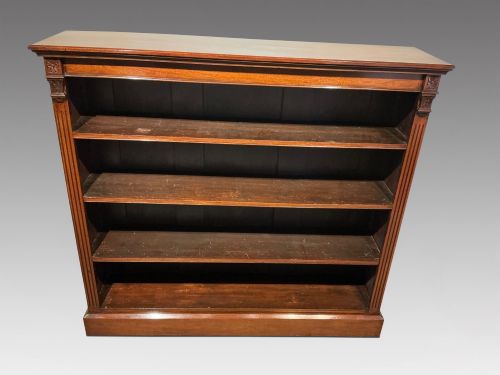
Open bookcases served primarily in libraries, studies, and drawing rooms for immediate access to frequently read volumes.
Unlike glazed cabinets, open shelves put book spines on direct display and suited working rooms rather than formal parlours.
What is a revolving bookcase?
A revolving bookcase is a compact freestanding stand set on a rotating base that allows access to books from any angle.
Edwardian examples often sit beside armchairs or desks to hold a small selection of current reference volumes.