




Ribbon Bow Wall Mirror
Ribbon bow wall mirrors bring together delicate carved ornamentation and gleaming glass, offering a touch of period elegance for any room.
Ribbon Bow Wall Mirror
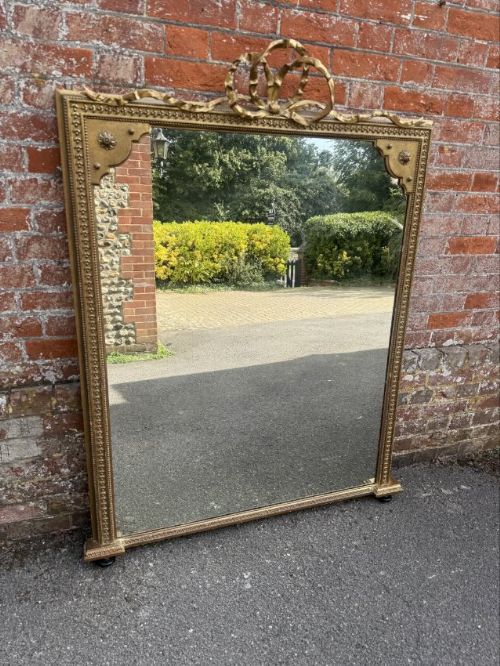
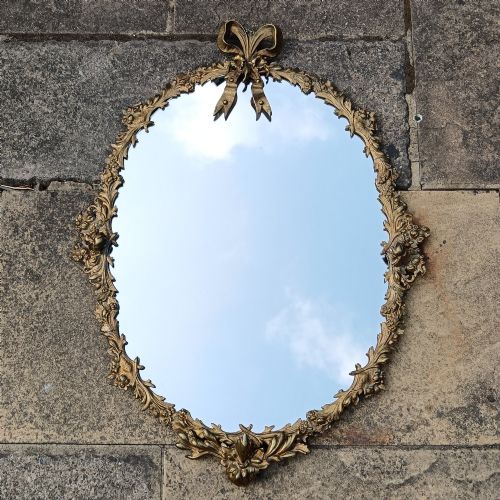
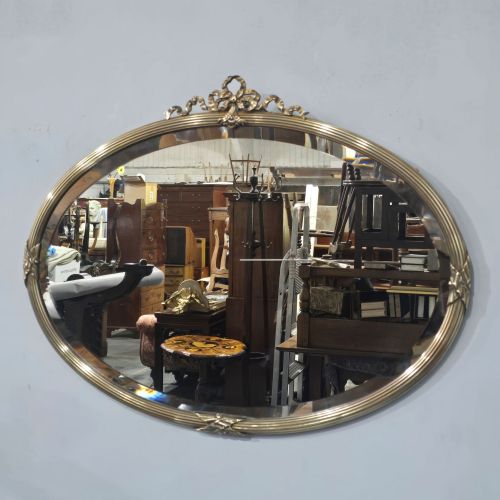
A ribbon bow wall mirror captures the decorative spirit of classic revivalism, combining functional glass with ornate framing. When searching for a ribbon bow wall mirror, buyers encounter various interpretations ranging from compact oval wall pieces to grand Victorian overmantels.
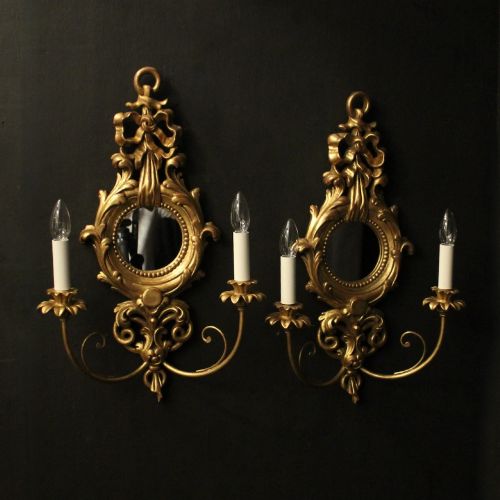
The selection on this page spans several distinct periods, notably the nineteenth century, Victorian era, and Edwardian times. Forms include simple hanging ovals alongside substantial arched overmantel mirrors and pairs of matching wall lights.
Stylistic influences lean heavily toward French Louis XVI and Adam revivals, often featuring carved wooden ribbons or cast metal bows surmounting the glass plate. These pieces serve as striking focal points above fireplaces or within hallway settings.
Materials and construction
Craftsmen utilised traditional methods to shape and finish these frames, employing carved wood, gesso, and giltwood to achieve rich surface textures. Gilt bronze and brass appear frequently, lending metallic weight and durability to smaller oval designs and wall lights.
Reflecting period techniques, mirror glass is often bevelled at the edges to catch the light, while timber foundations support intricate rope twist or ribbon motifs. Gilding and white paint finishes were carefully applied by hand to enhance the decorative relief.
Ribbon Bow Wall Mirror Retail Price Guide 2026
Typical asking prices for ribbon bow wall mirror among the pieces listed under this phrase on Sellingantiques today, from the lower quarter to the upper quarter. They describe what is for sale here now, not the wider market.
Materials recorded across the inventory include giltwood, gesso, gilt bronze, brass, and bevelled mirror glass.
Assessing quality and craftsmanship
The distinction between standard examples and finer pieces lies in the crispness of the carving and the depth of the gilding. Superior items display meticulously detailed ribbon and bow flourishes that look convincing rather than formulaic.
Materials also dictate the character of the object, with solid giltwood and cast gilt bronze representing a higher tier of production than simpler painted metals. Original mirror glass and intact structural joins further elevate the standing of a piece.
The Ribbon Bow Wall Mirror Glossary
- Giltwood
- Timber covered with a thin layer of gold leaf or gold paint. This finish creates a luminous, reflective surface popular in classical framing.
- Gesso
- A plaster-like mixture applied to wood frames to create a smooth surface for gilding. It allows artisans to carve intricate relief details with precision.
- Overmantel mirror
- A large mirror designed to hang directly above a fireplace mantel. These pieces often feature arched tops and substantial proportions to fill wall space.
- Girandole
- A decorative wall bracket holding candles or electric lights, frequently incorporating a mirror. The reflective glass multiplies the illumination in a room.
- Bevelled glass
- Mirror glass with edges cut and polished at an angle. This technique creates a prismatic border that catches and refracts light.
Ribbon Bow Wall Mirror: Frequently Asked Questions
Where should I hang a ribbon bow mirror?
These mirrors work best positioned above a fireplace mantelpiece, in a hallway, or as a focal point on a principal living room wall. Their decorative crests draw the eye upward, making them ideal for spaces with high ceilings.
Ensure the wall structure can support the weight of the frame, particularly for larger Victorian overmantel pieces or cast bronze examples.
How do I identify the period of my mirror?
Dating relies on examining the construction materials, the backing boards, and the style of the frame. Nineteenth-century and Victorian examples often feature hand-carved details and heavy timber framing.
Revival styles such as Louis XVI or Adam provide further clues, pointing to specific eras of design popularity during the eighteen and nineteen hundreds.
Are these mirrors heavy?
Many pieces possess significant weight due to the use of solid timber, gesso, and thick mirror glass. Larger overmantel formats require robust fixings and professional installation to secure them safely to the wall.
Smaller oval brass or gilt pieces are lighter and typically hang securely from a single sturdy wall anchor.
How do I clean an antique gilt frame?
Giltwood and gesso surfaces require gentle dusting with a soft, dry brush to remove particles without disturbing the finish. Avoid using liquid cleaners or commercial polishes, which can strip the gold leaf or damage the underlying composition.
Glass panels can be cleaned with a minimal amount of glass cleaner applied to a cloth rather than sprayed directly onto the mirror.