


Revolving Side Table
A revolving side table brings clever mechanics to small-scale furniture, offering rotating book storage and circular tabletops designed for effortless access.
Revolving Side Table
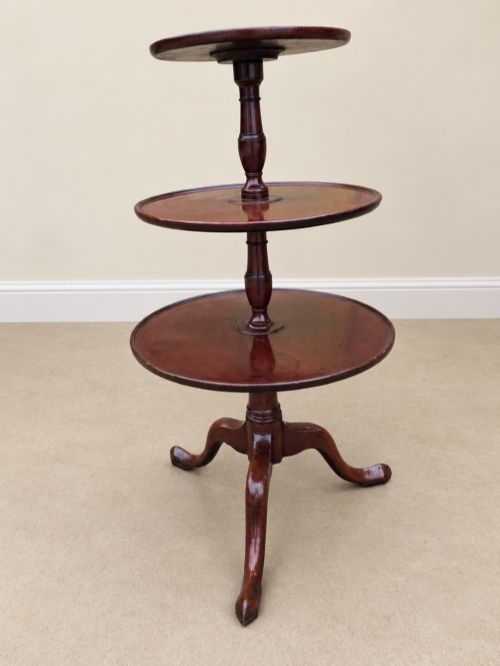
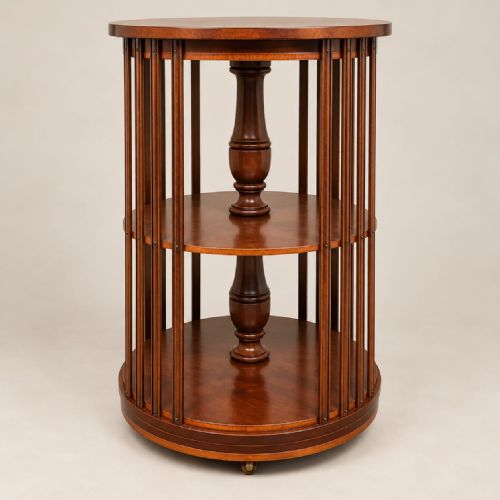
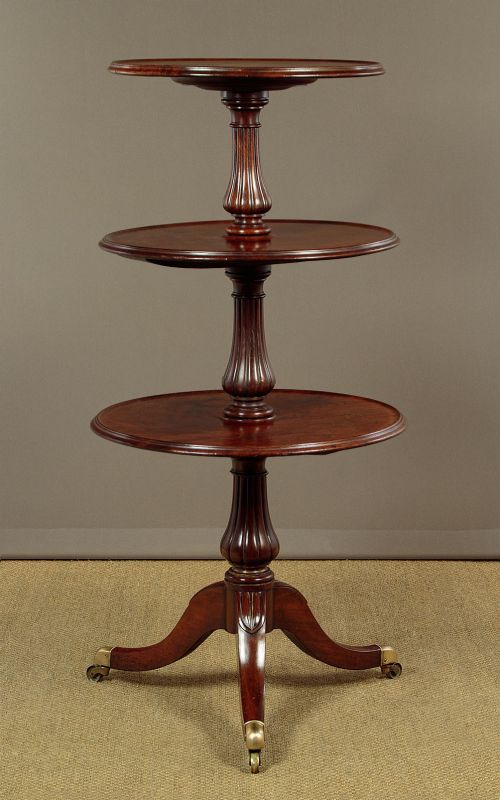
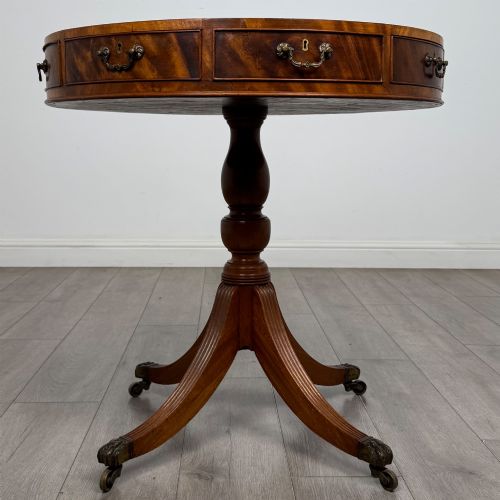
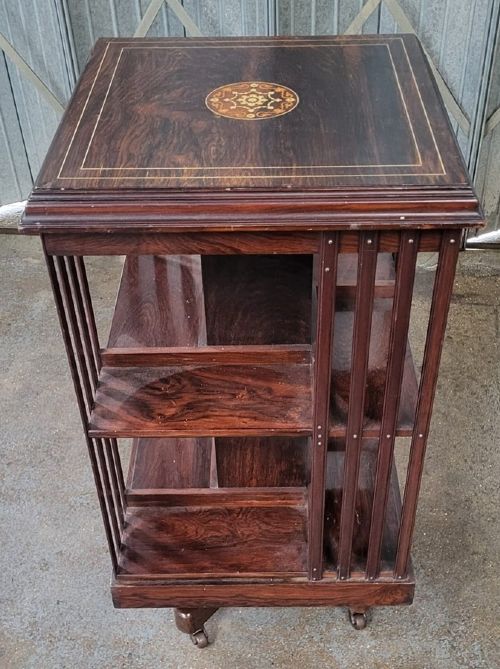
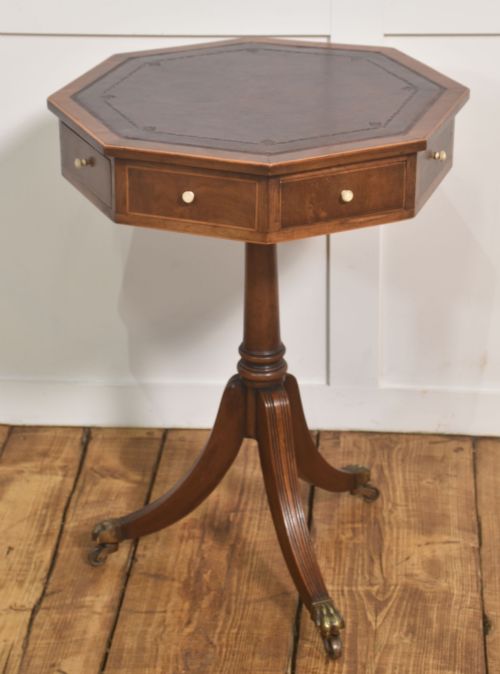
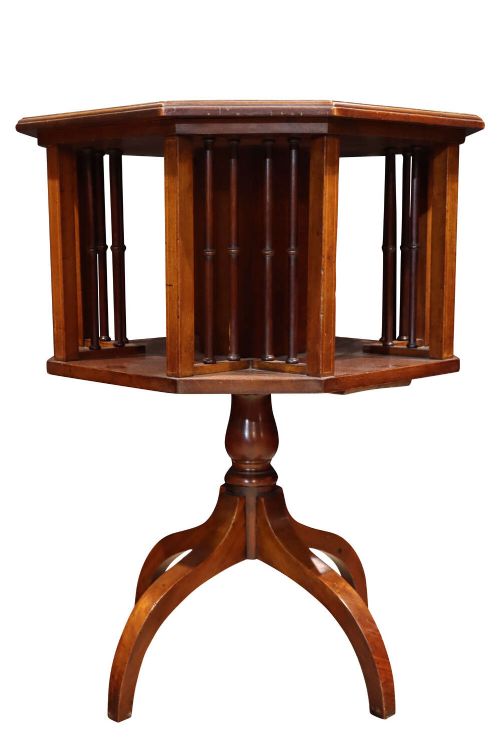
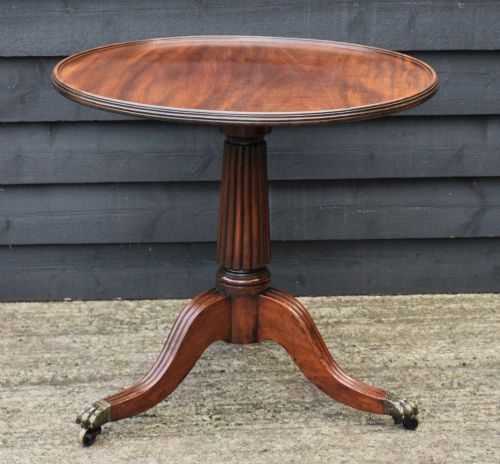
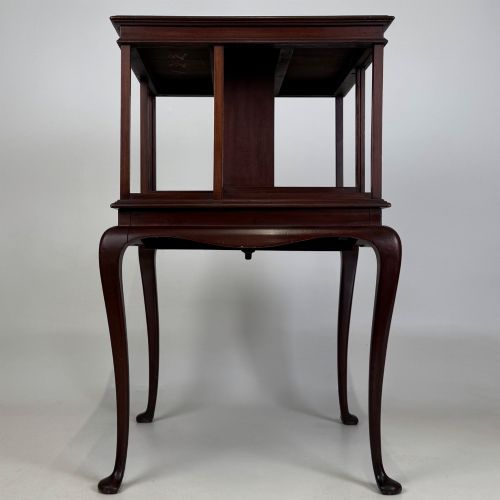
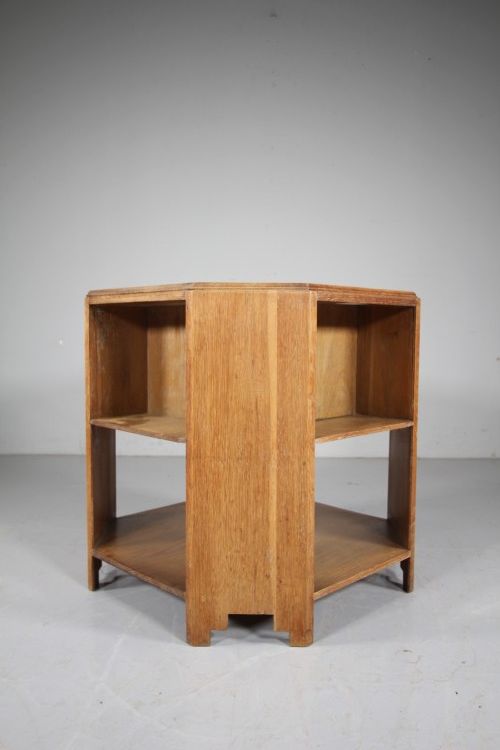
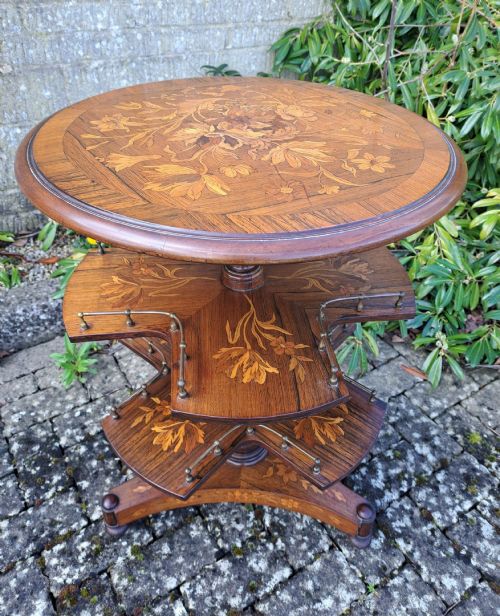
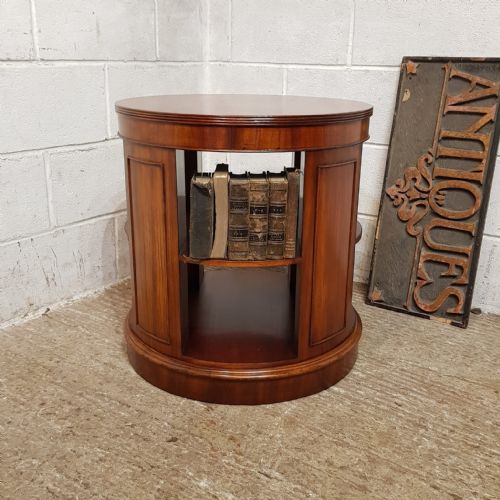
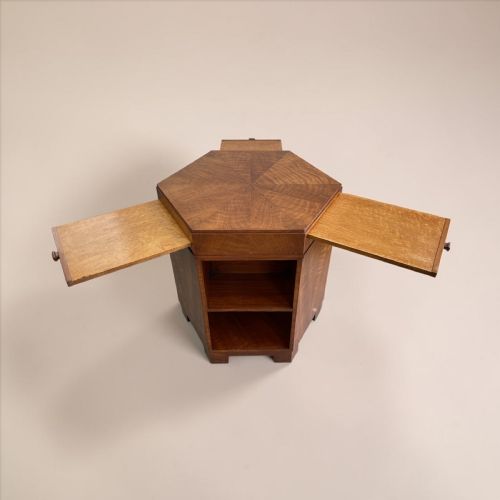
A revolving side table encompasses several functional forms that share a central rotating mechanism, most notably compact revolving bookcases, multi-tiered dumb waiters, and circular drum tables. These pieces span periods from the Georgian era through to the Art Deco epoch, crossing styles from Regency restraint to Edwardian inlay.
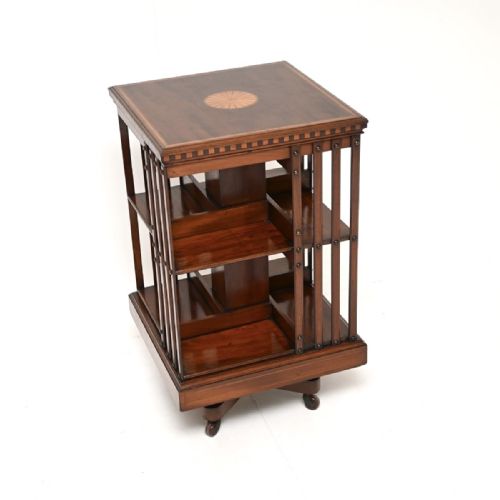
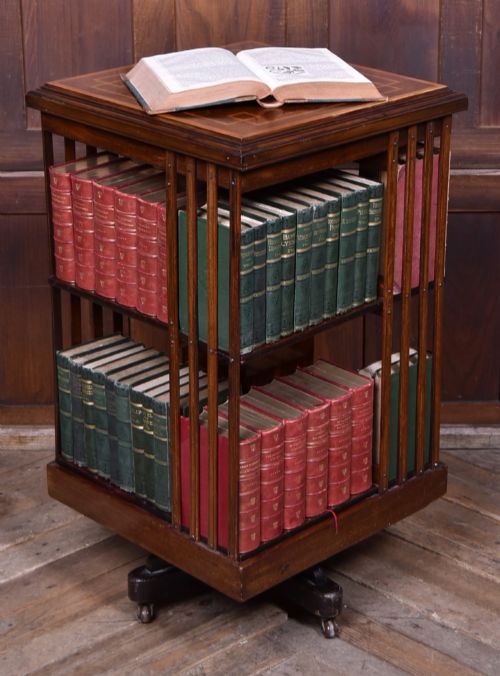
The version most frequently encountered on this page is the Edwardian mahogany revolving bookcase, alongside Georgian and Regency dumb waiters and drum tables. Such pieces served practical roles in libraries, drawing rooms, and studies, holding books or serving tea within arm's reach of a seated guest.
How they were made
Cabinet makers utilised dense hardwoods like mahogany, walnut, and oak to construct these pieces, often incorporating satinwood stringing, brass hardware, or marquetry for decorative contrast. The underlying mechanisms rely on clever timber engineering and concealed pivot joints to achieve smooth rotation without sacrificing structural stability.
Surfaces receive traditional French polishing or wax finishes that highlight the natural grain of figured timbers. Tripod bases, pillar supports, and multi-tiered platforms are joined with sturdy timber construction methods suited to items subjected to frequent turning and weight.
Revolving Side Table Retail Price Guide 2026
Typical asking prices for revolving side table among the pieces listed under this phrase on Sellingantiques today, from the lower quarter to the upper quarter. They describe what is for sale here now, not the wider market.
Listings feature woods including mahogany, walnut, satinwood, oak, and rosewood across periods spanning the Georgian era to Art Deco.
What varies in quality
Quality rests upon the smoothness and balance of the revolving mechanism, ensuring the table turns evenly without wobbling or sticking. The selection of timber grain, particularly figured walnut or rich mahogany, and the crispness of inlay work set finer examples apart from plainer utility items.
Proportions and stability dictate the overall merit of a piece, with superior specimens maintaining a low centre of gravity on sturdy tripod or pedestal bases. Subtle details such as original brass castors and intact marquetry elevate the standing of a table within its period.
Maple and Co·Heals
The Revolving Side Table Glossary
- Drum table
- A circular library table with a deep frieze containing drawers, mounted on a central pillar and tripod base. It derives its name from its cylindrical silhouette.
- Dumb waiter
- A multi-tiered freestanding serving stand with rotating or fixed circular trays supported by a central column. It allowed diners to access food and wine without servants present in the room.
- Revolving bookcase
- A compact, rotating tiered bookshelf designed to sit on the floor or a tabletop for easy access to volumes from a seated position. These units often feature slatted sides and cross-banded tops.
- Marquetry
- Decorative patterns formed by fitting together thin veneers of various coloured woods. It appears frequently on Edwardian and Georgian tabletops.
- Bird cage
- A timber pivot construction beneath a tabletop that allows the surface to tilt and rotate simultaneously. This arrangement facilitated compact storage when not in use.
Revolving Side Table: Frequently Asked Questions
How do you clean a revolving side table?
Dust timber surfaces regularly with a soft, dry cloth to prevent grit accumulation on the finish. Apply a quality beeswax periodically to nourish the wood and maintain its natural lustre.
Avoid placing these tables near direct heat sources or strong sunlight, which can dry out the timber and fade delicate inlay work. Take care not to use harsh chemical polishes that strip traditional finishes.
Where should I place a revolving side table?
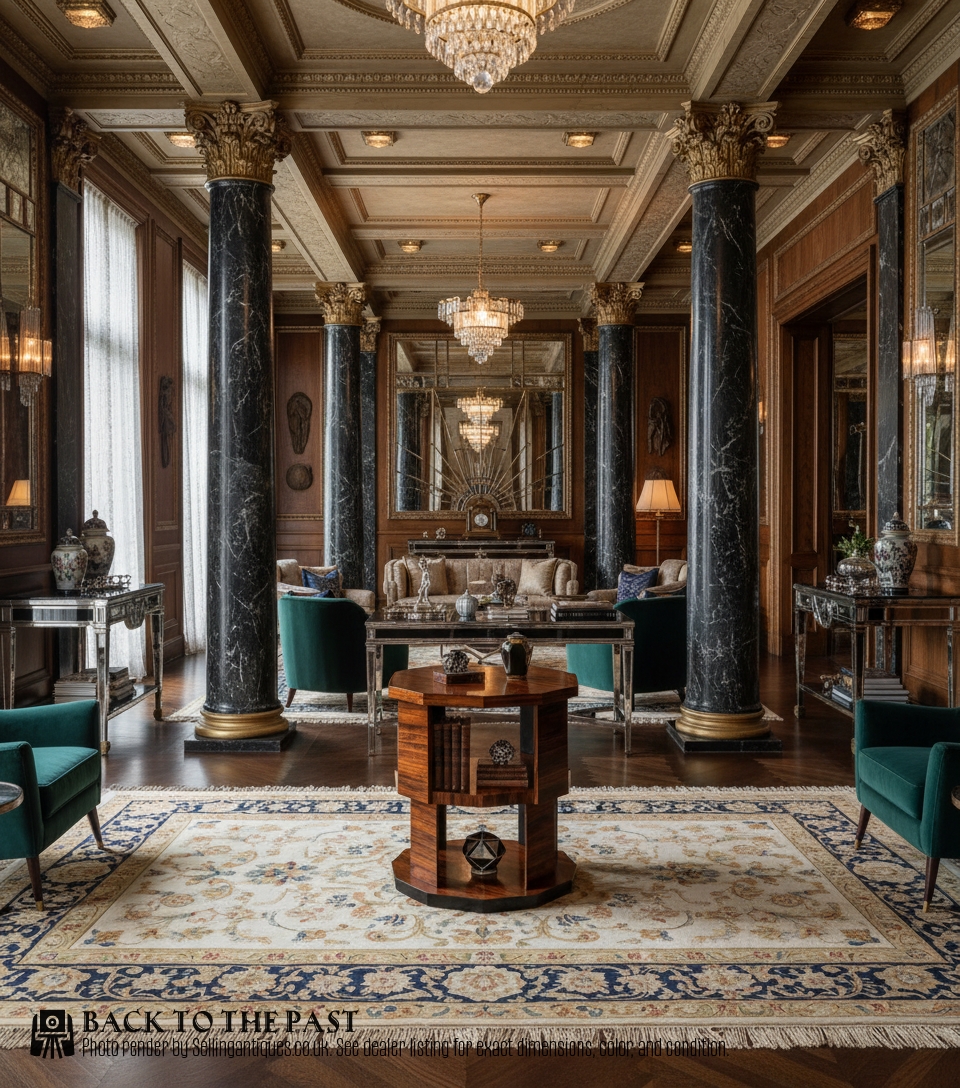
Position a revolving side table beside an armchair or sofa where its rotating function allows easy access to books or drinks. Because the design allows access from all sides, these pieces work well freestanding in a room rather than pushed tight against a wall.
Ensure there is sufficient clearance around the circumference for the top or tiers to turn freely without striking adjacent furniture. Smaller drum tables and bookcases also suit corners or tight spaces where traditional rectangular furniture fails to fit.
Can I use a antique dumb waiter as a side table?
A multi-tiered dumb waiter functions admirably as a side table or lamp stand in modern interiors. The graduated circular shelves offer convenient display space for decorative objects or everyday items.
Ensure that heavier objects sit on the lowest, most stable tier to maintain the balance of the tripod base. The revolving tiers on certain examples provide practical versatility for serving drinks or displaying books.