




Revival Decorative Urns
Revival decorative urns bring classical, Renaissance and Rococo pastiche into nineteenth- and early-twentieth-century interiors through sculptural metalwork and painted ceramics.
Revival Decorative Urns
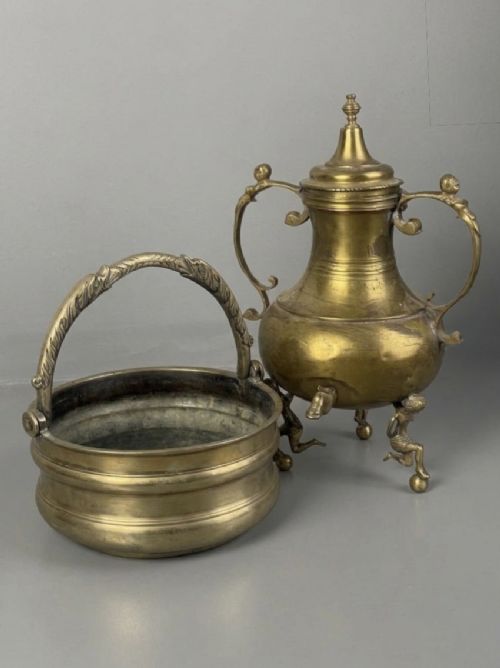
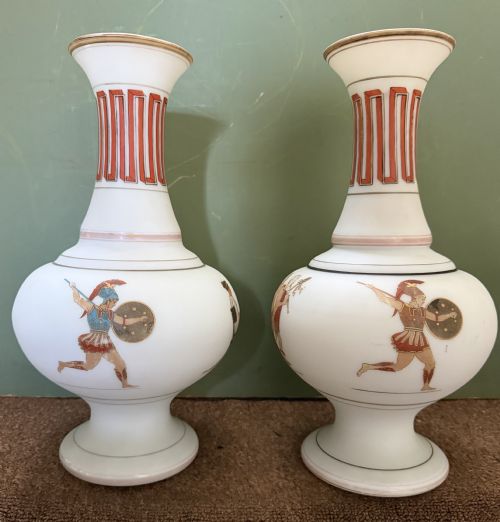
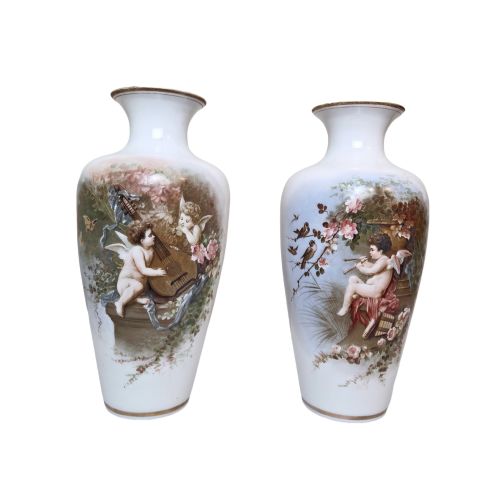
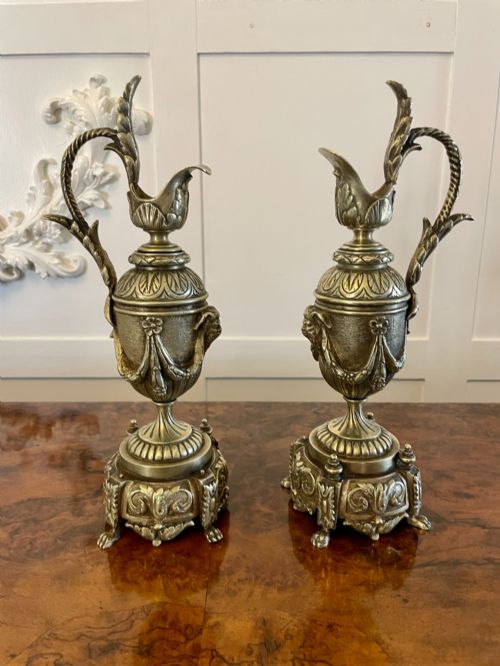
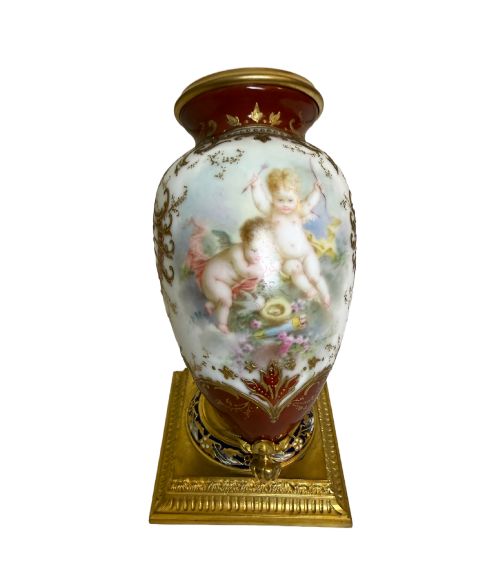
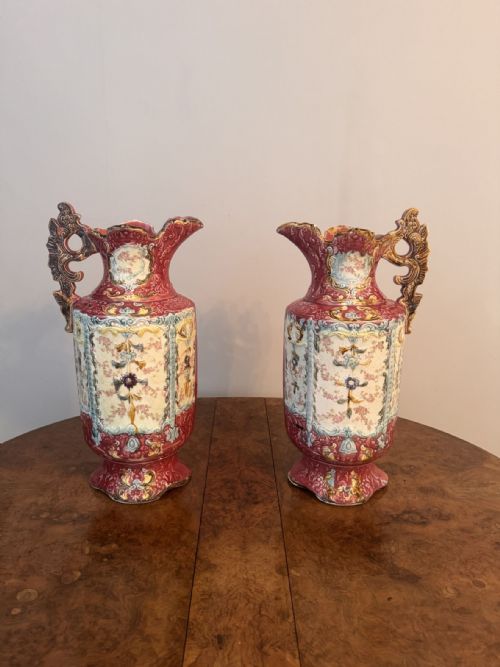
Revival decorative urns span a varied group of ornamental vessels produced during the Victorian, Edwardian and broader nineteenth-century periods, drawing heavily on classical, Renaissance and Rococo forms. Buyers searching this phrase most frequently encounter lidded porcelain vases, ceramic ewers and cast bronze campana vessels produced in European workshops referencing earlier design idioms.
The objects served primarily as decorative garnitures for mantelpieces, pedestals and side tables rather than practical household receptacles. Many take their inspiration from Grand Tour discoveries, translating ancient Roman, Greek or Italian Renaissance pottery and metalwork into domestic display pieces for nineteenth-century homes.
How they were made
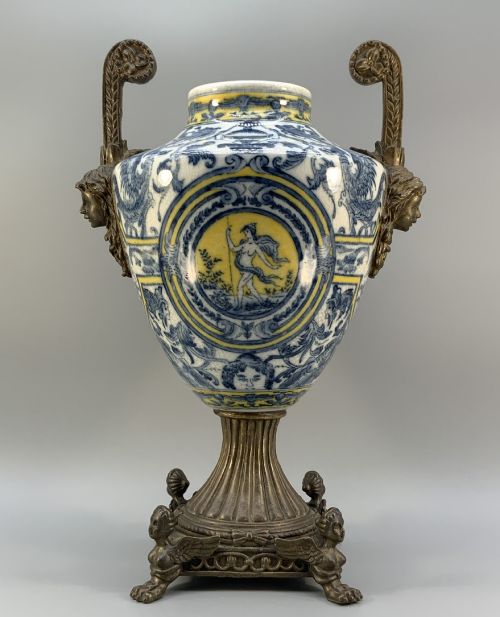
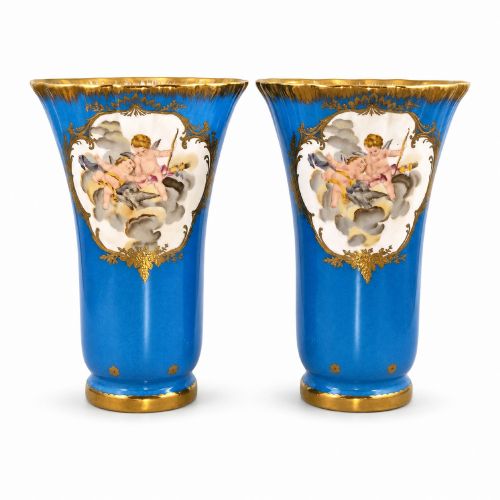
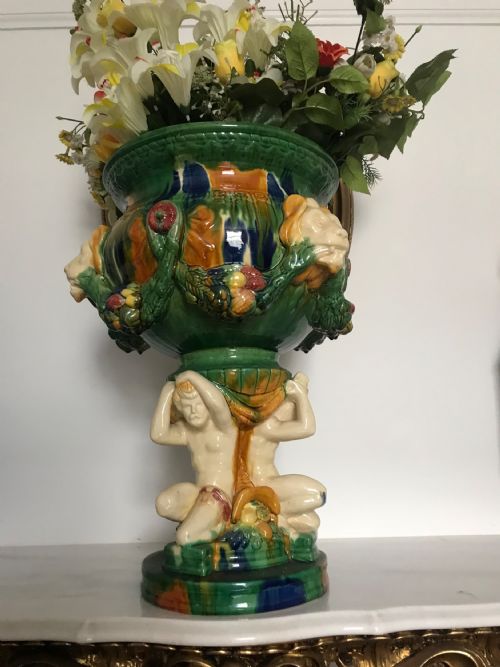
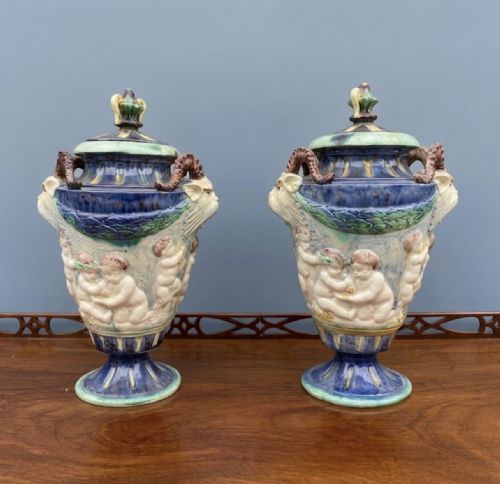
Makers utilised a combination of cast metal and glazed ceramic techniques, mounting porcelain bodies in chased or gilt bronze, ormolu and brass. Earthenware, faience, majolica and bisque porcelain formed the structural bodies, often finished with hand-painted figural vignettes, floral motifs or cobalt grounds.
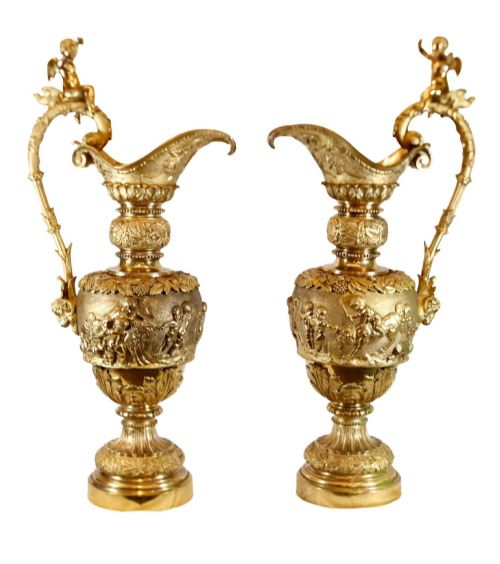
Casting methods allowed workshops to produce complex sculptural details such as Bacchic masks, cherubs, lions' heads and classical handles. Gilding, enamel work and transfer printing completed the decorative surfaces, frequently imitating eighteenth-century Sèvres, Meissen or classical antiquities.
Revival Decorative Urns Retail Price Guide 2026
Typical asking prices for revival decorative urns among the pieces listed under this phrase on Sellingantiques today, from the lower quarter to the upper quarter. They describe what is for sale here now, not the wider market.
Listings span porcelain, earthenware, bronze, ormolu and brass across Victorian, Edwardian and broader nineteenth-century periods.
What varies in quality
Quality rests upon the crispness of the casting in metal mounts and the hand-painting fidelity on porcelain or faience bodies. Finer examples display meticulously chased bronze details and hand-brushed ceramic vignettes, whereas mass-produced alternatives rely on simpler moulded ornament and transfer printing.
The weight and gauge of the materials also dictate the standard, with superior items employing heavy cast brass, bronze or thick porcelain bodies rather than lighter pressed metals and thin ceramics.
Samuel Alcock·KPM Berlin·Coalport·Samson Paris·Vion et Baury·Wolfsohn Dresden
The Revival Decorative Urns Glossary
- Campana urn
- A bell-shaped vessel with a flared lip and foot, modelled after ancient Roman marble and bronze garden vases.
- Ewer
- A large jug with a wide spout and scrolled handle, frequently produced in brass, bronze or ceramic as a decorative partner to urns.
- Garniture
- A set of three or more matching ornamental vases or urns designed to be displayed together on a mantelpiece or sideboard.
- Ormolu
- Finely ground high-carat gold applied to a bronze base using a mercury amalgamation technique, common in French mounts.
- Majolica
- Tin-glazed earthenware decorated with brightly coloured metal oxide glazes, popular throughout the nineteenth century.
- Faience
- European tin-glazed pottery, often produced in revival styles mimicking earlier Italian and Islamic ceramics.
Revival Decorative Urns: Frequently Asked Questions
What were revival decorative urns used for?
These pieces served as interior ornament for nineteenth-century drawing rooms and libraries, displayed on mantelpieces, pedestals or tables.
They functioned purely as aesthetic centerpieces rather than utilitarian vessels for flowers or liquids.
How can I tell the period?
Look to the combination of materials, ceramic body types and mounting styles, which point directly to Victorian, Edwardian or late nineteenth-century manufacturing.
Maker marks, where present, help pinpoint the exact pottery or foundry active during that era.
Are these pieces French or English?
The listings include both French and English output, alongside German and Italian productions influenced by historical revivals.
French pieces often feature gilt bronze mounts and Sèvres-style porcelain, while English examples frequently showcase Coalport or Staffordshire ceramics.
How do I care for bronze and porcelain?
Dust surfaces gently with a soft dry cloth and avoid liquid cleaners that can damage painted enamel or historic gilding.
Keep metal mounts and ceramic bodies away from direct sunlight and damp environments to preserve the glazes and patinas.