

Revival Center Table
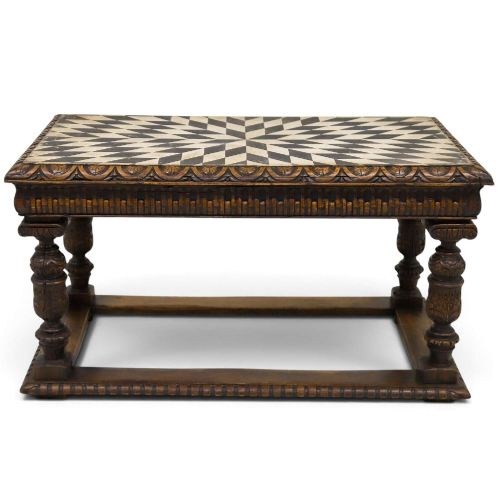
A revival centre table anchors a room with historic ambition, pairing period timber with grand architectural carving.
Revival Center Table
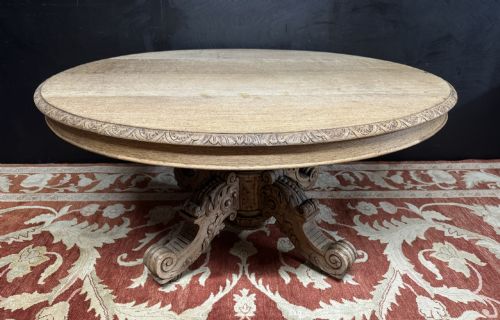
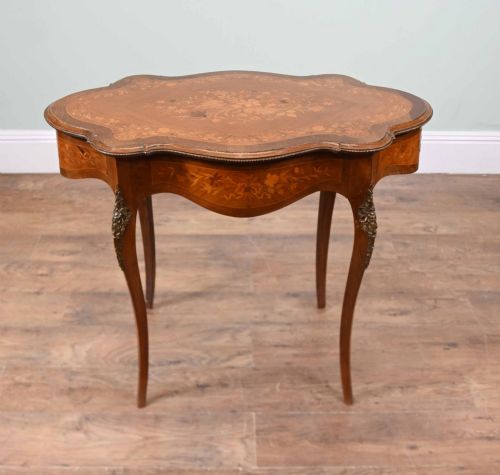
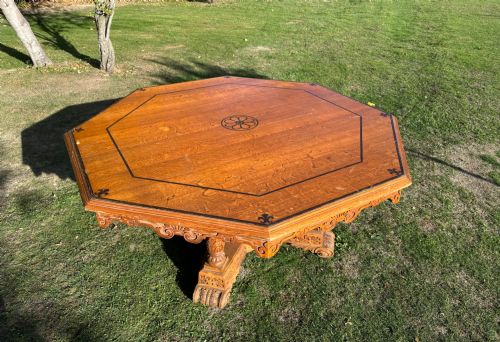
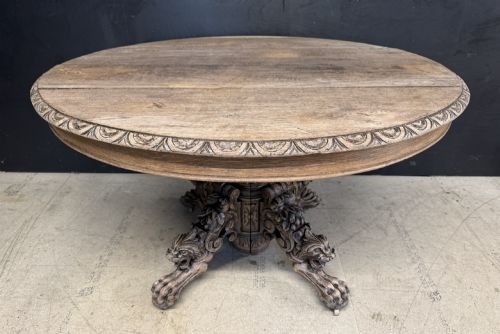
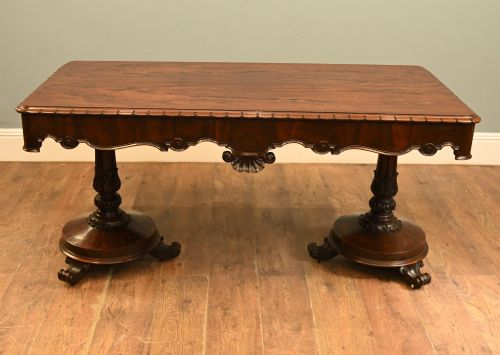
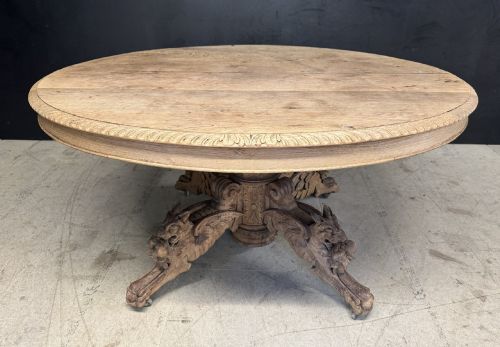
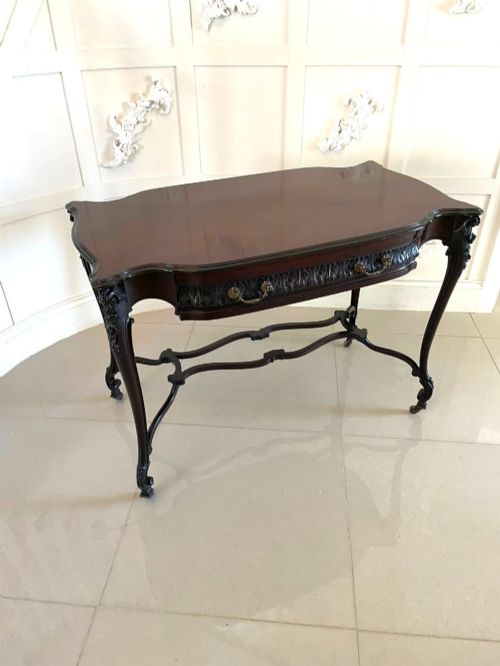
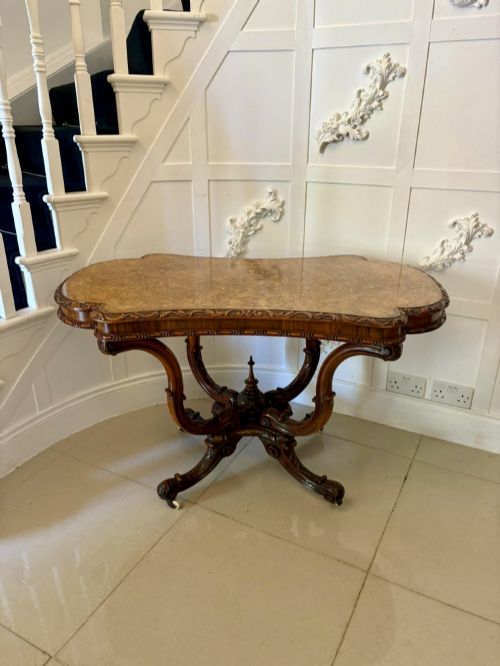
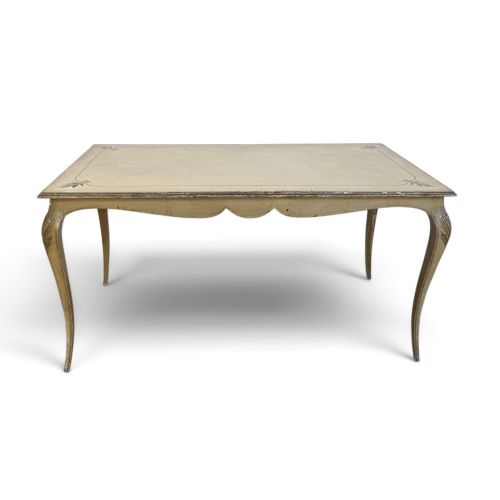
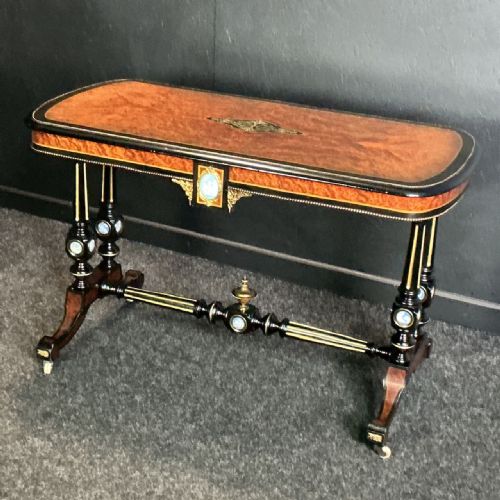
A revival centre table is a freestanding piece designed to sit in the middle of a room rather than against a wall. The selections seen here span the Victorian, Edwardian, and early twentieth-century periods, drawing heavily on earlier historical vocabularies.
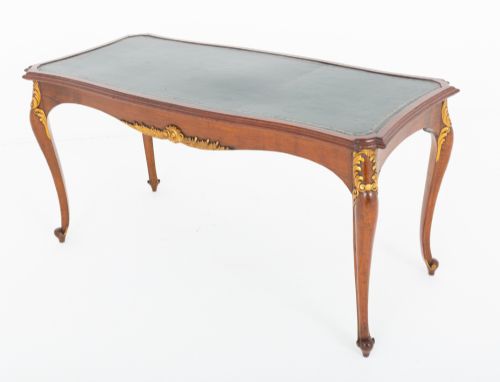
Makers of these tables looked back to French Louis styles, Sheraton, Gothic, and Renaissance idioms. The common thread is a heavy reliance on historical precedent applied to nineteenth and early twentieth-century forms.
Most examples function as centre tables, library tables, or occasional tables, with walnut, mahogany, and oak appearing frequently across the inventory. These pieces reflect successive waves of historicism in British and continental furniture.
How they were made
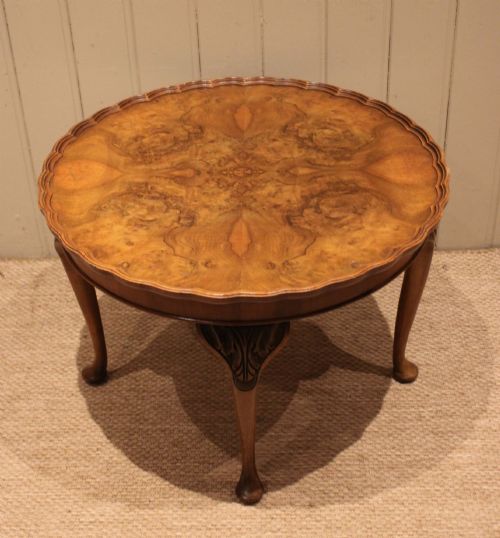
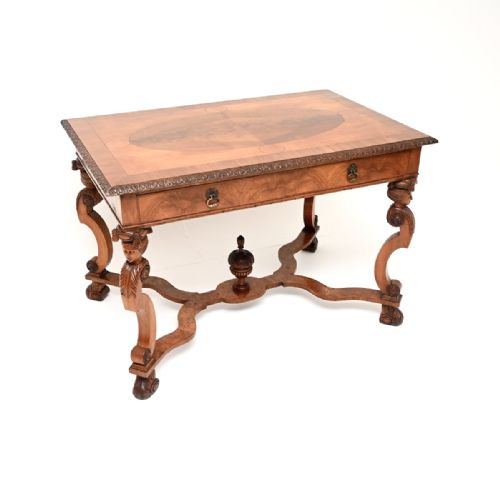
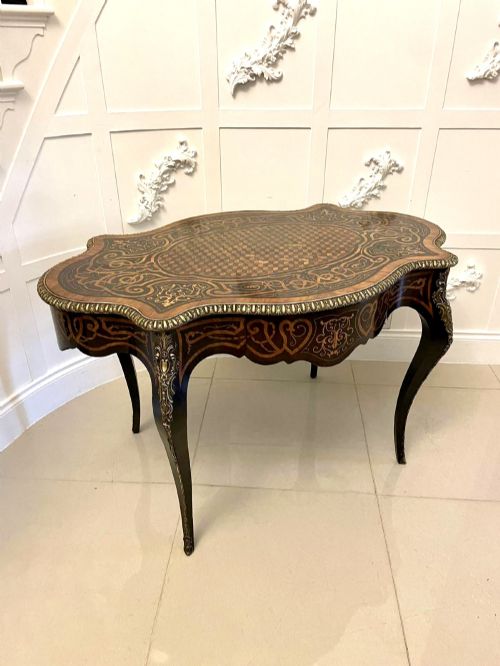
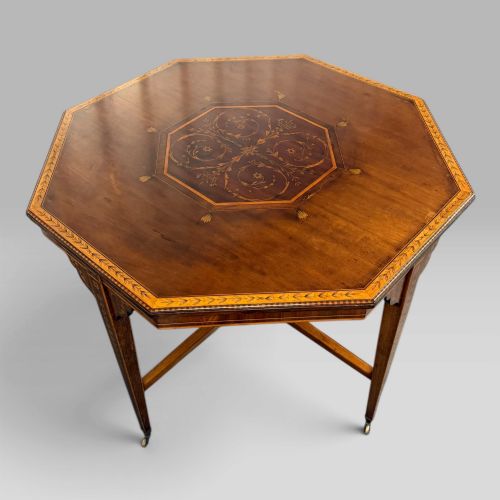
Cabinetmakers built these tables using solid foundational timbers such as mahogany, oak, and walnut, often applying expensive veneers like burr walnut, kingwood, and satinwood to the main surfaces. Marquetry and parquetry inlay introduce geometric and floral patterns across many of the tops.
Carved wooden details work alongside cast brass and ormolu mounts to define the revival styles. Stone surfaces also appear, with rouge marble and malachite fitted into wooden frames on several tables.
Revival Center Table Retail Price Guide 2026
Typical asking prices for revival center table among the pieces listed under this phrase on Sellingantiques today, from the lower quarter to the upper quarter. They describe what is for sale here now, not the wider market.
Nineteenth-century pieces outnumber twentieth-century examples across the current inventory.
What varies in quality
Quality rests on the crispness of the carving and the precision of the timber matching. Tables featuring hand-carved walnut or mahogany show depth and articulation that mechanical shaping misses.
The sophistication of the secondary woods and the complexity of the marquetry distinguish standard production from exceptional pieces. Ormolu mounts that are finely chased rather than cast flat indicate superior workshop output.
Edward Holmes Baldock·Harrods
The Revival Center Table Glossary
- Marquetry
- Decorative veneer work forming pictures or patterns using various woods and shell. It requires precise cutting and fitting by hand.
- Parquetry
- Geometric patterns formed by small pieces of wood fitted together on a tabletop or surface. This technique creates tiled wood designs.
- Ormolu
- Gilded bronze mounts applied to furniture for decoration. It provides a metallic contrast to dark woods like mahogany and walnut.
- Gueridon
- A small freestanding table, often French in origin and round in shape. These tables frequently feature decorative bases and marquetry tops.
- Freestanding
- Finished on all sides to stand away from the wall in the middle of a room. This design demands careful work on every elevation.
Revival Center Table: Frequently Asked Questions
Where should a revival centre table go?
These tables are designed to sit in the middle of a room, allowing people to walk around them entirely. They anchor large reception spaces, libraries, and grand hallways.
Because they are finished on all sides, they act as focal points beneath central ceiling lighting or chandeliers.
How do I care for marble top tables?
Marble tops require regular dusting with a soft cloth and immediate wiping of liquid spills to prevent staining. Acidic substances like citrus juice can etch the polished stone surface.
Use coasters under glasses and protect the stone from heavy impacts that might chip the edges.
How do I identify a revival style?
Revival furniture borrows specific decorative motifs from earlier centuries, such as eighteenth-century French curves or seventeenth-century oak carving. Makers combined these historic designs with nineteenth-century construction methods.
Examining the secondary woods and construction joints helps reveal the actual date of manufacture beneath the historic style.
What is the difference between a centre table and a coffee table?
Centre tables stand at standard table height and were traditionally used for displaying books, lamps, or objects in the middle of a room. Coffee tables are lower in stature and designed specifically for use alongside seating.
Many nineteenth-century tables catalogued as coffee tables today were originally produced as taller occasional or centre tables.