



Reverse Printed Glass
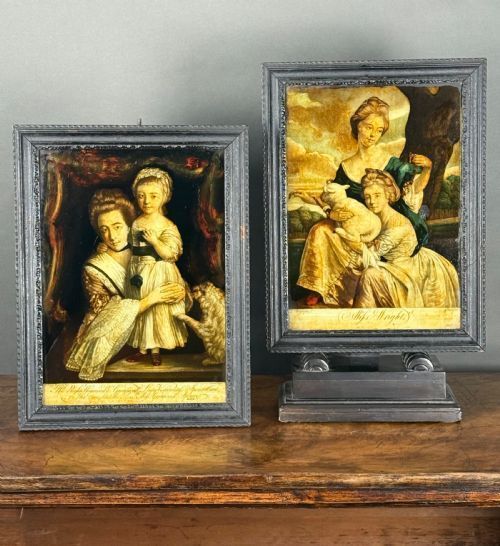
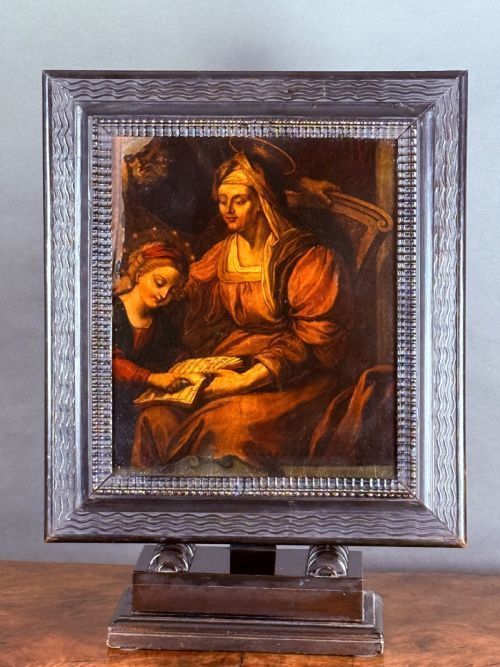
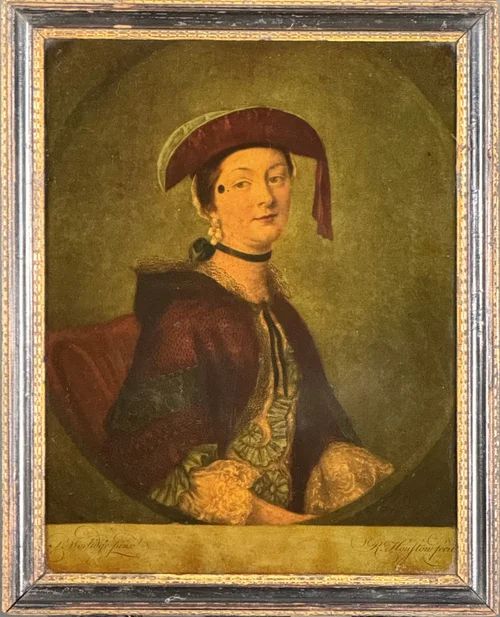
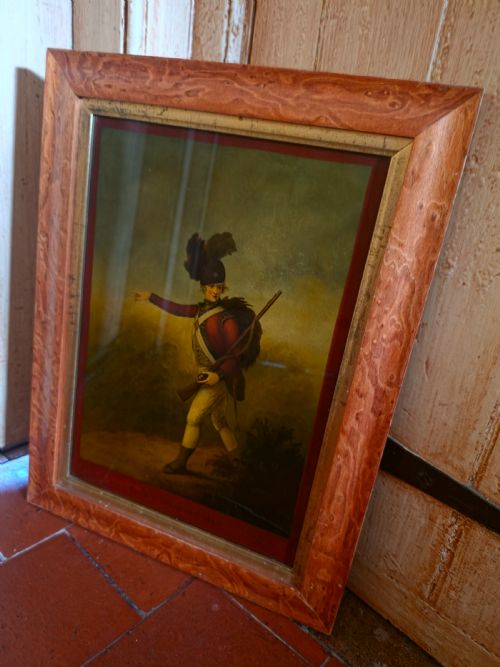
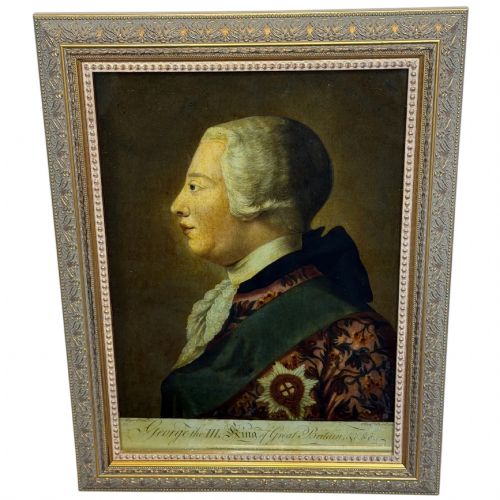
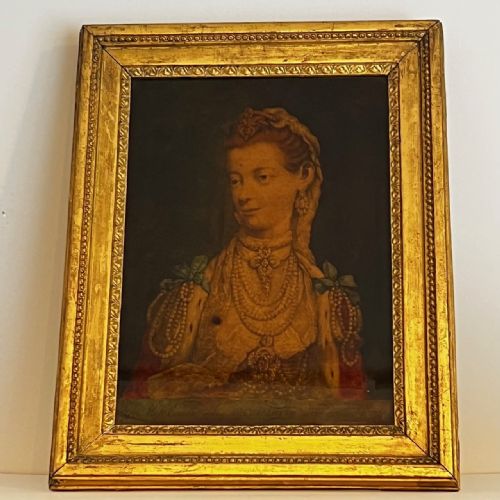
These reverse printed glass pieces offer a captivating window into historic portraiture and narrative art, created through a delicate technique where the image is applied directly to the back of the glass panel.
Reverse Printed Glass
When you search for reverse printed glass, you encounter historic wall art and framed pictures produced primarily across the eighteenth and nineteenth centuries, including the Georgian and Regency periods. The forms range from individual portraits of monarchs and nobility to equestrian scenes, religious subjects, and allegories of the seasons.
The most common examples on this page are eighteenth-century mezzotints and Georgian reverse glass prints depicting notable figures, alongside later nineteenth-century crystoleoms. These works function as decorative pictures, often housed in period wooden frames that sometimes incorporate mirrors.
How they were made
The technique relies on applying a printed paper transfer or direct painting onto the rear surface of a glass sheet, building the composition in reverse order so the final picture reads correctly from the front. Artisans applied oil paint, pigment, and occasionally gold leaf or gilt directly to the glass substrate.
Framing completed the construction, utilising woods such as maple to protect the fragile glass panel and secure the delicate pigment layers sealed behind it.
Several historical ladies gaze out from these glass panels with hair piled so high it must have required an entire afternoon of architectural engineering.
What varies in quality
Quality rests upon the crispness of the original mezzotint engraving and the precision of the hand-applied pigment or oil paint behind the glass. Finer examples display meticulous brushwork that enhances the printed lines without obscuring the delicate tonal gradations.
The condition of the pigment layer dictates the visual success of the piece, as flaking or fading diminishes the depth and brilliance of the transparent medium.
Fletcher·Sebastiaan Vrancx·Charles Spooner·Richard Purcell·W. Bishop·Schweninger
The Reverse Printed Glass Glossary
- Mezzotint
- A printmaking process of the intaglio family where the image is formed from thousands of tiny dots and scraped areas, allowing smooth tonal variations. This medium was frequently transferred to glass for reverse painting.
- Crystoleum
- A Victorian method of applying a coloured photograph or print to the inside of a glass convex panel, then hand-tinting the reverse with oil paints. This technique created a luminous, three-dimensional portrait effect popular in the late nineteenth century.
- Eglomise
- A process of applying cold gilding and painting to the rear face of glass to produce a mirror-like or metallic sheen. It appears frequently in decorative panels and mirror frames.
- Reverse glass painting
- An art form where the composition is painted directly onto the reverse side of a glass sheet. The viewer observes the finished work through the smooth front face of the glass.
Reverse Printed Glass: Frequently Asked Questions
What is reverse printed glass?
Reverse printed glass involves transferring an engraving or applying paint to the back of a glass sheet so the image is viewed correctly from the front. This method protects the delicate pigments behind a smooth, glossy surface.
Artisans used this technique throughout the Georgian and Victorian eras to create luminous portraits and narrative scenes.
Are these pieces original Georgian items?
The inventory includes genuine eighteenth and nineteenth-century works alongside later nineteenth-century crystoleoms and twentieth-century reproductions. Examining the framing style and the materials on the reverse helps determine the period.
Historical records show these pictures were popular domestic ornaments during the reigns of George III and Queen Victoria.
What subjects appear on these pieces?
The imagery spans royal portraits, classical allegories, military engagements, and domestic scenes. Aristocratic figures and religious narratives also feature prominently in eighteenth-century examples.
Later Victorian pieces often depict romantic couples, literary characters, and Continental street scenes.