
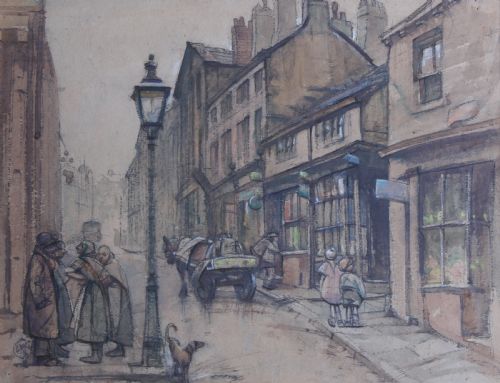
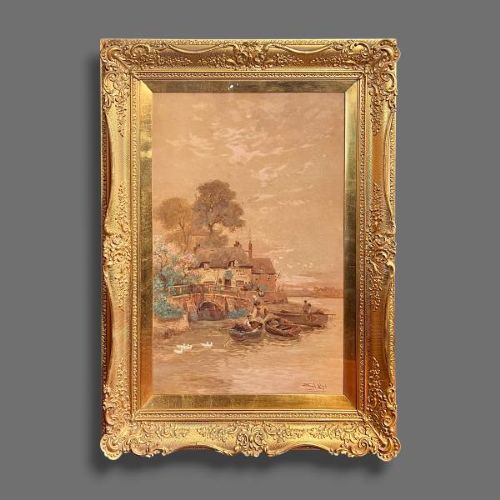
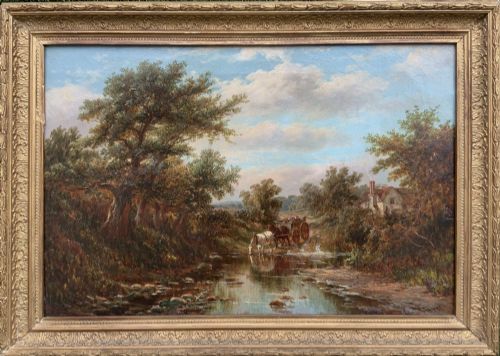

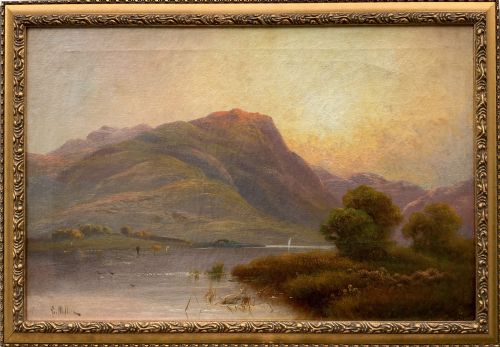

Framed Victorian Scene
When you search for a framed victorian scene, you uncover nineteenth-century paintings and watercolours depicting landscapes, coastal views and figures.
Framed Victorian Scene
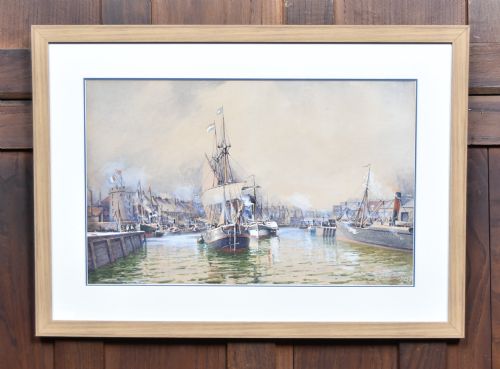
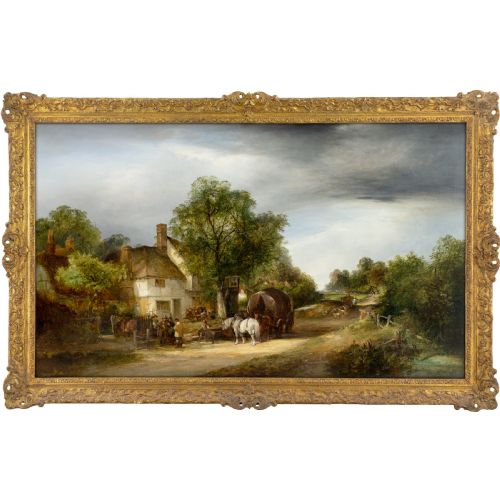
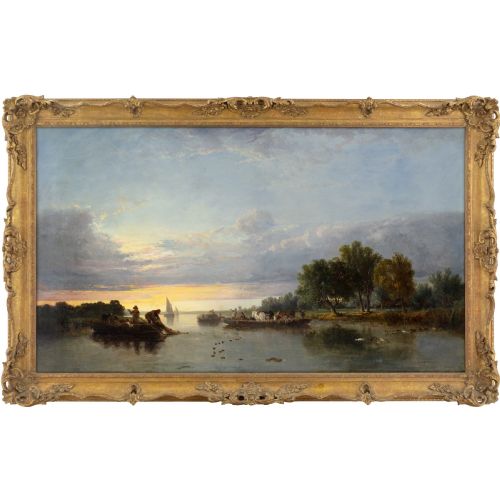
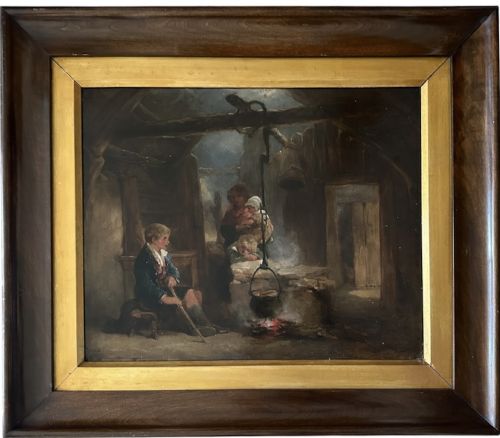
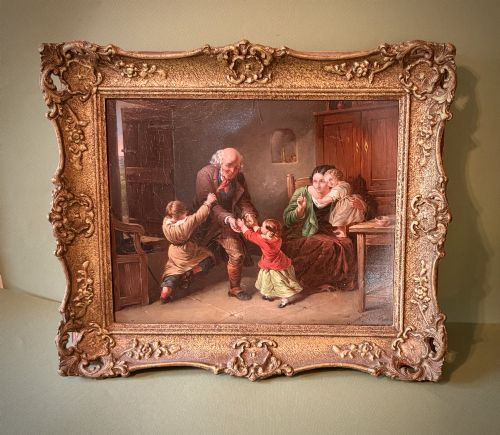
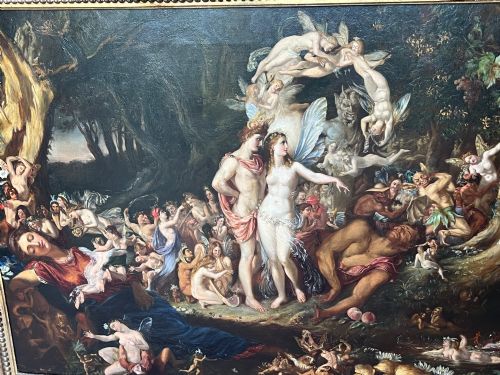
A framed victorian scene typically presents oil paintings or watercolours produced during the nineteenth century, capturing British landscapes, coastal harbours, and domestic or rural life. These works range from intimate watercolours of village streets to large canvases depicting maritime rescues, pastoral landscapes, and social history subjects.
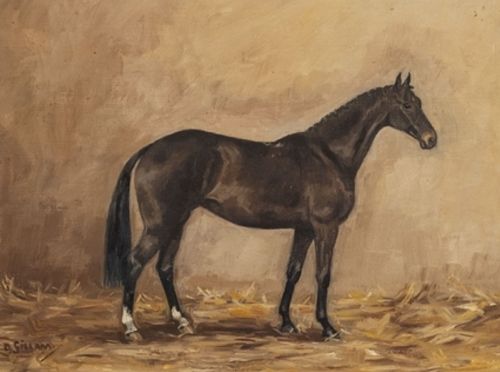
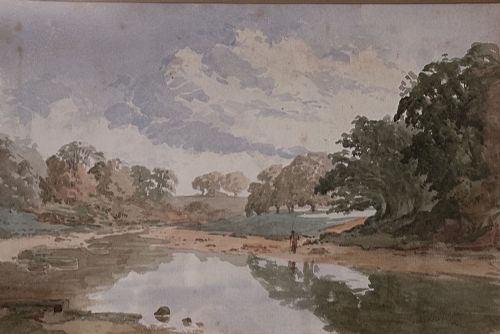
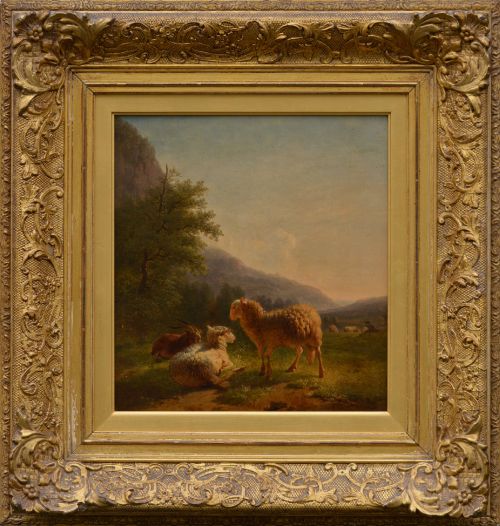
The most common examples on this page are oil paintings on canvas and panel alongside original watercolours on paper, nearly all preserved within period or later framing. Subjects vary from quiet pastoral scenes with figures and livestock to bustling beach views and architectural watercolours.
How these artworks were constructed
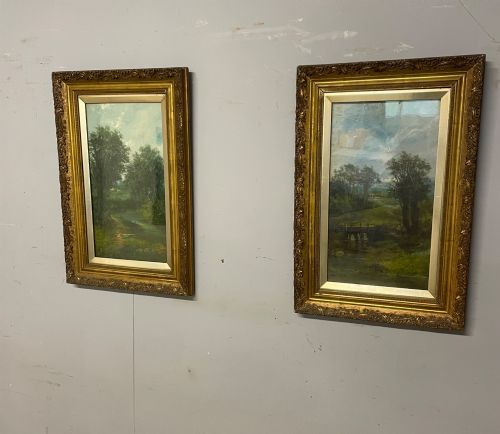
Artists of this era painted primarily in oil on stretched canvas or wooden panel, or applied watercolour pigments to paper, utilising traditional grounds and binders. Canvases were secured to wooden stretchers and mounted into wooden frames, often ornamented with moulded gesso details.
Framing played an integral role in presentation, employing gilt wood or stained timber mouldings designed to complement the tonal range of the artwork within. Many pieces retain glass protection over delicate watercolours or paper works, preserving the pigment from atmospheric degradation.
Listings feature works from the nineteenth century executed in oil on canvas, watercolour, and charcoal.
What distinguishes quality in these works
The standard of a framed victorian scene rests upon the artist's command of light, composition, and brushwork, distinguishing skilled academic output from formulaic studio production. Stronger pieces demonstrate confident handling of atmosphere, particularly in skies and water, alongside convincing anatomical and spatial proportions.
The integrity of the physical framing also contributes to overall quality, with original or period-correct gilt wood and gesso mouldings adding considerable character compared to later replacements. Preservation of the original paint surface or watercolour pigment, free from heavy overpainting or severe fading, marks the better examples.
Eugène Verboeckhoven·Richard Sebastian Bond·Thomas Miles Richardson Jnr·Felix Stone Moscheles·John Horace Hooper·William Banks Fortescue·Mark William Langlois·Thomas Smythe·Alfred Pollentine·Francis Moltino
The Framed Victorian Scene Glossary
- Oil on Canvas
- Pigment mixed with drying oil applied to a woven fabric support stretched across a wooden frame. This medium allowed artists to build rich textures and deep colour tonalities.
- Watercolour
- Paint consisting of water-soluble pigments suspended in a water-based binder, typically applied to paper. It produces transparent washes of colour suited to rapid sketching and delicate detail.
- Gesso
- A paint mixture consisting of a neutral binder mixed with chalk, gypsum, or pigment, used to prepare wood or canvas substrates. In framing, it is moulded into relief ornamentation before gilding.
- Gilt Wood
- Timber coated with a thin layer of gold leaf or metallic powder, frequently used for nineteenth-century picture frames. The finish adds reflective warmth around the perimeter of the artwork.
- Genre Painting
- The pictorial representation of scenes from everyday life, such as domestic interiors, market squares, or rural labour. These works document the social activities of the period.
Framed Victorian Scene: Frequently Asked Questions
What subjects appear in these scenes?
The works depict a broad range of nineteenth-century subjects, including pastoral landscapes, coastal fishing boats, Scottish scenery, and architectural views.
Domestic interiors and figures engaged in daily rural or social activities also feature prominently across both oils and watercolours.
Are the frames original to the paintings?
Many pieces retain period frames fashioned from wood and gesso, frequently finished in gilt to suit nineteenth-century display tastes.
Some artworks have been reframed over time, so examining the construction of the moulding helps determine its age relative to the canvas.
How should I care for a watercolour?
Watercolours require protection from direct sunlight to prevent the paper from yellowing and the pigments from fading over time.
Keeping them in stable environmental conditions away from damp walls ensures the paper and any protective glass remain undisturbed.
How can I distinguish an oil painting from a watercolour?
Oil paintings feature a textured surface built from thick or layered pigment applied to canvas or panel, often exhibiting a slight sheen.
Watercolours present a flat, translucent appearance on paper, typically displayed beneath glass to protect the delicate paint layer.