



Retro Reading Lamp
A retro reading lamp brings targeted task lighting and period character to a desk or table, drawing on designs from the early twentieth century.
Retro Reading Lamp
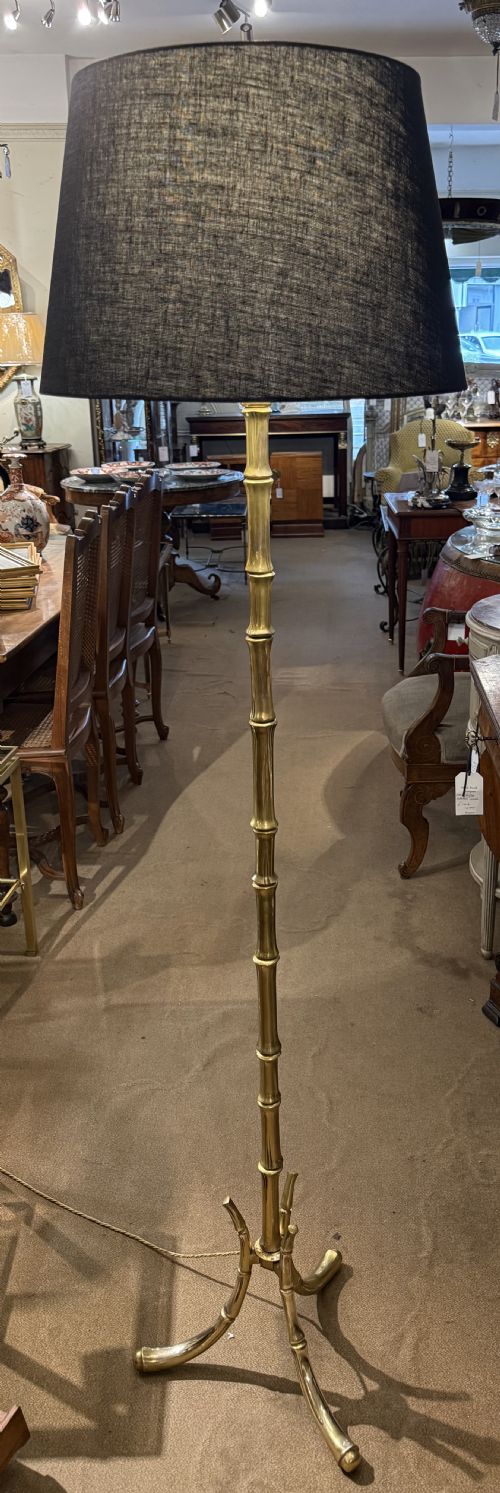
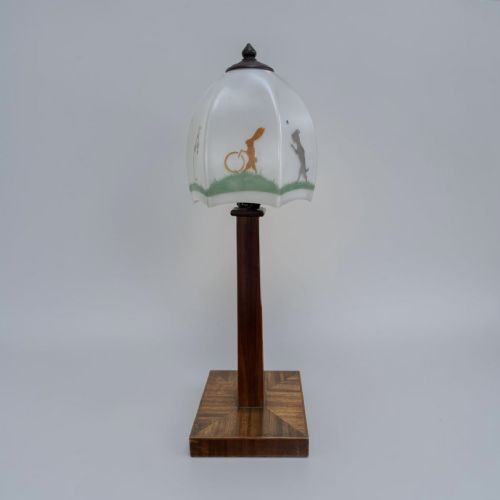
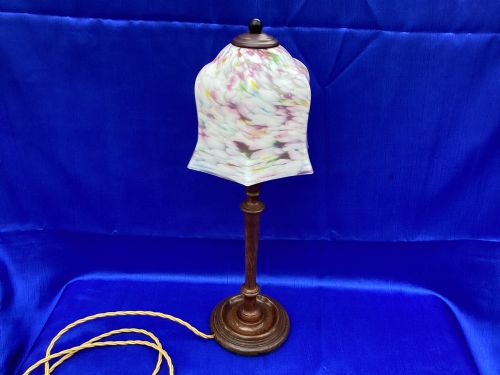
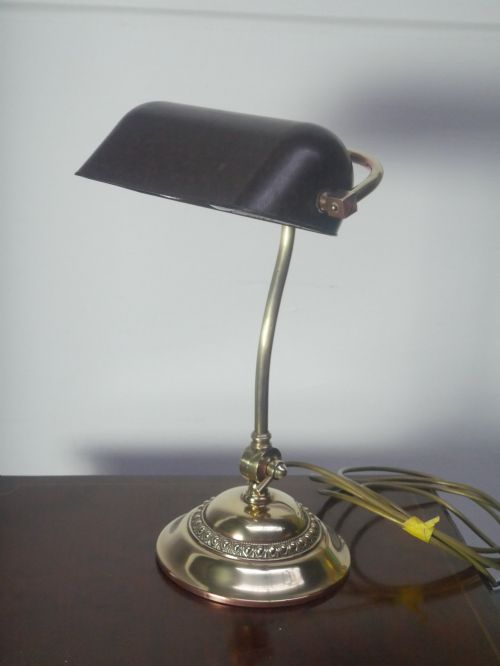
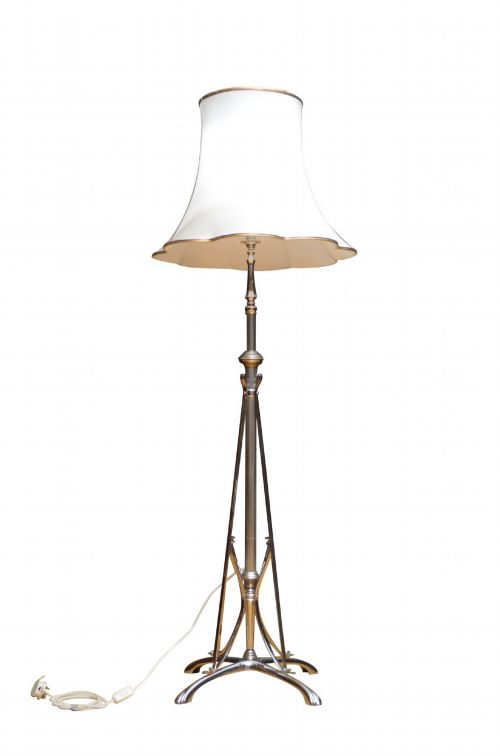
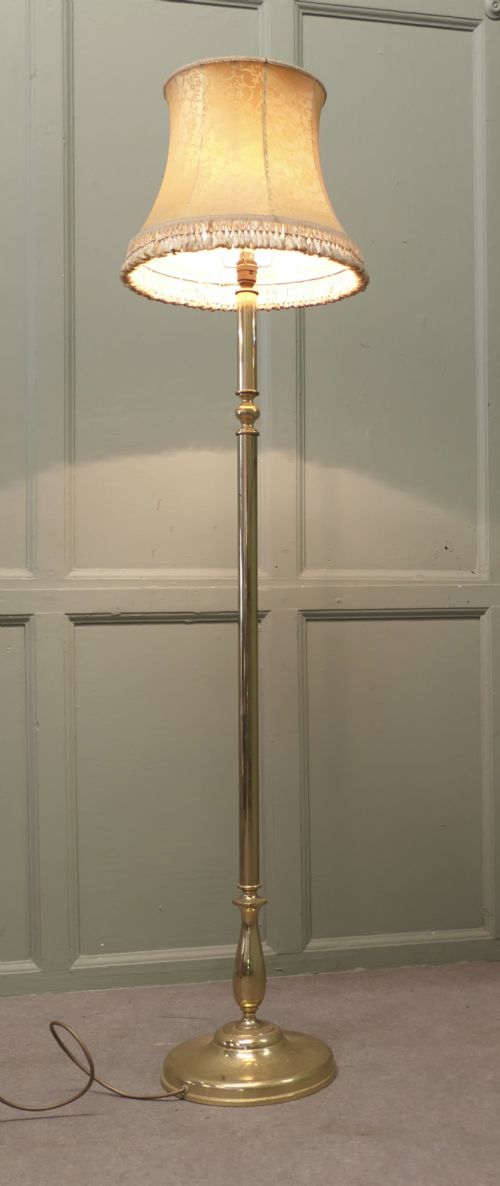
A retro reading lamp encompasses adjustable desk lights, bankers lamps, and boudoir lamps designed for focused illumination. You meet table and floor models spanning from the Edwardian era through the 1940s, with a strong concentration of 1930s pieces.
The aesthetic vocabulary leans heavily towards Art Deco, Machine Age, and modernist styles, alongside traditional English and French variants. Forms range from heavy marble and brass table bases to articulated chrome desk fixtures with original shades.
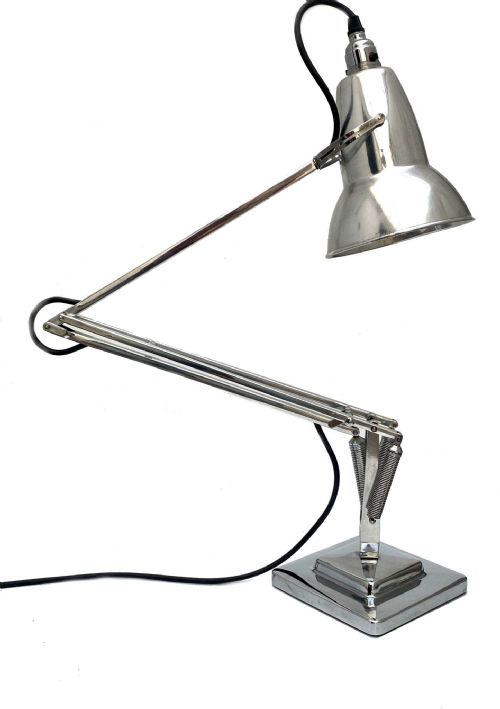
Makers and designers of the period experimented with flexibility, resulting in adjustable arms and flexible necks meant for practical utility. These pieces bridge the gap between industrial function and domestic elegance.
Materials and construction
Metal fabrication defines the category, utilising brass, chrome, steel, and copper to form sturdy columns, weighted bases, and articulated arms. Chrome plating and polished brass provide the characteristic metallic sheen of the Art Deco and Machine Age pieces.
Complemented by glass, fabric, bakelite, and wood, the construction often combines heavy cast metals with delicate opaline or frosted glass shades. Early plastics like bakelite appear frequently on switches and structural components alongside mahogany, oak, and marble.
An antique marble and brass dog table lamp brings canine loyalty directly to the desk.
Distinctions in manufacture
The calibre of a retro reading lamp depends upon the weight and integrity of its materials, distinguishing heavy cast brass and solid chrome from lighter plated alternatives. Mechanism precision also dictates worth, particularly in adjustable joints, flexible tubing, and weighted desk stands that hold their position securely.
Detailing on shades and bases separates standard production from finer examples, such as moulded shell shapes, genuine opaline glass, or combination woods like Macassar. The presence of original maker components, specialised switches, and authentic fabric or metal shades elevates the integrity of the piece.
Herbert Terry·Eileen Grey·Pirouette·Hawkins
The Retro Reading Lamp Glossary
- Anglepoise
- A balanced-arm lamp utilising springs or tension joints to maintain directionality. This invention revolutionized task lighting in the early twentieth century.
- Opaline glass
- A milky, translucent glass often white or pastel in tone. It diffuses light evenly without harsh glare.
- Bakelite
- An early thermosetting phenol formaldehyde resin. It appears on plugs, sockets, and structural lamp bodies for its insulating properties.
- Machine Age
- A design aesthetic from the interwar period celebrating industrial efficiency. It emphasises chrome, steel, and streamlined geometric forms.
- Toleware
- Painted or lacquered metalware used for shades and bases. It provides a durable, coloured finish.
Retro Reading Lamp: Frequently Asked Questions
How do I identify a 1930s desk lamp?
Look for geometric lines, chrome plating, and machine age influences that characterise the interwar period. Bakelite components and adjustable metal shades are also common indicators of this decade.
Examine the weight and construction methods, as mass production shifted significantly during the 1930s towards functional articulation and streamlined metal forms.
Can these old lamps take modern bulbs?
Most vintage fixtures accept standard screw or bayonet bulbs, provided the wattage matches the historical wiring capacity. Many pieces have been rewired for contemporary safety standards.
Check the lampholder type inside the shade to confirm compatibility with modern LED or incandescent lamps before regular use.
How do adjustable reading lamps work?
Adjustable models use swivel joints, weighted counterweights, or flexible metal tubing to direct light precisely where needed. These mechanisms allow the user to alter both height and angle.
Spring-balanced systems provide tension to hold heavy metal shades in place without slipping during adjustment.