


Modernist Table Lamp
These modernist table lamp pieces combine functional utility with clean industrial lines, making them an essential addition to any interior seeking a sharp, period look.
Modernist Table Lamp
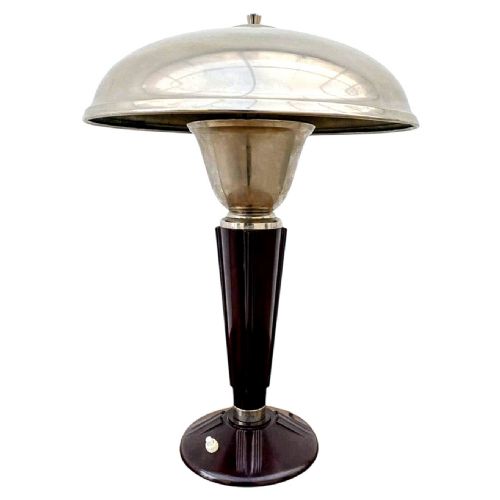
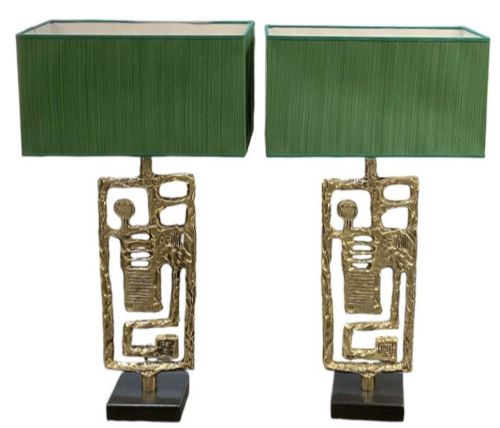
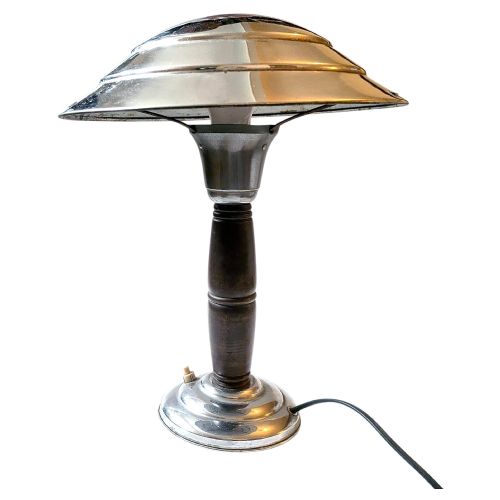
A modernist table lamp provides directional or ambient illumination through the application of stripped-back geometric forms and industrial aesthetics. When searching for a modernist table lamp, buyers encounter pieces primarily originating from the nineteen-thirties, alongside examples from the nineteen-twenties and nineteen-sixties. The most common iteration met on this page is the nineteen-thirties chrome or brass desk lamp featuring clean angles and minimal ornamentation.
These lighting fixtures emerge from specific design movements including Art Deco, Bauhaus, and the Machine Age. Alongside dedicated desk and table lamps, the broader category encompasses related forms such as console lamps and combined floor and table light structures. French and English origins predominate among the surviving examples recorded in these listings.
Materials and construction methods
Makers utilised durable industrial metals such as chrome, brass, and nickel to construct the primary frames and stems of these lamps. These metallic elements often appear paired with contrasting components moulded from early plastics like bakelite, or fitted with glass and opaline shades.
Construction techniques focus on clean assembly, adjustable joints, and weighted bases to support the vertical thrust of the metalwork. Electrical wiring runs internally or is securely housed alongside structural tubing, reflecting the functionalist demands of the era.
Materials recorded across the inventory include chrome, glass, bakelite, brass, walnut, and opaline.
Distinctions in quality and execution
The distinction between standard commercial production and superior examples rests upon the integrity of the materials and the precision of the metal finishing. High-grade pieces employ heavy gauge brass or thick chrome plating that resists pitting, matched with original glass or high-quality moulded bakelite components rather than replacement substitutes.
Design sophistication further elevates a piece, separating basic utility lamps from those bearing the hallmarks of notable workshops or specific stylistic movements like the Bauhaus. The weight and stability of the base, the smoothness of any adjustable mechanisms, and the retention of signed or marked elements dictate the upper tier of the range.
Eileen Grey·Angelo Brotto·Esperia·Muller Bros·Wilhelm Wagenfeld·Hille
The Modernist Table Lamp Glossary
- Bakelite
- An early form of thermosetting plastic frequently utilised for lamp bases, switches, and decorative accents during the early twentieth century. It offers a dense, tactile surface that often darkens richly with age.
- Machine Age
- A design style spanning the nineteen-twenties and nineteen-thirties that celebrated industrial machinery, aerodynamics, and mass production methods. Objects from this movement emphasise polished chrome, steel, and unadorned geometric shapes.
- Opaline
- A type of semi-translucent glass, typically white or pastel-toned, used for lamp shades to diffuse light evenly. It softens the glare from the bulb while maintaining a smooth, luminous exterior.
- Bauhaus
- A German art school operational in the nineteen-twenties that prioritised functionalism, utilitarian simplicity, and the marriage of art with industrial production. Lamps from this influence feature tubular metal and stark geometric compositions.
Modernist Table Lamp: Frequently Asked Questions
How do I date a modernist table lamp?
Dating relies heavily on the characteristic materials and manufacturing techniques employed during specific decades. The presence of early plastics like bakelite alongside tubular chrome typically points towards production in the nineteen-thirties.
Stylistic cues also offer precise chronological markers. Pieces displaying strict utilitarian geometry often trace back to nineteen-twenties Bauhaus influences, whereas heavier sculptural brass or chrome combinations frequently align with nineteen-sixties studio output.
Were these lamps originally wired for modern sockets?
Original wiring from the early twentieth century rarely meets current safety standards and frequently requires professional rewiring. Many surviving examples have been updated with modern flex and plugs to ensure safe daily operation.
Retaining the original lamp holder while updating the internal cabling preserves the structural integrity of the piece. Buyers should inspect whether the electrical components have been modernised by a competent electrician.
How do I incorporate a metal desk lamp into a living space?
These lamps function effectively as task lighting on a desk or as sculptural accent pieces upon side tables and cabinets. Their metallic finishes and geometric profiles contrast well against natural wood surfaces and neutral walls.
Pairing a polished chrome or brass lamp with mid-century or industrial furniture creates a cohesive period aesthetic. Their compact footprints allow them to sit comfortably on narrow side tables and consoles.
What is the difference between machine age and art deco lamps?
Machine Age lighting focuses strictly on industrial utility, clean lines, and unadorned metal surfaces inspired by factories and transport. These pieces avoid superfluous decoration in favour of pure geometric functionality.
Art Deco examples incorporate decorative flair through contrasting materials like rosewood, walnut, or coloured glass shades alongside the metal framework. They balance sleek modernity with ornamental luxury.