

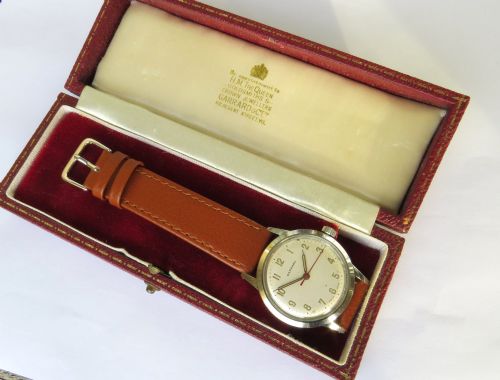
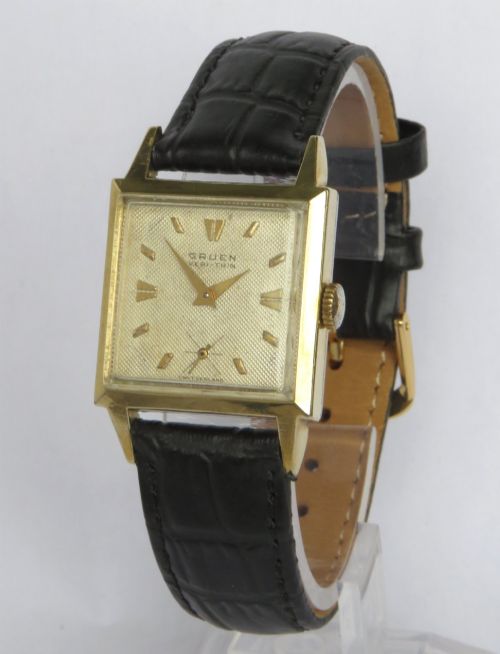
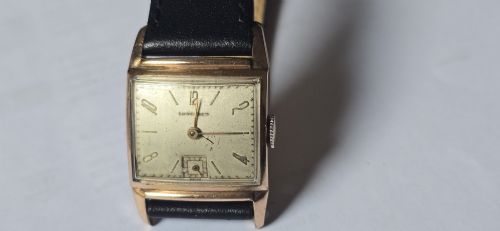
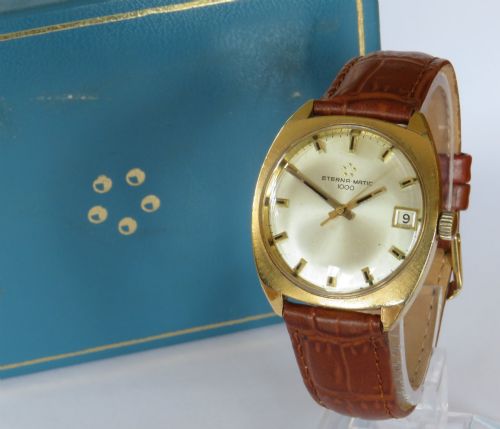
Retro Leather Wrist Watch
A retro leather wrist watch brings mid-century mechanical charm directly to the wrist, offering dependable timekeeping wrapped in vintage style.
Retro Leather Wrist Watch
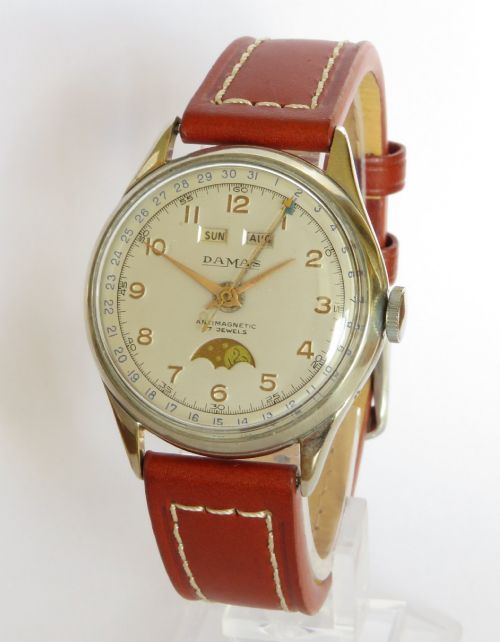
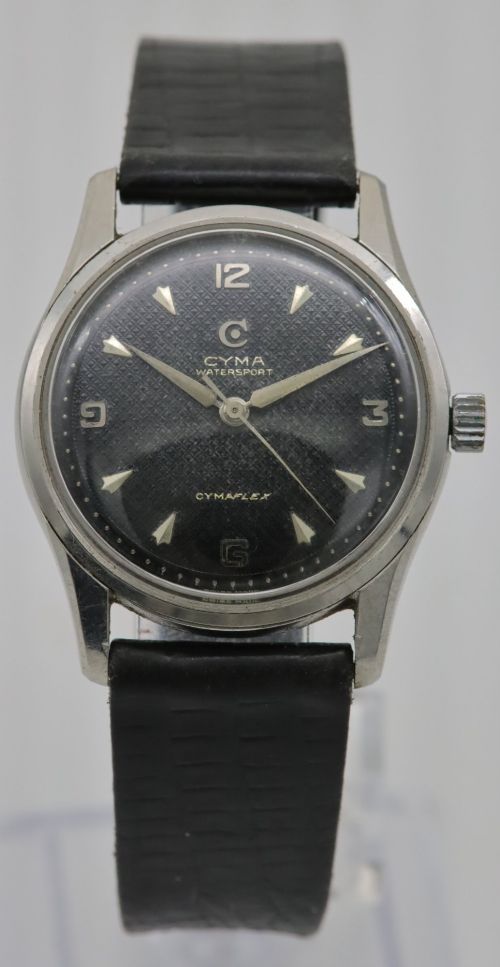
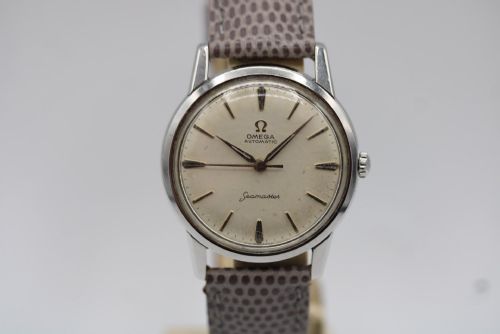
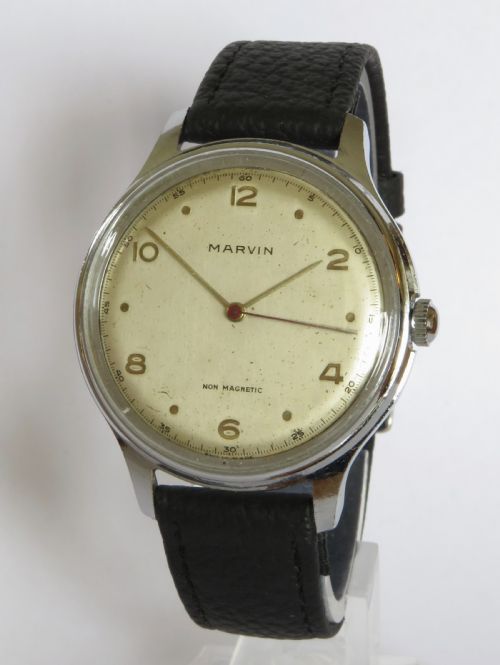
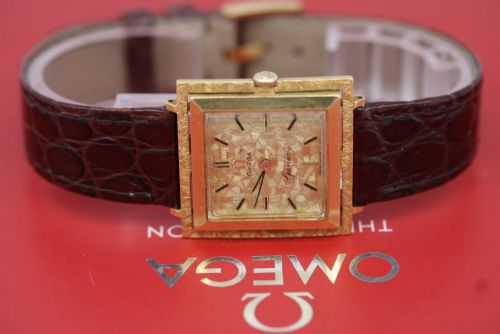
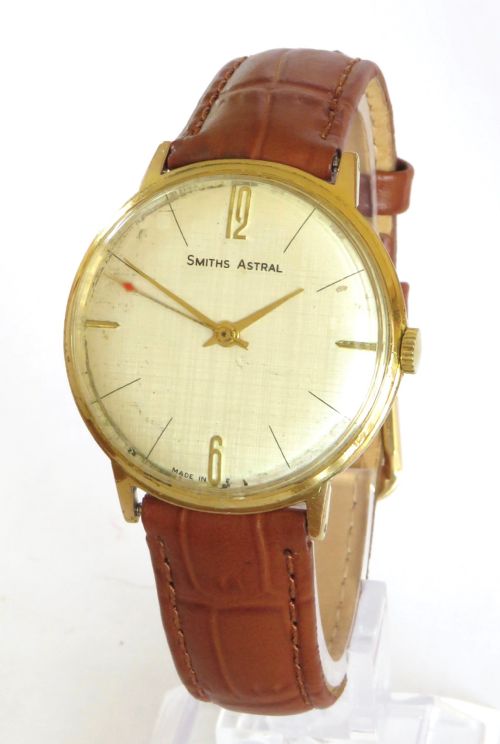
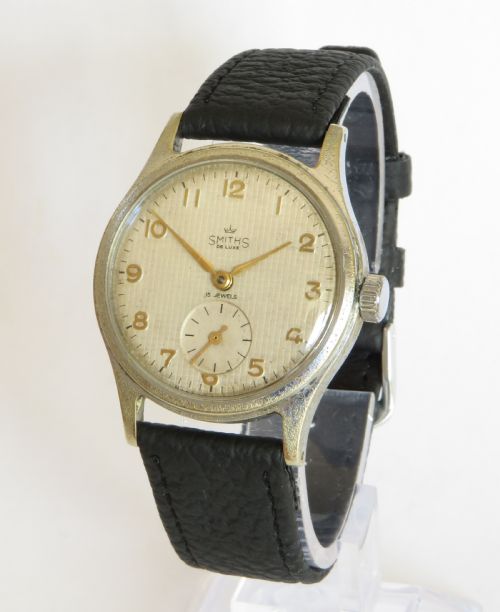
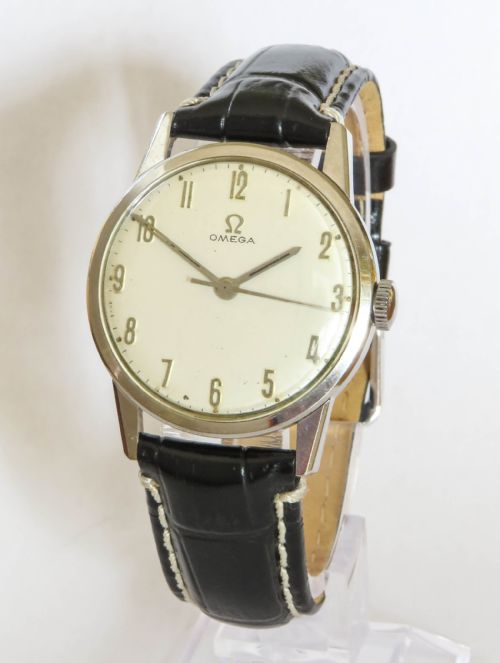
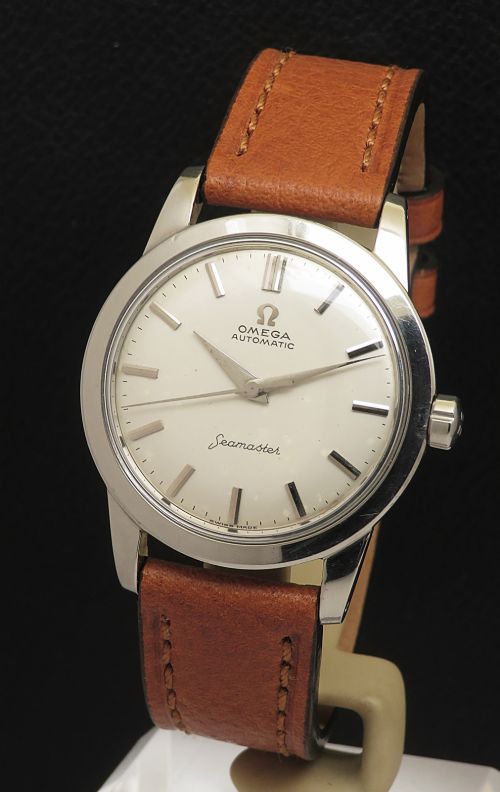
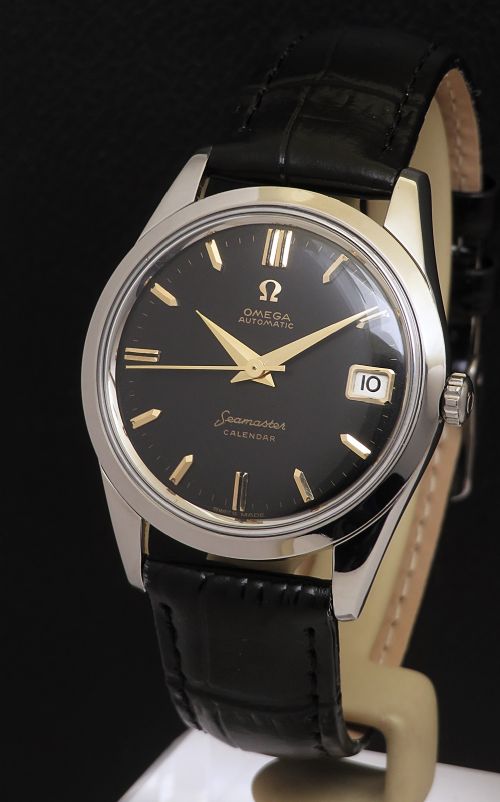
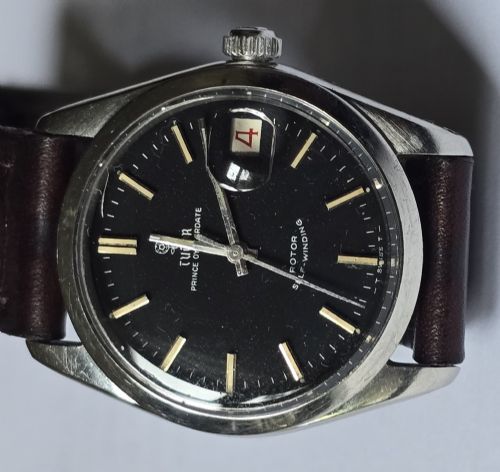
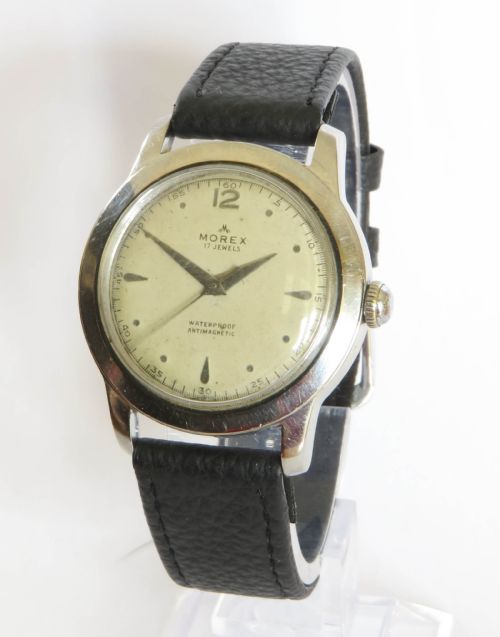
A retro leather wrist watch spans decades of twentieth-century horology, drawing heavily from the 1930s through to the 1970s. These pieces include mechanical timepieces, automatic movements, and chronographs housed in metallic cases paired with leather straps.
The most common examples on this page date from the 1950s and 1960s, reflecting mid-century design principles in both dress and sports models. Buyers encounter established Swiss and British makers alongside specialised chronograph manufacturers.
Forms range from minimalist dress watches to robust calendar models and aviator designs. Each retro leather wrist watch demonstrates the distinct proportions and dial layouts characteristic of its decade of manufacture.
Materials and construction
Cases combine stainless steel, gold plate, chrome, and metal to house intricate mechanical movements. Acrylic or glass crystals protect the dials, maintaining the authentic profile of the period.
Straps utilise genuine leather to complement the metallic tones of the case and the patina of the dial. Movements rely on traditional gear trains, mainsprings, and automatic winding weights to measure time accurately.
Retro Leather Wrist Watch Retail Price Guide 2026
Typical asking prices for retro leather wrist watch among the pieces listed under this phrase on Sellingantiques today, from the lower quarter to the upper quarter. They describe what is for sale here now, not the wider market.
Object types include standard wristwatches alongside specialised chronographs and calendar models from British and Swiss workshops.
Distinguishing quality across the range
Quality differentiates through the complexity and refinement of the internal movement, from basic hand-wound calibres to high-grade automatic and chronograph mechanisms. The precision of the case finishing and the originality of the dial further elevate a piece.
The presence of original documentation, boxes, and unpolished case surfaces elevates certain examples significantly. Attention to detail in dial typography and the integrity of the crystal complete the assessment.
Omega·Smiths·Tudor·Morex·Festina·Gruen·Roamer·Bulova·Hahn Landeron·Avia·Seiko·Tissot·Gloriosa·Cyma·Wittnauer·Kered·Certina·Baume·Ensign·Lanco·Eterna-Matic·Enicar
The Retro Leather Wrist Watch Glossary
- Automatic
- A self-winding mechanical movement that uses a weighted rotor to wind the mainspring through natural wrist motion. This system gained widespread popularity during the mid-century period.
- Chronograph
- A watch equipped with a stopwatch function alongside the primary timekeeping hands. These mechanisms often feature subsidiary dials to measure elapsed minutes and hours.
- Calibre
- The specific manufacturer's designation for a particular watch movement design. Collectors reference the calibre to identify the internal architecture and heritage of the timepiece.
- Acrylic glass
- A lightweight, shatter-resistant plastic material utilised for watch crystals before the adoption of synthetic sapphire. It can be polished to remove surface scuffs.
- Bumper automatic
- An early form of automatic movement where the rotor swings back and forth against internal springs rather than rotating fully. This movement style is characteristic of mid-century engineering.
Retro Leather Wrist Watch: Frequently Asked Questions
How do I care for a vintage leather strap?
Keep the leather dry and away from prolonged exposure to direct sunlight or moisture to prevent cracking. Applying a neutral leather conditioner occasionally preserves flexibility.
Consider swapping the strap for storage if you plan to keep the watch off the wrist for extended periods.
Are these watches waterproof?
Vintage timepieces rarely retain modern water resistance due to age-related wear on seals and gaskets. Avoid submerging them or wearing them during swimming.
Treat them as splash-resistant at best to protect the internal movement from moisture damage.
How often should a mechanical watch be serviced?
Mechanical movements require periodic cleaning and lubrication to ensure consistent timekeeping and prevent wear on metal gears. A professional service every few years keeps the oils fresh.
Regular maintenance preserves the lifespan of vintage components significantly.
How do I identify the decade of a watch?
Examine the styling cues of the dial, numerals, case geometry, and hand shapes. Mid-century pieces often feature minimalist markers or distinctive crosshair dials.
Movement serial numbers inside the case back offer a reliable method for dating the manufacture year precisely.