
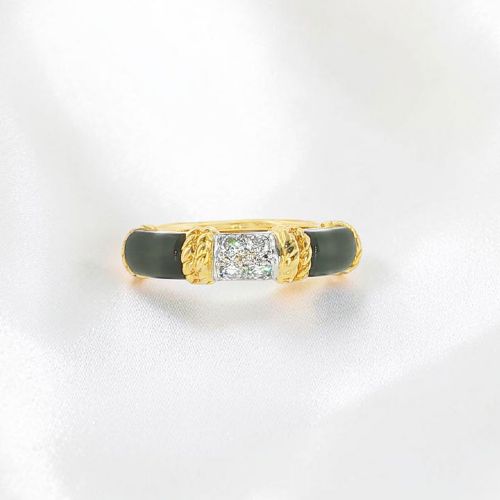
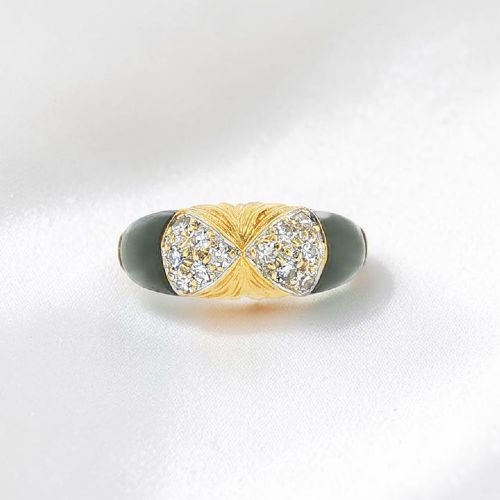
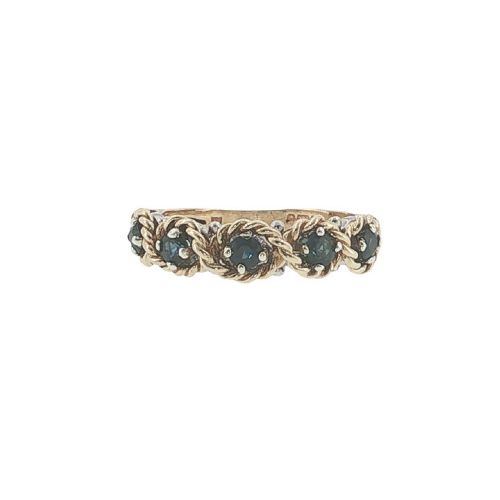
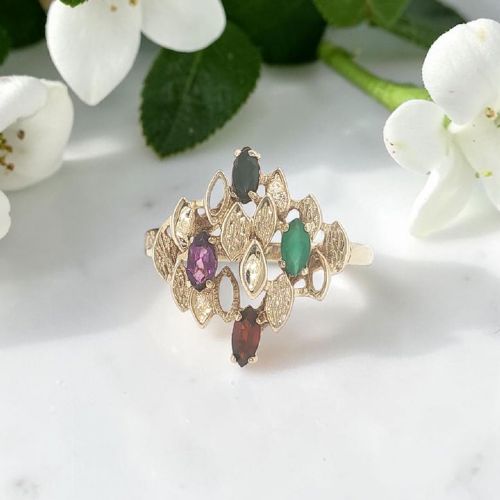
Retro Gold Ring
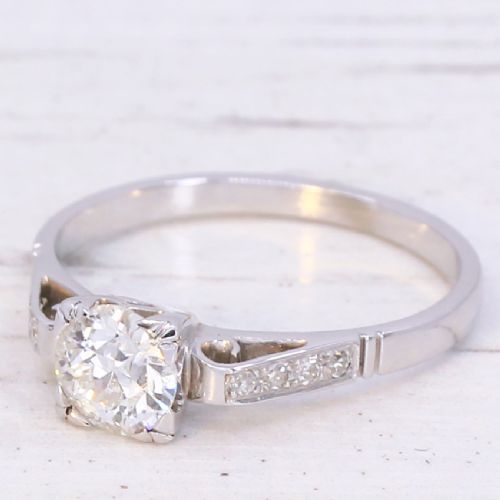
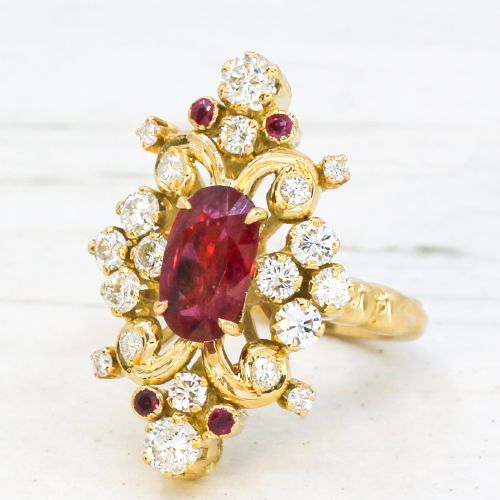
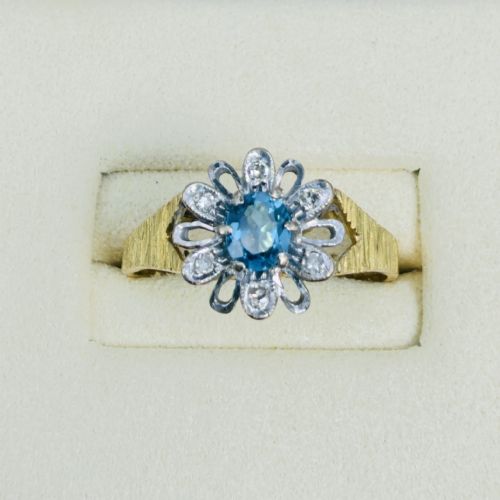
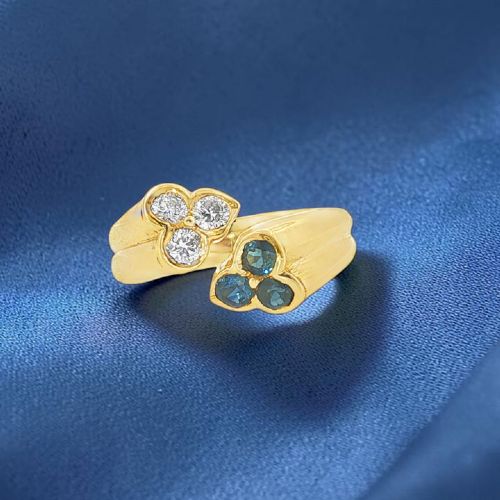
A retro gold ring brings bold 1940s and 1950s forms, heavy yellow gold, and bright coloured gemstones to the hand.
Retro Gold Ring
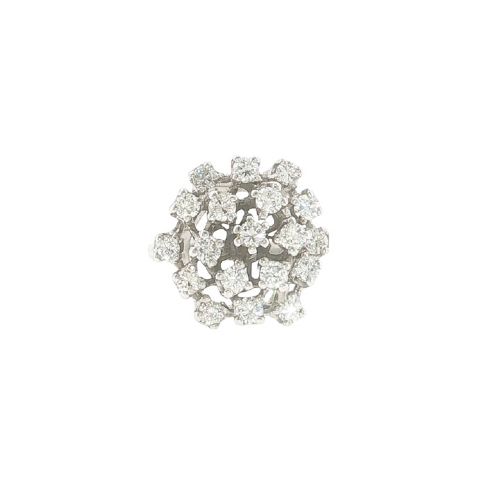
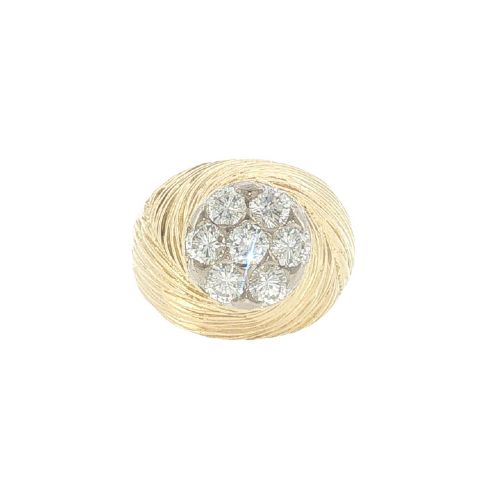
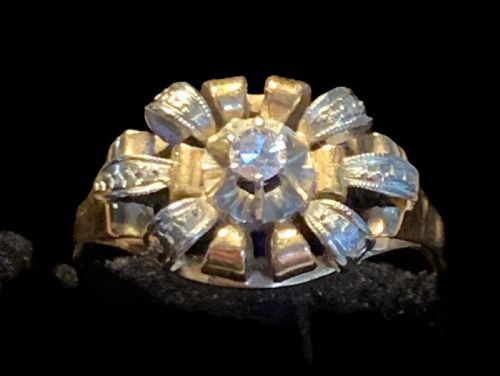
When searching for a retro gold ring, a buyer examines heavy statement pieces originating from the 1940s, 1950s, and 1960s. These designs range from sculptural tank rings and massive cocktail mounts to flower clusters and signet rings.
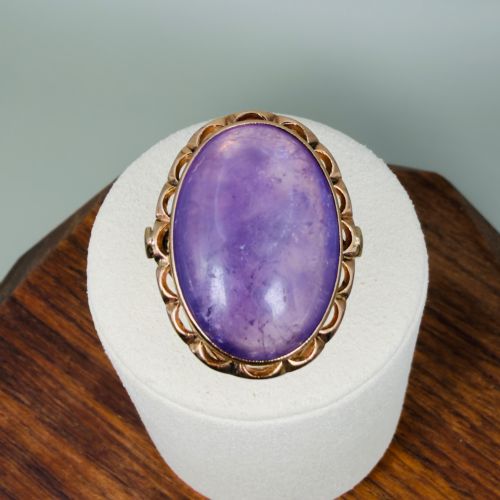
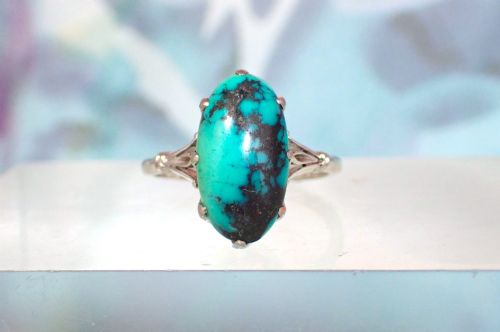
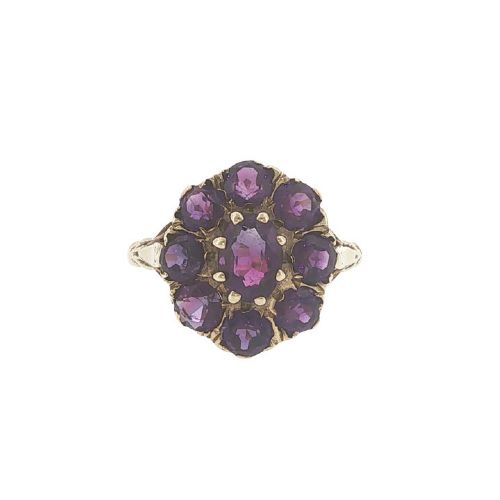
Yellow gold and white gold dominate the selections on this page, often paired with platinum settings. Stones span traditional diamonds and sapphires alongside larger cabochon aquamarines, kunzite, jade, and amethysts.
The aesthetic bridges the geometric lines of earlier Art Deco jewellery and the fluid shapes of mid-century modernism. Buyers encounter French workshops alongside British hallmarked examples from London.
How they were made
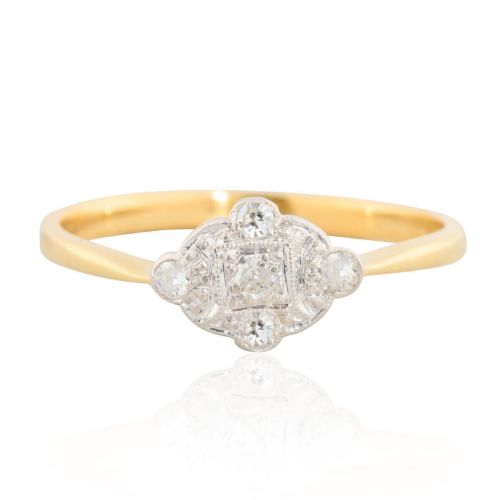
Goldsmiths utilised 18ct yellow gold, 14ct rose gold, and platinum to build robust, weighty structures that supported substantial centre stones. Casting and heavy sheet fabrication created the architectural ribbons and scrolls typical of the period.
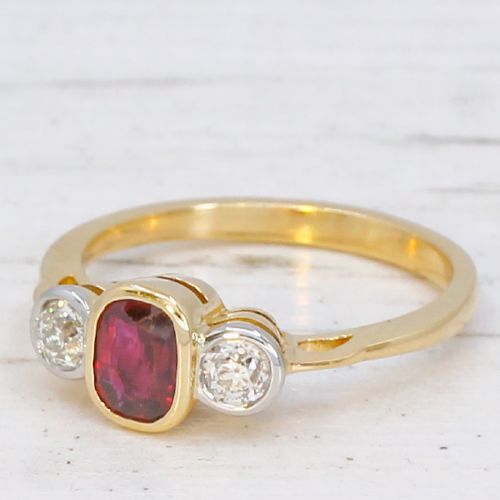
Gemstones such as old cut diamonds, rubies, and emeralds were securely grain-set or bezel-set into heavy metal mounts. Cabochon cuts on jade, turquoise, and aquamarine provided smooth, rounded colour contrasts against polished gold surfaces.
Several rings weigh over thirty grams, proving that mid-century evening wear demanded serious finger strength.
What varies in quality
Construction heft and metal purity define the upper tier of these rings, where thick shanks and substantial gram weights endure decades of wear. Superior examples display crisp casting details in architectural ribbon or tank motifs without thinning.
Stone selection dictates overall distinction, with matching gemstone saturation and lively old cut diamonds elevating specific pieces. Maker attribution, such as signed French or London workshop pieces, further separates standard production from collector items.
Kutchinsky·Giboulet
The Retro Gold Ring Glossary
- Tank ring
- A chunky, architectural ring style originating in France during the 1940s that mimics military machinery shapes. These pieces combine yellow gold and platinum with channel-set diamonds and rubies.
- Cocktail ring
- A large, attention-drawing ring designed for evening wear featuring oversized central gemstones or high-profile cluster arrangements. They frequently incorporate aquamarines, pearls, or multi-stone mosaics.
- Cabochon
- A gemstone cut with a smooth, convex domed surface rather than faceted planes. This technique highlights the depth and natural colour of opaque or translucent materials like jade, turquoise, and star stones.
- Old cut diamond
- A vintage diamond cut featuring smaller tables, higher crowns, and larger culets than modern round brilliants. These stones produce a distinctive softer candlelight sparkle.
- Signet ring
- A solid metal ring historically used for stamping wax seals, featuring a flat top face. Mid-century versions often include engraved monograms or inset onyx plates.
Retro Gold Ring: Frequently Asked Questions
What defines a retro gold ring?
These pieces originate primarily from the 1940s and 1950s, displaying heavy gold construction and volumetric designs. They reflect an era of bold, sculptural jewellery making.
Craftsmanship focused on robust architecture rather than delicate filigree, utilising yellow gold, rose gold, and platinum combinations.
How do I wear a cocktail ring?
Cocktail rings were originally created for evening gatherings and social events where bold accessories dominated fashion. Their substantial size and high settings make them natural focal points for the hand.
Many collectors pair them with simple evening attire to let the central gemstone and heavy metalwork command attention.
Are these rings suitable for daily wear?
Sturdy 18ct gold settings and secure bezel or channel mountings allow many of these pieces to withstand regular use. Heavier shanks provide structural longevity compared to delicate antique equivalents.
Softer or untreated stones such as opals, pearls, or large cabochons require more mindful handling to avoid scratches during everyday tasks.
How do I identify a 1940s ring?
The 1940s aesthetic favours architectural forms, ribbon twists, and tank ring styles influenced by mid-century machinery and French design. Platinum and yellow gold combinations are particularly prevalent in this decade.
Assay office hallmarks, London date letters, and specific maker marks help confirm the exact production period on authenticated specimens.