


Retro Gold Engagement Ring
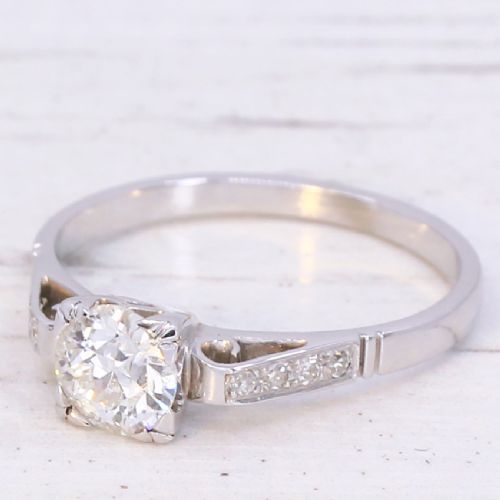
A retro gold engagement ring carries the substantial weight of mid-century design, pairing warm precious metals with brilliant-cut stones.
Retro Gold Engagement Ring
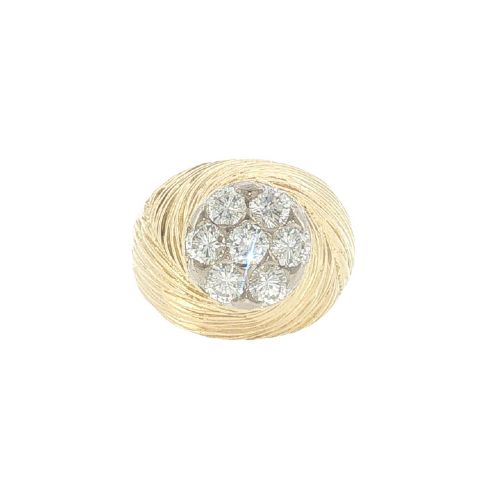
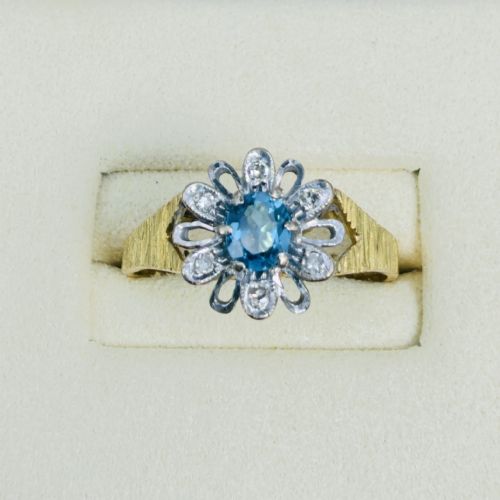
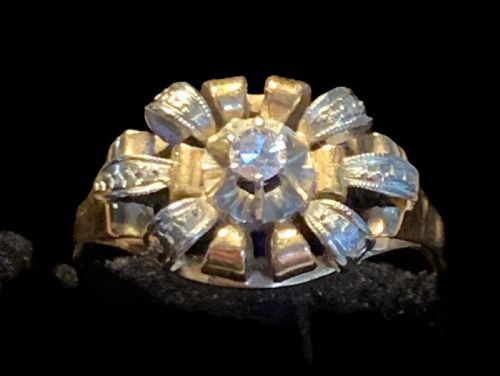
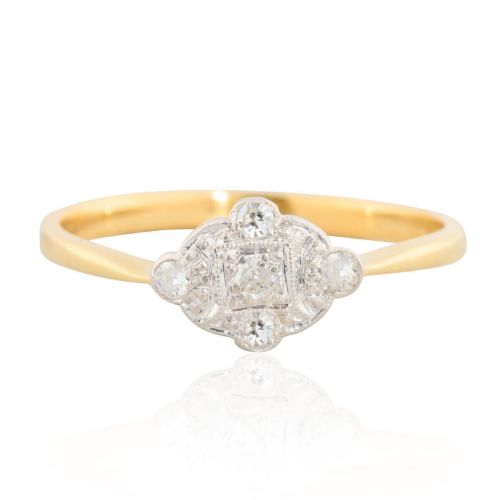
A retro gold engagement ring encompasses pieces originating from the 1930s, 1940s, 1950s, and 1960s, alongside earlier Edwardian influences and later twentieth-century styles. The selection leans heavily towards mid-century productions, featuring robust yellow, white, and rose gold settings paired with platinum highlights.
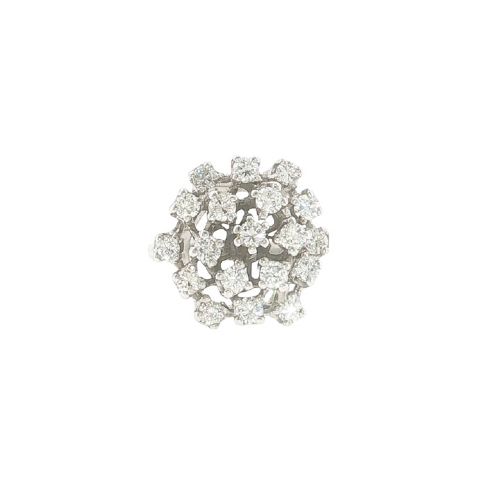
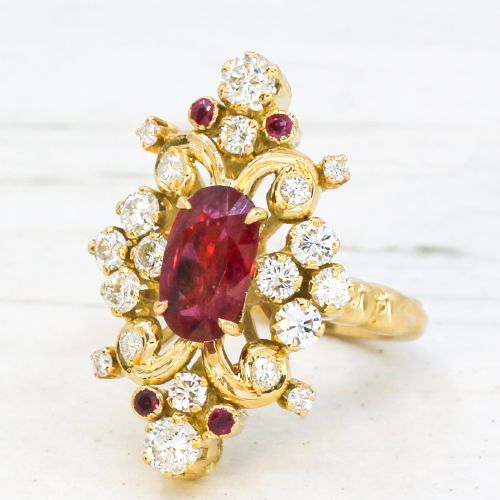
Buyers encounter a variety of forms, including single-stone solitaires, floral and daisy clusters, target rings, and multi-stone arrangements. Central gems range from old-cut and transitional-cut diamonds to deep blue sapphires and rich Burmese rubies.
Origin points span domestic and continental workshops, with French and Italian pieces appearing alongside London-hallmarked examples. The typical item combines heavy gold work with secure prong or bezel settings designed to showcase prominent centre stones.
Distinctions in construction and material standard
The standard of a piece rests upon the weight and integrity of the gold or platinum mounting, alongside the quality and natural state of the central gemstones. Heavier gauge metalwork and intact, original claw work distinguish superior examples from lighter alternatives.
Gemstone selection dictates the upper tier of the range, particularly unheated rubies, untreated sapphires, and substantial old-cut diamonds with strong clarity grades. Hallmarks and clear maker or regional indicators also contribute to the standing of an individual ring.
Some mid-century clusters arrange diamonds and sapphires into tiny floral bouquets that permanently bloom on the finger.
The Retro Gold Engagement Ring Glossary
- Old Cut
- A diamond faceting style common in older stones, featuring a smaller table, higher crown, and open culet. This cut produces a softer, chunky reflection rather than the brilliant sparkle of modern stones.
- Transition Cut
- A diamond cut utilised during the shift from old cuts to modern brilliant cuts, possessing characteristics of both styles. It bridges the aesthetic gap between antique and modern proportions.
- Cluster Ring
- A ring style where a central stone is surrounded by a tight grouping of smaller gems, often forming a floral or geometric shape. This arrangement maximises visual impact and perceived size.
- Target Ring
- A geometric ring design featuring concentric circles of contrasting gemstones or metal around a central stone. It is strongly associated with Art Deco and mid-century aesthetics.
- Ballerina Ring
- A distinctive cocktail ring setting where tapered baguettes or smaller diamonds radiate outwards like a dancer's tutu. This form creates a dramatic, tiered profile.
Retro Gold Engagement Ring: Frequently Asked Questions
What defines a retro gold engagement ring?
These rings originate from the mid-twentieth century, specifically spanning the 1930s through to the 1960s. They utilise substantial yellow, white, or rose gold combined with platinum to secure diamonds, sapphires, and rubies.
The designs lean away from delicate Edwardian filigree towards bolder, sculptural forms. Solitaires, floral clusters, and target rings dominate this category.
How do I care for a mid-century gold ring?
Regular maintenance involves gentle cleaning with warm soapy water and a soft brush to remove daily accumulation behind the settings. Avoid harsh ultrasonic cleaners if the piece contains softer natural pearls or treated stones.
Periodic inspection by a professional jeweller ensures the claws holding the diamonds or sapphires remain secure. Minimising exposure to abrasive chemicals preserves the polished finish of the gold.
Are these rings suitable for daily wear?
Solid 18ct gold and platinum mountings provide the structural durability required for everyday use on the hand. Diamonds and sapphires possess the high mineral hardness necessary to withstand regular contact.
Thisterm applies well to robust mid-century designs, though intricate floral clusters or pearl settings demand greater care. Owners should remove them during heavy physical tasks to protect the original claw work.
How can I tell the period of the ring?
Stylistic cues such as geometric target patterns point towards earlier decades, while flowing floral clusters often align with the post-war period. Metal choices also help, as white gold and platinum pairings grew popular in mid-century workshops.
Official hallmarks stamped inside the band provide definitive clues regarding the assay office and year of production. London marks and continental stamps clarify the geographic origin.