


Retro Glass Ceiling Light
A retro glass ceiling light brings period character and diffused illumination to a room, offering genuine architectural presence.
Retro Glass Ceiling Light
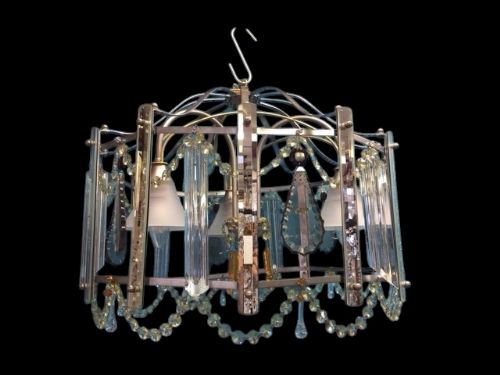
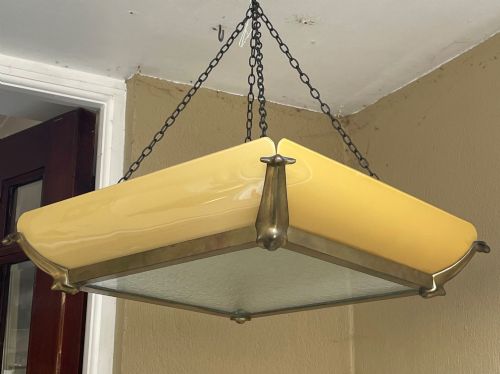
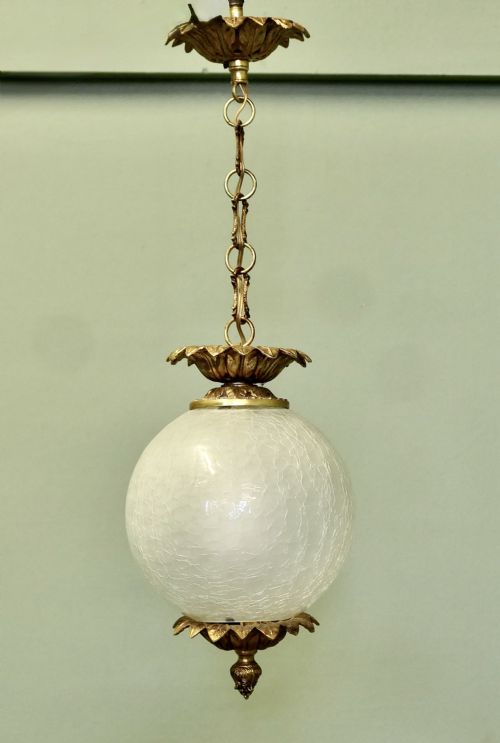
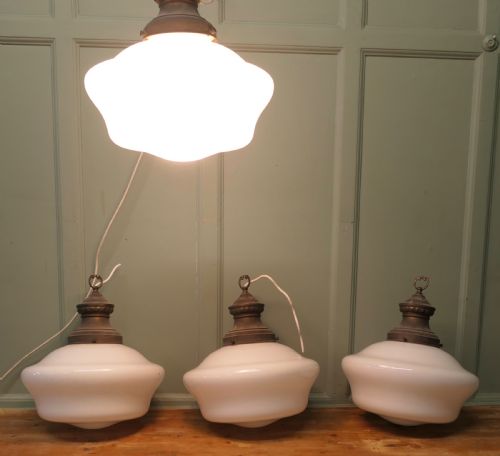
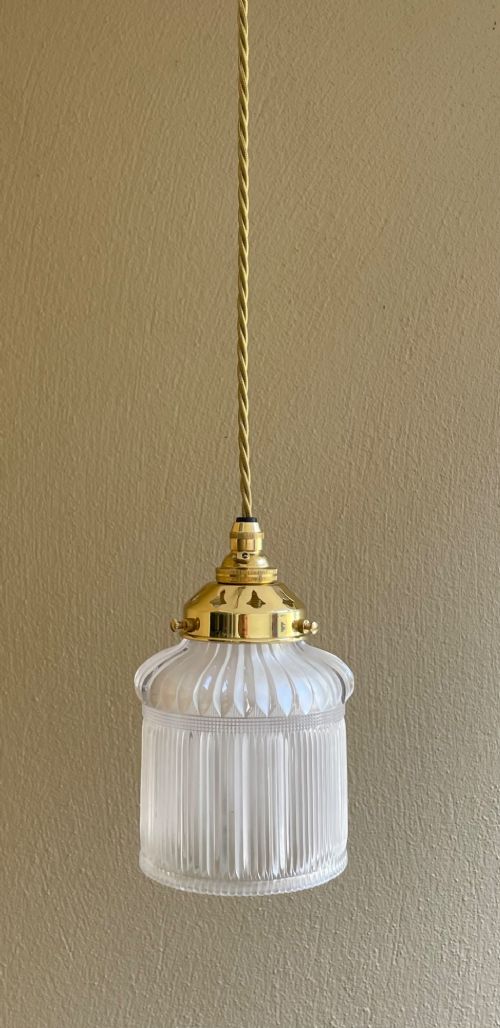
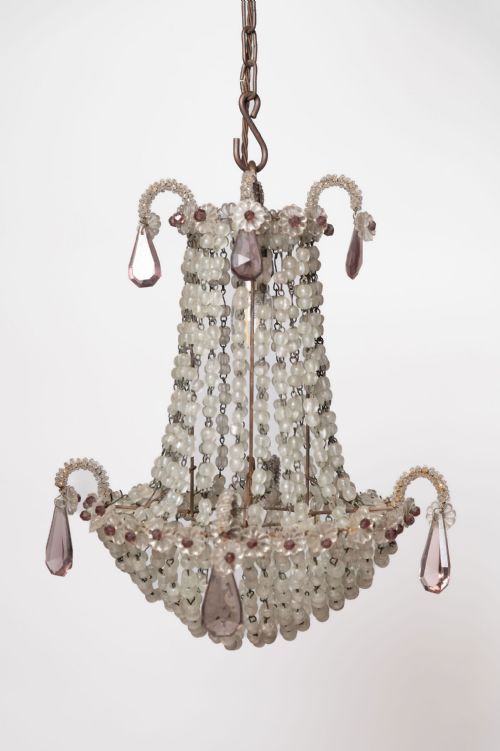
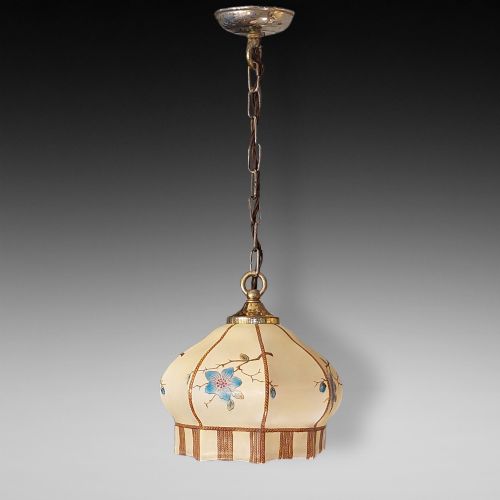
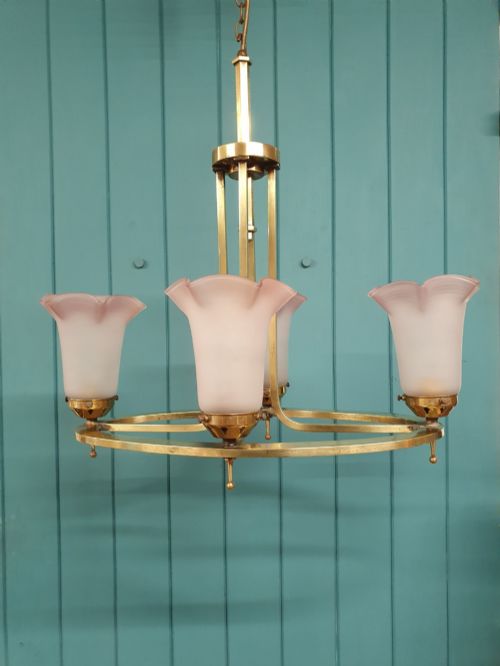
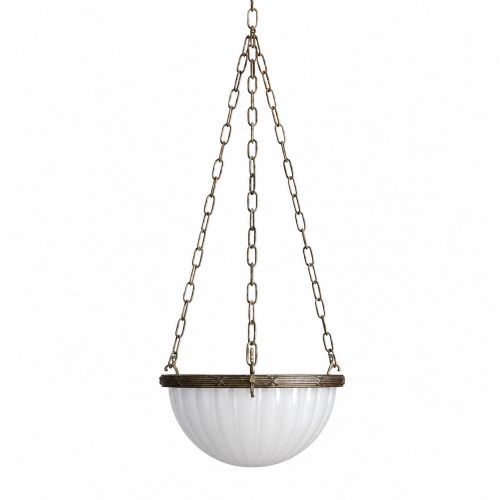
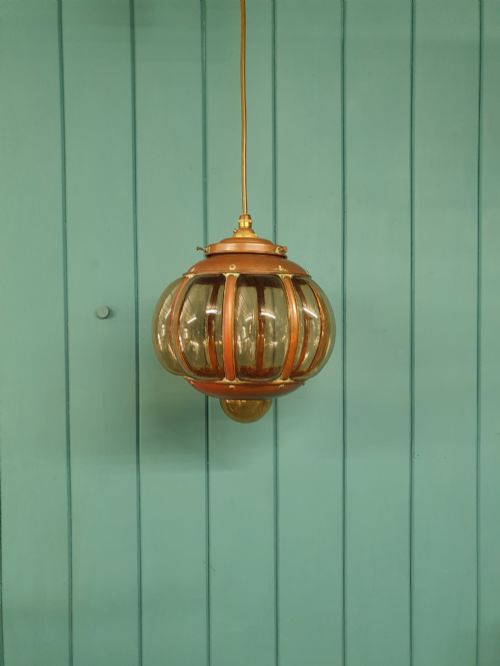
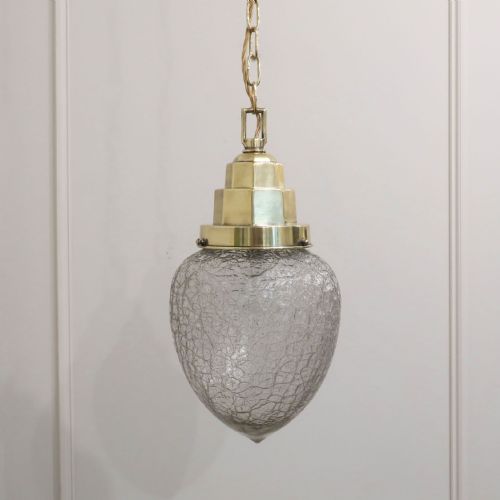
When you search for a retro glass ceiling light, you are looking at overhead fixtures spanning the Edwardian era through the mid-century decades, including the 1920s and 1930s. The most common examples on this page take the form of pendant lights, chandeliers, and individual glass shades suspended from ceilings.
These pieces draw on diverse styles such as Art Deco, industrial design, and Venetian or Florentine traditions. You will encounter spherical globes, conical shades, and moulded glass plafonniers that originally served domestic, nautical, or factory environments.
Originating from British, French, and Italian workshops, these fixtures range from simple utilitarian hallway pendants to elaborate multi-light chandeliers. The selection reflects the changing domestic architecture and lighting technologies of the early twentieth century.
How they were made
The construction relies on a combination of pressed, moulded, or hand-painted glass paired with metal galleries and mounts. Materials such as brass, copper, chrome, and standard metal provide the structural housing for frosted, opaline, cut, crackle, or smoked glass shades.
Specialised techniques include the prismatic ribbing seen in Holophane glass designed to direct light efficiently, alongside acid-etched finishes and layered opaline formulas. Metal components are cast, spun, or assembled to hold the heavy glass elements securely in place.
Listings feature brass, copper, chrome, and standard metal paired with frosted, opaline, cut, and smoked glass.
What varies in quality
The distinction between standard examples and finer pieces lies in the weight and clarity of the glass, as well as the integrity of the metalwork. Heavier moulded shades with complex surface textures or integrated prismatic patterns demonstrate superior manufacturing ambition compared to plain utilitarian globes.
Original metal galleries, especially those cast in solid brass, copper, or stamped with maker signatures, elevate a piece above later replacements or generic metal fittings. The subtlety of hand-painted details and the depth of colour within opaline or tinted glass further separate average production from exceptional studio work.
Jean Gauthier
The Retro Glass Ceiling Light Glossary
- Plafonnier
- A bowl-shaped ceiling light fixture mounted flush or semi-flush against the ceiling. This French term typically describes Art Deco glass dome configurations.
- Opaline glass
- A milky, translucent glass variant that diffuses light evenly without glare. It appears frequently in white, pink, and green tones across twentieth-century pendants.
- Holophane
- A brand of scientific prismatic glass engineered to refract and control light distribution. These pieces feature distinctive exterior ribbing designed for industrial and commercial efficiency.
- Gallery
- The metal collar or rim that grips the top of a glass shade and connects it to the suspension rod or flex. Original galleries often carry maker stamps or specific ventilation holes.
Retro Glass Ceiling Light: Frequently Asked Questions
How do I hang a heavy antique glass pendant?
These fixtures require secure fixing to a ceiling joist using a metal hook or bracket capable of supporting the combined weight of the glass and metal components. Professional installation by an electrician ensures the internal wiring safely meets current standards.
Older wiring found within these fixtures should be replaced before use. An electrician can easily thread modern flex through the original metal galleries and suspension rods.
Can I use standard modern light bulbs?
Most of these fixtures accommodate standard screw or bayonet bulb holders, though you must check the internal dimensions of enclosed globes or small shades. LED bulbs work well because they generate less heat, protecting vintage glass and painted finishes from thermal stress.
Choosing a warm white bulb helps replicate the soft glow originally produced by early twentieth-century filaments. Clear or frosted bulb variants will alter how light passes through textured, opaline, or crackle glass.
How do I clean vintage glass shades safely?
Remove the glass shade from the metal gallery whenever possible to avoid straining old screws or fixings. Wash the glass gently in lukewarm water with mild soap, avoiding harsh abrasives that might damage painted surfaces or etched patterns.
Dry the glass thoroughly with a soft cloth before reassembly. Metal galleries should be dusted with a dry cloth rather than submerged in water to preserve patinated brass, copper, or chrome finishes.
How do I date an antique glass ceiling light?
Examine the design style, manufacturing materials, and construction techniques used in both the glass and the metal gallery. Art Deco pieces from the 1920s and 1930s often feature geometric mouldings or stepped brass mounts, while Edwardian examples tend toward frilled edges or beaded fringes.
Maker marks stamped onto metal galleries or moulded signatures within the glass provide definitive clues. Patents held by firms like Holophane help narrow down production years based on the specific prismatic ribbing pattern.