



Retro Glass Cabinet
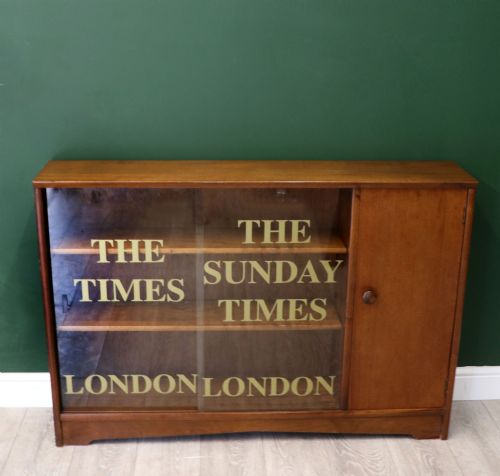
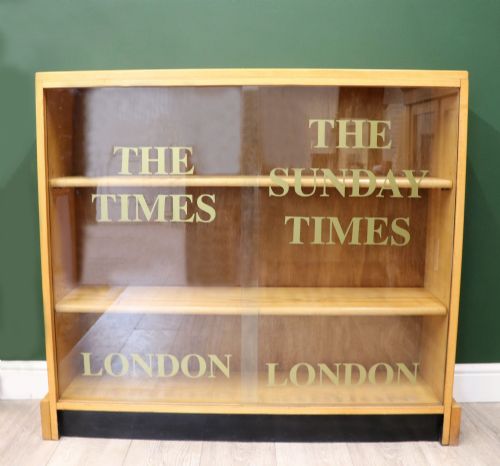
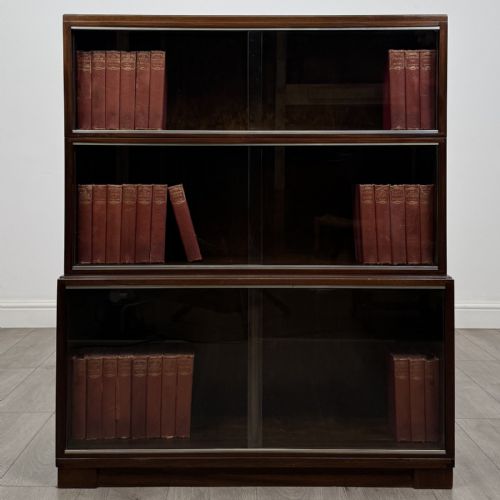
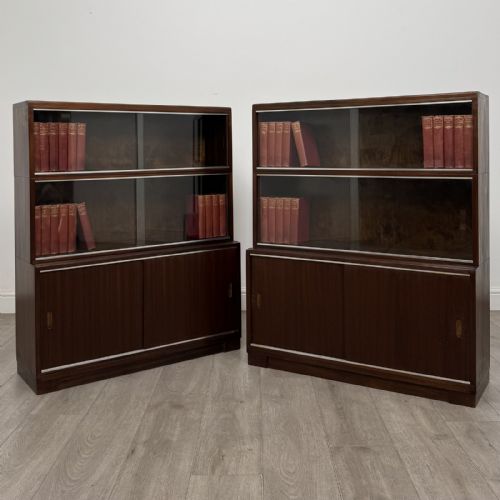
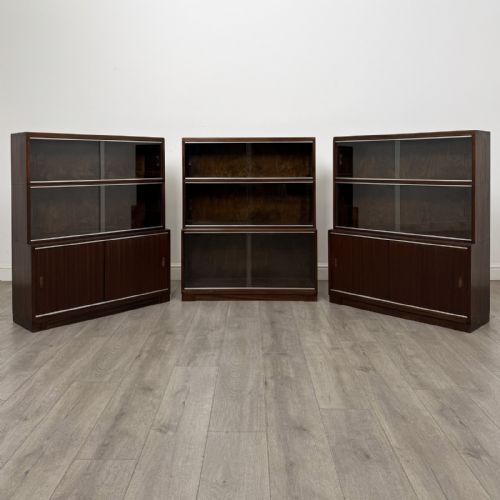
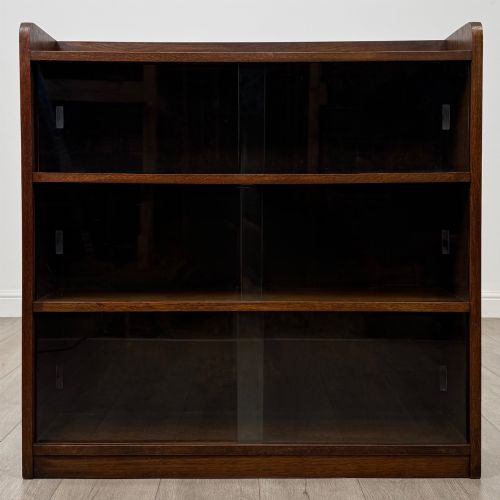
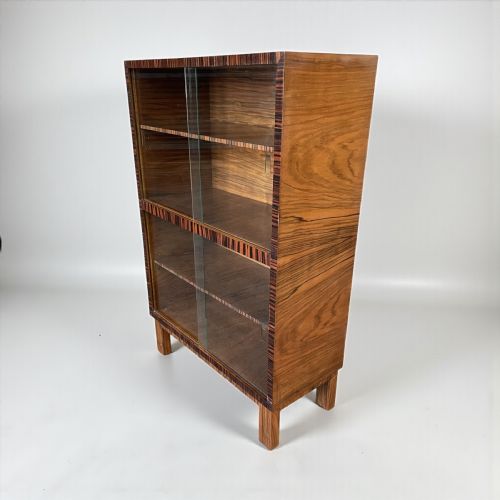
A retro glass cabinet brings distinct mid-century or art deco character into a room while keeping your treasured objects clearly in view.
Retro Glass Cabinet
When you search for a retro glass cabinet, you find pieces designed to showcase books, collections, or tableware through clear viewing panels. The selections here span styles such as Art Deco and Mid-Century Modern, alongside industrial shop fittings and Edwardian forms.
The most common examples on this page date from the 1930s, featuring walnut, oak, and burr walnut veneers. You will also encounter pieces from the 1950s in teak and oak, alongside specialist items like medical cabinets and display counters.
Forms range from tall bookcases and display cabinets to compact bedside units and drinks trolleys. Each piece serves to organise and display items while anchoring a room with period materials.
How they were made
Construction relies heavily on timbers such as oak and walnut, frequently applied as veneers over a sturdy wooden carcase. Burr walnut and sycamore appear on more decorative examples, offering striking grain patterns across flat surfaces and curved doors.
Glazing forms the central feature of these cabinets, held within wooden frames or sometimes supported by aluminium structures in industrial or commercial pieces. Brass hardware and fabric linings occasionally complement the primary materials.
Retro Glass Cabinet Retail Price Guide 2026
Typical asking prices for retro glass cabinet among the pieces listed under this phrase on Sellingantiques today, from the lower quarter to the upper quarter. They describe what is for sale here now, not the wider market.
Listings feature walnut, oak, veneer, burr walnut, brass, fabric, and aluminium materials.
What varies in quality
Quality in these pieces rests on the choice of timbers and the skill of the veneering, particularly where burr walnut or figured grain wraps around curves. The harmony of proportions and the finesse of the joinery distinguish standard utilitarian storage from exceptional workshop output.
Maker attribution elevates certain pieces, with specific workshops and designers demonstrating superior handling of materials and distinctive silhouettes. The integrity of the glass panels and the precision of the door alignment further separate standard examples from finer specimens.
Epstein·Heals·Arthur Reynolds Of Ludlow·Phoenix Gallery
The Retro Glass Cabinet Glossary
- Art Deco
- A design style spanning the 1920s and 1930s, characterised by geometric shapes, stylised motifs, and sleek lines. It heavily influences the aesthetic of many cabinets from this era.
- Veneer
- A thin layer of decorative wood applied over a base timber to provide an attractive surface figure. Burr walnut veneer is a notable example seen on mid-century and art deco furniture.
- Display Cabinet
- A case with glass panels specifically made for showing objects inside. These pieces often combine shelving with enclosed storage.
- Mid-Century Modern
- A style reflecting post-war design trends from the mid-twentieth century, often utilising clean forms and timbers like teak.
- Display Counter
- A low cabinet with glass viewing areas designed originally for retail or commercial settings. They provide wide horizontal surfaces for viewing items from above.
Retro Glass Cabinet: Frequently Asked Questions
What periods do these cabinets cover?
The pieces span several decades, with a strong representation from the 1930s alongside Edwardian examples and 1950s retro items.
Materials and construction methods shift between these eras, moving from traditional hardwoods to later mid-century veneers.
Are all these cabinets meant for homes?
Most are domestic items like bookcases, bedside units, and drinks trolleys intended for living spaces.
However, some selections originate from commercial or clinical settings, such as shop display counters and medical cabinets.
How do I identify Art Deco pieces?
Art Deco cabinets typically showcase geometric symmetry, curved wooden silhouettes, and rich veneers like burr walnut.
They often date from the 1930s and rely on clean, stylised lines rather than heavy historical carving.
What woods are commonly used?
Oak and walnut appear frequently across the selection, both in solid form and as decorative veneers.
More specialised pieces incorporate sycamore, brass details, fabric elements, or aluminium frames.