


Restoration Period Artwork
Restoration period artwork captures the dignified likenesses and rich Baroque aesthetics of the seventeenth century through oils on canvas and prints.
Restoration Period Artwork
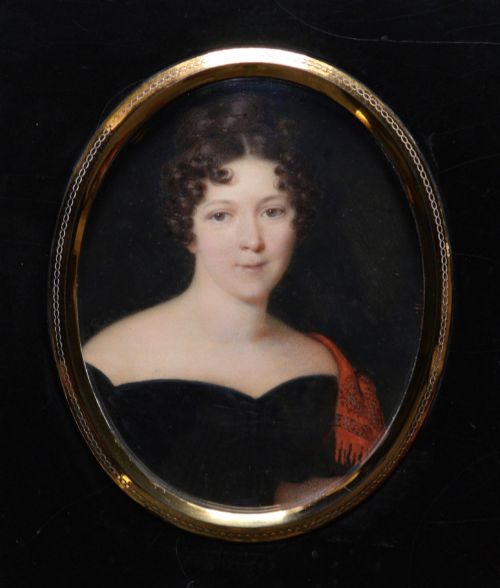
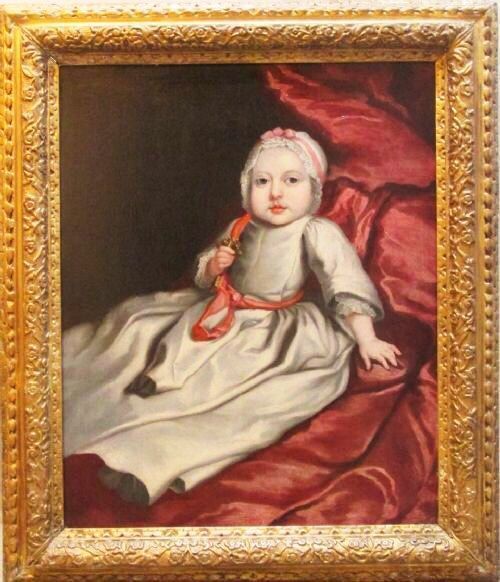
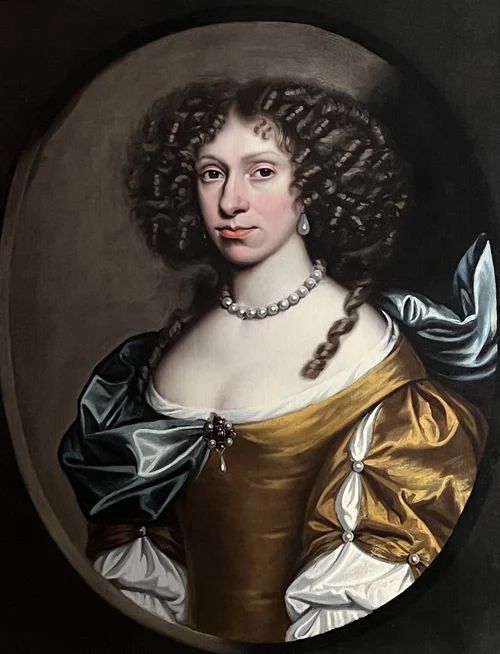
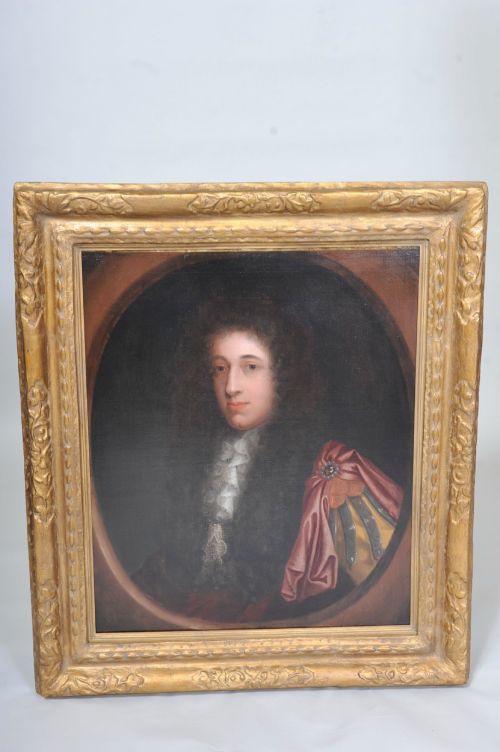
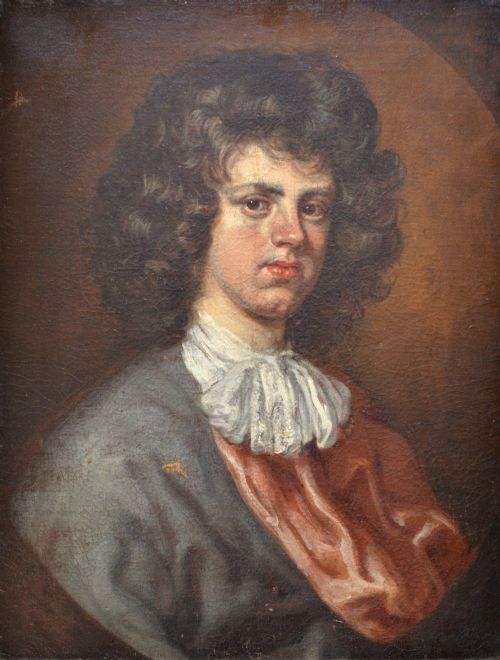
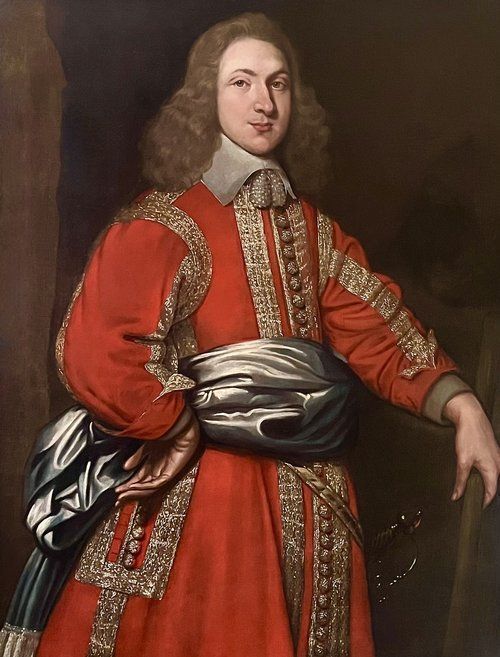
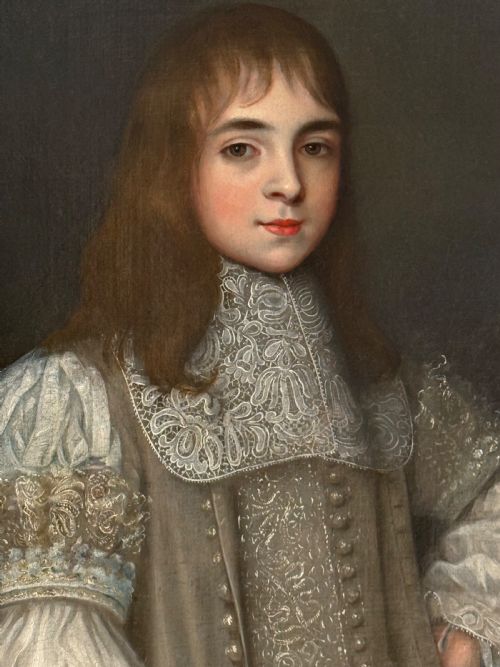
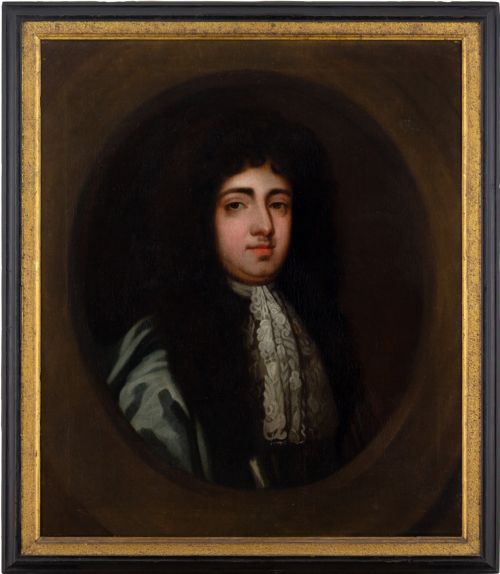
Restoration period artwork largely consists of seventeenth-century oil paintings and portraits depicting notable figures, gentlemen, and ladies. These works capture the distinct visual culture of the Stuart era and British Baroque traditions.
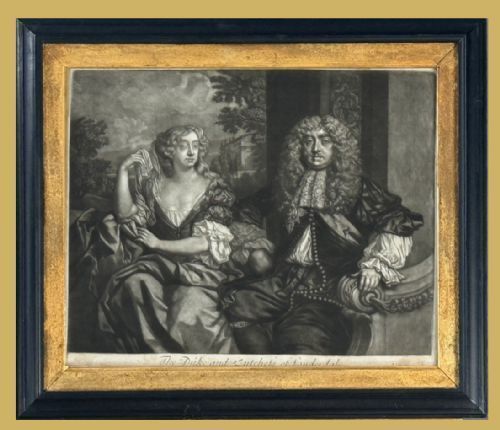
Buyers will frequently encounter portraits executed on canvas, alongside prints and engravings produced by prominent workshops and circles of established painters. The majority of these pieces originate from seventeenth-century English, Anglo-Dutch, and Anglo-Irish schools.
Subjects range from military officers and nobility to lords and historical figures, rendered with specific attention to period costume and setting. These artworks serve as historical documents as much as they do decorative portraits for period interiors.
Assessing quality and execution
Provenance and attribution strongly influence the standing of a canvas, particularly when linked to documented masters or historically significant sitters. The preservation of the original oil surface and the integrity of the underlying canvas also define the calibre of the piece.
Listings feature works spanning the seventeenth century, with materials including oil on canvas, giltwood, paper, and ink.
David Scougall·Sir Peter Lely·Mary Beale·John Michael Wright·John Greenhill·Johann Kerseboom·John Riley·Arnold van Boonen
The Restoration Period Artwork Glossary
- Baroque
- A style of European architecture, music, and art of the seventeenth and eighteenth centuries characterised by ornate detail and dramatic movement. In painting, this translates to rich colour palettes and strong contrasts between light and shadow.
- Mezzotint
- A printmaking process of the half-tint category, enabling the production of prints with subtle gradations of tone. This technique was frequently utilised to reproduce painted portraits in multiple impressions.
- Giltwood
- Wood that has been coated with gold leaf or gold paint for decorative effect. Frames from the period often display elaborate carved giltwood designs.
- Stuart
- Pertaining to the period of the Stuart dynasty in England and Scotland, encompassing the seventeenth century when these portraits were painted. The aesthetic reflects the royal court and aristocracy of the era.
Restoration Period Artwork: Frequently Asked Questions
What subjects appear in restoration period artwork?
These pieces predominantly feature portraits of nobility, military officers, gentlemen, and ladies associated with the seventeenth-century court and aristocracy.
Sitters are frequently identified by name, capturing the likenesses of historical figures and landowners from English, Irish, and Dutch circles.
How do I care for an oil painting on canvas?
Protect the canvas from direct sunlight and maintain stable room humidity to prevent the drying and cracking of traditional oil paint.
Dust the surface gently with a soft, dry brush and avoid using liquid cleaners on either the canvas or the giltwood frame.
How can I tell a painting's period?
Dating relies heavily on the style of costume, the treatment of hair, and the sitters' poses typical of the seventeenth century. Attributions to specific artists or circles within the evidence provide further chronological markers.
Physical examination of the canvas weave and stretcher frames also helps confirm seventeenth-century construction methods.
What is the difference between an original oil and a mezzotint?
An original oil painting is a unique hand-painted artwork created directly by the artist or studio using oil on canvas.
A mezzotint is a printed work on paper created through an engraving process, often used to replicate famous painted portraits for wider distribution.