
Restoration Era Art
When exploring restoration era art, buyers encounter oil on canvas portraits and carved wood panels rooted in the seventeenth century.
Restoration Era Art
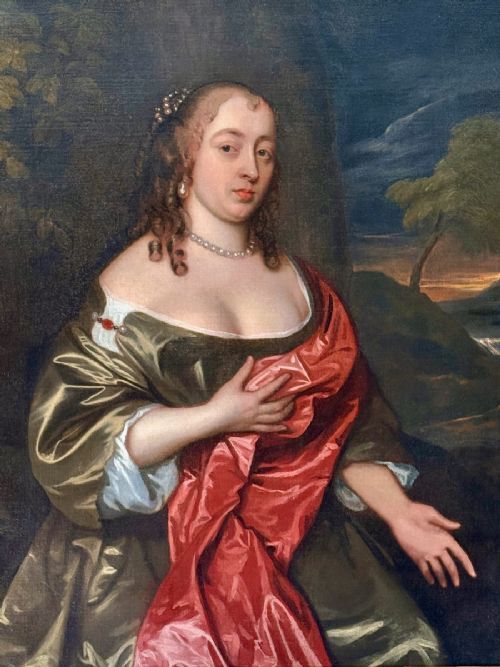
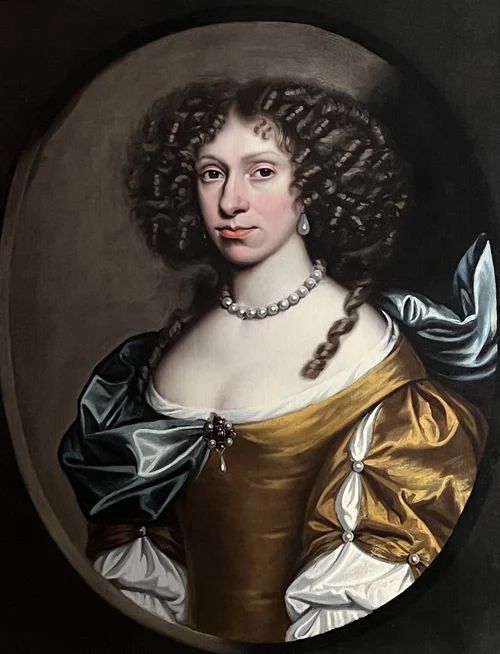
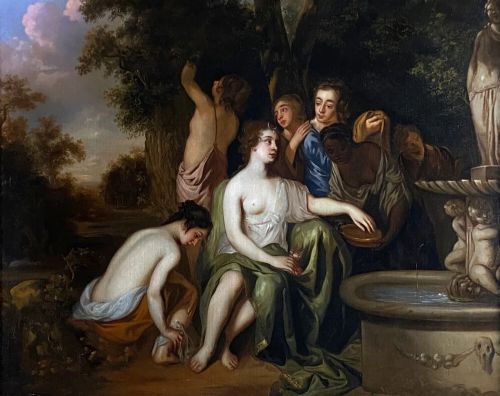
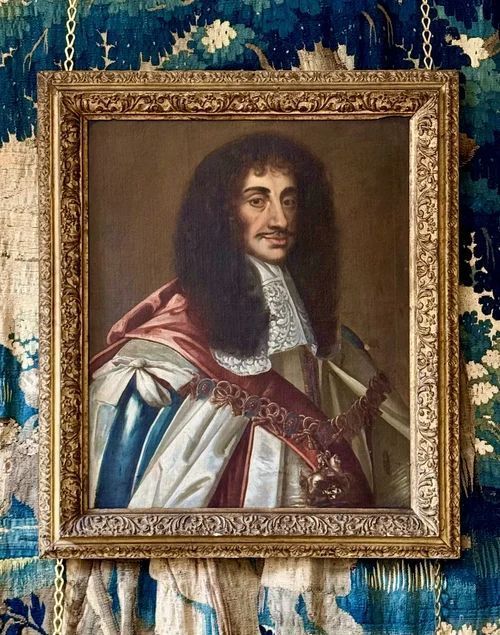
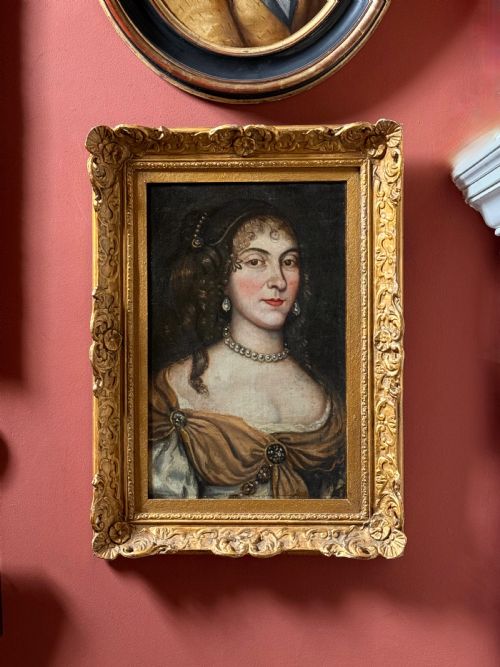
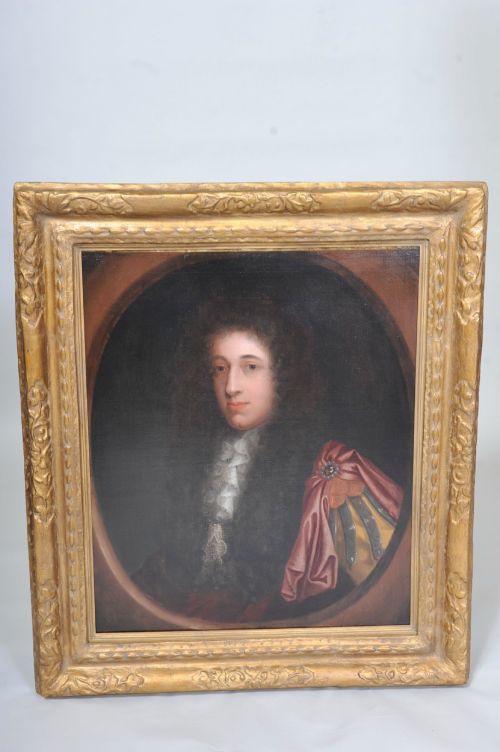
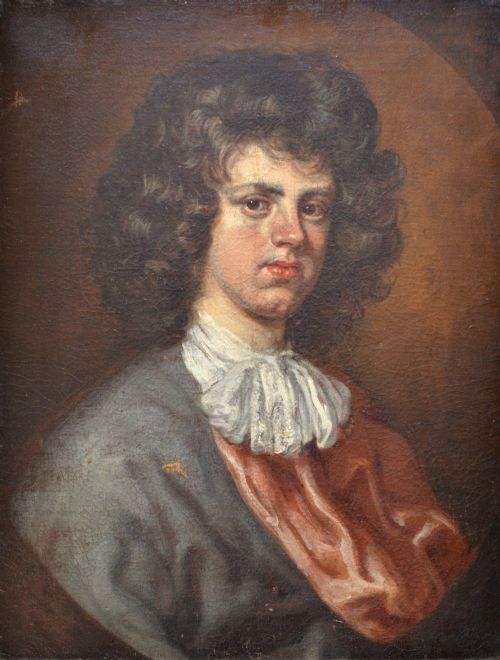
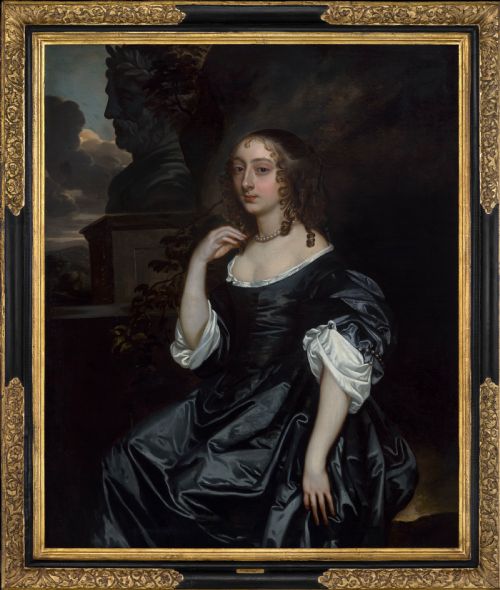
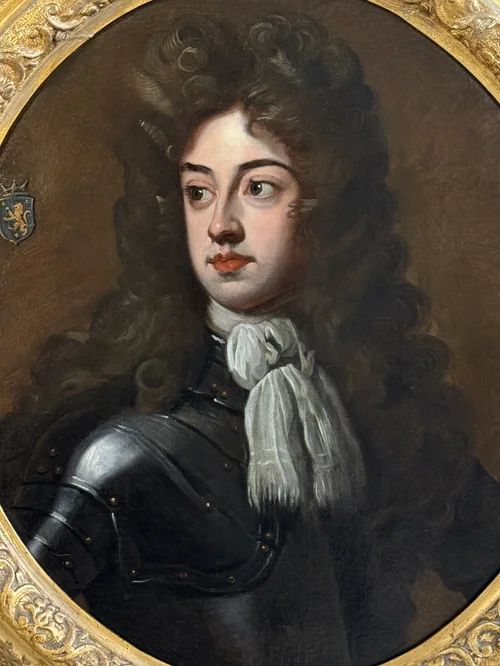
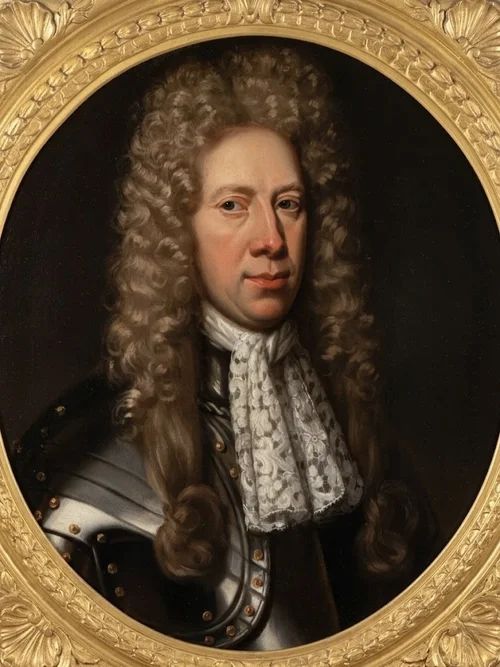
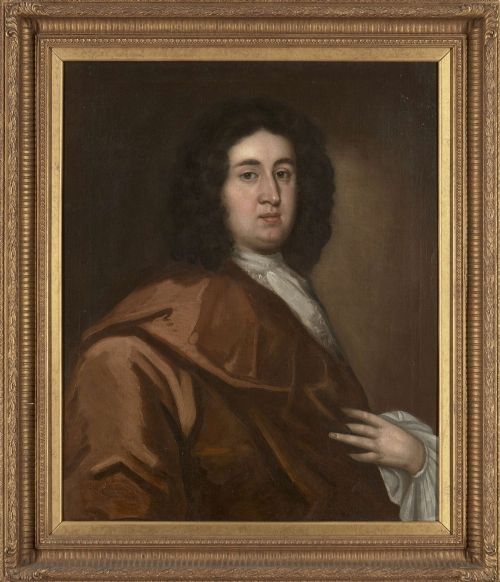
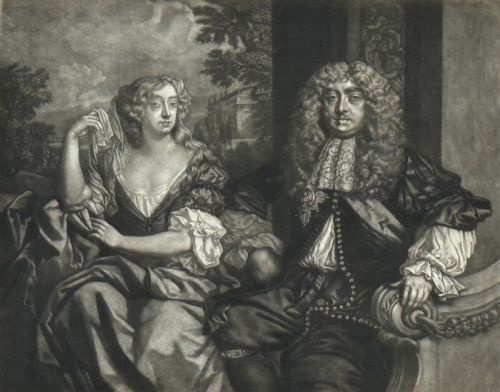
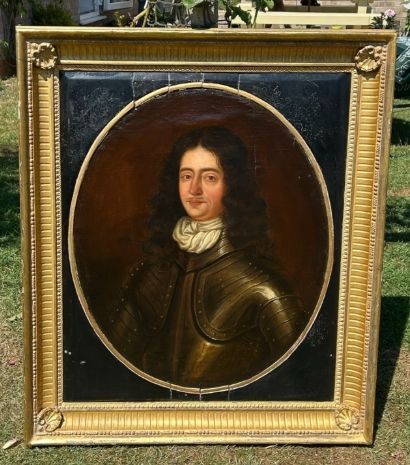
Restoration era art primarily comprises oil paintings and prints depicting nobility, monarchs, and gentry from the seventeenth century onwards.
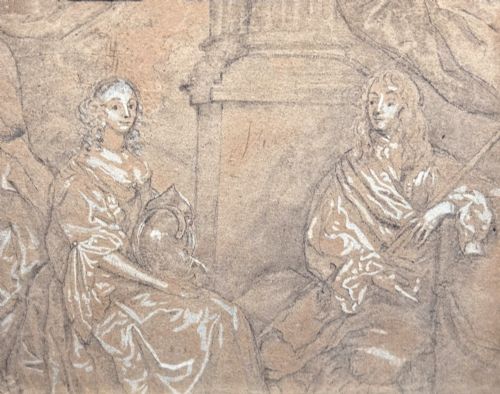
The selections feature portraits of ladies, gentlemen, and historical figures executed by prominent English and European workshops.
Buyers also encounter framed art, engravings, and carved oak panels reflecting the distinctive baroque aesthetic of the period.
Materials and construction
Frames and architectural elements utilised giltwood and carved oak, embellished with gold leaf and detailed relief work.
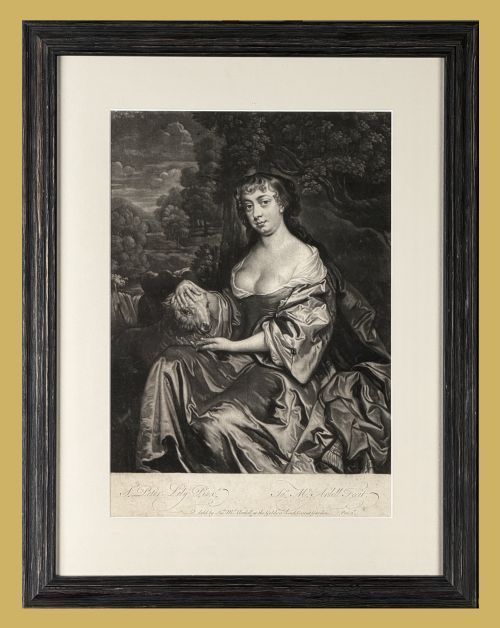
Printmakers employed engraving and mezzotint techniques on paper to replicate popular painted portraits for wider circulation.
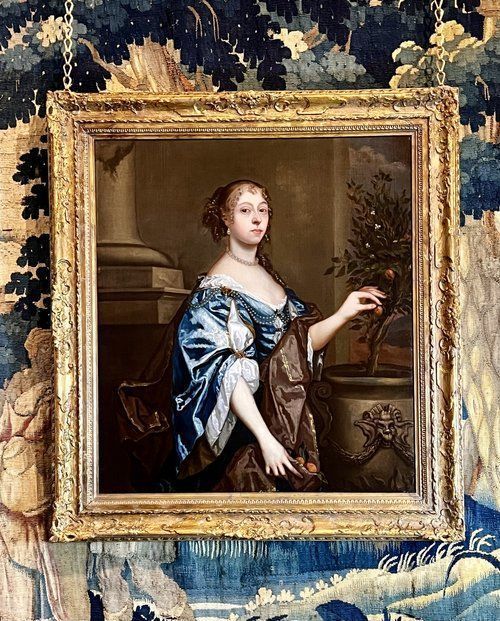
Several ladies in these portraits pose while holding oranges, a luxury fruit brought indoors to signal wealth.
Distinctions in quality
The nuance in brushwork and the precision of facial anatomical rendering separate master works from studio copies.
Condition of the original canvas, stability of the wood support, and preservation of the ground layer dictate the integrity of each piece.
The depth of the carving in frames and panels, alongside the retention of original gilding, marks superior craftsmanship.
John Hayls·David Scougall·Sir Peter Lely·Pierre Mignard·Pieter Borsseler·Mary Beale·Sir Godfrey Kneller·John Scougall·John Closterman·Robert Williams·James Macardell·John Riley·John Greenhill·Edward Pearce·Jacob Huysmans·John Michael Wright·Arnold van Boonen·Michael Dahl·William Wissing·Johann Kerseboom
The Restoration Era Art Glossary
- Mezzotint
- A printmaking process of the scraperboard variety that allows half-tones to be produced directly.
- Giltwood
- Wood carved and prepared with a thin layer of gold leaf applied to the surface.
- Baroque
- The dominant artistic style of the seventeenth century characterised by drama, tension, and grandeur.
- Stumpwork
- A raised embroidery style popular in the seventeenth century used to create textured pictorial scenes.
- Canvas
- The woven fabric support stretched across wooden frames to receive oil paint.
Restoration Era Art: Frequently Asked Questions
What subjects appear most frequently in these paintings?
Portraits of aristocracy, military leaders, and court figures dominate the canvases from this period. Painters recorded the likenesses of nobles, bishops, and prominent ladies.
These works often include symbolic clothing, landscape backgrounds, or accessories that indicate the sitter's social standing and occupation.
How do you display antique oil paintings safely?
Position paintings away from direct sunlight and fluctuating heat sources to protect the canvas and pigment layers. Stable indoor environments prevent the wood stretcher frames from warping.
Ensure proper wall fixings support the weight of heavy framed canvases and carved wood elements.
How can you distinguish seventeenth century works?
Examine the materials, painting techniques, and clothing styles depicted in the portrait. Pigment choices, canvas weaves, and preparation layers offer clues to the period.
Attribution often relies on recorded signatures, studio styles, and archival records matching known portraitists of the era.
What is the difference between an oil painting and a mezzotint?
Oil paintings are unique original works created with pigmented oils applied directly to canvas or panel supports. Mezzotints are printed reproductions on paper created from engraved metal plates.
Prints allowed popular painted portraits of monarchs and nobles to be shared more widely during the seventeenth century.