


Master Study Drawing
These master study drawing examples capture the hand of the artist at work, offering collectors a direct link to historical academic practice.
Master Study Drawing
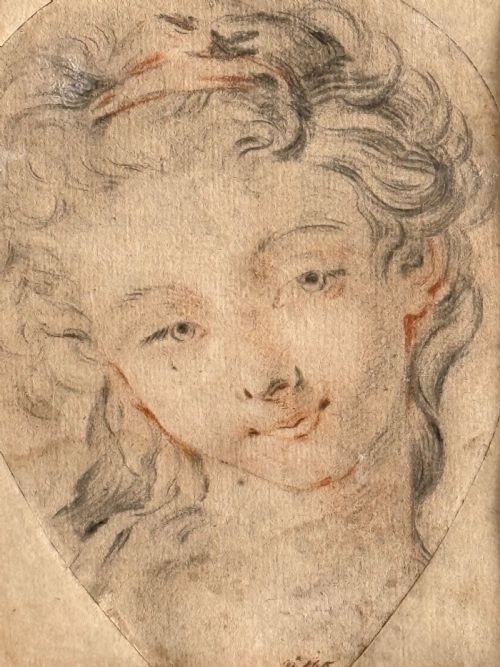
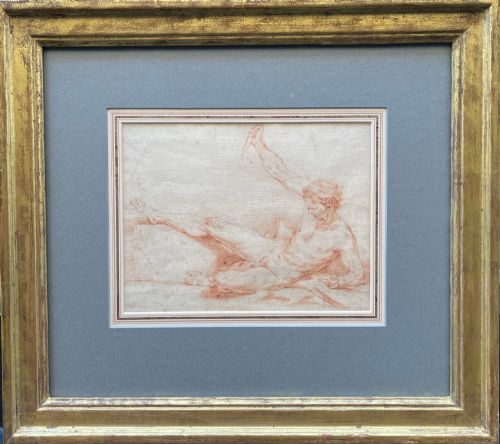
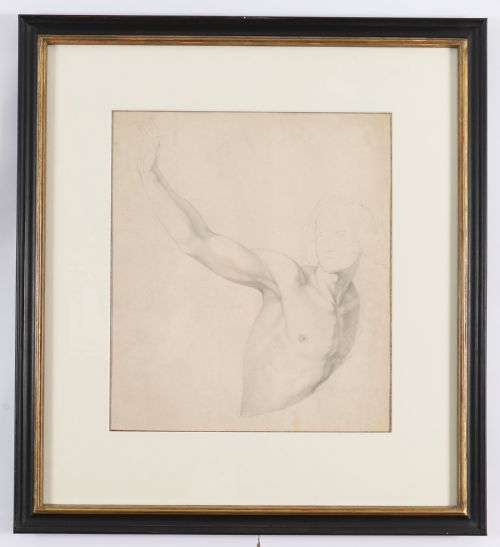
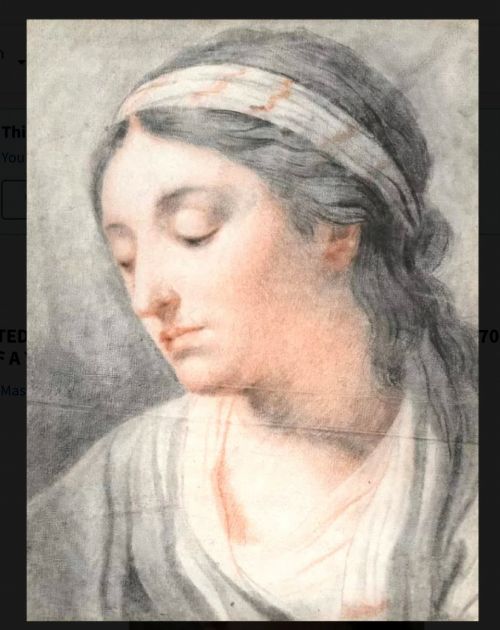
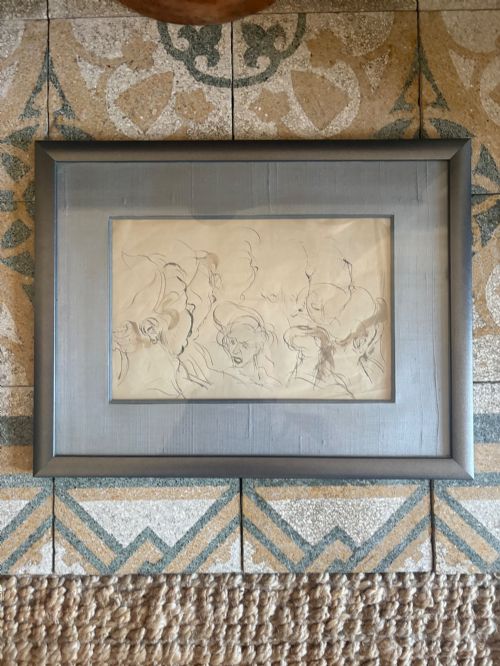
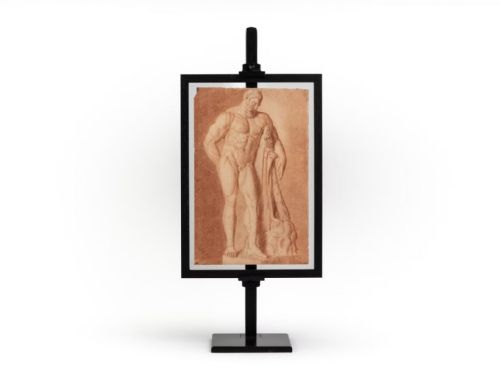
A master study drawing represents an artist's close engagement with established works or classical forms, spanning periods from the seventeenth century through the early twentieth century. These works appear in various formats such as framed drawings, portrait drawings, and fine art works on paper.
The selections on this page heavily feature eighteenth and nineteenth century European traditions, particularly French and Italian schools. Buyers encounter figural studies, architectural watercolours, and portraiture executed in distinct regional styles ranging from Baroque and Rococo to Neoclassical and Academic Realism.
Materials and execution
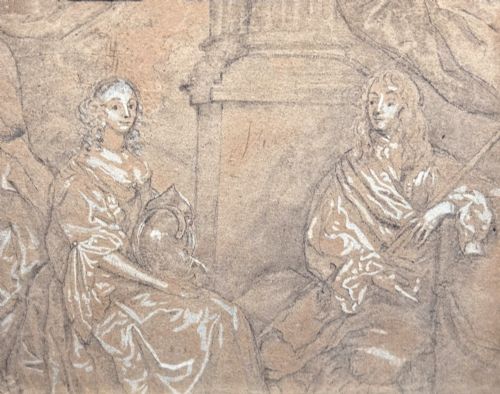
Artists executed these works on paper and toned paper utilising traditional media including chalk, red chalk, charcoal, and ink. Some pieces incorporate watercolour or employ a deux crayon technique to build depth and tonal variation.
Preparatory marks and compositional lines remain visible on many sheets, reflecting the iterative process of academic study and studio practice. Framing often preserves these delicate surfaces behind glass.
Listings feature works spanning the seventeenth to the early twentieth century, executed in media including red chalk, ink, and watercolour on paper.
Assessing quality and execution
Quality rests upon the sureness of the line and the sensitivity of the tonal handling, distinguishing a confident studio hand from a rigid copy. The vigour of the preparatory marks reveals the draughtsman's understanding of anatomy and form.
Condition of the paper and the preservation of the media dictate the visual impact of the sheet. Strong provenance and legible attribution to specific schools or named artists elevate the standing of a piece within the field.
Francois Boucher·Hyacinthe Colin de Vermont·Peter Lely·Raphael·François-André Vincent·Alfred Dehodencq·Pierre-Paul Prud'hon·Demetrios Galanis·Pio Panfili·John Hoppner·Johan Noah Bemmel
The Master Study Drawing Glossary
- Recto and verso
- The front and back of a sheet of paper. Artists frequently utilised both sides for sketches and studies to economise materials.
- Sanguine
- A type of red chalk used extensively for portraiture and figural studies. It yields a warm, earthy tone favoured in eighteenth century drawing.
- Deux crayon
- A drawing technique employing two coloured chalks, typically black and red on toned paper. This method allows artists to develop subtle highlights and shadows.
- Preparatory study
- A preliminary drawing executed in preparation for a larger finished painting or sculpture. These sheets document the developmental stages of a composition.
- School
- A group of artists working in a particular region or following a specific master's style during a given period. It denotes artistic lineage rather than a physical academy.
Master Study Drawing: Frequently Asked Questions
What is a master study drawing?
A master study drawing is a work created by an artist copying or analysing an established masterpiece, antique sculpture, or classical motif. These exercises formed a core component of traditional artistic training across European academies.
Such drawings allow modern collectors to observe the technical methods past artists used to master human anatomy, drapery, and composition.
How should I frame a master study drawing?
These works require conservation-grade framing behind glass with UV protection to shield vulnerable paper and chalk media from light damage. Acid-free mounts prevent chemical degradation over time.
Keep framed drawings away from direct sunlight and high humidity environments to preserve the integrity of the ink, charcoal, and chalk.
What does attribution mean on a drawing?
Attribution indicates that a piece is assigned to a specific artist or school based on stylistic analysis and historical comparison. Terms like manner of or school of suggest an artist working closely within a particular tradition.
This classification helps contextualise the origin of unsigned or undocumented sheets within recognised historical periods.
Why do some drawings have sketches on the back?
Artists historically reused expensive paper by turning sheets over to work out alternative compositions or detailed studies. The reverse side, known as the verso, often contains valuable preparatory sketches.
Displaying or housing these pieces in frames that permit viewing both sides ensures nothing on the reverse is obscured.