

Rene Lalique Art
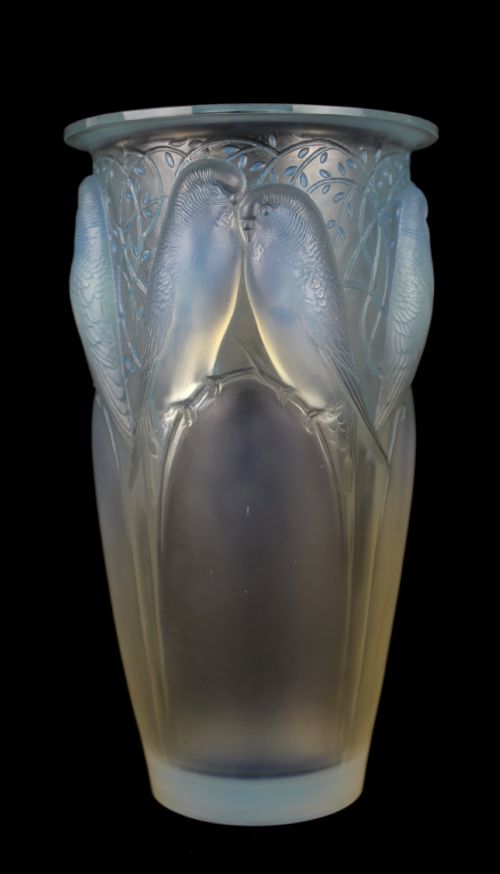
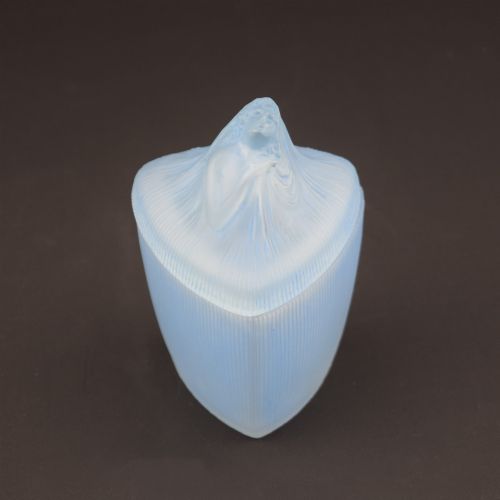
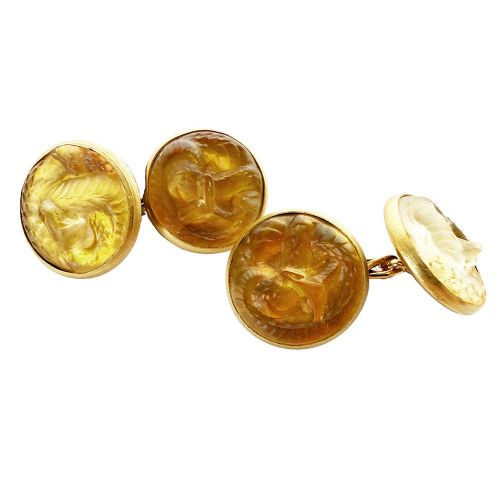
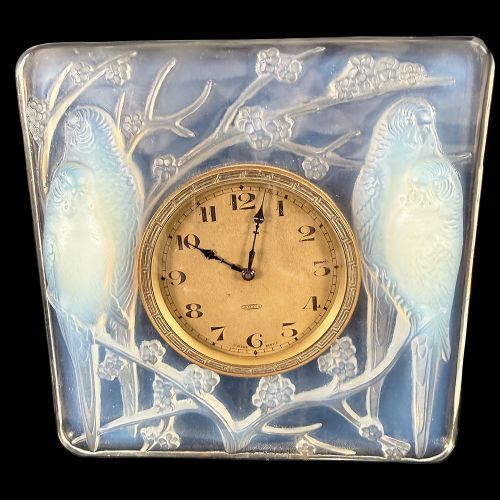
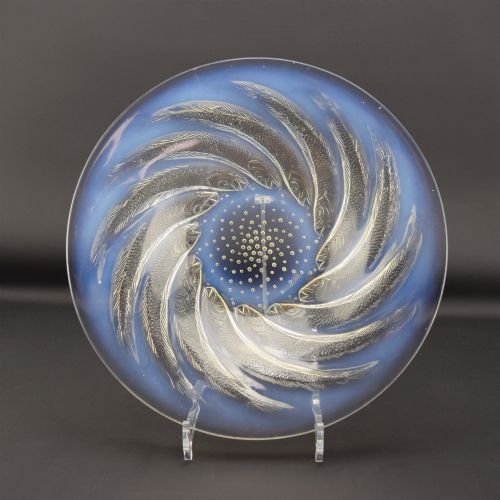
These pieces of rene lalique art bring tactile elegance to a room through sculpted glass.
Rene Lalique Art
When searching for rene lalique art, collectors encounter glass objects from the Edwardian period through the 1930s, spanning Art Nouveau and Art Deco styles.
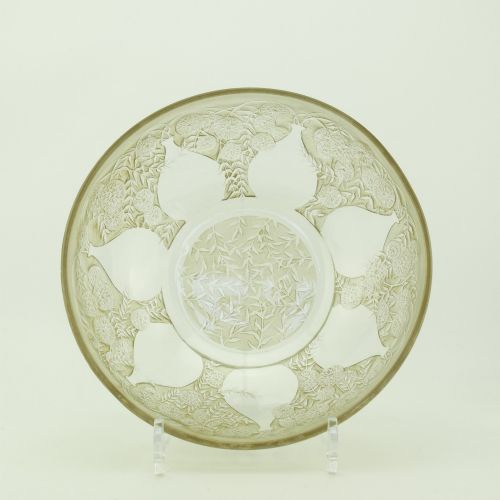
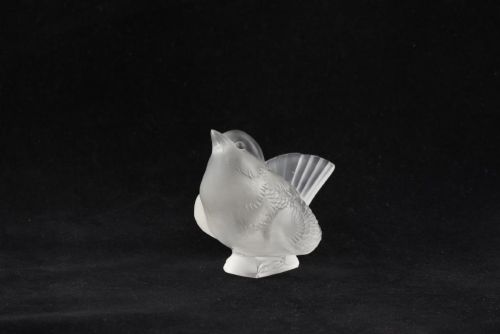
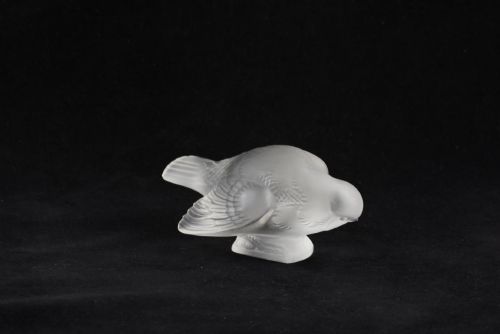
The selection on this page centres on decorative vessels, car mascots, perfume bottles and small sculptures designed by Rene Lalique.
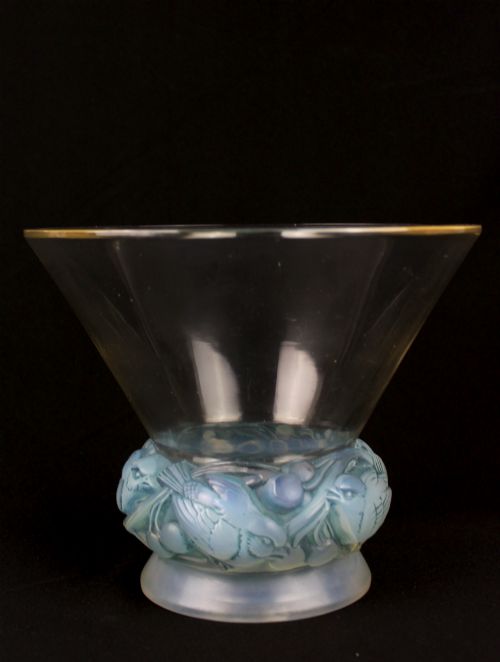
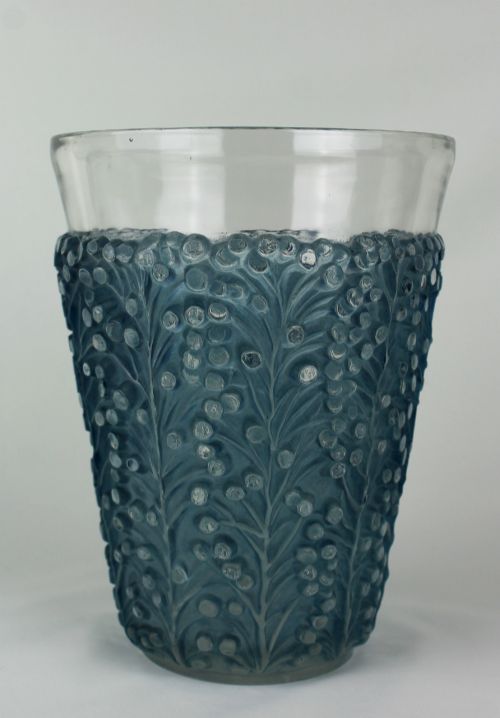
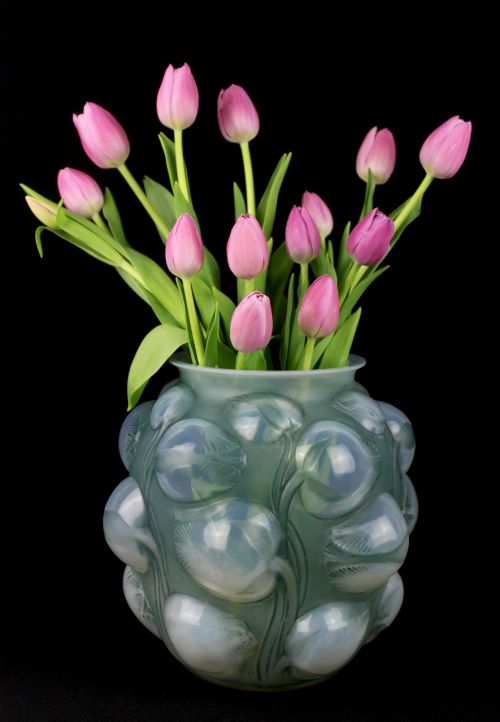
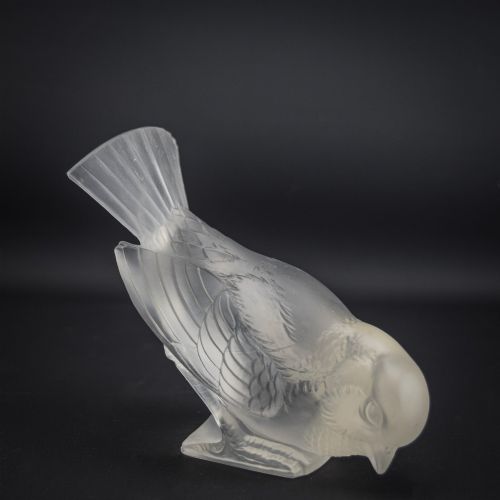
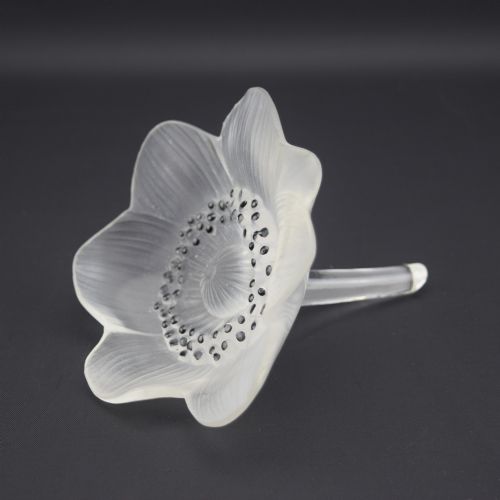
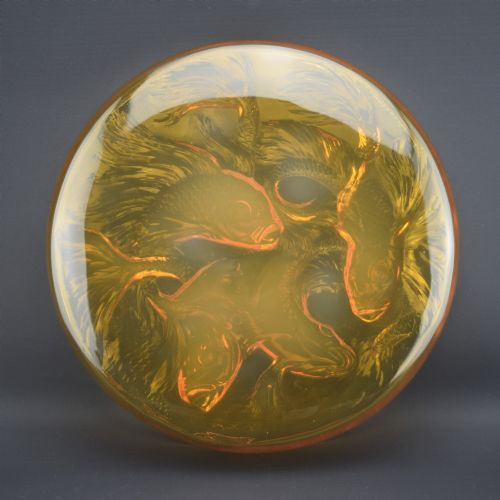
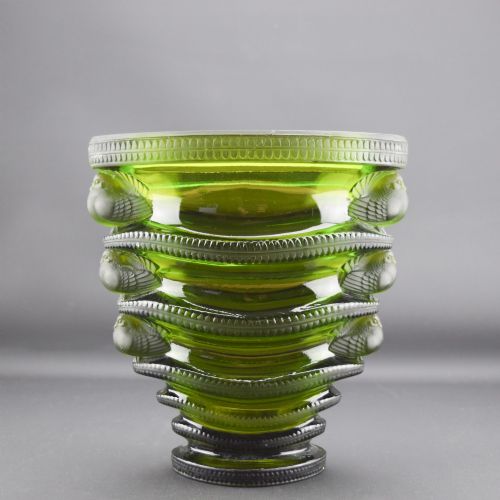
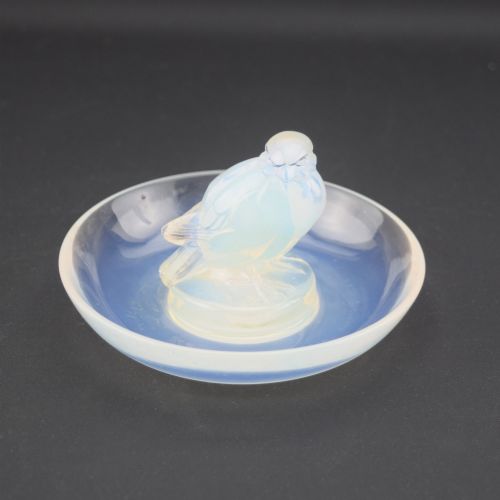
Vases, bowls and paperweights dominate the forms, often displaying botanical or animal motifs in relief.
How they were made
Production relies primarily on moulded and frosted glass, occasionally combined with clear glass, metal and enamel.
Makers utilised opalescent glass and applied sepia or blue stains to accentuate the moulded details and depth of the design.
Rene Lalique Art Retail Price Guide 2026
Typical asking prices for rene lalique art among the pieces listed under this phrase on Sellingantiques today, from the lower quarter to the upper quarter. They describe what is for sale here now, not the wider market.
Listings incorporate items from the Edwardian period, 1910, 1920 and 1930, uniting Art Nouveau and Art Deco aesthetics.
What varies in quality
Quality rests in the crispness of the moulded relief and the subtlety of the opalescence within the glass.
Examples featuring retained original staining and complex figurative forms stand apart from simpler utilitarian pieces.
Rene Lalique·R Lalique
The Rene Lalique Art Glossary
- Opalescent Glass
- Glass that diffuses light to display milky, bluish tones depending on the angle of illumination. This effect defines many sought-after pieces.
- Frosted Glass
- Glass treated to achieve a textured, matte surface finish rather than transparent clarity. It highlights sculptural details effectively.
- Car Mascot
- An ornamental figurine mounted on the radiator cap of a motor vehicle. These aerodynamic glass sculptures were popular during the interwar period.
- Coupe Ouverte
- An open shallow bowl or dish intended for display or table use. These pieces frequently showcase elaborate rim designs.
Rene Lalique Art: Frequently Asked Questions
How do I identify a genuine piece?
Examine the signature or stamp on the glass, noting the formation method and style period. Authentic works align with known manufacturing techniques from the early twentieth century.
Compare the tactile weight and finish against recorded examples of the specific vase, bowl or mascot model.
What periods do these items cover?
The pieces span the Edwardian era through the 1920s and 1930s. This timeline captures both Art Nouveau fluidity and Art Deco geometric styling.
Design motifs shifted from natural organic forms to stylised animals and figures as the decades progressed.
How were perfume bottles used?
Perfume bottles served as vanity accessories and commercial packaging for fragrance houses during the interwar period. Elaborate stoppers sealed the contents while displaying miniature sculptural art.
Owners kept them on dressing tables as both functional items and decorative objects.