



Renaissance Wood Figures
These renaissance wood figures bring centuries of devotion and craftsmanship into a room, spanning pious saints and mythological beasts.
Renaissance Wood Figures
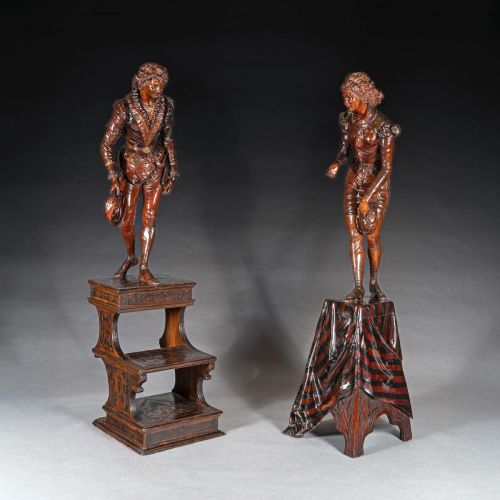
Renaissance wood figures comprise sacred carvings, architectural elements, and secular ornaments originating from continental Europe. Buyers encounter devotional saints, Madonna and child groups, and spirited putti alongside later revival interpretations.
The material record divides clearly between authentic sixteenth-century works and later nineteenth-century revival pieces. Oak and limewood dominate the earlier examples, while walnut appears frequently in architectural components and Italian furniture mounts.
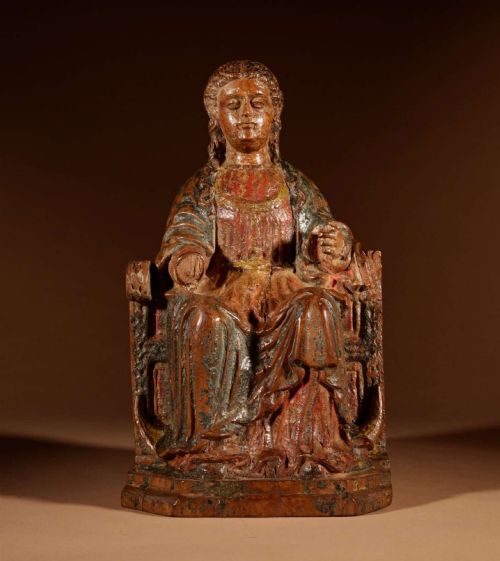
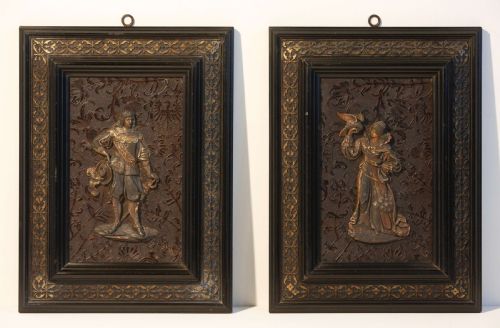
Surviving formats range from freestanding figures and relief panels to building brackets and architectural terminals. Many retain traces of their original polychrome paint or gold leaf decoration, showing how these objects appeared in their historic settings.
Materials and construction
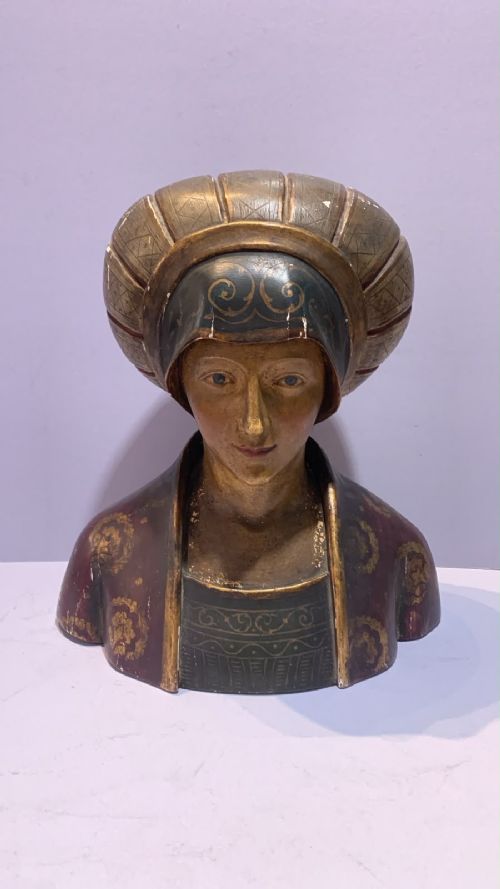
Many surfaces received a preparatory layer of gesso before painters applied polychrome pigments and gold leaf. This combination of carved wood and surface decoration created rich visual depth for ecclesiastical interiors and grand private residences.
Renaissance Wood Figures Retail Price Guide 2026
Typical asking prices for renaissance wood figures among the pieces listed under this phrase on Sellingantiques today, from the lower quarter to the upper quarter. They describe what is for sale here now, not the wider market.
Leathermaché putti demonstrate how resourceful Victorian makers imitated carved wood using pressed paper pulp.
Quality and execution
Quality rests primarily on the anatomical precision of the carving and the vitality of the posture. Master carvers achieved naturalistic weight in drapery and lifelike expression in faces, whereas lesser pieces display stiff proportions and shallow chisel work.
The survival of original surface finishes, including polychromy and gilding, heavily influences the character of a piece. Later overpainting or stripped timber alters the integrity of an antique surface, distinguishing high-status devotional art from decorative salvage.
Valentino Besarel·Luigi Frullini
The Renaissance Wood Figures Glossary
- Polychrome
- Decoration applied in several colours to the surface of wood or gesso. This technique brought devotional sculptures to life in churches and domestic chapels.
- Gesso
- A plaster mixture applied to wood as a smooth base for gilding and paint. It provided a stable surface for intricate surface ornamentation.
- Giltwood
- Timber coated with a thin layer of gold leaf or powder. This treatment added luminosity to religious figures and architectural details.
- Caryatid
- A sculpted female figure serving as an architectural support in place of a column or pier. These elements often feature in grand mantelpieces and furniture.
- Putto
- A representation of a plump, naked child, often winged, derived from classical art. They appear frequently in architectural decorations and wall plaques.
Renaissance Wood Figures: Frequently Asked Questions
How do I identify a 16th century carving?
Sixteenth-century figures generally display dense native timbers like oak or limewood, shaped with vigorous hand-chiselled depth. They often show authentic tool marks and historic wear consistent with centuries of handling.
Surface treatments on period pieces typically include degraded gesso, remnant polychromy, or aged patination rather than uniform modern finishes.
What is the difference between original and revival pieces?
Original period carvings from the sixteenth century carry the specific devotional or architectural context of their era. Nineteenth-century revival works emulate these historic styles, often reflecting Victorian or Grand Tour interpretations.
Revival pieces frequently utilise different finishing techniques and exhibit tool patterns characteristic of mechanized or later workshop practices.
Why do some figures have missing paint?
Centuries of exposure to fluctuating temperatures, cleaning, and changing interior tastes cause gesso and polychrome layers to flake or wear away. Many devotional objects lost their bright painted surfaces over generations of active use.
Exposed bare wood is a normal result of ageing rather than an automatic defect in early sculptural pieces.
Where were architectural figures originally placed?
Architectural figures like brackets, caryatids, and terminals formed structural supports within timber-framed buildings, panelling, or grand furniture. They bridged the gap between functional joinery and decorative art.
Relief plaques and wall ornaments typically decorated domestic interiors, chapels, or institutional facades.
How should I care for antique wood sculptures?
Keep wooden sculptures away from direct sunlight, heat sources, and damp environments to prevent the timber from splitting or warping. Stable indoor humidity preserves both the wood substrate and any surviving gesso.
Dust the surface gently with a soft, dry brush and avoid applying modern polishes or cleaning agents to historic finishes.