






Renaissance Style Portrait
Renaissance style portrait works capture centuries of historical human depiction, bringing traditional painted and sculpted majesty into domestic spaces.
Renaissance Style Portrait
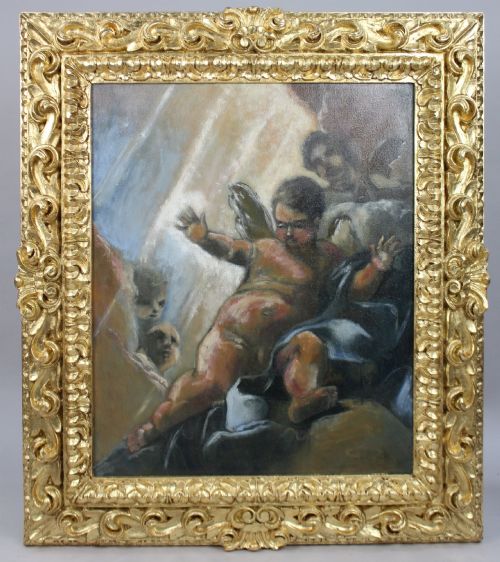
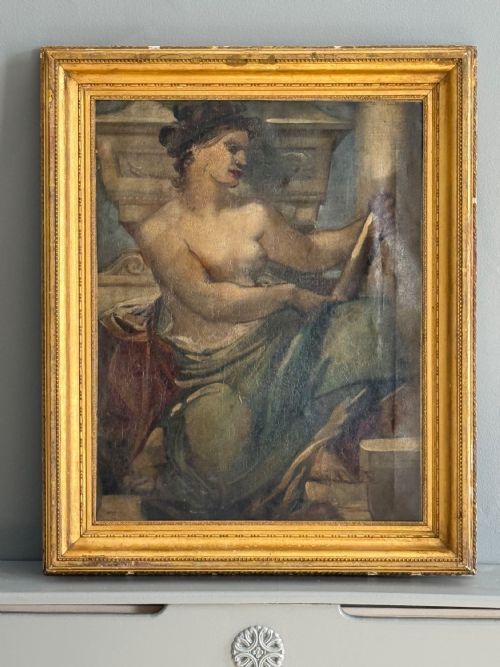
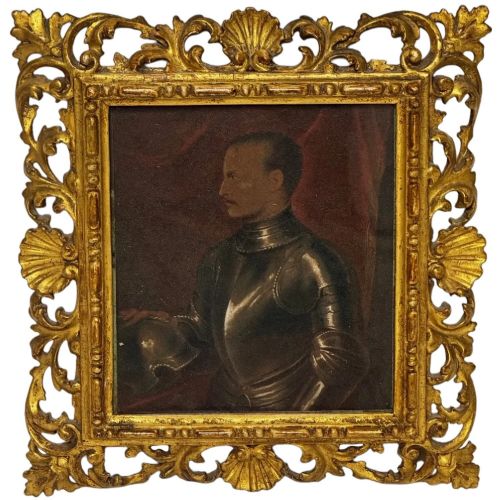
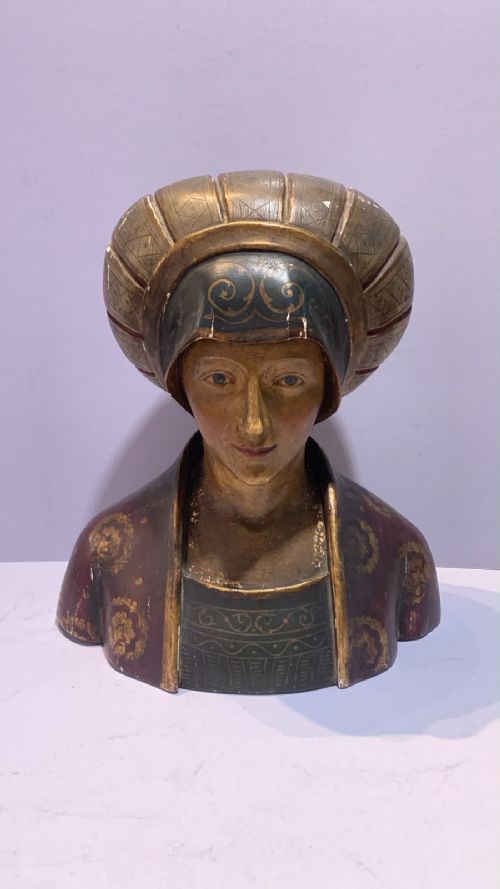
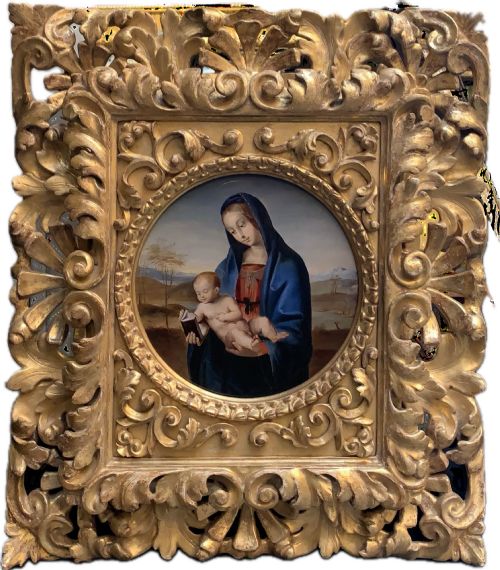
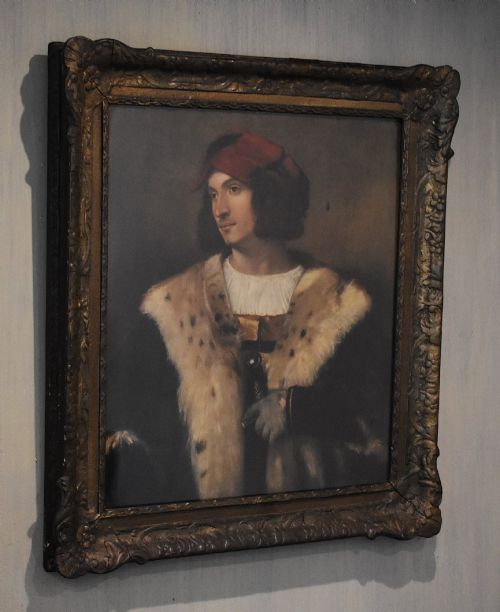
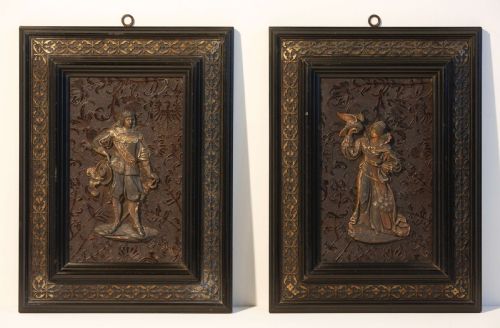
A renaissance style portrait encompasses painted canvases, sculptural busts, and relief plaques that echo historic sixteenth-century aesthetics. Buyers seeking this phrase encounter works ranging from nineteenth-century Grand Tour items to earlier interpretations after master painters.
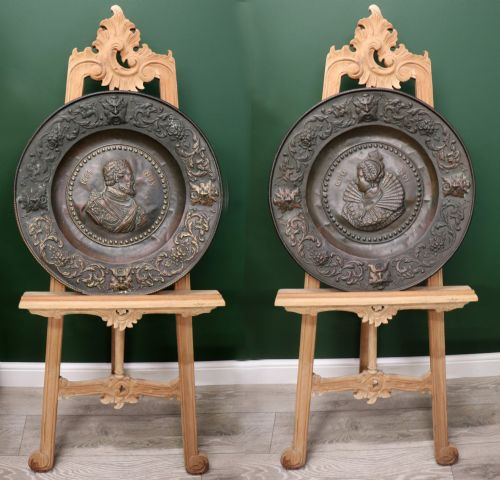
The objects on this page span oil paintings on canvas, carved wooden frames, and plaster or marble sculptures. Many pieces directly reference major historical figures or reinterpret famous compositions housed in European galleries.
Italian Renaissance Revival and classical nineteenth-century revivals dominate the visual landscape of these listings. These works celebrate historic portraiture traditions through meticulous craftsmanship and period framing.
Materials and Techniques
Painters utilised oil on canvas and wood panels, often applying rich pigments to replicate the depth found in sixteenth-century originals. Draftsmen also employed sanguine, pencil, and pastel techniques on paper.
Sculptural pieces rely on cast bronze, marble, plaster, and white metal combined with gilded bronze or ormolu mounts. Frames utilise carved wood and giltwood to house the flat art effectively.
Several noblewomen gaze outward alongside monarchs wearing the physical badge of the Order of the Garter.
Assessing Artistic Merit
The execution of the surrounding frames and mounts significantly elevates an object. Carved giltwood cassetta frames and finely chased bronze elements demonstrate superior workshop standards.
Alfred Holst Tourrier·John Bettes the Elder·P Holland
The Renaissance Style Portrait Glossary
- Cassetta frame
- A flat, box-like wooden frame profile often decorated with gilding or painted ornament typical of Italian Renaissance design.
- Grand Tour
- A cultural journey of Europe undertaken by upper-class young European men of the eighteenth and nineteenth centuries to collect art and antiquities.
- Ormolu
- Ground gold applied to a bronze object, creating a golden finish often utilised on decorative furniture and picture frame mounts.
- Sanguine
- A type of red chalk used in drawing, favoured for its warm earth tone and capacity for expressive shading.
- Wall charger
- A large decorative plate or dish intended for display on a wall rather than for practical dining use.
Renaissance Style Portrait: Frequently Asked Questions
What is a renaissance style portrait?
These pieces are paintings, drawings, and sculptures that imitate the artistic conventions, subjects, and techniques of the fifteenth and sixteenth centuries. They often reproduce famous gallery works or adopt historical clothing and poses.
Buyers choose them to introduce classical dignity and rich narrative history into interior spaces. The selection ranges from nineteenth-century academic studies to decorative domestic plaques.
How were these portraits displayed historically?
Original renaissance portraits hung within domestic palazzos, churches, and civic buildings to display lineage, status, or religious devotion. Elaborate frames were integral to the presentation, functioning as architectural extensions of the art.
Later revival pieces continued this tradition, intended for prominent placement in nineteenth-century drawing rooms and libraries. Today, they serve a similar decorative role in period and contemporary interiors.
Are these works original or copies?
Most items described under this phrase are later interpretations, copies after master painters, or revival pieces created centuries after the original sitters lived. Artists frequently copied renowned compositions during the nineteenth century as part of their training or to satisfy the demand for historic art.
Some objects represent original nineteenth-century drawings or sculptures executed in a deliberate historical style. Examining the materials, pigments, and backing helps determine the exact age of each piece.
How do I identify a revival period piece?
Nineteenth-century revival works often utilise machine-prepared canvases, modern paper supports, or standardised casting methods distinct from sixteenth-century workshops. Stylistic clues, such as the specific manner of framing or the medium used, point toward later manufacture.
Dealer listings note specific periods like the nineteenth century or the Edwardian era to clarify when the object was actually made. Comparing the substrate and framing techniques provides a reliable guide to dating.