


Renaissance Storage Chest
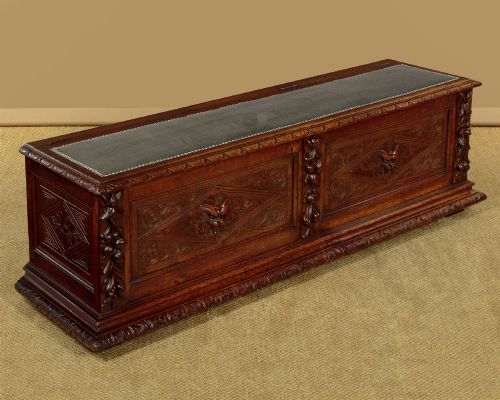
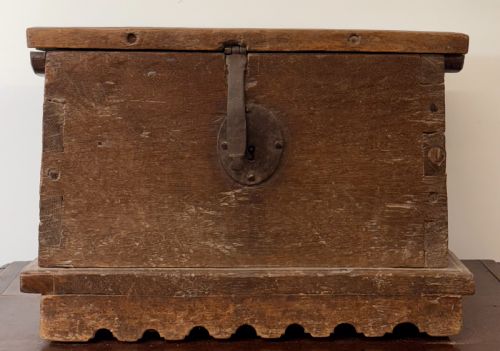
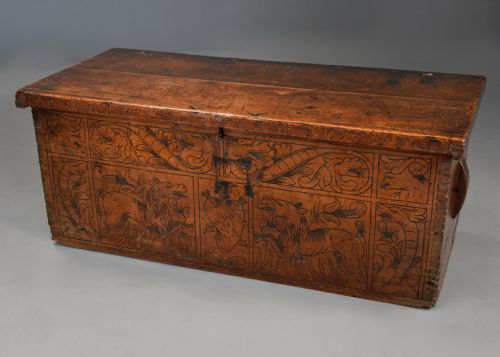
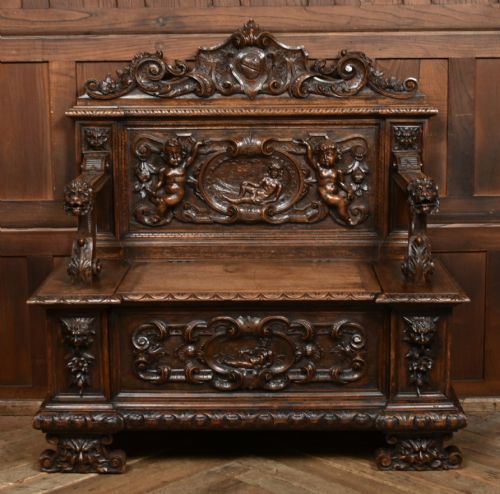
These renaissance storage chest examples are heavy timber coffers and benches built for domestic security and display, offering deep historic character for modern rooms.
Renaissance Storage Chest
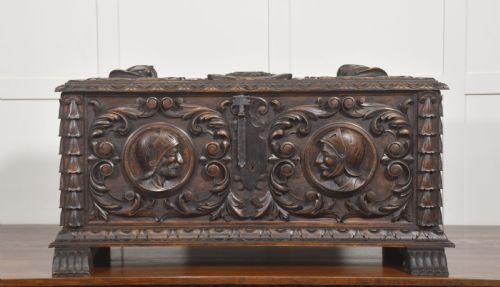
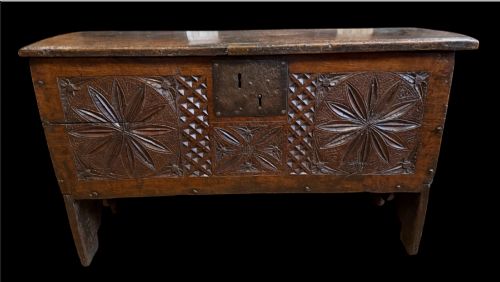
The forms range from simple plank coffers of the sixteenth century to grand Italian cassoni and intricately carved nineteenth-century revival benches. Most pieces originate from Italian, Flemish, Spanish, or British workshops, displaying regional motifs from plain iron-bound construction to elaborate figural medallions.
On this page, the selection spans sturdy sixteenth-century oak coffers, seventeenth-century gilded walnut chests, and later nineteenth-century adaptations like monks benches and hall settles. Each object reflects the heavy storage needs of its period, whether designed for household linens, valuables, or ceremonial use.
How they were made
Construction relies on heavy solid hardwoods such as oak, walnut, and fruitwood, joined with traditional framing and pegged joints to withstand centuries of use. Iron and wrought iron bands provide structural reinforcement and security, often fixed with heavy hand-forged nails.
Surface decoration combines deep relief carving, figural medallions, marquetry, and occasional bone inlay with gilt or polychrome remnants. Master joiners utilised panel construction to accommodate seasonal wood movement while maintaining the rigid geometry of the chest.
Listed periods span the sixteenth century, seventeenth century, nineteenth century, and Victorian era.
What varies in quality
The integrity of the timber and the depth of the original surface patina distinguish finer examples from heavier restorations. Early pieces with intact construction and minimal replacement timber hold greater architectural presence.
Carving execution defines the upper tier, where figural work, crisp architectural mouldings, and genuine period hardware remain undisturbed by later hands. The balance of proportion and the survival of original decorative pigments or gilding elevate an ordinary coffer to a significant sculptural object.
The Renaissance Storage Chest Glossary
- Cassone
- A large Italian chest intended for holding household linen and bridal goods during the renaissance period. These storage pieces often featured carved walnut, gilding, or painted panels.
- Cassapanca
- An Italian bench formed from a chest base with the addition of a backrest and armrests. This dual-purpose furniture item functioned as both seating and secure storage.
- Coffer
- A heavy timber storage box with a lid, traditionally bound with iron for security. These boxes formed the primary storage furniture before the widespread use of drawers.
- Marquetry
- The art of applying small pieces of veneer to form decorative patterns and pictures on a wooden surface. Walnut, fruitwood, and bone inserts frequently appear in later revival examples.
- Bambocci
- A style of small carved figures decorating furniture, particularly associated with Italian cabinets and chests. These lively sculptural reliefs depict everyday characters and grotesques.
Renaissance Storage Chest: Frequently Asked Questions
What did they store inside?
These large timber boxes primarily held valuable textiles, household linens, and personal documents in secure domestic settings. Wealthy families utilised them for precious garments and ceremonial items.
Heavier iron-bound versions provided necessary security against theft in large households and institutional buildings before fitted wardrobes existed.
How do I place one in a modern room?
A heavy timber chest functions well at the foot of a bed, beneath a window, or as a coffee table in a large living space. Their flat lids provide a stable surface for lamps and objects.
Combination pieces like monks benches or hall settles serve seating and storage functions simultaneously in hallways and entrance spaces.
How do I distinguish sixteenth century from nineteenth century?
Sixteenth-century examples display tool marks, simpler jointing methods, and natural timber shrinkage consistent with age. Their construction relies on heavy oak or walnut planks joined without modern machine precision.
Nineteenth-century revival pieces often feature softer wood surfaces, mechanical saw marks, and historical revival styles that blend Tudor, Gothic, and renaissance motifs together.
Why do some chests have painted or gilded finishes?
Italian cassoni often received rich polychrome decoration, gesso work, and gold leaf to celebrate marriage alliances and wealthy status. These decorative finishes turned utilitarian storage into high art.
Over the centuries, much of this delicate surface pigment has worn away, leaving traces of gesso and bare walnut beneath.