



Renaissance Religious Carving
These renaissance religious carving pieces capture centuries of devotional art, offering tangible history and master craftsmanship for discerning interiors.
Renaissance Religious Carving
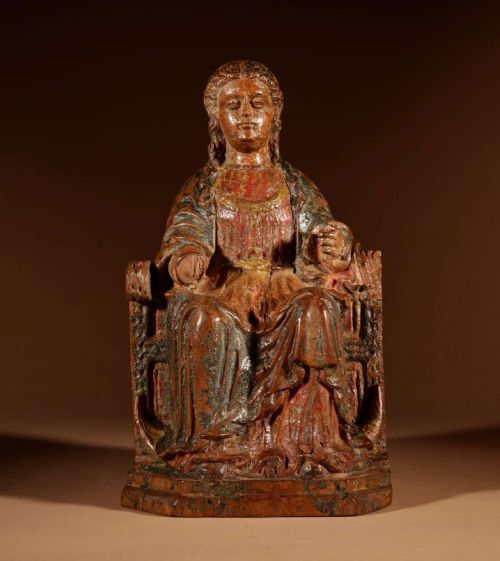
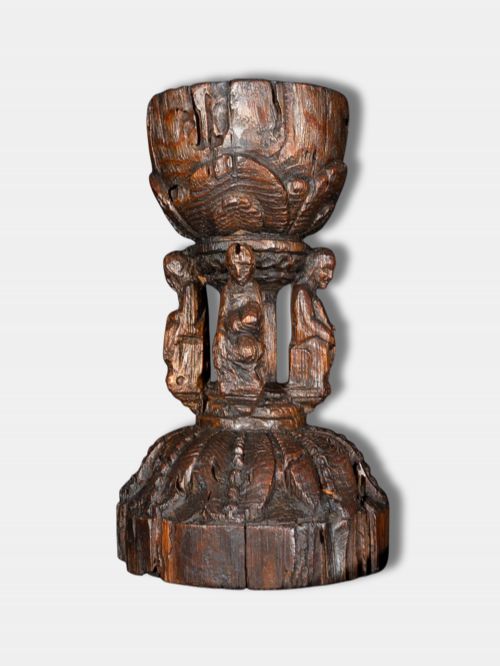
When you search for renaissance religious carving, you encounter devotional wooden sculptures, panels, and paintings created across European workshops from the pre-sixteenth century onwards. The pieces most commonly met on this page date from the sixteenth century, originating from Italian, Flemish, and German centres.
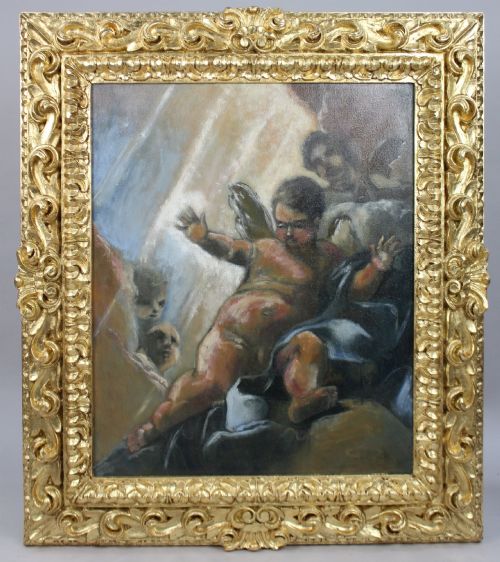
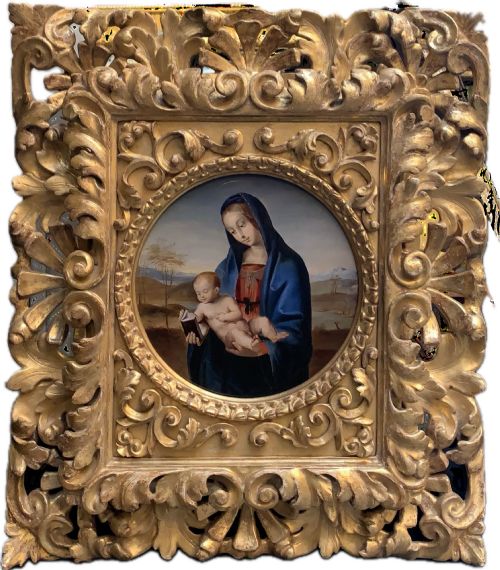
Forms range from freestanding figures of saints and Madonnas to intricate relief panels depicting biblical scenes such as the Adoration of the Magi or Christ carrying the cross. Alongside solid wood sculptures, the selection includes oil paintings on canvas and panel, often set within period giltwood frames.
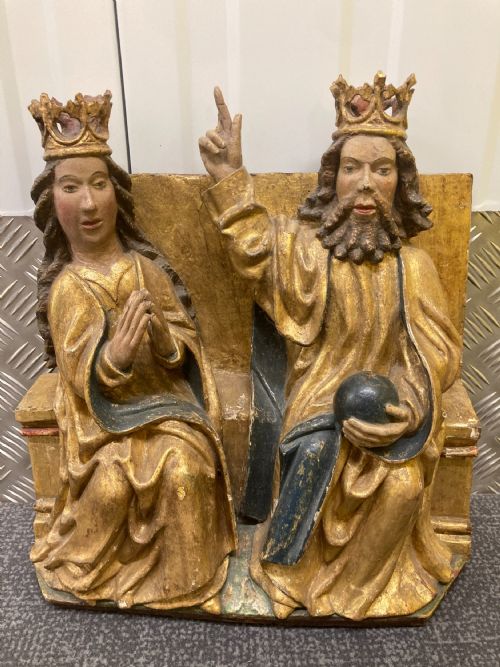
The materials reflect the traditional output of European master carvers, predominantly utilising oak, limewood, and walnut. Many surfaces retain traces of their original polychrome paint and gold leaf, offering direct physical links to their liturgical origins.
Materials and construction
Makers shaped these devotional works primarily from dense hardwoods like oak, walnut, and limewood, which allowed for deep undercutting and sharp detail in drapery and facial expressions. Master carvers worked the timber with gouges and chisels directly from the block, frequently joining larger architectural elements with traditional pegged mortise and tenon joints.
Surfaces were frequently prepared with a layer of gesso before receiving application of polychrome paint, parcel gilt, or gold leaf to enhance the visual splendour of saints and altarpieces. Oil paintings on canvas or wood panel utilised traditional ground layers and pigment mixtures, housed within carved and gilded timber frames.
The selection includes regional Flemish, Italian, and German schools, alongside later nineteenth-century interpretations of Renaissance masters.
Judging quality
The survival of original surface decoration dictates the desirability of a piece. Examples retaining authentic polychrome pigment and gold leaf command greater interest than those stripped to bare timber or subjected to heavy modern repainting.
The Renaissance Religious Carving Glossary
- Polychrome paint
- Decoration applied using multiple colours on sculpture or panels. This technique gave devotional figures a lifelike appearance in dimly lit churches.
- Giltwood
- Timber treated with gold leaf or metal powder over a prepared gesso base. It created a reflective, luminous surface suited to sacred artwork.
- Relief
- Sculptural elements carved to project from a flat background. High relief figures stand almost free from the wooden panel behind them.
- Gesso
- A paint mixture consisting of a binder mixed with chalk or gypsum. It provided a smooth white ground for gilding and painting on wood.
- Corpus Christi
- The body of Jesus Christ depicted on the cross. These limewood figures often preserve traces of parcel gilt and polychromy.
Renaissance Religious Carving: Frequently Asked Questions
What periods do these carvings cover?
The pieces span from the pre-sixteenth century through the sixteenth and seventeenth centuries, with occasional nineteenth-century revival works and twentieth-century examples.
Most original devotional carvings date directly to the high Renaissance period of the fifteen-hundreds across northern Europe and Italy.
Where were these sculptures originally placed?
Devotional carvings typically stood inside churches, private chapels, and monastic institutions as part of larger altarpieces or devotional shrines.
Smaller panels and figures served personal piety within domestic settings, aiding daily prayer and contemplation.
How should I care for old wood carvings?
Keep wooden sculptures away from direct sunlight and sudden shifts in temperature or humidity to prevent the timber from splitting.
Dust gently with a soft dry brush and avoid applying modern polishes or cleaning agents to historic painted or gilded surfaces.
How do I distinguish sixteenth-century work from later revivals?
Authentic sixteenth-century pieces display genuine tool marks, structural shrinkage appropriate to age, and period-specific pigments beneath any later layers.
Nineteenth-century Renaissance revival items often employ different assembly methods, machine-cut elements, or chemical ageing agents on the timber.