



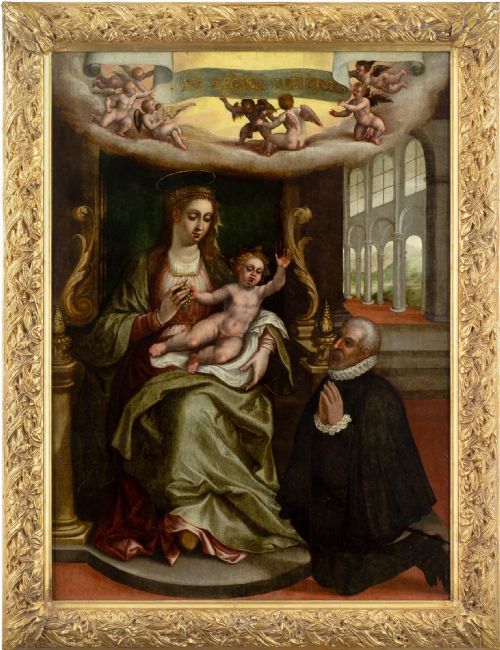

Renaissance Oil Portrait
A renaissance oil portrait captures the solemn dignity and rich vestments of historical subjects, offering enduring visual gravity to a room.
Renaissance Oil Portrait
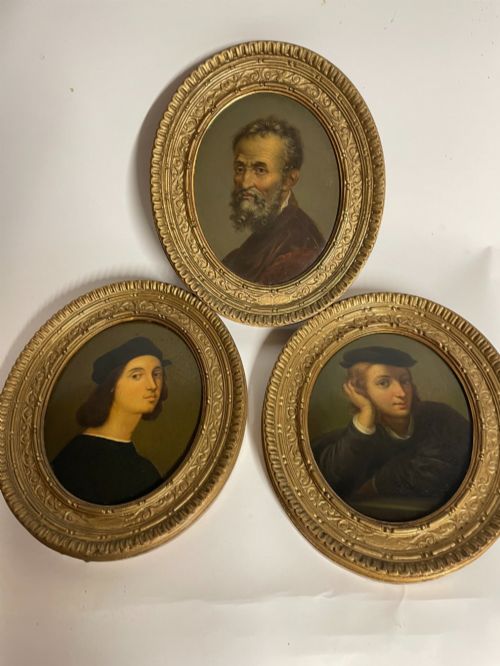
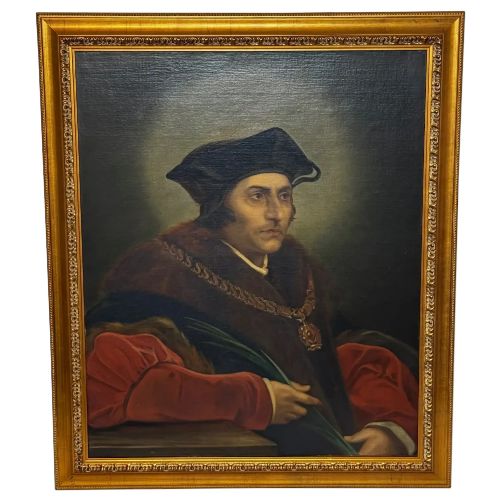
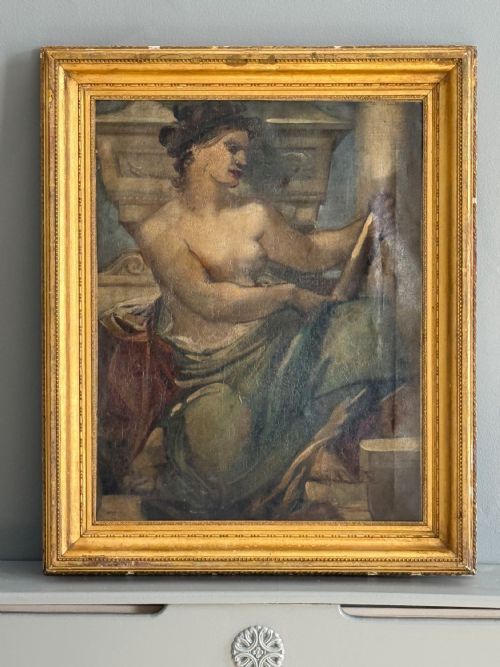
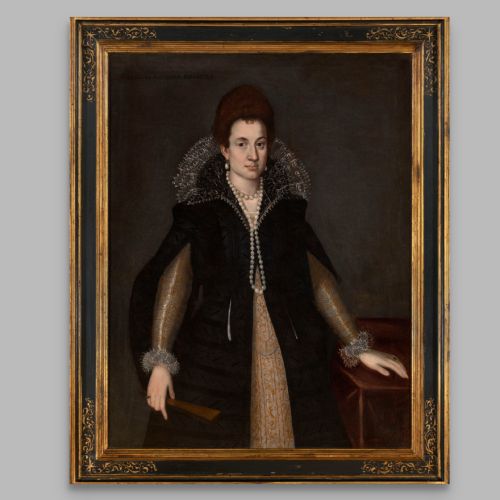
A renaissance oil portrait presents figures of nobility, saints, and scholars through traditional compositions originating in sixteenth-century Italy and Northern Europe. These works encompass authentic sixteenth-century examples alongside later nineteenth-century revivals and academic copies after master painters.
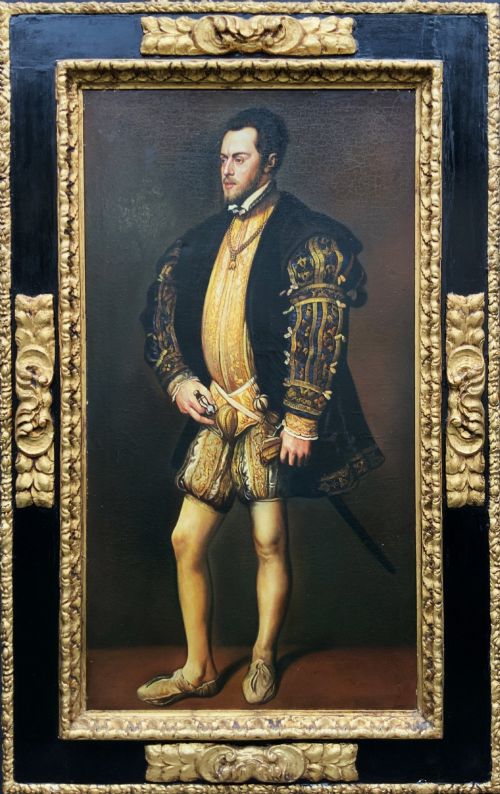
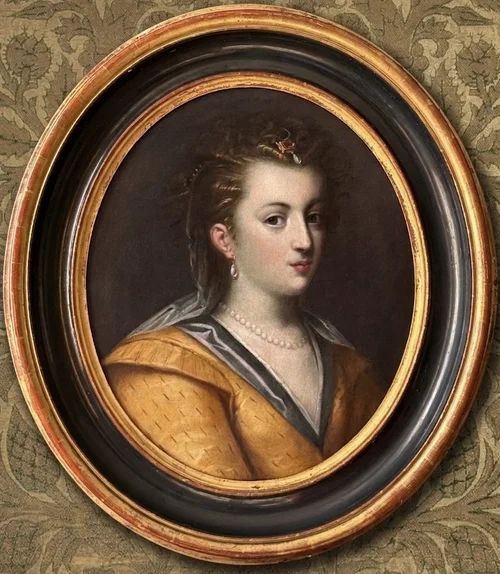
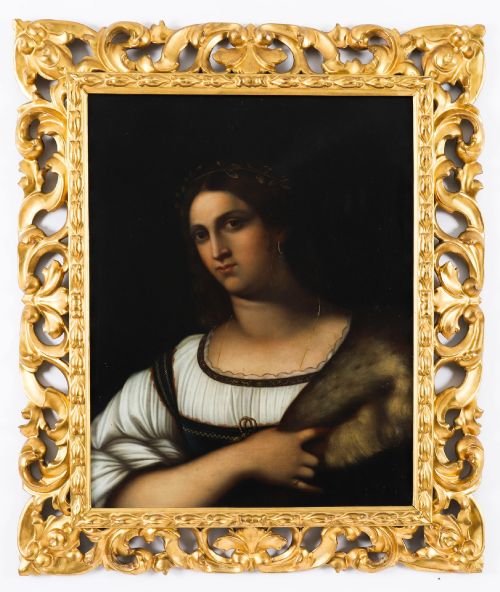
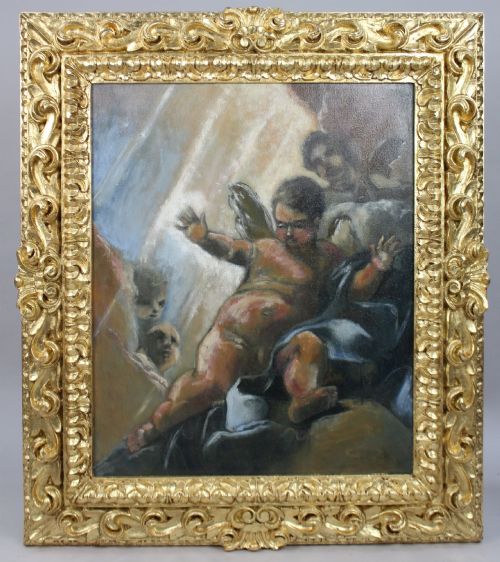
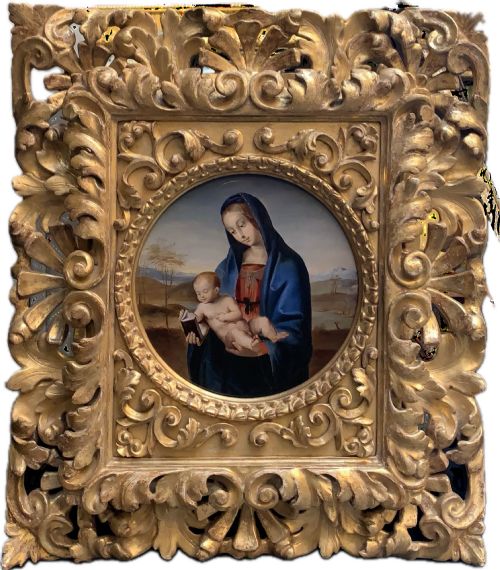
The selections on this page feature depictions of monarchs, noblewomen, and religious subjects such as the Madonna and Child. Buyers encounter works attributed to specific regional schools as well as interpretive compositions produced in subsequent centuries.
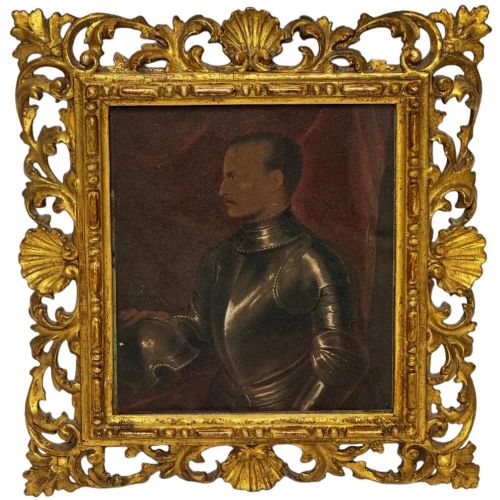
Subjects range from severe Tudor courtiers to opulent Venetian aristocrats, rendered on canvas or wood panels. Many pieces arrive housed in carved giltwood frames that complement the historical weight of the painted surface.
How they were made
Many historical and revival pieces incorporate gold leaf highlights within the composition or upon the surrounding frame. Carved giltwood frames provide structural housing designed to match the opulent aesthetic of the period.
Renaissance Oil Portrait Retail Price Guide 2026
Typical asking prices for renaissance oil portrait among the pieces listed under this phrase on Sellingantiques today, from the lower quarter to the upper quarter. They describe what is for sale here now, not the wider market.
Several portraits depict subjects wearing elaborate ruffled collars that look remarkably difficult to manage while eating soup.
What varies in quality
The success of a portrait rests upon the precision of the draughtsmanship and the psychological depth conveyed in the sitter's expression. Superior works capture convincing anatomical structure and subtle textural details in hair, lace, and velvet.
The integrity of the underlying canvas or wood panel and the preservation of the original pigment layers determine the longevity and visual impact of the piece. Masterful handling of light gives certain compositions a luminous presence that lesser copies miss.
Lavinia Fontana·Hans Holbein·Leonardo Da Vinci·Pietro Fachetti·Raphael
The Renaissance Oil Portrait Glossary
- Oil on Canvas
- A traditional painting medium where pigments suspended in oil are applied to a woven fabric support. This combination allows for rich blending and enduring flexibility.
- Giltwood
- Timber that has been coated with a thin layer of gold leaf or gold powder. It provides a bright, reflective border for classical artwork.
- Renaissance Revival
- A nineteenth-century artistic movement that imitated the forms, techniques, and subjects of the fifteenth and sixteenth centuries. Practitioners sought to recapture the perceived grandeur of earlier eras.
- Old Master
- A term for a European artist of high skill working before about eighteen hundred. These painters set the standards for academic composition and portraiture.
- Panel Painting
- A flat wooden surface used as a structural base for oil pigments. Artisans often joined multiple boards to create a stable foundation for detailed portraiture.
Renaissance Oil Portrait: Frequently Asked Questions
What is a renaissance oil portrait?
A renaissance oil portrait is a painting executed in oil on canvas or wood that depicts historical figures, nobility, or religious subjects in the style of the fifteenth and sixteenth centuries. These works range from original sixteenth-century productions to later nineteenth-century revival pieces and skilled copies.
Subjects typically wear period attire such as ruffs, armour, or velvet gowns, presented with formal composure. The style emphasises structured lighting and detailed rendering of textiles.
How were these portraits displayed?
Historically, such portraits hung in the grand halls and galleries of noble residences to assert lineage, wealth, and status. They served as permanent memorials of family members and important political figures.
Today, buyers place these works in studies, living rooms, and libraries where their dark tones and formal compositions create a dramatic focal point.
Are all these paintings from the sixteenth century?
No, while some pieces date directly from the sixteenth century, many available works originate from later periods. The listings include nineteenth-century revivals and twentieth-century interpretations created in the manner of earlier masters.
Artists across different eras continuously copied and reinterpreted famous renaissance compositions for collectors and institutions.
How do you identify a copy after an old master?
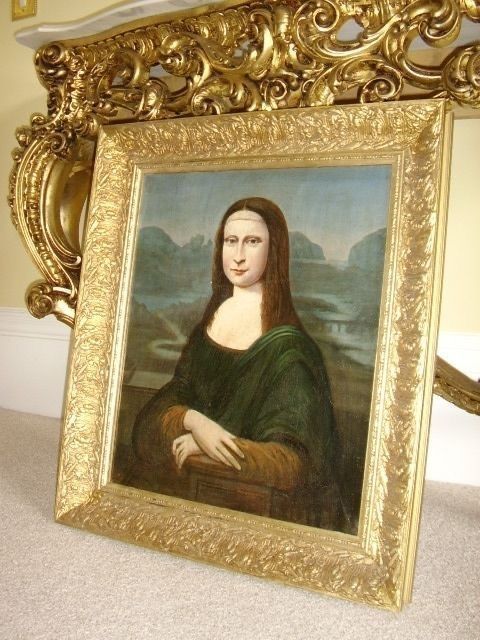
Copies after master painters often replicate famous compositions housed in major public galleries, such as works by Raphael or Leonardo da Vinci. Examination of the canvas, pigments, and framing style helps determine whether a work is a contemporary study or a later tribute.
Signatures or inscriptions on the reverse often provide clues regarding the studio or artist responsible for the secondary version.
What frames suit these paintings?
Carved giltwood frames are traditional accompaniments for renaissance portraits, echoing the ornate aesthetics favored by historical collectors. These frames often feature classical motifs like acanthus leaves or beaded moulding.
Choosing an appropriate frame enhances the historical context of the artwork and protects the outer edges of the canvas or panel.