




Religious Wooden Bust
A religious wooden bust brings devotion into a room through the grain of walnut, oak, and olive wood.
Religious Wooden Bust
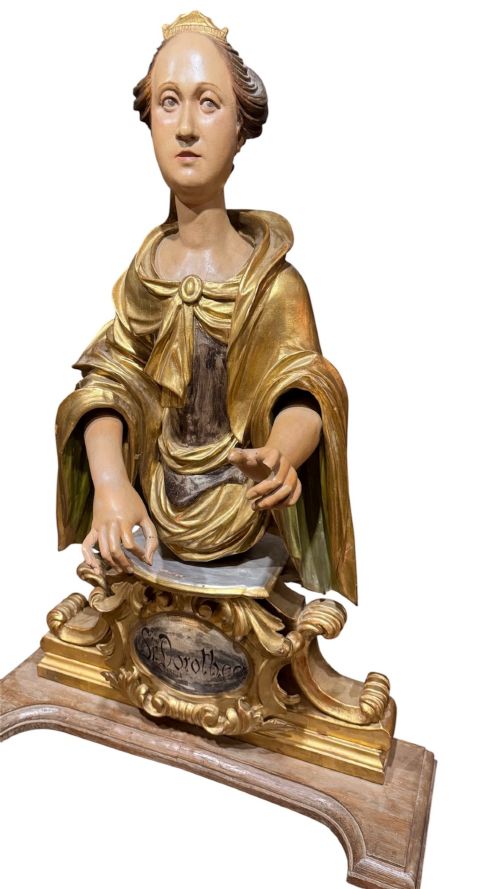
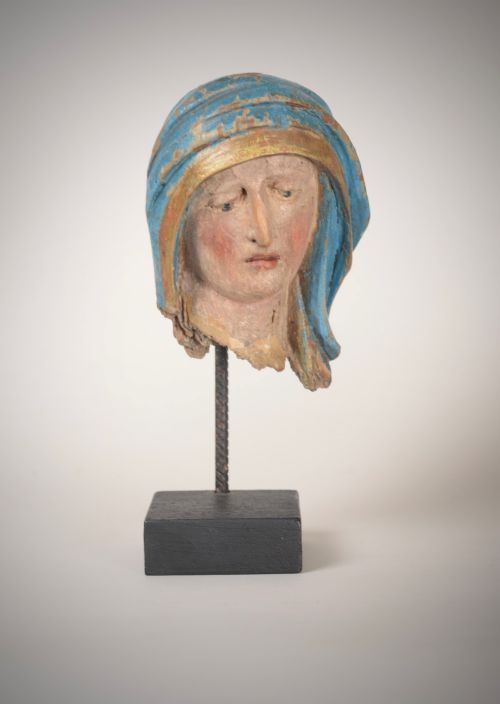
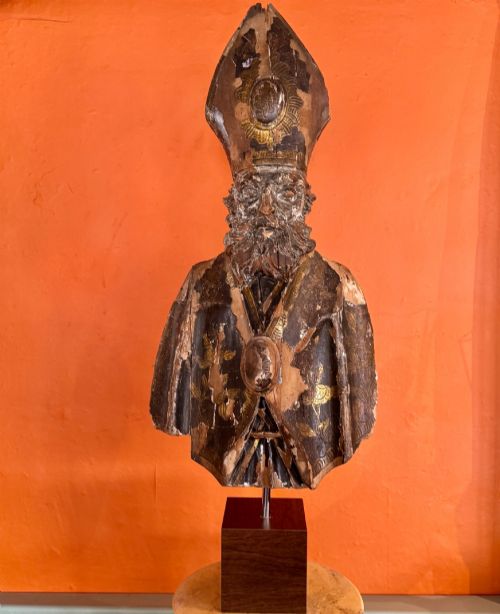
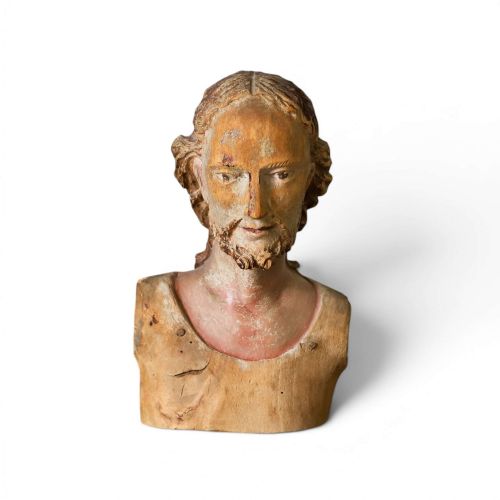
A religious wooden bust is a carved sculptural fragment or devotional head depicting saints, bishops, monks, or Christ. Buyers searching this phrase encounter ecclesiastical works originating primarily from Italy, France, and Spain.
The selections on this page span several centuries, running from the sixteenth century through the nineteenth century. Forms range from Italian Baroque bishops to French Renaissance fragments of saints and angels.
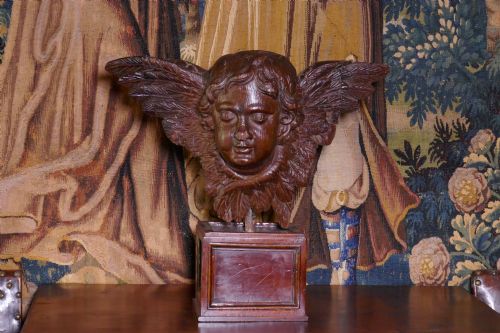
Makers shaped these timber sculptures within diverse regional traditions, including Spanish Baroque and Victorian Gothic styles. Most examples present as individual carved heads or upper torso representations destined for sacred settings.
How they were made
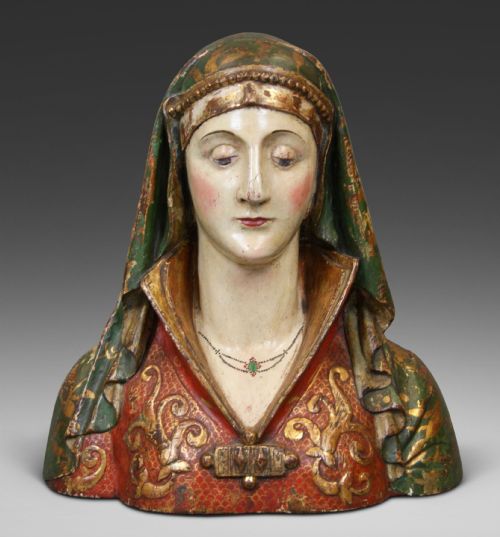
Many surfaces received layers of gesso to prepare the wood for polychrome paint or gold leaf application. Painters used pigments to render lifelike skin tones and rich vestment colours across the carved wooden surfaces.
Current listings feature timber sculptures spanning the sixteenth to the nineteenth century, utilising walnut, oak, and olive wood.
What varies in quality
The strength of the carving distinguishes a superior piece from a basic one, particularly in the sensitivity of the facial expression and the depth of the wood cutting. Skilled carvers captured distinct human emotion and individual character in saints and bishops.
The survival of original surface decoration dictates the visual power of an example. Traces of early polychrome paint or gold leaf add considerable depth compared to stripped timber surfaces.
The Religious Wooden Bust Glossary
- Polychrome
- Decoration applied in multiple colours to the surface of wood or gesso. This technique brought realistic warmth to devotional sculptures.
- Gesso
- A plaster mixture applied to wood as a smooth base for gilding or painting. It seals the timber grain before the artisan adds pigment.
- Gold Leaf
- Very thin sheets of beaten gold applied to ornamented surfaces. It lent a radiant, heavenly glow to ecclesiastical figures.
- Fragment
- A surviving portion of a larger destroyed or dismantled artwork. Many early sculptures come down to us in this incomplete state.
- Santos
- A carved representation of a saint or holy figure. These works played central roles in domestic and church devotion within Catholic regions.
Religious Wooden Bust: Frequently Asked Questions
Where were these busts originally displayed?
These carved wooden figures stood inside churches, private chapels, and monastic foundations across Europe. They served as focal points for prayer and contemplation.
Over time, many ecclesiastical pieces left their original altars and domestic shrines to enter private collections as standalone sculptures.
How should I care for a wooden bust?
Keep wooden sculptures away from direct heat sources and sudden temperature shifts to protect the timber and gesso. Stable indoor conditions prevent the wood from splitting.
Dust the carved surfaces gently with a soft dry brush, avoiding any harsh cleaning agents or water on painted areas.
Why are so many pieces listed as fragments?
Centuries of church alterations, conflicts, and dispersals led to larger altarpieces and statues being broken apart. Surviving heads and busts were often rescued as independent works of art.
These individual fragments allow collectors to appreciate the high skill of early carvers up close.