

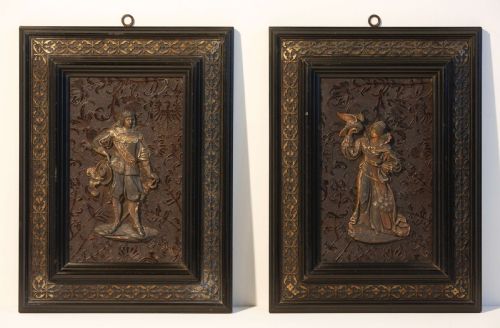


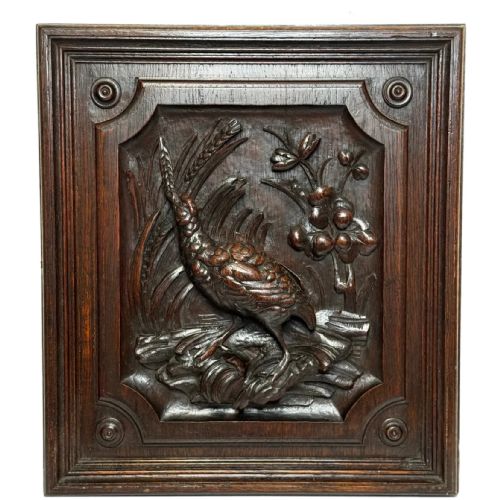


Gothic Revival Wood Sculpture
These gothic revival wood sculpture pieces capture centuries of ecclesiastical and architectural devotion in solid timber.
Gothic Revival Wood Sculpture
When you search for gothic revival wood sculpture, you are looking at carved wooden studies of saints, biblical figures, architectural salvage, and wall panels from the nineteenth century. These objects draw heavily on medieval church aesthetics, translated through Victorian craftsmanship into devotional figures and decorative reliefs.
You are most likely to meet oak and walnut carved studies of monks, saints, and religious heads, alongside architectural carvings and wall plaques. The selection spans the nineteenth century, including specific dates from the eighteen fifties to eighteen nineties, often reflecting distinct Gothic Revival and Victorian Gothic styles.
The form extends from single figures like St Paul the Apostle and the Archangel Gabriel to large wooden figure groups and architectural decorations. While primarily executed in solid wood, pieces occasionally incorporate related media such as bronze, white metal, and leathermaché.
How they were made
Carvers shaped these works primarily from solid hardwoods including oak, walnut, pine, and tiger oak, utilising the natural grain to give depth to drapery and facial expressions. The technique relies on deep relief and hand-chizzled detailing to emulate medieval ecclesiastical stonework in timber.
Alternative pieces incorporate moulded leathermaché for architectural decorations and putti, or combine carved wood with white metal and gilded bronze relief elements. Surface treatments range from natural waxed grain to ebonised finishes that heighten the dramatic shadow play of the gothic ornament.
The object types include wall plaques, architectural salvage, figure groups, and torchere stands rooted in Gothic Revival style.
What varies in quality
Proportion and anatomical accuracy in figures like the Archangel Gabriel or St Paul separate ambitious sculptural studies from more repetitive architectural salvage. The choice of timber also plays a role, with dense tiger oak and figured walnut carrying sharper sculptural lines than softer pine.
The Gothic Revival Wood Sculpture Glossary
- Gothic Revival
- An architectural and decorative style drawing inspiration from medieval design forms, prevalent across the nineteenth century. It manifests in pointed arches, ecclesiastical motifs, and detailed timber carving.
- Leathermaché
- A composite material made from macerated leather pulp pressed into moulds to create decorative architectural elements. It was utilised for lightweight reliefs such as putti and wall panels.
- Architectural Salvage
- Elements rescued from dismantled buildings, including carved panels, brackets, and decorations. These pieces retain the original structural context of historic interiors.
- Torchere
- A tall stand or pedestal designed to support a light or decorative object, often carved with ornate figures or mythological creatures. In this category, examples include winged griffin designs.
- Tiger Oak
- Quarter-sawn oak timber exhibiting distinctive medullary ray figuring resembling tiger stripes. It was favoured in Victorian cabinet making and decorative carving for its striking grain pattern.
Gothic Revival Wood Sculpture: Frequently Asked Questions
What is gothic revival wood sculpture?
These items are nineteenth-century carved wooden figures, wall panels, and architectural elements inspired by medieval church design. They include studies of saints, monks, and biblical figures.
Craftsmen produced them using traditional timber working techniques, primarily in oak, walnut, and pine, to recreate ecclesiastical aesthetics for Victorian interiors.
Where were these carvings displayed?
Original placements included domestic libraries, hallways, and ecclesiastical settings where architectural salvage and wall plaques added medieval gravity to the room. Figures of saints and angels often served devotional or decorative purposes.
Today, collectors place them as focal points on walls, brackets, or freestanding torchere stands within period interiors.
How do I identify the period?
Dating relies on the tooling marks, wood selection, and stylistic markers associated with Victorian revival movements of the nineteenth century. Stylistic cues include Gothic Revival proportions and specific subject matter like Pugin-designed wall panels.
Comparing the treatment of drapery and facial carving helps distinguish mid nineteenth-century work from later Victorian production.
Are all pieces made of solid wood?
While the majority of listings consist of solid carved oak, walnut, pine, and ebonised wood, alternative materials appear. Some decorative wall elements utilise moulded leathermaché.
Other composite works incorporate white metal and gilded bronze relief plaques alongside the primary wooden structures.