





Religious Wall Carvings
Religious wall carvings bring centuries of devotion into a room, offering tactile timber reliefs and figures that anchor a historic interior.
Religious Wall Carvings
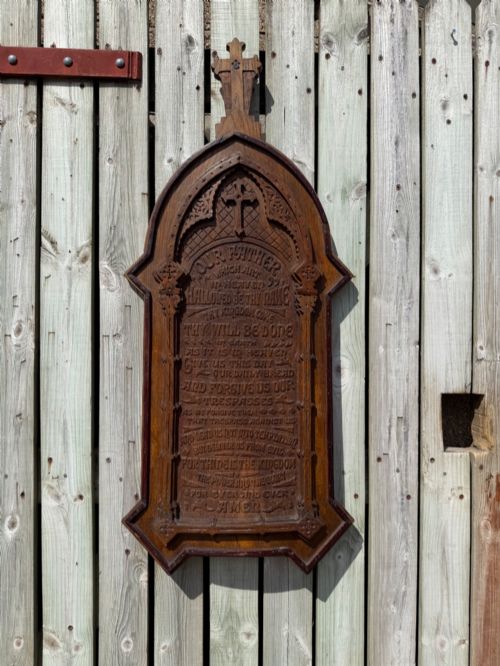
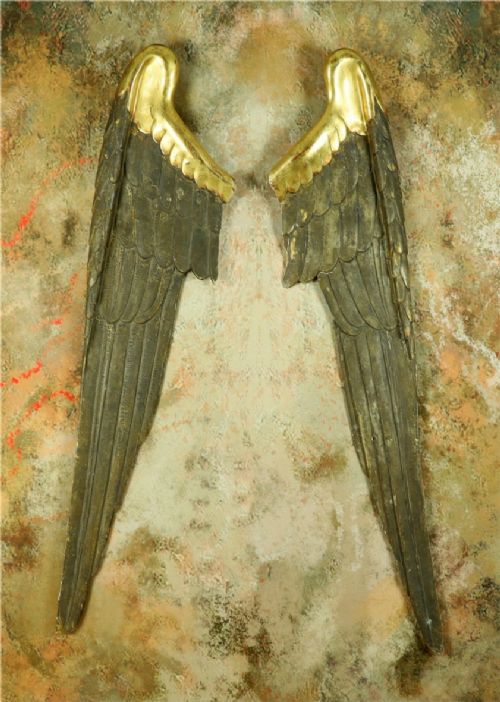
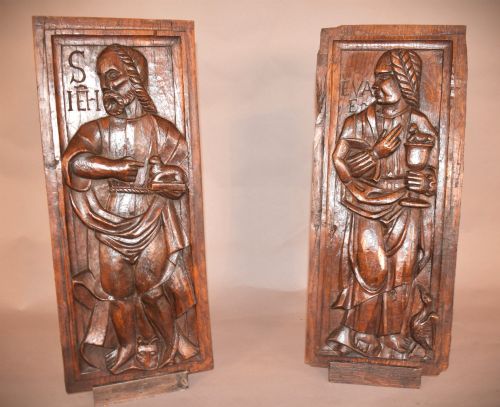
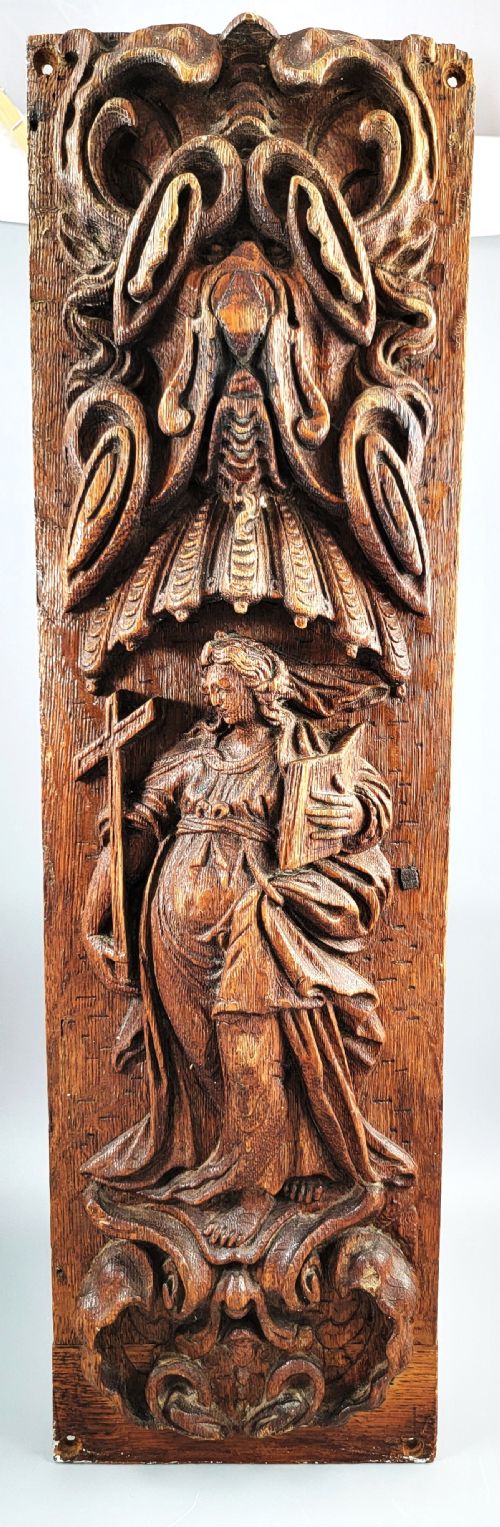
Religious wall carvings span centuries of European ecclesiastical craftsmanship, taking the form of wall panels, reliefs, crucifixes and individual sculptures. When exploring religious wall carvings, the most frequent encounters are seventeenth-century oak panels and nineteenth-century church figures.
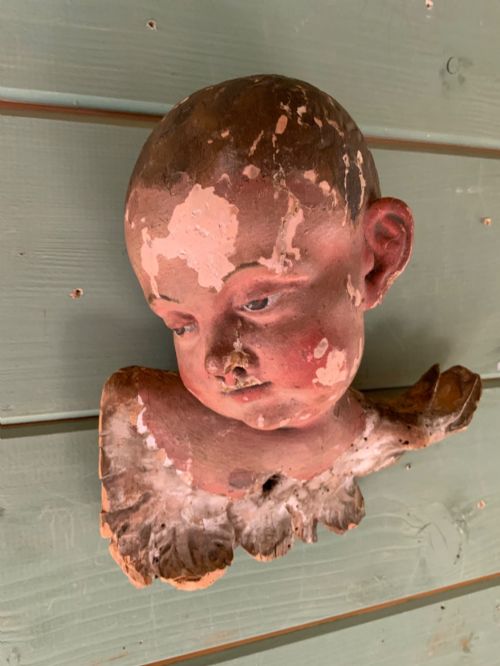
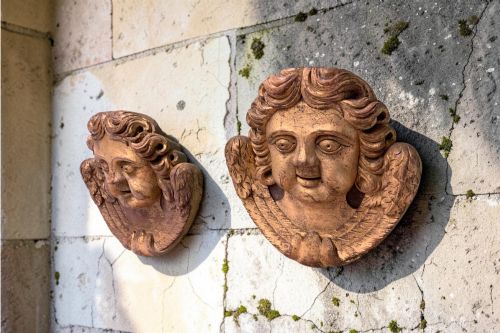
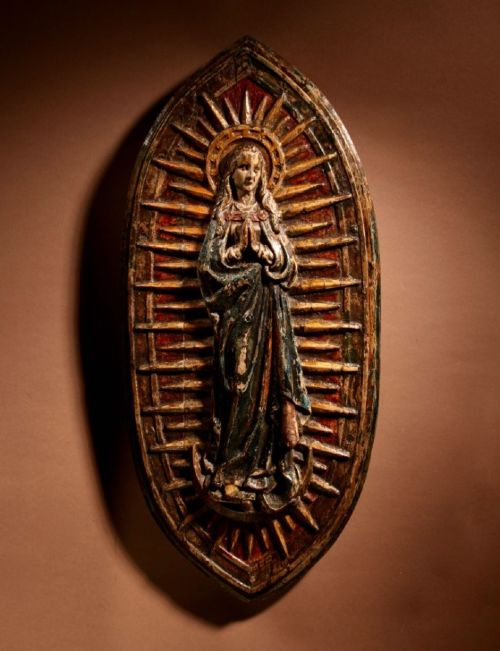
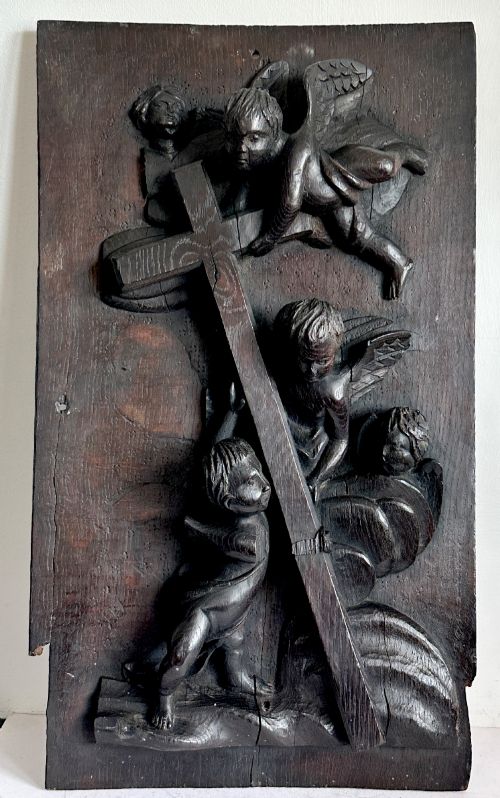
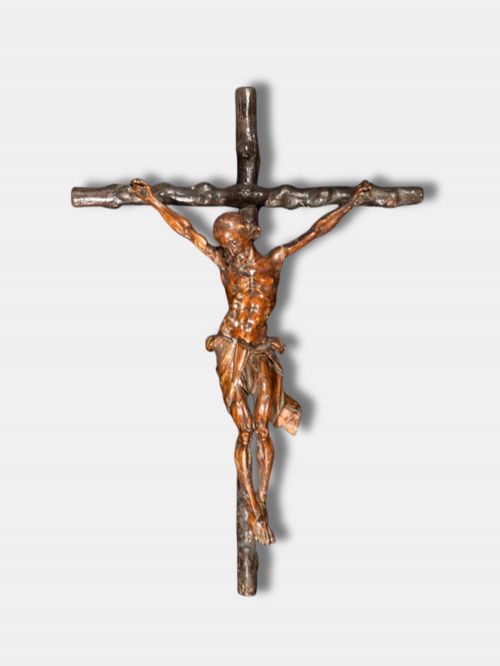
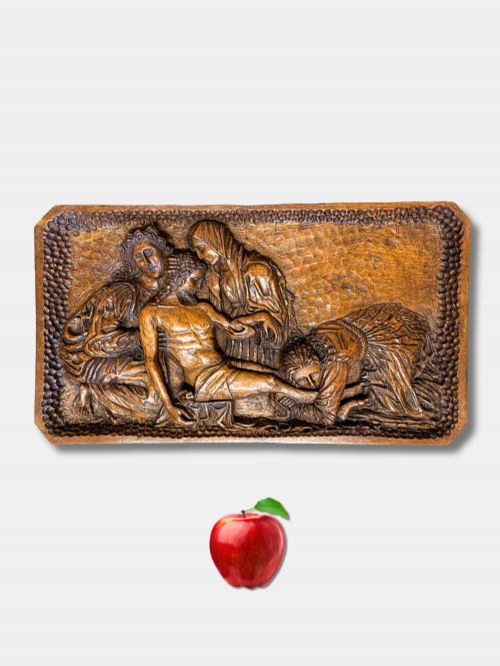
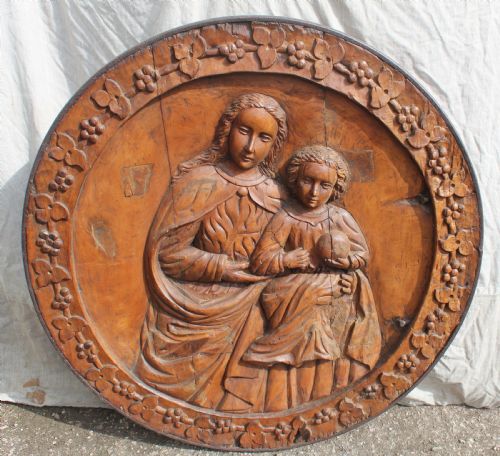
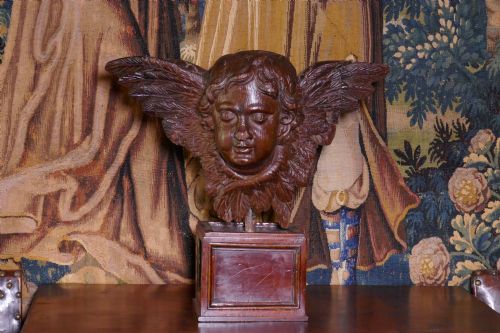
The subjects draw heavily from traditional iconography, including depictions of the Madonna and child, cherubs, putti, and biblical scenes such as the crucifixion or the lamentation. Architectural salvage and altarpiece fragments also appear regularly among these pieces.
Origins stretch across France, Italy, Germany, Spain and Flanders, reflecting distinct regional ecclesiastical tastes. Pieces range from monumental walnut panels to smaller domestic plaques intended for private prayer.
Materials and Methods
Oak and walnut form the structural backbone of these works, chosen for their density and suitability for deep relief carving. Chestnut and other dense timbers also appear in regional European workshops.
Surfaces were frequently finished with gesso, polychrome paint, or gold leaf to enhance the devotional impact of the figures. Hand chisels and gouges created the varied depths and textures seen across panels and sculptures.
Religious Wall Carvings Retail Price Guide 2026
Typical asking prices for religious wall carvings among the pieces listed under this phrase on Sellingantiques today, from the lower quarter to the upper quarter. They describe what is for sale here now, not the wider market.
Listings feature woods such as oak, walnut and chestnut, alongside surface treatments including gesso, polychrome paint and gold leaf.
Evaluating Quality
The integrity of the original surface, whether preserved polychrome, aged oak patina, or traces of gilding, carries significant weight in how successfully a piece has survived the centuries.
The Religious Wall Carvings Glossary
- Polychrome
- Painted in several colours, often applied over gesso on wood. This technique gave statues and panels a lifelike appearance in dim church interiors.
- Putto
- A figure of a small chubby boy, frequently winged, common in Baroque art. These figures often appear as cherubic heads in architectural carvings.
- Corpus Christi
- The body of Jesus depicted on the cross. These sculptures range from small domestic crucifixes to large altarpiece figures.
- Relief
- Sculptural elements that remain attached to a solid background of the same material. High relief projects boldly from the plane, creating deep shadows.
- Gesso
- A plaster mixture used as a smooth base for paint or gold leaf on wood. It provides the preparatory layer for gilded surfaces.
Religious Wall Carvings: Frequently Asked Questions
Where were these carvings originally displayed?
Many of these pieces originated inside European churches, cathedrals and monastic buildings as altarpieces, choir stalls or architectural wall elements.
Others were created for domestic spaces, serving as private devotional plaques and panels within wealthy homes.
How do I hang a heavy wooden panel?
Substantial oak and walnut panels require robust wall fixings anchored directly into structural studs or masonry.
Professional mirror plates or custom French cleats distribute the considerable weight safely without stressing the antique timber.
Should I clean painted or gilded surfaces?
Historic polychrome and gold leaf are exceptionally delicate and easily damaged by moisture or modern cleaning agents.
Dust gently with a soft, dry brush and consult a conservator before attempting any intervention on fragile finishes.
How do I distinguish seventeenth-century oak from later revivals?
Early pieces show tool marks, shrinkage cracks, and structural wear consistent with centuries of age and hand-working methods.
Revival pieces often display uniform machine milling, standardised joinery, and artificial distressing rather than genuine oxidation.