


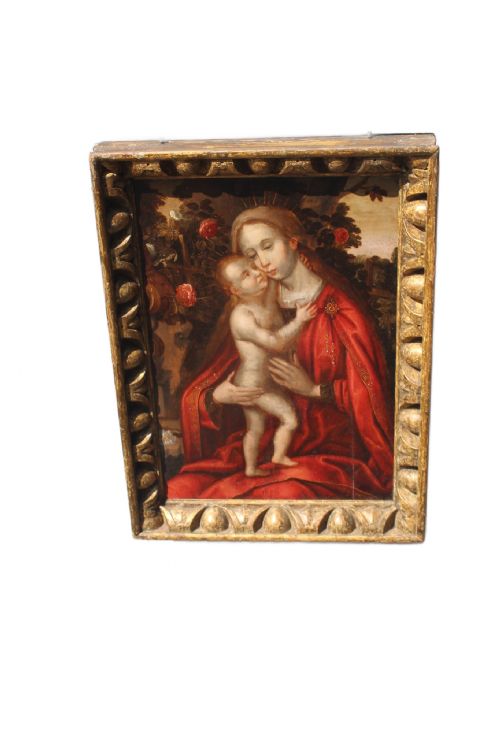

Religious Panel Painting
Religious panel painting brings centuries of devotion into a room, offering wood, oil paint, and gold leaf from European and Russian traditions.
Religious Panel Painting
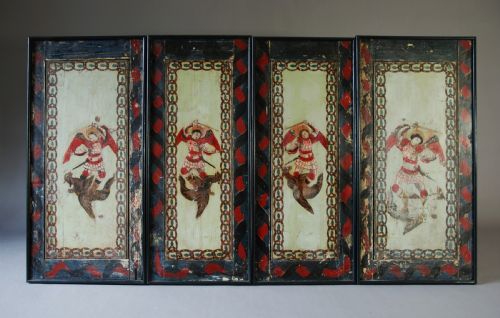
Religious panel painting encompasses sacred works executed on wooden supports, copper, and canvas across several centuries of European and Russian history. The pieces range from small devotional icons to large architectural stained glass windows and painted pine panels.
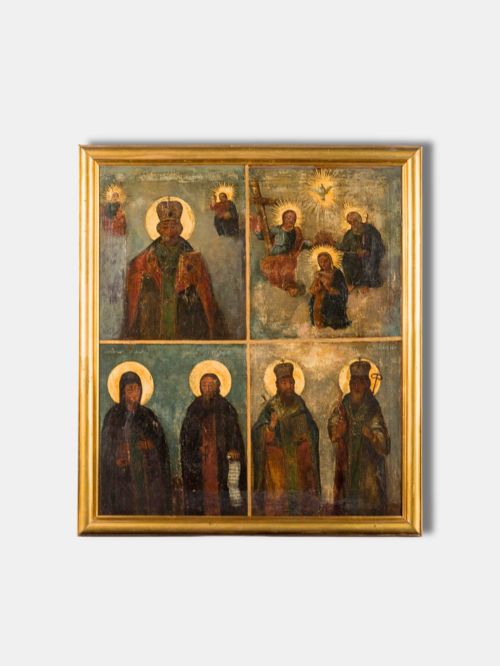
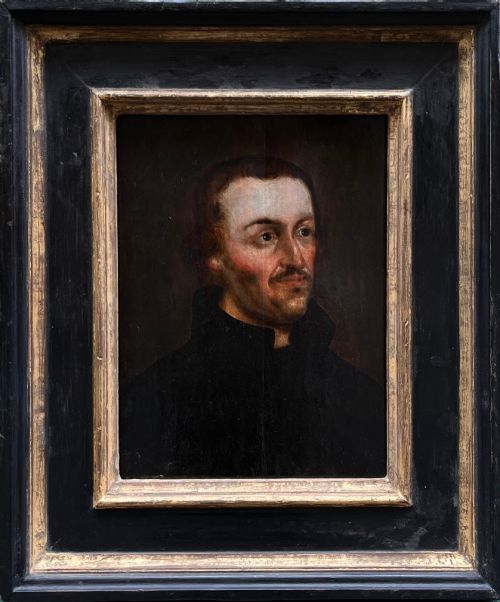
Buyers will encounter Russian Orthodox icons alongside Italian Baroque oils, 18th-century European school portraits, and Gothic Revival stained glass. Formats vary from arched wall panels and triptychs to framed saints and illuminated religious texts.
Origins stretch from regional schools in Italy and Spain to Volga workshops in Russia, reflecting diverse liturgical traditions. Many items preserve centuries of pigment, tempera, and gold leaf on solid wood panels.
Materials and construction methods
Makers utilised solid wood panels, fruitwood, and pine as the primary substrate for tempera and oil paint applications. Ground layers of gesso often received applications of gold leaf, silver, and gilt elements.
Metals such as lead secured stained glass sections within windows and triptychs, while copper occasionally served as a durable painting support. Pigments derived from minerals and earths were bound with oil or tempera to build enduring devotional imagery.
Listings feature wood, gold leaf, oil paint, and tempera across periods spanning the sixteenth century to the Edwardian era.
Elements of quality and execution
Quality rests in the subtlety of the brushwork and the stability of the underlying wood panel or support. Pieces originating from recognised schools or regional workshops demonstrate superior draughtsmanship in facial expressions and drapery.
The preservation of original surface layers, including tempera, pigment, and gold leaf, distinguishes finer examples from heavily restored ones. Structural integrity of the panel and the retention of period mountings or oklads also determine the standing of each work.
Volga Masters·Ambrious Benson·Louis de Morales
The Religious Panel Painting Glossary
- Tempera
- A permanent, fast-drying painting medium consisting of coloured pigment mixed with a water-soluble binder such as egg yolk. It provides a durable matte finish seen on early icons.
- Oklad
- A metal cover protecting or encasing a religious icon, leaving only the hands and face visible. These shields often feature repoussé work in silver or gilt.
- Triptych
- A picture or relief carving on three panels, typically hinged together side by side and folded open for display. This format frequently appears in stained glass and devotional paintings.
- Gilt
- Covered thinly with gold leaf or gold paint. This treatment highlights sacred figures and backgrounds in panel paintings and icons.
- Panel
- A flat piece of wood, metal, or other solid material used as a support for a painting. Fruitwood and pine serve this purpose in many historical religious works.
Religious Panel Painting: Frequently Asked Questions
How do I hang a heavy wooden panel?
Heavy wooden panels require secure wall fixings suited to the weight of the solid wood support and any applied metal oklads. Professional picture hanging brackets distributed across the frame ensure the piece remains stable.
Avoid placing panels in areas subject to direct sunlight or fluctuating humidity. Stable indoor environments prevent the wood from warping and protect delicate tempera or oil paint surfaces.
What is a Russian Orthodox icon?
A Russian Orthodox icon is a sacred image painted on a wooden panel, often featuring tempera, gold leaf, and metal oklads. These works served as objects of veneration in homes and churches.
Subjects include depictions of Christ Pantocrator, the Crucifixion, and various saints. The style follows traditional iconography rules passed down through generations of regional workshops.
How do I clean an old oil painting?
Historic oil paintings and panel works require gentle dusting with a soft, dry brush to remove surface particles. Moisture and household cleaning agents can damage vulnerable tempera and aged paint layers.
Professional conservators should handle any removal of accumulated grime or discoloured varnish. Altering the surface without expert guidance risks removing original pigment.
Where were stained glass panels placed?
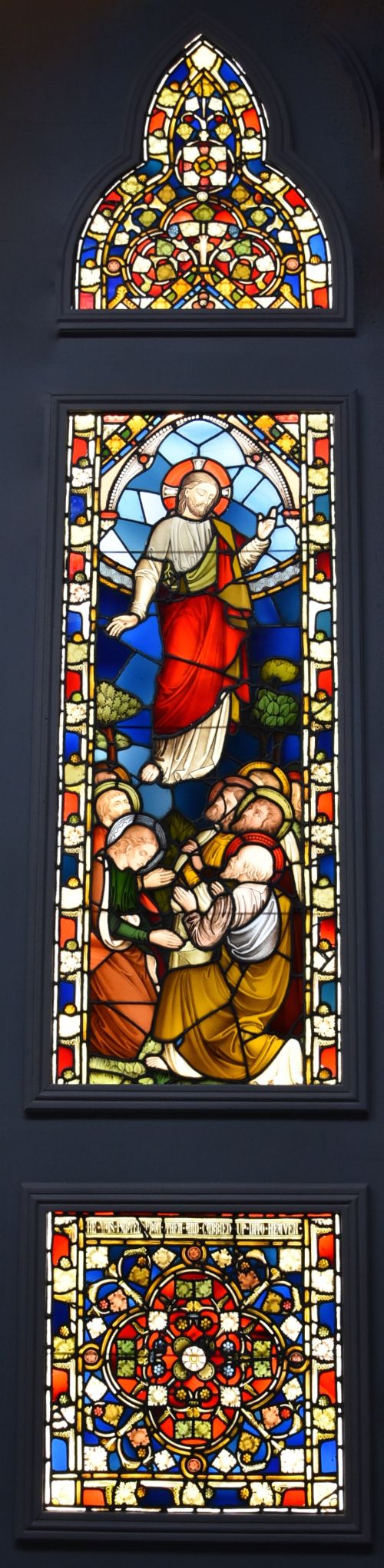
Stained glass panels originated in windows of churches, chapels, and Gothic Revival buildings to filter coloured light through religious scenes. Some examples also functioned as decorative interior wall displays or triptychs.
The lead cames holding the glass pieces together provide both structural support and the characteristic dark outlines of the design. These panels require adequate backing light to reveal their colours fully.