


Relief Carved Frame
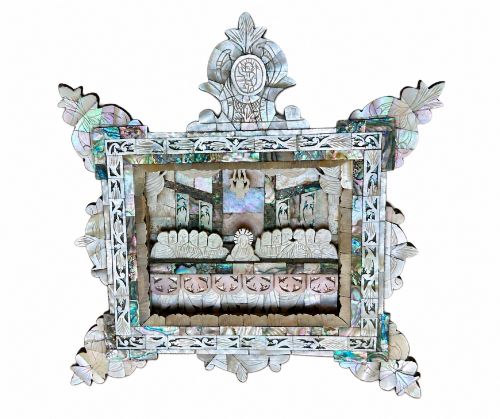
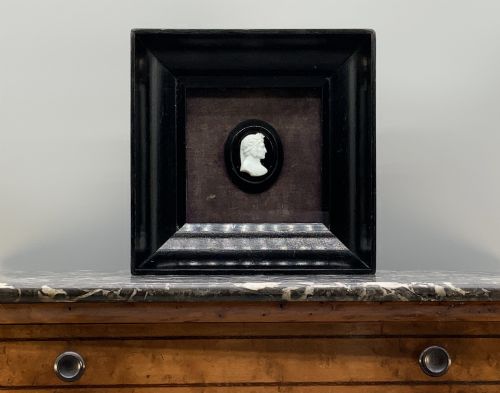
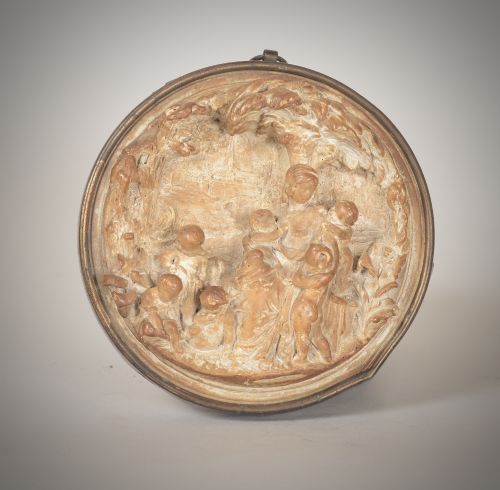
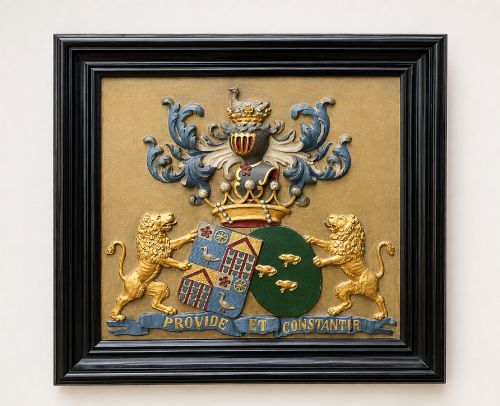
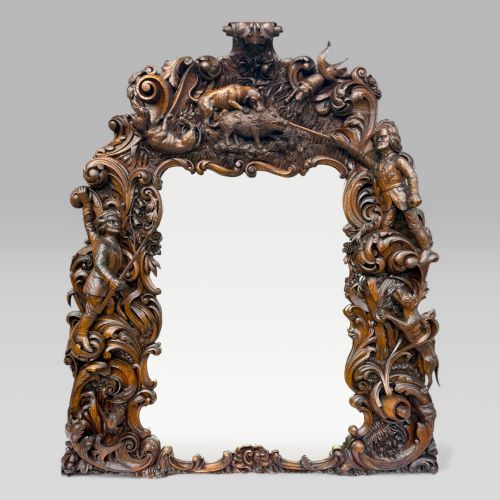
A relief carved frame holds a sculpted scene or mirror, adding depth and shadow to a wall.
Relief Carved Frame
A relief carved frame surrounds portraits, mirrors and panels, bringing three-dimensional depth to wall art. These pieces range from modest Victorian household frames to substantial 19th Century architectural overmantels.
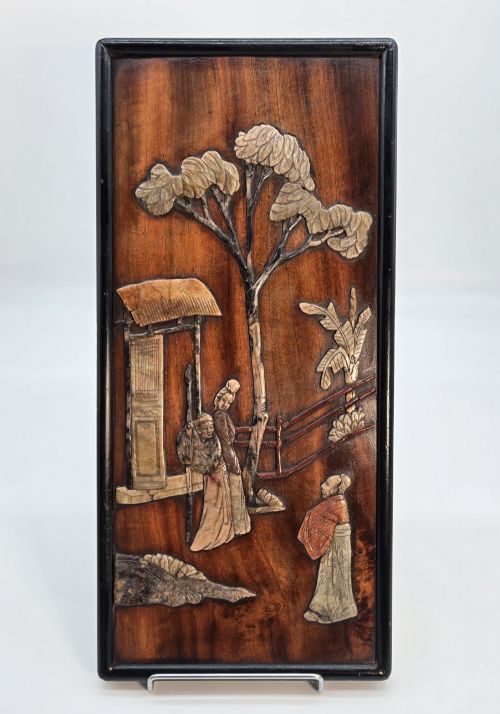
The selection here encompasses diverse regional styles, from Arts and Crafts oak designs to intricate Anglo-Indian hardwood panels and neoclassical Italian marble pieces. Buyers encounter everything from small shell cameos to monumental wall mirrors.
Materials extend beyond standard timber to include marble, slate, shell, and metal. Each object serves either to frame a separate work or to form an integrated sculptural plaque.
Materials and Techniques
Wood serves as the primary medium, utilising oak, walnut, mahogany, and hardwood for deep, structural carving. Artisans employ hand-carving chisels to shape organic motifs, heraldic emblems, and architectural columns directly into the solid timber.
Mineral materials such as marble, slate, and plaster appear in sculptural reliefs, shaped through abrasive cutting and fine chiselling. Metal and shell components, including copper and 9ct gold mounts, integrate through soldering and mechanical fixing.
An amusing Dutch brassband jigsaw woodwork relief painting brings unexpected whimsy to the collection alongside solemn marble emperors.
Assessing Quality
Quality rests on the depth and sharpness of the hand-carving, where crisp undercut details distinguish superior workmanship from softer, mechanical moulding. The selection of the raw material, such as finely grained walnut or dense marble, dictates the longevity and visual weight of the piece.
Proportion and structural integrity matter significantly, particularly in large overmantels and mirrors where framing must support heavy glass or stone. The harmony between the carved frame and its central subject reflects the competence of the original maker.
R. Pernice·Van Rijckevorsel and Verheijen
The Relief Carved Frame Glossary
- Overmantel
- A large mirror or framed panel designed to hang directly above a fireplace mantelpiece. These pieces frequently incorporate extensive timber carving.
- Cameo
- A method of carving an object such as a shell or stone where a raised image stands out from a background of a different colour. It frequently appears mounted within a small decorative frame.
- Bas-relief
- A sculptural technique where the figures project only slightly from the background plane rather than standing fully in the round. This method appears frequently on marble and plaster plaques.
- Heraldic
- Relating to armorial bearings and family crests, often carved into wood or stone marriage plaques to record lineage. These symbols provide clear historical context.
- Pier mirror
- A tall wall mirror designed to hang on the narrow wall space between windows. They often feature elaborate wooden frames and columns.
Relief Carved Frame: Frequently Asked Questions
How do I hang a heavy carved frame?
Substantial wooden frames and marble plaques require heavy-duty wall fixings anchored directly into structural studs or masonry. Professional mirror plates distribute the considerable weight safely.
Position the piece at eye level to ensure the carved details catch the ambient room light effectively.
What periods do these pieces span?
The available selection reaches from the 18th Century through the Victorian era and into the 20th Century. Neoclassical and Arts and Crafts movements dominate the stylistic chronology.
Earlier items frequently display Grand Tour origins, while later examples reflect regional folk traditions.
How should I clean wooden relief carvings?
Dust accumulated within deep wooden recesses requires a soft-bristled artist's brush rather than a standard cloth. Avoid harsh chemical polishes that build up within the carved crevices.
Maintain stable indoor humidity to prevent the natural timber from splitting or warping over time.
Are marble reliefs fragile?
Marble and alabaster plaques possess significant weight and remain vulnerable to sharp impacts along their carved edges. Handle them with complete support across the base rather than by protruding frame elements.
Display them away from high-traffic areas where accidental knocks might occur.